What's the opposite of inflation? Deflation, and that's exactly what happened in December, according to the latest consumer price index (CPI). Prices fell 0.1 percent last month, bringing the year-over-year rate to 6.5 percent, down from a peak of 9.1 percent last June.
Here are the highlights:
Energy contributed the biggest share to the decline, with prices falling 4.5 percent. Under that category, fuel oil saw the biggest drop, falling 16.6 percent.
After energy, automobiles saw the most deflation in December. The price of new vehicles fell 0.1 percent, and the price of used vehicles fell 2.5 percent.
Food prices, meanwhile, ticked up 0.3 percent. That's the smallest increase in the last six months. Shelter costs also jumped a sizable 0.8 percent, up from 0.6 percent in November.
The report comes as a debate rages over whether the U.S. economy can achieve a so-called landing after several large rate hikes from the Federal Reserve. While the central bank has signaled moderation, any shift in the inflation narrative could change its tone.
Markets expected and had priced in the CPI drop, however, so it's possible stocks won't move drastically in response to the data. Futures rose slightly after the release.
Mike Mussio, president of FBB Capital Partners, offers some advice to help potential savers get ahead.
Swingers mini golf co-founder and co-CEO Matt Grech-Smith explains the appeal of putt-putt for adults and the company's expansion to Las Vegas.
From moving finances online to the new ways we'll be getting cash, Ray Hatch, the Vice President of Enterprise Solutions Vertical Markets at Comcast Business explains how the banking industry is getting ready for the future.
Swingers mini golf chain co-founder and co-CEO Matt Grech-Smith explains how his company is finding success by creating a more adult version of a longtime family favorite.
Shopping expert Trae Bodge shares tips for saving money while back-to-school shopping for college students.
The managers of the Panama Canal said they expect income from the waterway to drop after authorities were forced to limit the number of ships passing through each to 32 due to a lack of rainfall.
Nissan is recalling more than 236,000 small cars in the U.S. because the tie rods in front suspension can bend and break, possibly causing drivers to lose steering control.
Canadian Prime Minister Justin Trudeau accused Facebook on Monday of putting profits over people’s safety during the emergencies created by Canada’s record wildfire season.
Neil Wertheimer, deputy editor for the AARP Bulletin and The Magazine, talks about some of the highlights from this year's list of 99 Great Ways to Save.
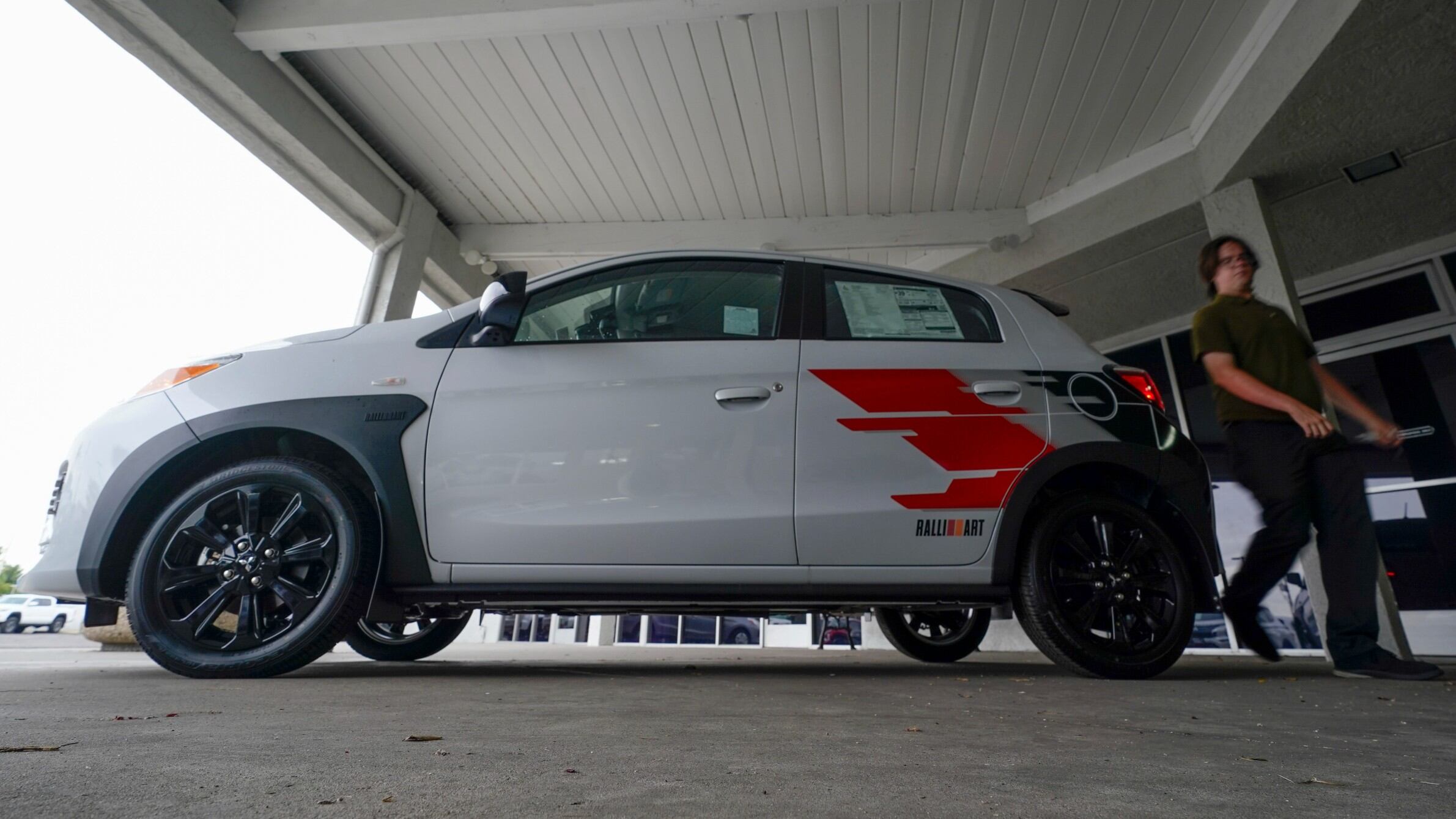
Just five years ago, a price-conscious auto shopper in the United States could choose from among a dozen new small cars selling for under $20,000. Now, there’s just one: The Mitsubishi Mirage.