What's the opposite of inflation? Deflation, and that's exactly what happened in December, according to the latest consumer price index (CPI). Prices fell 0.1 percent last month, bringing the year-over-year rate to 6.5 percent, down from a peak of 9.1 percent last June.
Here are the highlights:
Energy contributed the biggest share to the decline, with prices falling 4.5 percent. Under that category, fuel oil saw the biggest drop, falling 16.6 percent.
After energy, automobiles saw the most deflation in December. The price of new vehicles fell 0.1 percent, and the price of used vehicles fell 2.5 percent.
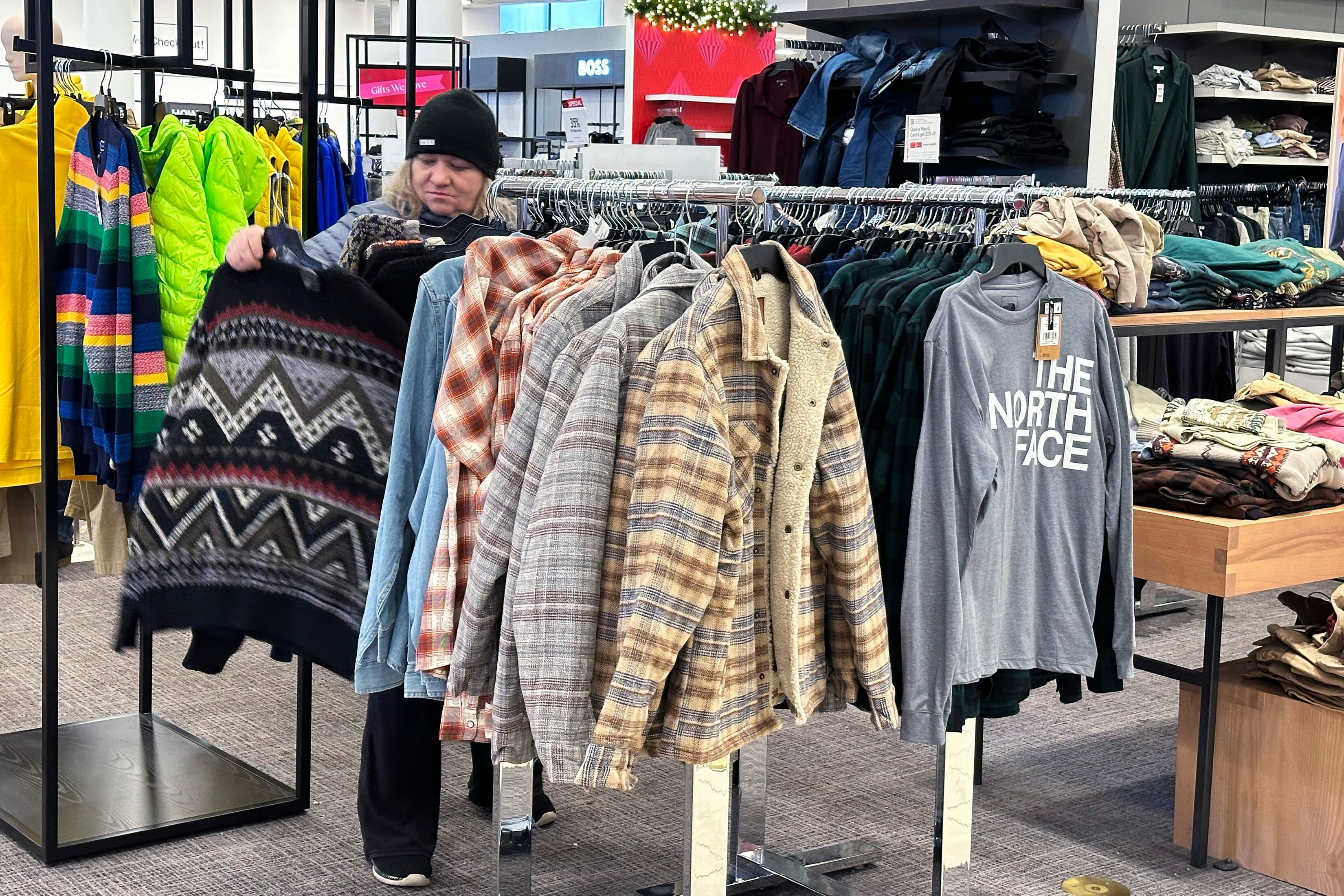
Food prices, meanwhile, ticked up 0.3 percent. That's the smallest increase in the last six months. Shelter costs also jumped a sizable 0.8 percent, up from 0.6 percent in November.
The report comes as a debate rages over whether the U.S. economy can achieve a so-called landing after several large rate hikes from the Federal Reserve. While the central bank has signaled moderation, any shift in the inflation narrative could change its tone.
Markets expected and had priced in the CPI drop, however, so it's possible stocks won't move drastically in response to the data. Futures rose slightly after the release.
Smartphones could get much smarter this year as the next wave of artificial intelligence seeps into the devices that accompany people almost everywhere they go.
The plans would include nearly 20,000 homes initially for 50,000 residents and could grow to 400,000 people.
In an annual assessment of global inequalities, Oxfam International said the first trillionaire could emerge within the next decade — as the anti-poverty organization pointed to the growing wealth gap that skyrocketed globally during the pandemic.
The Biden administration proposed a cost drop for overdrawing bank accounts, which it says could particularly relieve Americans living paycheck to paycheck.
With thousands of layoffs in tech and beyond, how workers can keep their skills sharp, plus reasons to be hopeful when looking at the job market.
Taking a look at investment strategy as the new year gets into full swing.
Americans stepped up their spending in December more than expected, closing out the holiday season and the year on an upbeat tone. The Commerce Department said retail sales rose 0.6% in December compared with a November’s 0.3% increase.
A New York architect charged in a string of slayings known as the Gilgo Beach killings was accused in a 25-year-old Connecticut woman's death.
Uber purchased Drizly in a cash-and-stock deal for $1.1 billion in 2021. The drink delivery app will shut down in March, according to Uber.
After Donald Trump's victory at the Iowa caucus, Nikki Haley and DeSantis continue their campaigns as New Hampshire's primary looms.