As California Fires Rage, Experts Point to Climate Change
*By Carlo Versano*
Two new wildfires broke out in Southern California's Ventura County on Monday, as firefighters strained their resources to contain the three blazes already rampaging across the state. In Northern California, the Camp Fire is now the deadliest in the state's history, with at least 31 dead.
Outside Los Angeles, the Woolsey Fire has killed at least two and forced mass evacuations of some of the wealthiest zip codes in the country, including the celebrity haven of Malibu.
Cheddar's Alyssa July Smith reported from Santa Monica that the picturesque Pacific Coast Highway was closed to non-essential services going into Malibu. The cars allowed to pass on the PCH from the north were stained by soot and ash.
If the superlatives from this year's fire season sound familiar ー historic, deadliest, once-in-a-generation ー it's because they are. Of the most catastrophic fires in California's modern history, nine of 10 occurred after 2000, according to Popular Science senior editor Sophie Bushwick.
And while no fire can be blamed on any sole factor, climate change is unquestionably making wildfires worse and more frequent, Bushwick said ー by way of drier land and warmer temperatures which, when combined with the accelerant of the famed Santa Ana winds blowing through the mountain passes, creates a tinder-box effect.
"Global warming is making conditions ripe for \[fires\]," Bushwick said. "Ignoring it is just fool-hardy."
In California, the situation is made worse by a growing population that's building homes and infrastructure closer and closer to the state's parched forests. The town of Paradise, which was more or less burned off the map by the Camp Fire, was built shoehorned into a canyon pass ー with one way in and one way out. That proved to be a death sentence for some of its residents, who tried to flee the fast-moving fire on the single road. Firefighters found at least seven bodies burned beyond recognition still in their cars, according to media reports.
Bushwick considers it parallel to hurricane victims in low-lying, flood-prone areas: in other words, people living where nature says they shouldn't.
"Where people choose to build their homes can make a natural disaster more of a disaster."
Dr. Celeste González de Bustamante, professor and director of the Center for Border and Global Journalism at the Univerity of Arizona, and Dr. Jeannine E. Relly, professor and director of Global Initiatives at the Center for Border and Global Journalism at the University of Arizona, join Cheddar News to discuss the recent journalist killings in Mexico.
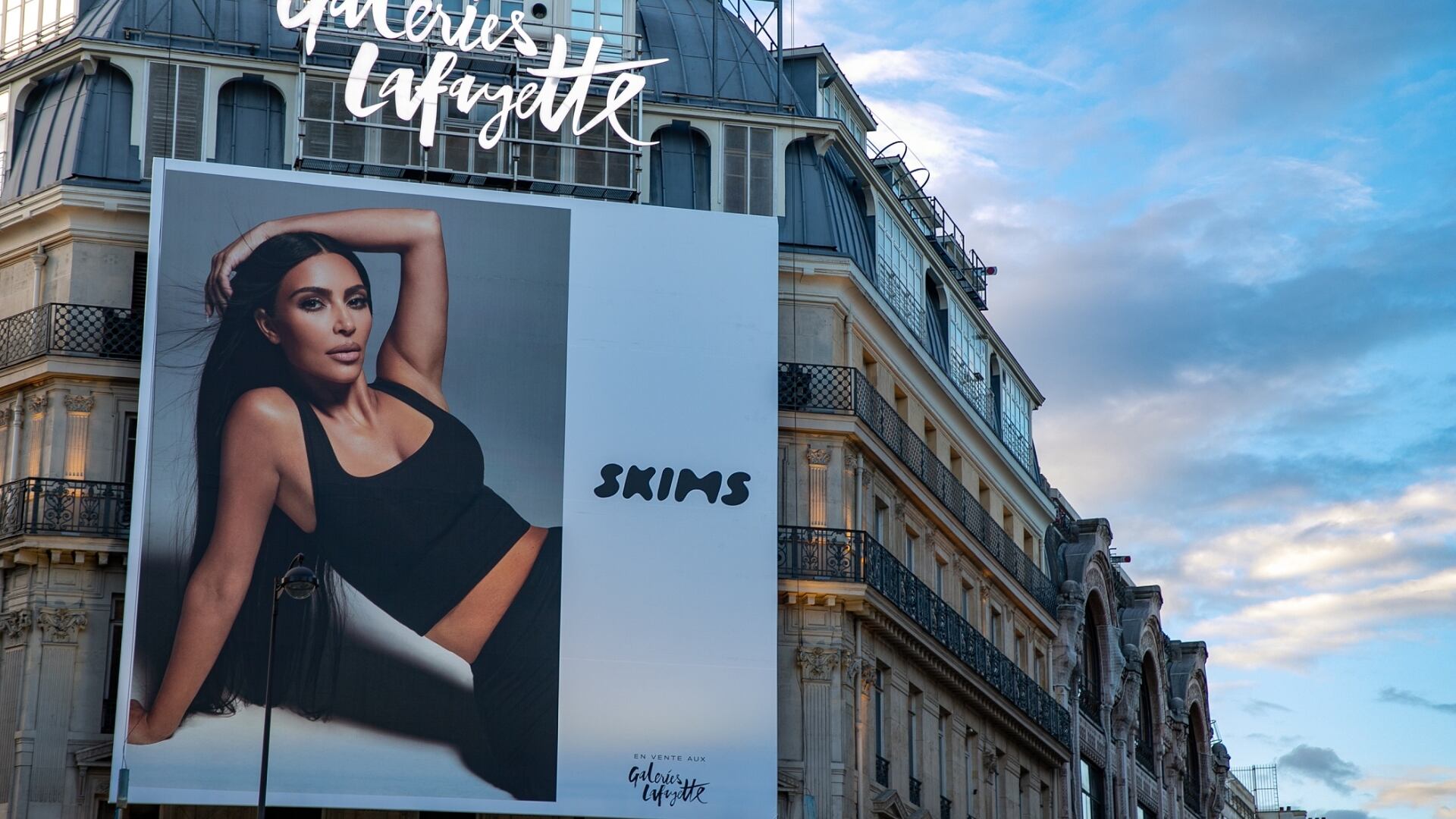
Kim Kardashian’s shapewear brand Skims has doubled its valuation to $3.2 billion. Investors have taken a bet on the success of this brand in the form of fresh funds for the two-year-old company.
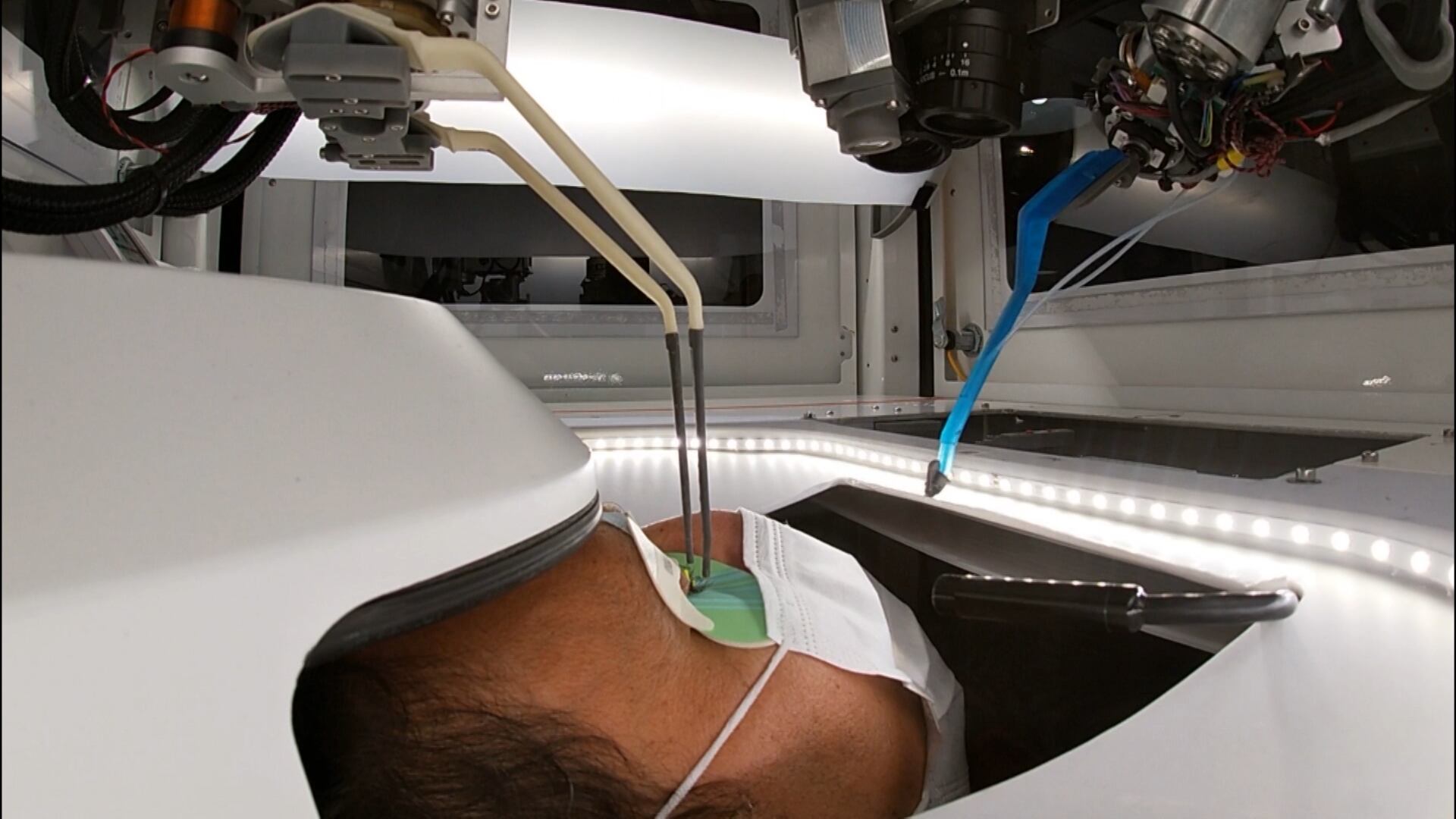
Nathan Harding, CEO of Luum, joins Cheddar Innovates to discuss the process of having a robot put on eyelash extensions, and how automation is making its way into the beauty industry
Kevin Yu, Founder and CEO of Sidechef, joins Cheddar Innovates to discuss how it's building a platform to make recipe shopping easy, and how its features help you discover new recipes with the same ingredients to fight the massive problem of food waste.
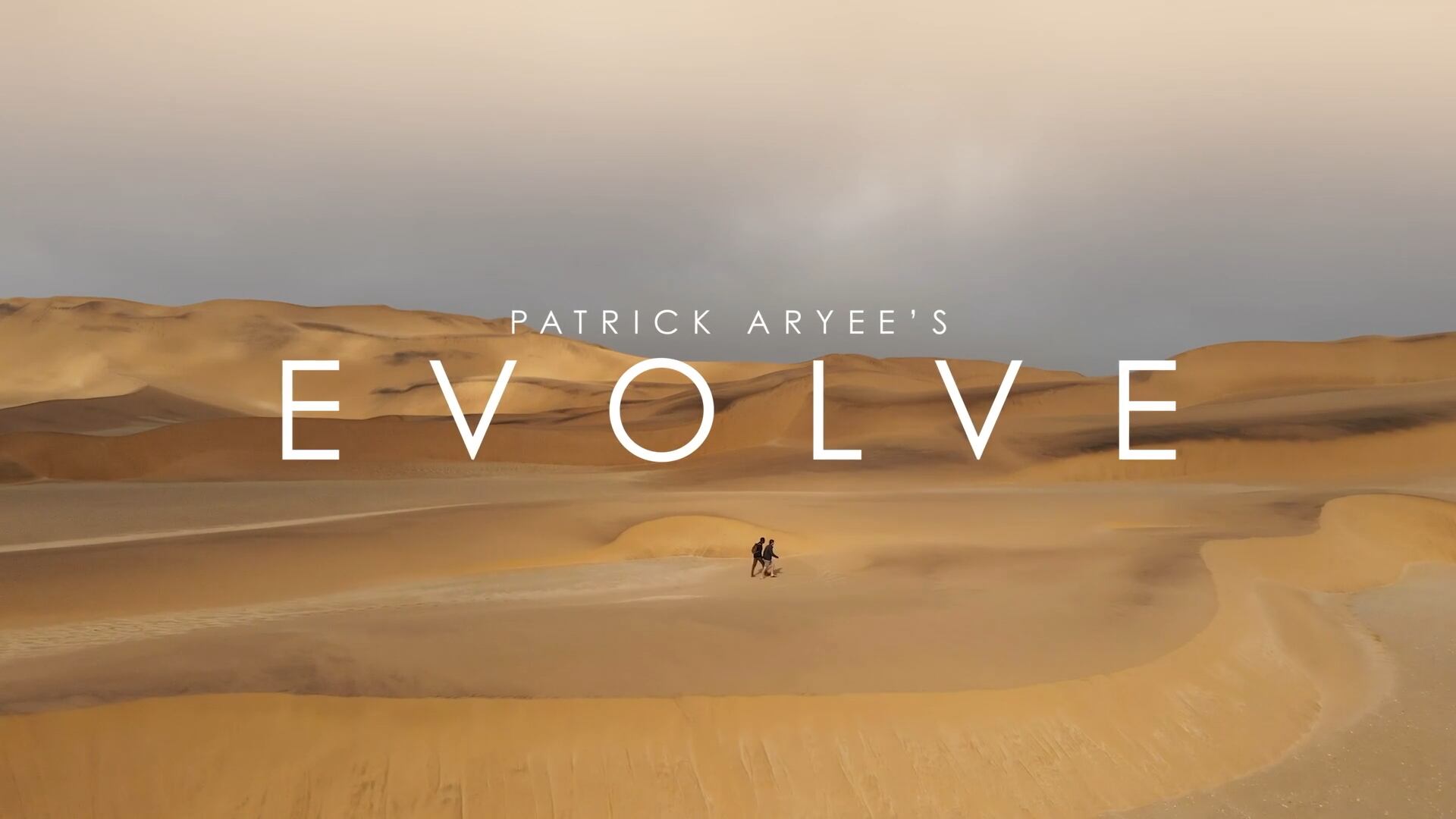
On this episode of Cheddar Innovates: Sidechef CEO breaks down how it's building a platform to make recipe shopping easy; Luum CEO explains the process of having a robot put on eyelash extensions; A look at Curiosity Stream's new original series, 'Evolve.'
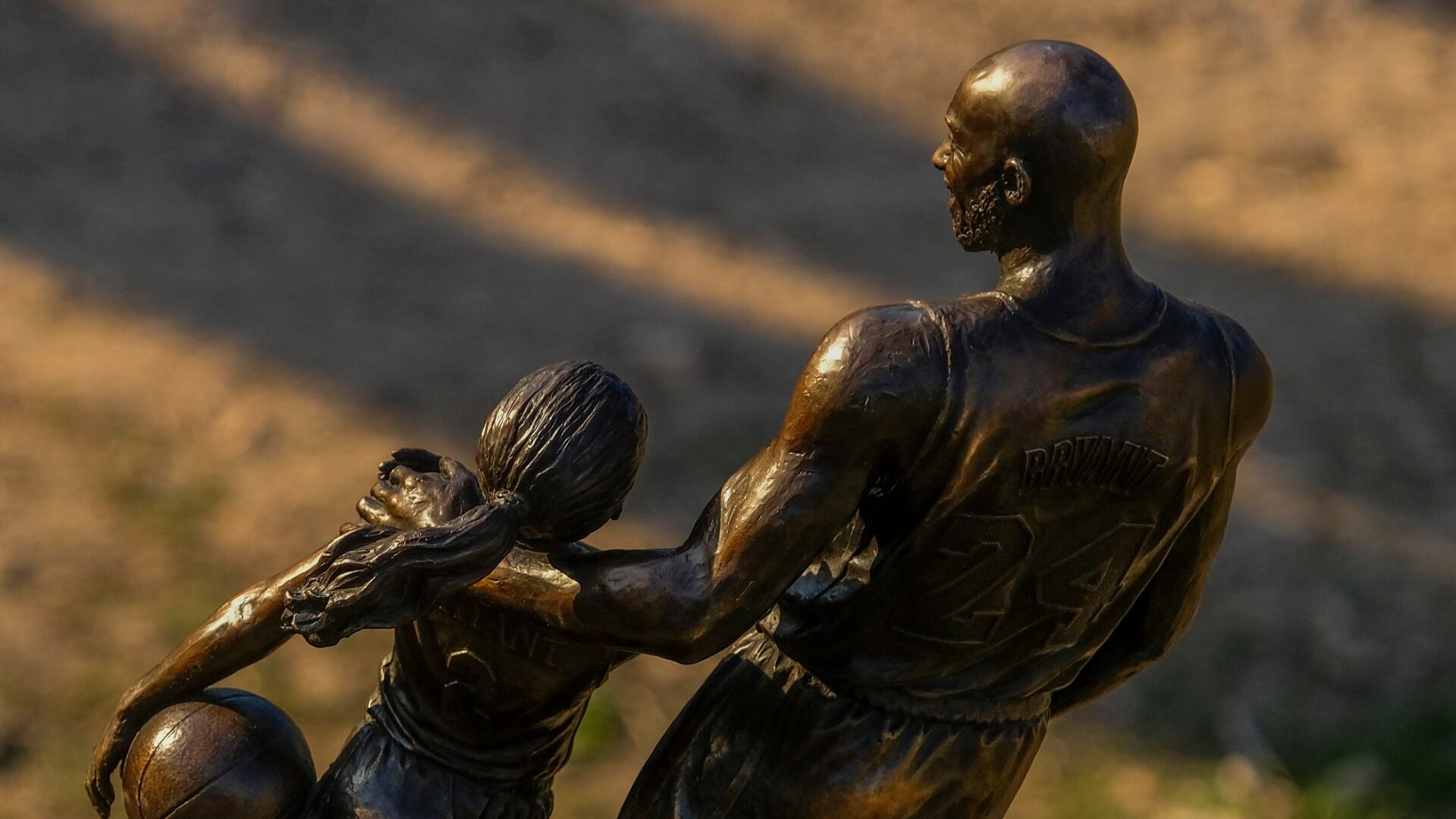
Wednesday marked two years since the basketball legend Kobe Bryant, his daughter Gianna, and seven others died in a tragic helicopter crash. In remembrance, a bronze statue has been temporarily placed at the site with all of the passenger's names included on the memorial.
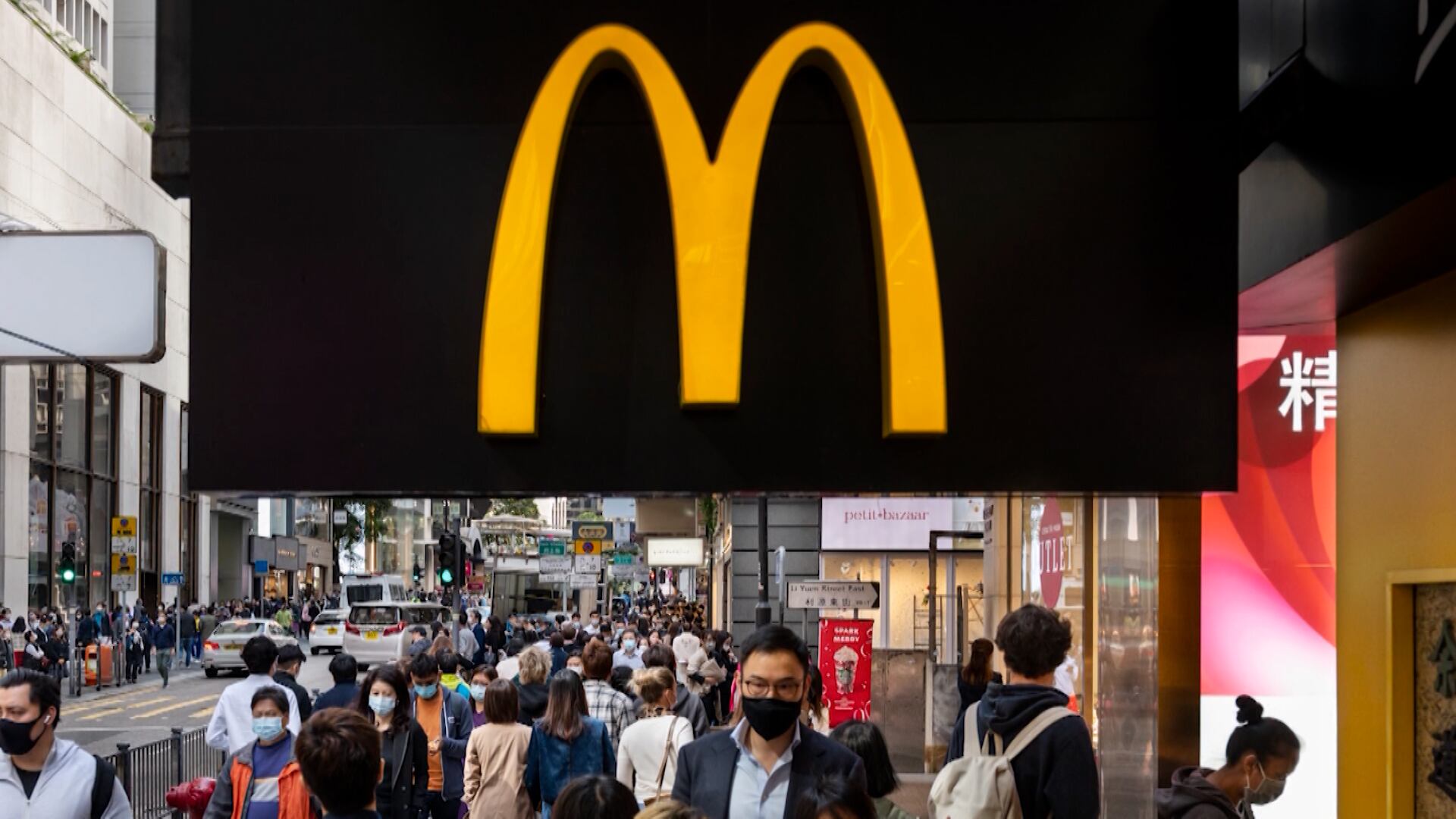
McDonald's missed on both the top and bottom lines in its Q4 earnings, marking the fourth loss for the fast-food giant in the past eight quarters. It comes as higher costs from food to wages ate into the blue-chip company's profits. George Seay, CEO of investment advisor Annandale Capital, joined Wake Up with Cheddar to discuss the recent numbers and the better-than-expected success of the McPlant burger made with plant-based Beyond Meat. "They're changing with the times, and they have to," Seay noted. "You can just sell a Big Mac to everybody. There's a lot of people who don't want to eat a Big Mac anymore."