As California Fires Rage, Experts Point to Climate Change
*By Carlo Versano*
Two new wildfires broke out in Southern California's Ventura County on Monday, as firefighters strained their resources to contain the three blazes already rampaging across the state. In Northern California, the Camp Fire is now the deadliest in the state's history, with at least 31 dead.
Outside Los Angeles, the Woolsey Fire has killed at least two and forced mass evacuations of some of the wealthiest zip codes in the country, including the celebrity haven of Malibu.
Cheddar's Alyssa July Smith reported from Santa Monica that the picturesque Pacific Coast Highway was closed to non-essential services going into Malibu. The cars allowed to pass on the PCH from the north were stained by soot and ash.
If the superlatives from this year's fire season sound familiar ー historic, deadliest, once-in-a-generation ー it's because they are. Of the most catastrophic fires in California's modern history, nine of 10 occurred after 2000, according to Popular Science senior editor Sophie Bushwick.
And while no fire can be blamed on any sole factor, climate change is unquestionably making wildfires worse and more frequent, Bushwick said ー by way of drier land and warmer temperatures which, when combined with the accelerant of the famed Santa Ana winds blowing through the mountain passes, creates a tinder-box effect.
"Global warming is making conditions ripe for \[fires\]," Bushwick said. "Ignoring it is just fool-hardy."
In California, the situation is made worse by a growing population that's building homes and infrastructure closer and closer to the state's parched forests. The town of Paradise, which was more or less burned off the map by the Camp Fire, was built shoehorned into a canyon pass ー with one way in and one way out. That proved to be a death sentence for some of its residents, who tried to flee the fast-moving fire on the single road. Firefighters found at least seven bodies burned beyond recognition still in their cars, according to media reports.
Bushwick considers it parallel to hurricane victims in low-lying, flood-prone areas: in other words, people living where nature says they shouldn't.
"Where people choose to build their homes can make a natural disaster more of a disaster."
Damali Peterman, founder and CEO of Breakthrough ADR, joins Cheddar News to discuss what Black professionals are up against in the workplace this year.
David Malott, founder and chief architect at AI PlanetWorks joins Cheddar News to discuss the release of its augmented reality NFTs for the metaverse called 'TERA.'
Jess Hunichen and Emily Ward, co-founder of Shine Talent Group join Cheddar News to talk about The BodCon conference and how it empowers men and women to feel confident.
Alia Kemet, vice president of creative and digital at McCormick, joins Cheddar News to discuss Frank's RedHot releasing an edible NFT ahead of the Super Bowl.
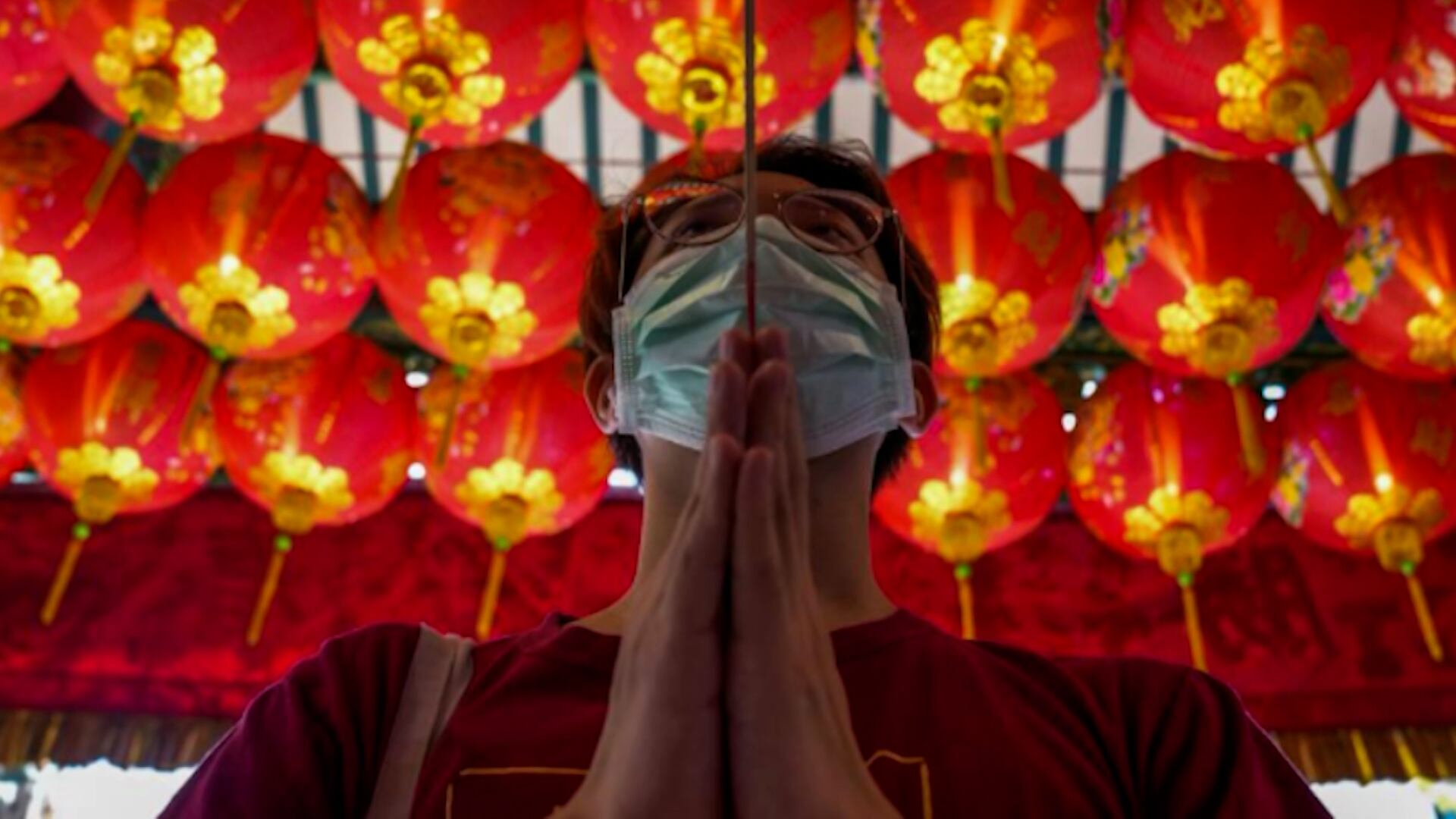
Xiaohua Yang, professor of international business and director of the China Business Studies Initiative at the University of San Francisco, joins Cheddar News to talk about the history of Lunar New Year.
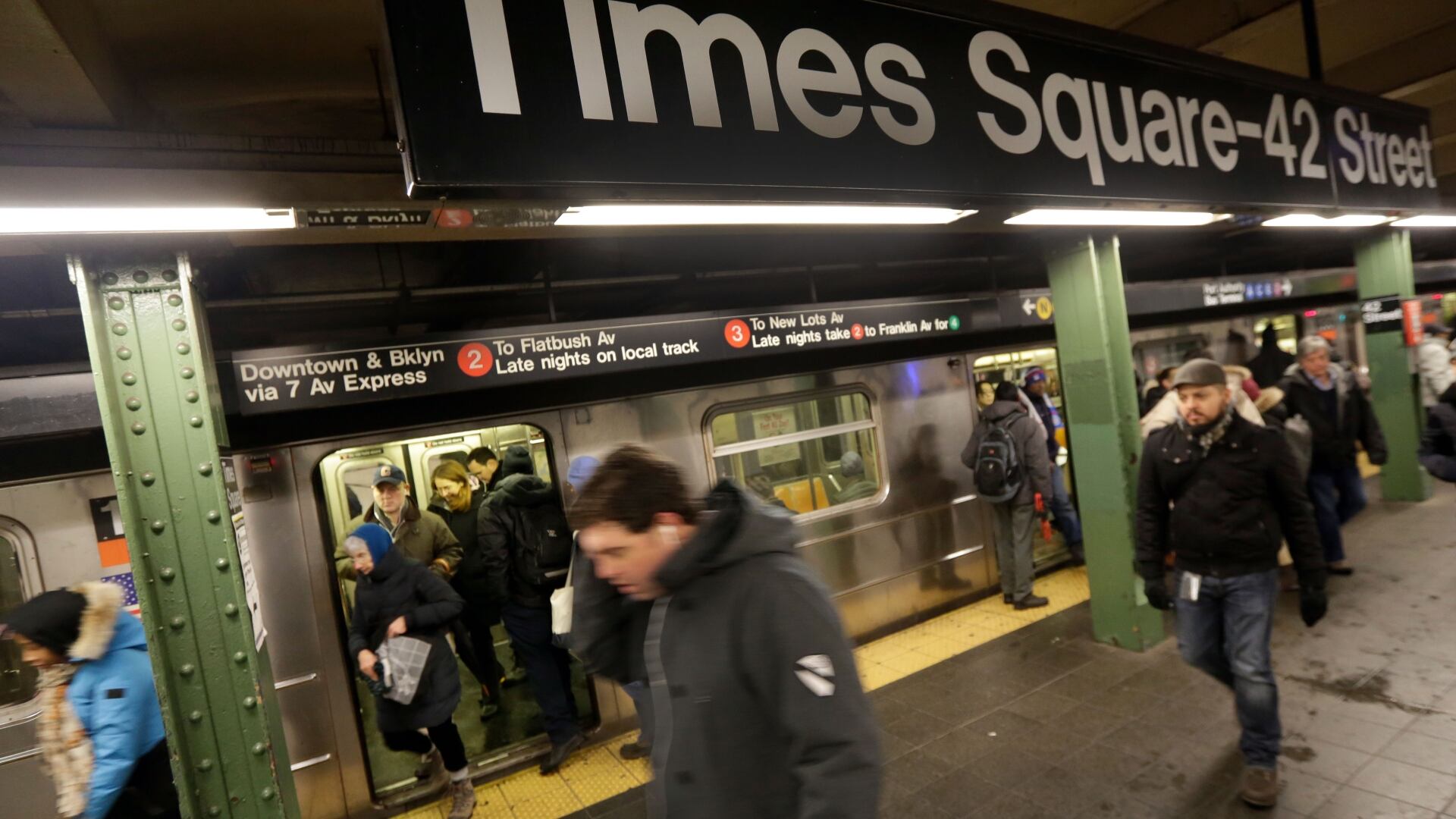
After a number of tragic subway incidents, the MTA is facing increased pressure to install subway platform screens to help prevent injury or death. However, according to an earlier report from the MTA, installing these prevented measures isn't feasible. New York City Council Member Keith Powers, joined Cheddar to discuss more.
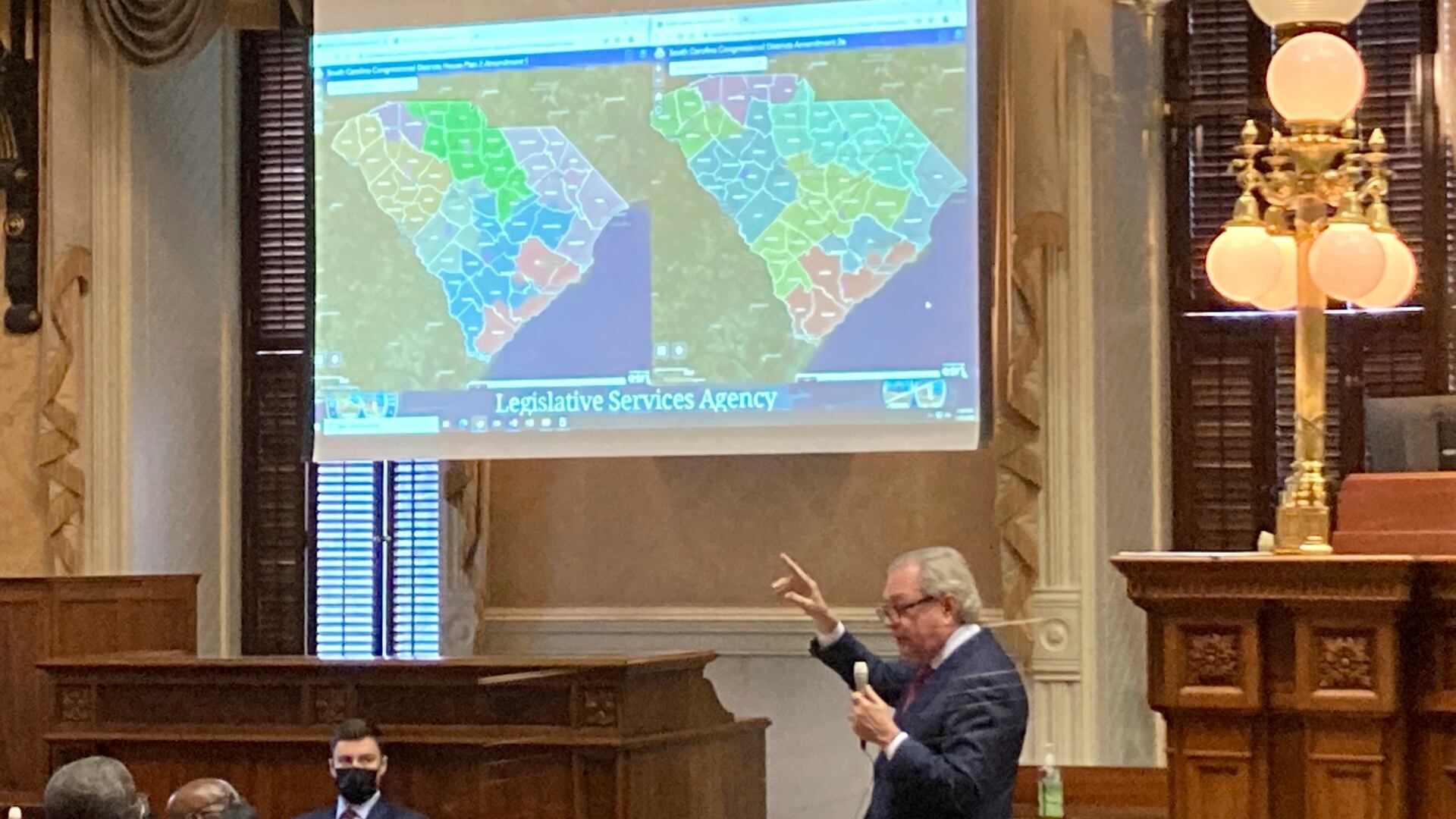
Across the country, states are working to redraw their congressional lines in what is often known as gerrymandering. These news lines are expected to determine the balance of power between Democrats and Republicans within the next decade. Senior Counsel for the Brennan Center's Democracy Program, Michael Li, joined Cheddar to discuss more.
AT&T announced earlier today it is spinning off its media properties in WarnerMedia in a merger with Discovery in a $43 billion deal.Scott Rostan, founder and CEO at Training The Street, joined Cheddar to talk about what the unwinding of the telecom giant's Time Warner media properties means for investors. "I think the investor sentiment is they're digesting the new information, and they're looking into the dividend, especially the reduction of the dividend," said Rostan, noting the transaction allows AT&T to focus on its core telecommunications business.
A 2021 report from UK Research and Innovation found that the shipping industry makes up at least 2.5 percent of the world's total CO2 emissions. It's a problem that energy solutions company, Leclanché, is trying to solve. Founded in 1909, the company has been developing and producing batteries for more than 100 years. Today, Leclanché's lithium-ion battery is used to electrify not just ships, but also railroad locomotives, trucks, and specialty vehicles. Cheddar News spoke with Pierre Blanc, chief technology and industrial officer of Leclanché, to discuss.