As California Fires Rage, Experts Point to Climate Change
*By Carlo Versano*
Two new wildfires broke out in Southern California's Ventura County on Monday, as firefighters strained their resources to contain the three blazes already rampaging across the state. In Northern California, the Camp Fire is now the deadliest in the state's history, with at least 31 dead.
Outside Los Angeles, the Woolsey Fire has killed at least two and forced mass evacuations of some of the wealthiest zip codes in the country, including the celebrity haven of Malibu.
Cheddar's Alyssa July Smith reported from Santa Monica that the picturesque Pacific Coast Highway was closed to non-essential services going into Malibu. The cars allowed to pass on the PCH from the north were stained by soot and ash.
If the superlatives from this year's fire season sound familiar ー historic, deadliest, once-in-a-generation ー it's because they are. Of the most catastrophic fires in California's modern history, nine of 10 occurred after 2000, according to Popular Science senior editor Sophie Bushwick.
And while no fire can be blamed on any sole factor, climate change is unquestionably making wildfires worse and more frequent, Bushwick said ー by way of drier land and warmer temperatures which, when combined with the accelerant of the famed Santa Ana winds blowing through the mountain passes, creates a tinder-box effect.
"Global warming is making conditions ripe for \[fires\]," Bushwick said. "Ignoring it is just fool-hardy."
In California, the situation is made worse by a growing population that's building homes and infrastructure closer and closer to the state's parched forests. The town of Paradise, which was more or less burned off the map by the Camp Fire, was built shoehorned into a canyon pass ー with one way in and one way out. That proved to be a death sentence for some of its residents, who tried to flee the fast-moving fire on the single road. Firefighters found at least seven bodies burned beyond recognition still in their cars, according to media reports.
Bushwick considers it parallel to hurricane victims in low-lying, flood-prone areas: in other words, people living where nature says they shouldn't.
"Where people choose to build their homes can make a natural disaster more of a disaster."
Student loan debt continues to be a major concern for tens of millions of Americans who collectively owe about $1.7 trillion. Black college students often take on larger amounts of student debt in order to pay for a higher education. In turn, they are more likely to struggle post-graduation with repaying their debt, creating a racial wealth gap divide. Andre Perry, senior fellow at Brookings Institution joined All Hands to help break down the black student debt crisis.
BTS’ hit single “Butter” tops the zeitgeist again, bumping back up to number one on Billboard’s Hot Trending Chart. The chart tracks what songs people are talking about rather than what they're listening to.
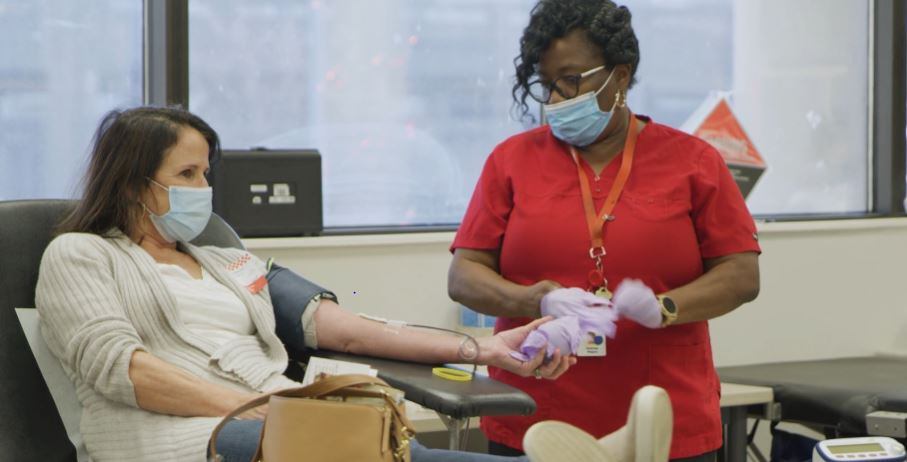
The American Red Cross has declared its first-ever "national blood crisis" in the United States. Since COVID hit the U.S. in March 2020, blood donations have declined by 10 percent. American Red Cross Medical Director, Dr. Baia Lasky joined Cheddar News to discuss the country facing the worst blood shortage in over a decade. Dr. Lasky noted that as much as 40 percent of Americans are eligible to donate blood but only about 4 percent do so. "This is going to be ongoing," she said. "This is not an acute shortage. We really do need the commitment of people to come out and donate and donate again." Appointments to donate can be made by using the Red Cross Donor App, at RedCrossBlood.org, or calling 1-800-RED CROSS (1-800-733-2767).
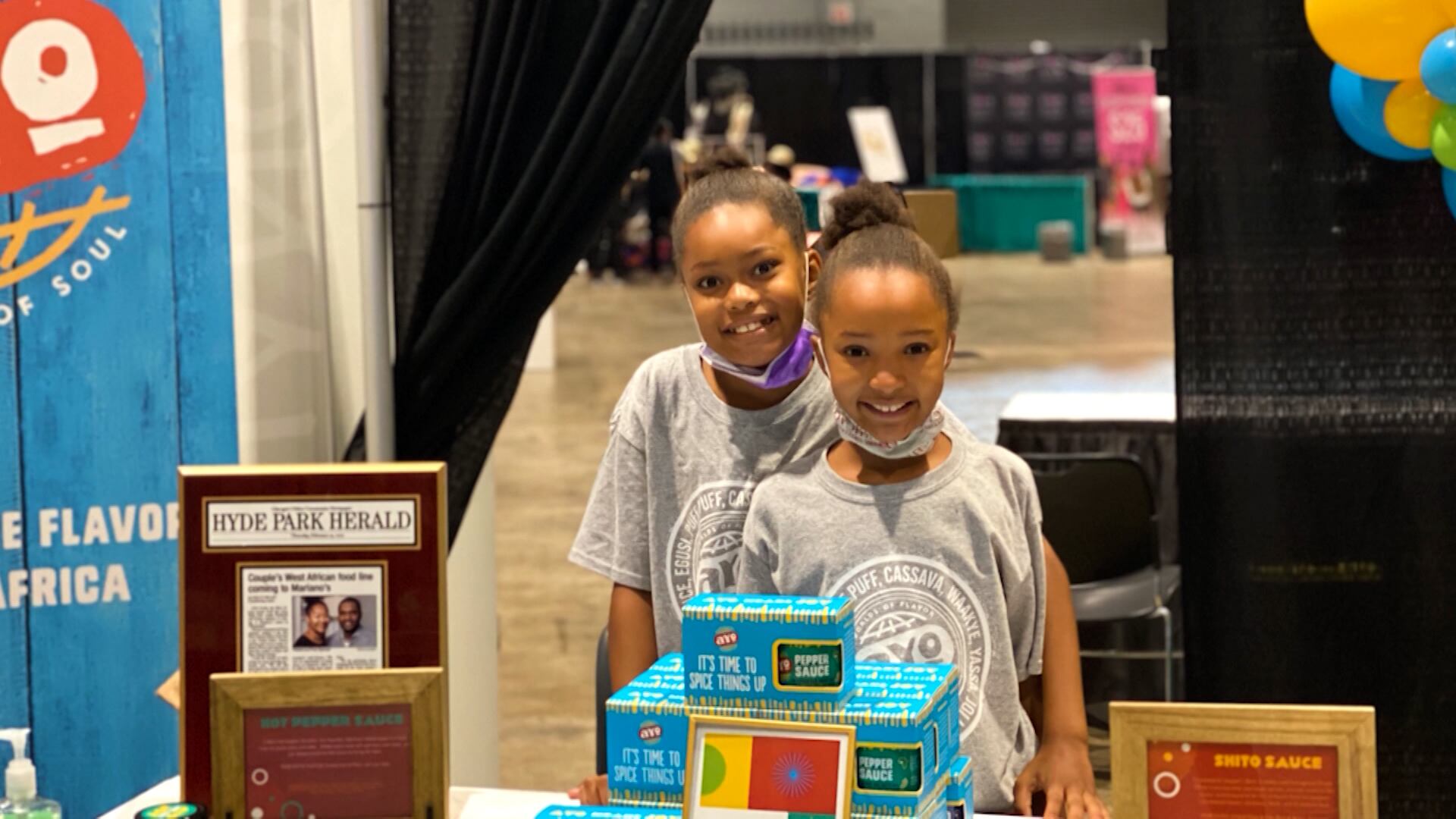
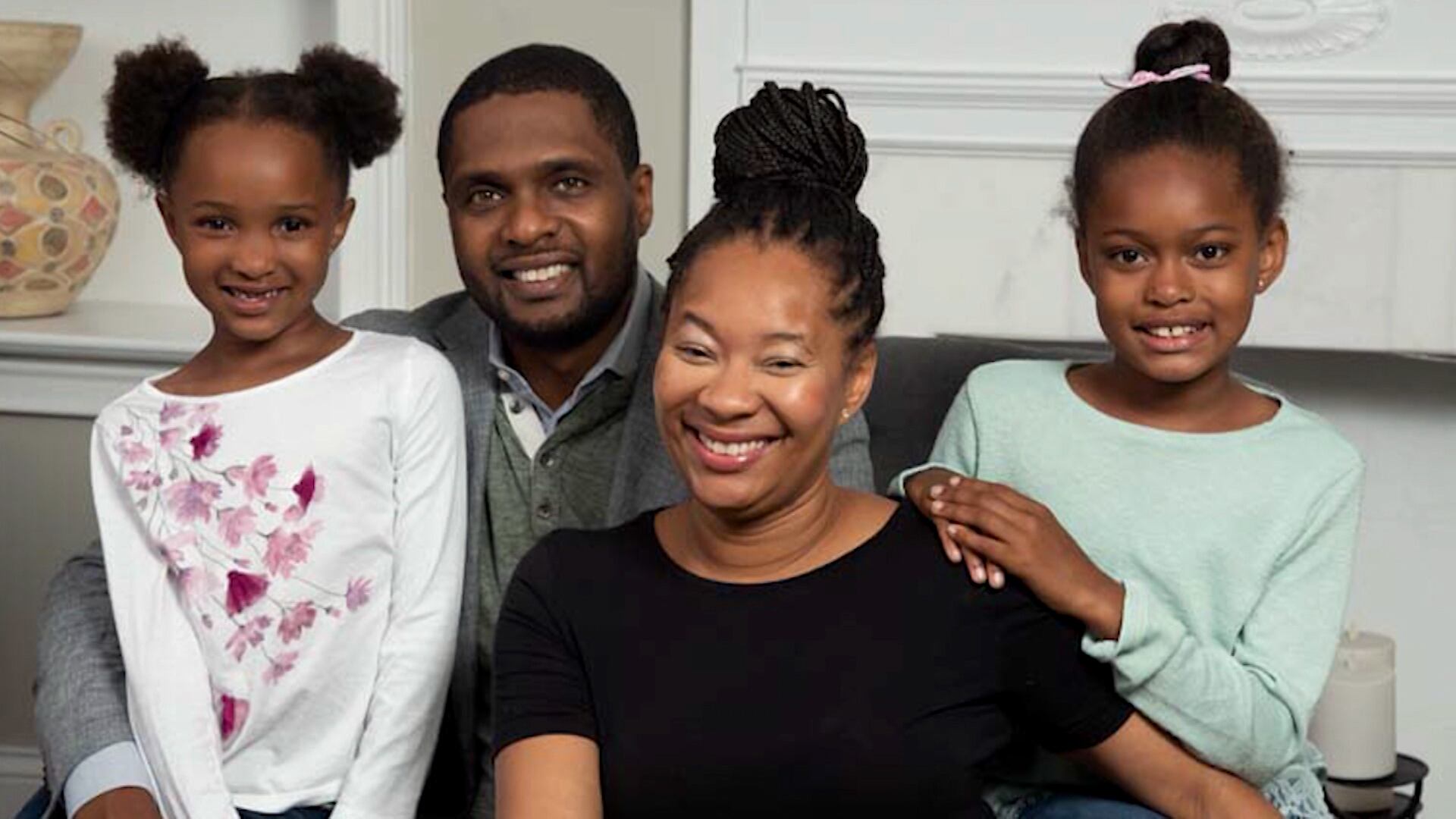
On this episode of ChedHER: Co-Founder of VC firm CaJE breaks down how she's creating a new era of venture capital and empowering Black women with 'soil' funding to start and grow their businesses; AYO Foods Co-Founder discusses how the brand is bringing West African cuisine to the frozen food industry and building a grocery aisle her daughters can be proud of; Chief Marketing & Customer Experience Officer at Chase Auto talks her experience being a woman of color in the auto industry, and why transportation is so important to financial freedom.
Renée Horne, chief marketing and customer experience officer at Chase Auto, joins ChedHER to discuss her experience being a woman of color in the auto industry and why transportation is so important to financial freedom.
Perteet Spencer, Co-Founder of AYO Foods, joins ChedHER to discuss how the brand is bringing West African cuisine to the frozen food industry and building a grocery aisle her daughters can be proud of.
Crystal Etienne, Founder and CEO of period apparel company Ruby Love and Co-Founder of VC firm CaJE, joins ChedHER to discuss her experience bootstrapping her company to $10 million, and how she's creating a new era of venture capital and empowering Black women with 'soil' funding to start and grow their businesses.