*By Mike Teich*
A sweeping data privacy bill has been approved in California, but it may be too late for internet users to protect their information, said former National Counterterrorism Center officer Dave White.
"You have to consider yourself compromised," he said. "You’ve already given your data away."
Experts are calling it the nation's most far-reaching law to give consumers more control over their personal data. Under the law, customers can request what personal data companies have collected and what third parties have received it.
The passing of the historical bill didn't come without criticism. The ACLU of Northern California said the legislation falls "woefully short" in defending individuals' rights.
"It's a great first step," White said. However, “it doesn’t go far enough."
Companies that collect user data, from Amazon to Microsoft to Uber, lobbied aggressively against the law, pouring millions into a [opposition campaigns](https://www.theverge.com/2018/6/15/17468292/amazon-microsoft-uber-california-consumer-privacy-act).
But consumer advocates called it a milestone victory. "Today was a [huge win](http://money.cnn.com/2018/06/28/technology/california-consumer-privacy-act/index.html) and gives consumer privacy advocates a blueprint for success," James P. Steyer, CEO and founder of Common Sense Media. "We look forward to working together with lawmakers across the nation to ensure robust data privacy protections for all Americans."
For full interview, [click here](https://cheddar.com/videos/california-passes-historic-privacy-bill).
The tech company announced on Monday that it will spend around $25 million over five years to support developers designing tools that will make lives easier for people with disabilities. "For the most part, this is just about possibility," says Rob Marvin, [associate features editor at PCMag.](https://www.pcmag.com/feature/360886/microsoft-build-all-the-news-you-need-to-know/)
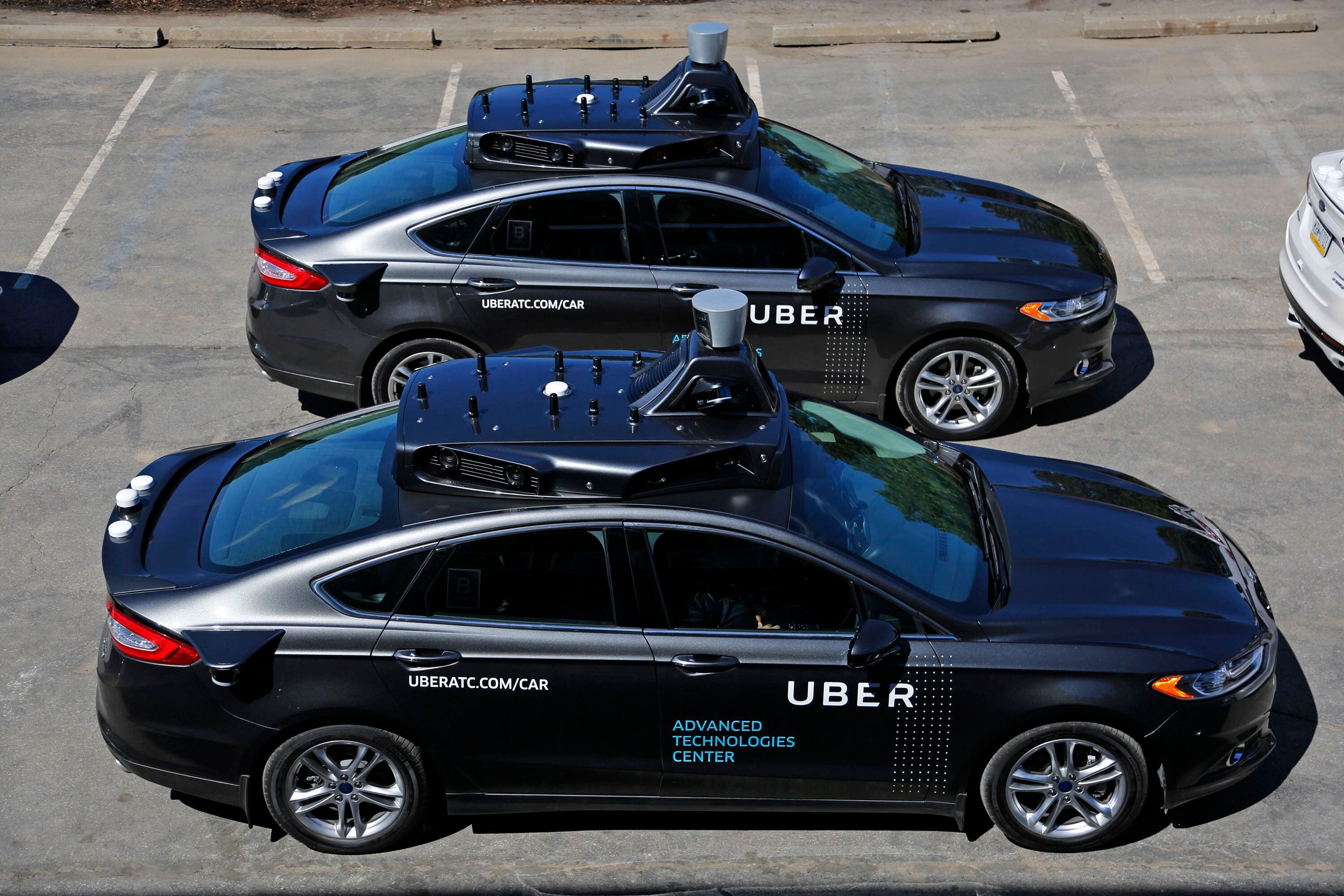
Uber said that its self-driving system was to blame when one of its cars killed a pedestrian in March. But the ride-hailing company is still pushing forward with autonomous technology development, with plans to launch driverless, flying taxis in the next few years. Those will start off piloted, and the company will coordinate with the Federal Aviation Administration to ensure safety, says Nikhil Goel, head of product and advanced programs at Uber.
The giant retailer last year launched Store 8, a tech incubator that will help Walmart innovate and compete in the future, says the founder of Jet.com and Walmart's head of e-commerce.
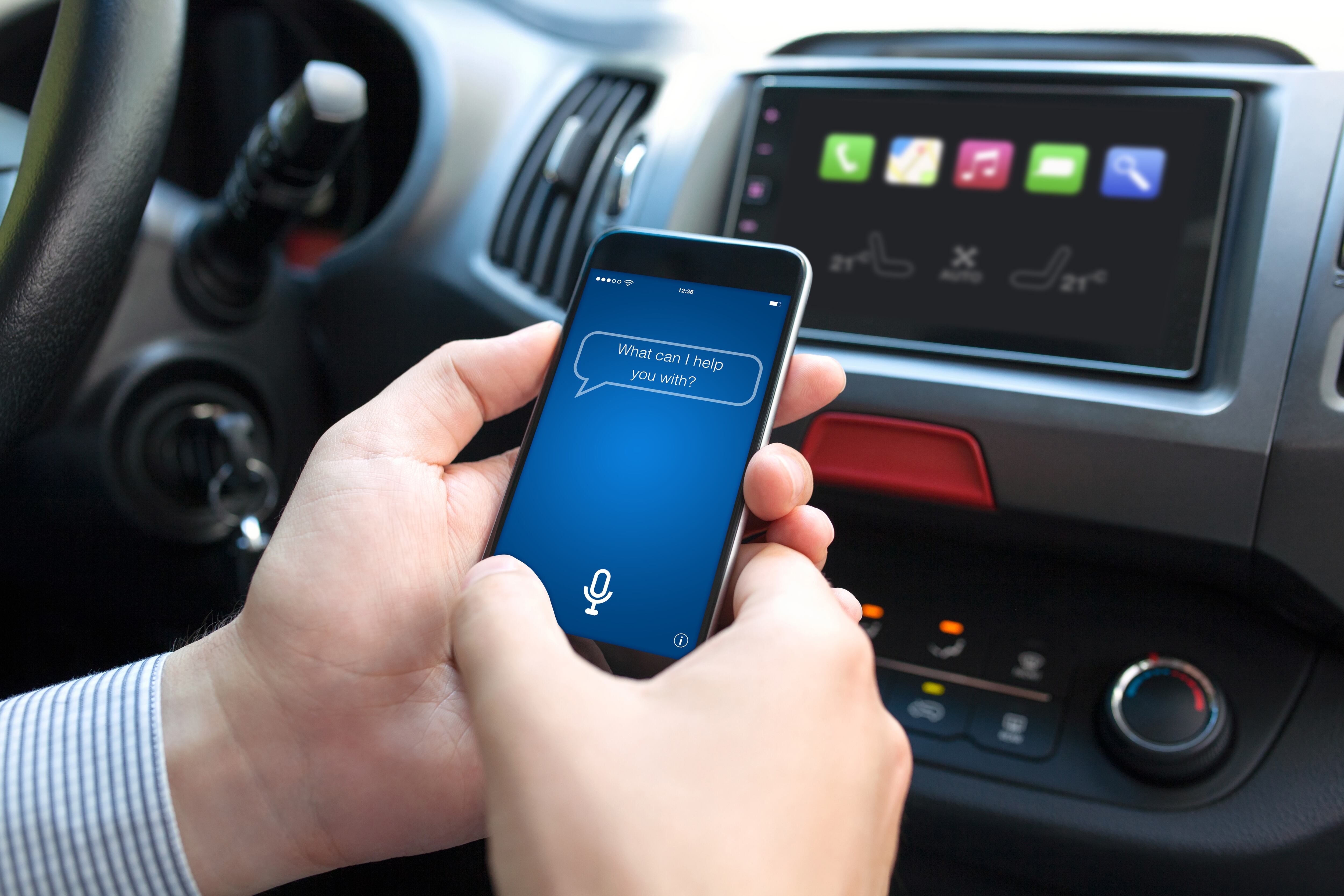
Rob Marvin, associate features editor for PCMag, discusses the biggest announcements from Microsoft's Build conference. Marvin weighs in on Microsoft introducing AI for Accessibility, an integration between its digital assistant Cortana and Amazon Alexa.
When it comes to robots, our threshold for errors is much lower than it is with humans, says Sam Lessin, co-founder of Fin, a digital assistant service that relies on human know-how to book your travel plans, shop online, or even schedule your appointments. To overcome users' skepticism, a virtual assistant must build trust through "repeated success," he says.
The modern customer likes renting clothes because it is environmentally friendly and offers more variety, says Evan Clark, Deputy Managing Editor at WWD. In the future, people will lean in on the idea of "having fewer, better things," he says.
E-commerce today exists primarily for speed and convenience. Jet.com wants to change that. "We really want to bring back the positive emotion that came with shopping all along," says David Echegoyen, the online retailer's chief customer officer.
The social media app said Drew Vollero would resign his position, effective May 15, and be replace by Amazon's Tim Stone, who'd been with the e-commerce giant since 1998.
The modern consumer "wants the right product, at the right time, in the right way,” says Christine Hunsicker, CEO of Gwynnie Bee, a subscription clothing rental service.
Future retail outlets will integrate artificial intelligence, virtual reality, and voice technology. "This idea of going to a 2D kind of screen and punching in, that's not the future," said Marc Lore, Walmart’s U.S. e-commerce president and CEO.