*By Mike Teich*
A sweeping data privacy bill has been approved in California, but it may be too late for internet users to protect their information, said former National Counterterrorism Center officer Dave White.
"You have to consider yourself compromised," he said. "You’ve already given your data away."
Experts are calling it the nation's most far-reaching law to give consumers more control over their personal data. Under the law, customers can request what personal data companies have collected and what third parties have received it.
The passing of the historical bill didn't come without criticism. The ACLU of Northern California said the legislation falls "woefully short" in defending individuals' rights.
"It's a great first step," White said. However, “it doesn’t go far enough."
Companies that collect user data, from Amazon to Microsoft to Uber, lobbied aggressively against the law, pouring millions into a [opposition campaigns](https://www.theverge.com/2018/6/15/17468292/amazon-microsoft-uber-california-consumer-privacy-act).
But consumer advocates called it a milestone victory. "Today was a [huge win](http://money.cnn.com/2018/06/28/technology/california-consumer-privacy-act/index.html) and gives consumer privacy advocates a blueprint for success," James P. Steyer, CEO and founder of Common Sense Media. "We look forward to working together with lawmakers across the nation to ensure robust data privacy protections for all Americans."
For full interview, [click here](https://cheddar.com/videos/california-passes-historic-privacy-bill).
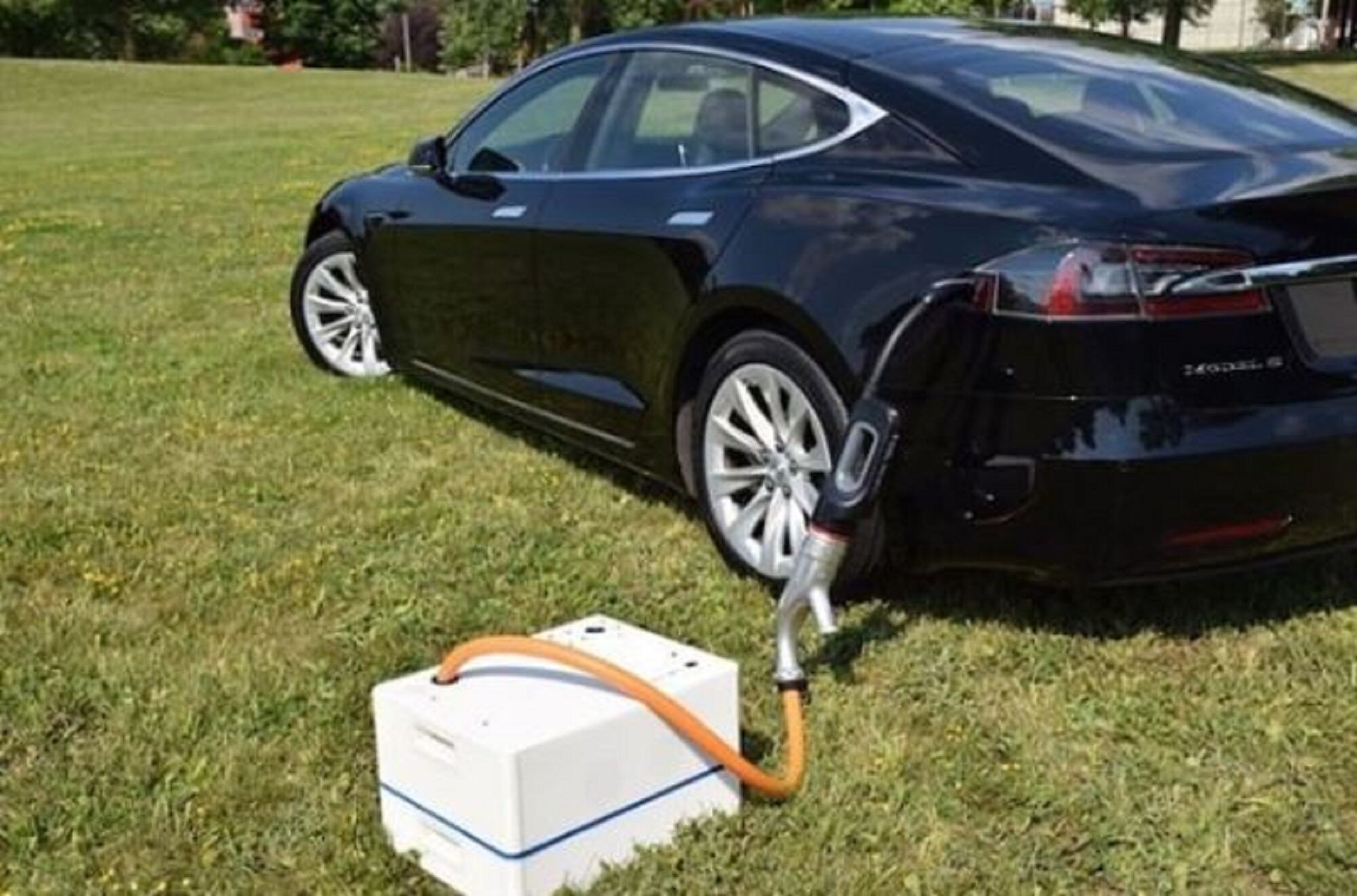
As the electric vehicle movement takes off, SparkCharge is gearing up to save drivers from "range anxiety" with deliverable charging in 2019. "There's this huge gap in the market in terms of alleviating that pain over where, when, how you charge your electric vehicle," SparkCharge CEO Joshua Aviv told Cheddar Wednesday.
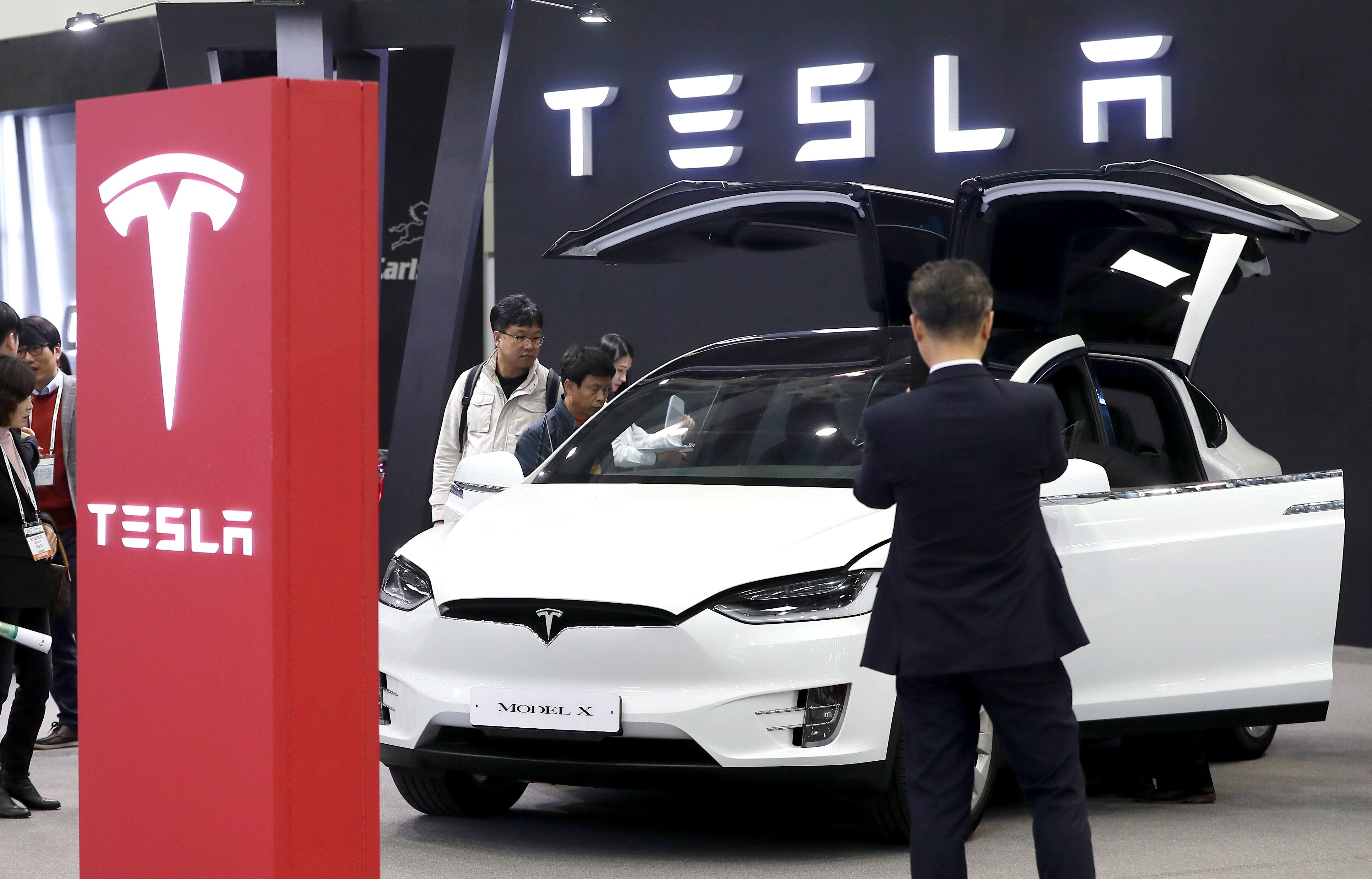
Tesla's latest production miss proves it is no longer a "hyper-growth story," Tesla short Mark Spiegel told Cheddar. Tesla shares tumbled close to 7 percent on Wednesday after the company missed expectations on car deliveries and broadly discounted its vehicles to offset subsidy cuts.
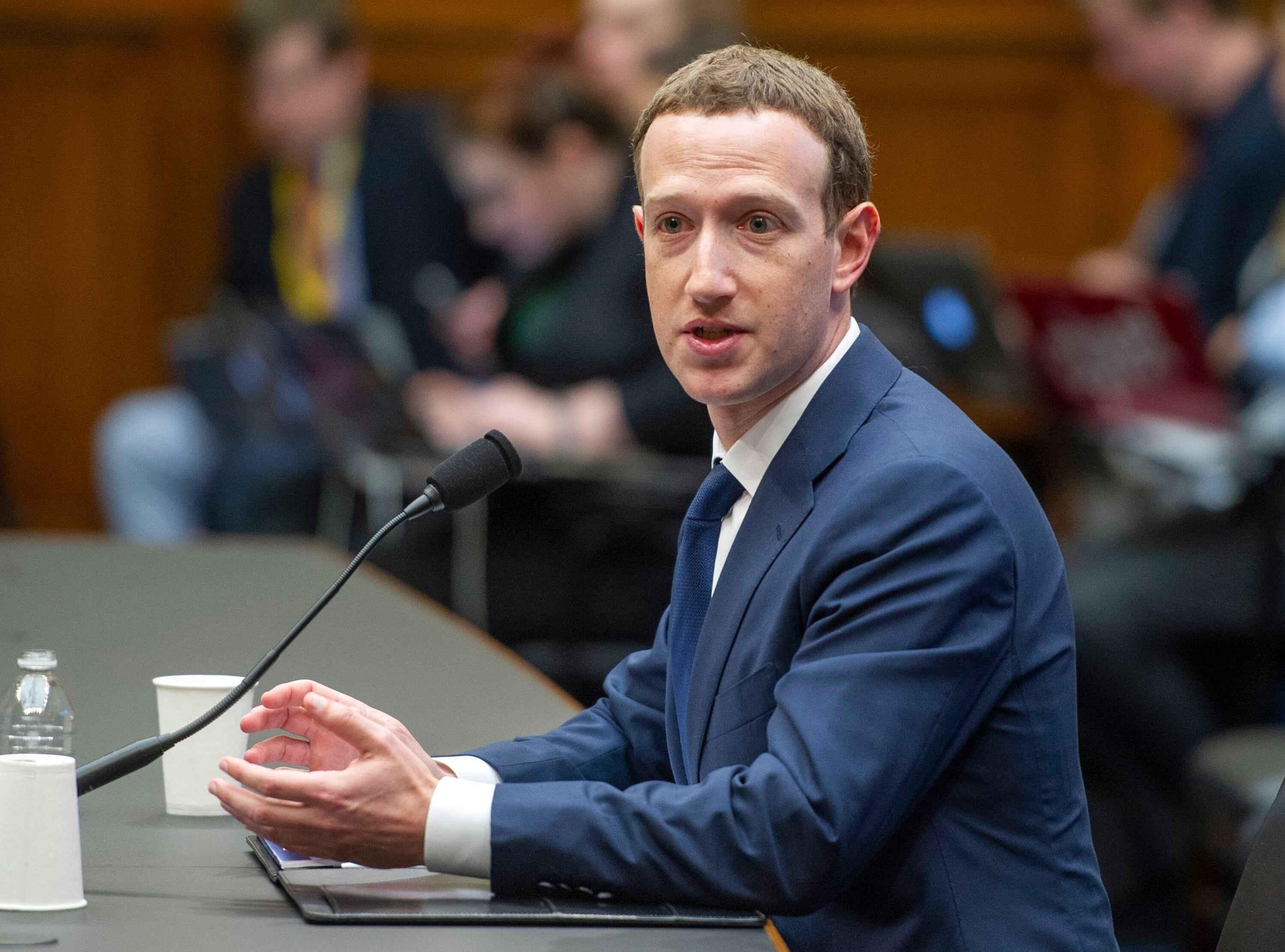
Facebook CEO Mark Zuckerberg's "out of touch" year-end post foreshadows a challenging 2019 for the social media giant, said Mark Douglas, CEO of digital display advertising platform SteelHouse.
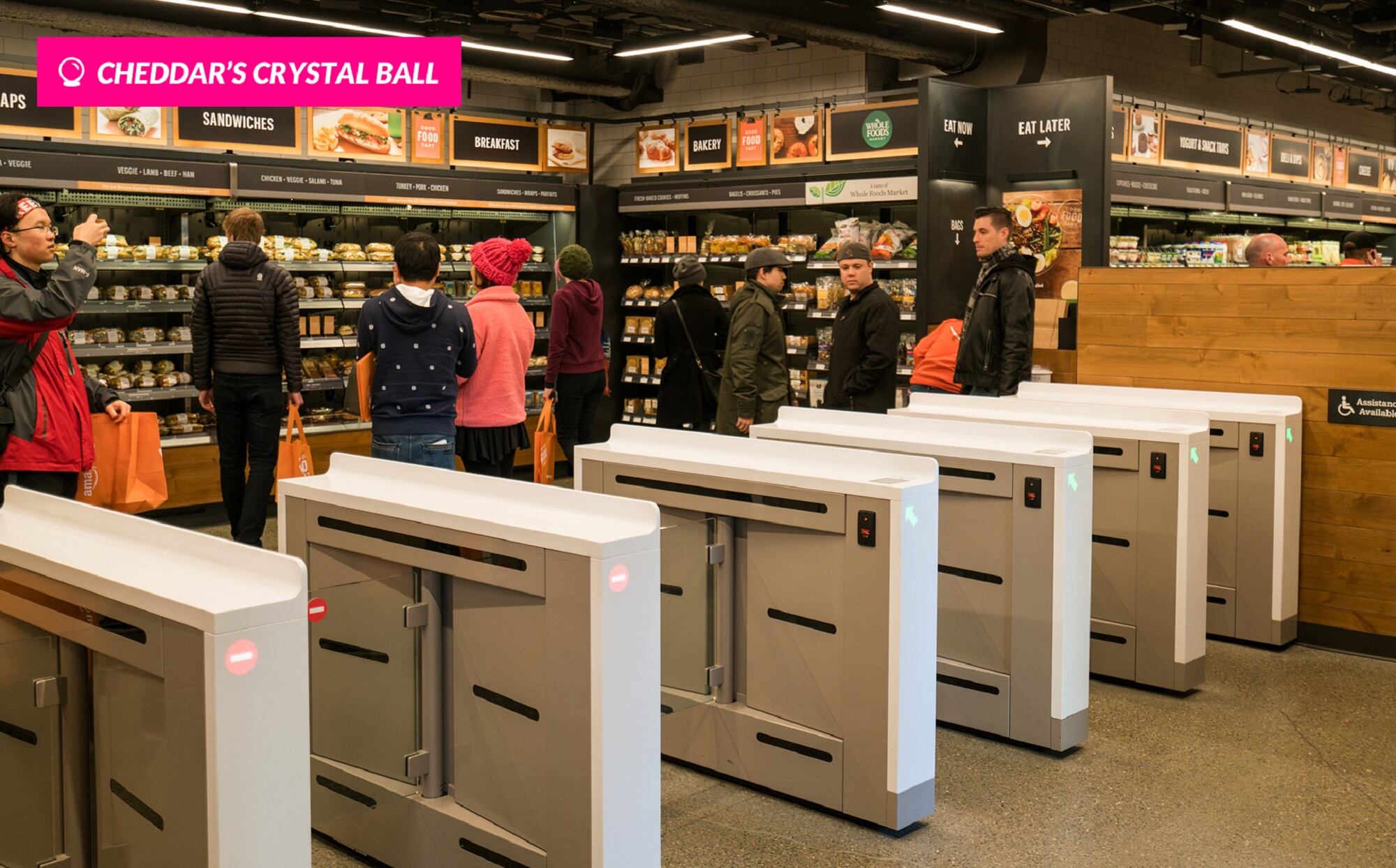
2018 has been transformative for retail: Sears filed for Chapter 11 bankruptcy, Toys “R” Us shuttered its doors, and Amazon entered the U.S. into an extravagant pageant to find a base for its second HQ. As the landscape of shopping changes yet again, 2019 promises another existential moment in retail. We’re forecasting the biggest trends and predicting which fads will get the boot from consumers.
Institutional investors changed the cryptocurrency market in 2018, veering away from their blockchain-not-bitcoin attitudes and trying out strategies for entering the new crypto asset class. Cheddar is gazing into our crystal ball to predict what's ahead for crypto in 2019.
As 2018 comes to an end, Cheddar is picking the year's top winners and biggest triumphs for Cheddar's Hall of Fame.
From Wall Street to Silicon Valley, these are the top stories that moved markets and had investors, business leaders, and entrepreneurs talking this week on Cheddar.
Samsara, one of the hottest tech startups in the freight and logistics space, is raising $100 million in fresh funding, Cheddar has learned. The new round will value the three-year-old startup at about $3.6 billion, or more than double the valuation it achieved through its last round of funding just nine months ago.
As 2018 dwindles, we're reviewing the year's most extravagant fails as part of Cheddar's Hall of Shame.
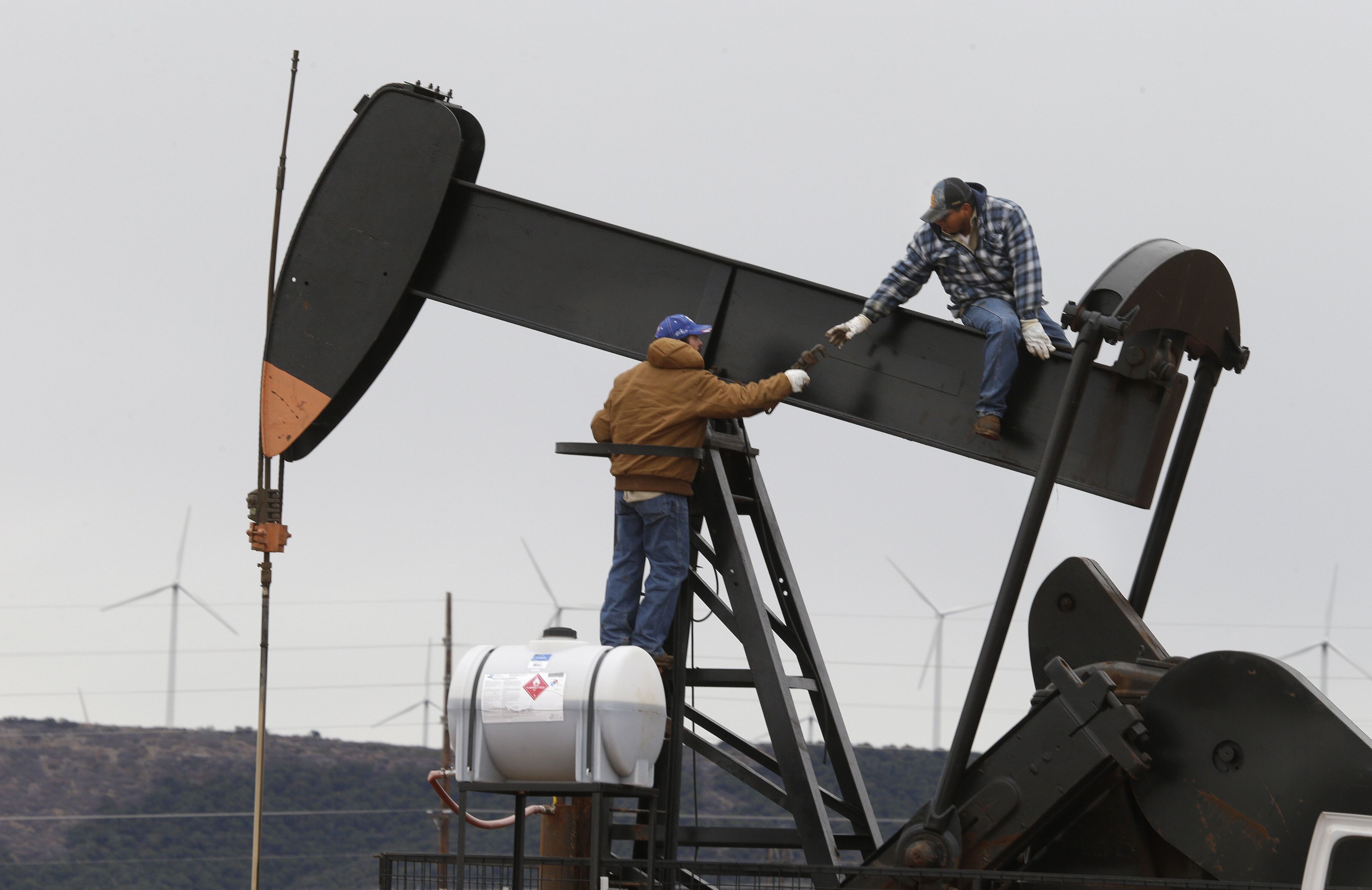
With oil prices nearing 18-month lows, John Hofmeister, former president of Shell Oil, is worried about the negative impact of lower prices. In fact, he says, if prices drop below
$40 a barrel, the cost of production will exceed the revenue it brings. That said, Hofmeister noted that lower oil prices are having a big impact on the consumer. People are driving more, and the impact hits everything from plastics to clothing and air fares.