California’s landmark law to protect user data, the California Consumer Privacy Act, will take effect on Jan. 1. The legislation is meant to protect people’s information as they spend more time online, giving them more knowledge about what data is being collected about them, and where it is being sold and disclosed to.
This is just the tipping point for the largely unregulated social media and online world. As people become more aware of how their online activity is being used, whether it is to target advertising or political messages, they will put more pressure on government officials to protect their personal information. At the same time companies that rely on data for advertising, especially giants like Facebook and Google, will have to work with legislators to comply while growing their businesses.
Teens will become more conscious about the emotional effect of social media
With younger generations relying on mobile phones as their communication conduits, they are more online than any previous generation. About 95 percent of teens have access to a smartphone — and a little under half of them are online on a “near-constant basis” according to a Pew study.
Interesting enough, a quarter of teens told Pew they felt social media had negative effects on their lives. Facebook use itself has been linked to unhappiness, while a University of Pennsylvania study showed that limiting social media use to 30 minutes a day could lead to a decrease in feeling lonely or depressed.
Armed with the knowledge about the positives and negatives of social media, since there is more research than ever before, today’s teens will be more aware of the effects having an Instagram-perfect life could have on their well-being.
TikTok Won’t Stop
Teens still watch about 20 hours of television a week, but they’re also more likely to find their entertainment through other avenues like YouTube. A lot of this content relies on user-generated material, leading to the rise of creator-made shows, and clips and memes becoming the viral watercooler topics of today.
Enter TikTok: An entertainment platform perfect for people with short attention spans but a lot of creative energy. Instead of simple passive comments about the world or mundane facts about your day, TikTok allows people to share performances to help inspire, entertain, or get people talking. For the creators themselves, it’s one way to stand out in a crowded world and know you made a difference thanks to view counts. It’s why the platform is poised to take over in the next decade.
Welcome the era of social commerce
Online retailers have always struggled with getting people to buy things right after they see it online. Shoppers usually see an ad, put it in a digital cart and maybe come back to purchase it later on, if at all.
Thanks to Instagram however, companies are having more success with people purchasing things directly from an ad. As the behavior to click-through advertisements to purchase an item immediately becomes more comment, more ad dollars will flow from traditional brick-and-mortar store marketing to digital advertising inside social feeds. And, as messaging apps become more prominent, a greater number of people will get used to chatting with chatbots to get that customer experience rather than talk to a salesperson in-store.
Next-generation gaming ecosystem Joystick recently raised $8 million in a seed round and is in the process of raising a $110 million Series A funding round. Gaming ecosystems are a relatively new type of platform in the Web3 space, allowing users to maximize their play-to-earn gaming opportunities, exchange crypto-currencies, and sell their digital assets. Joystick says its platform is flipping the current model on its head by giving players the opportunity to keep 100% of the revenue they earn. Robin Defay, co-founder and CEO of Joystick, and Michael Le, co-founder of Joystick and TikTok content creator, join Cheddar News' Closing Bell to discuss.
Abe Stein, Head of Innovation at Sports Innovation Lab, joins Cheddar News' Closing Bell, where he explains why the top four spots on his company's 2022 list are European soccer clubs and discusses Sports Innovation Lab's plan to publish data on women's pro sports teams in the not-too-distant future.
Joel Birch, Co-Founder and CEO of Stacked, joins Cheddar News' Closing Bell, where he explains why he doesn't see any new catalysts that would lead to a Bitcoin rally at the moment. He also reiterates that now is a good time for long-term Bitcoin investors to buy low.
The dating app Bumble has sponsored bills and pushed lawmakers to criminalize the online practice of sending unsolicited nudes or “cyberflashing." Payton Iheme, Bumble's head of public policy for the Americas, joined Cheddar News to discuss why the app was going after the harassing behavior beyond its own platform. "Now, while we went to work internally in the company, and we created something called private detector to automatically blur those images so the user can decide if they want to see them, there's nothing for the rest of the internet," she said. "And so that's why we went to work with these laws."
The holiday weekend saw Disney+ and Netflix competing head-to-head for streaming views as the Disney behemoth kicked off the unofficial start to summer with its release of "Obi-Wan Kenobi" and Netflix responded with the first part of "Stranger Things" Season 4. The streaming giants caught the eye of Wall Street, and Seth Schachner, the managing director at consultancy Strat Americas, joined Cheddar News to break down the heavy hitters. "This is a very tough, competitive game, and I don't see it getting any easier," he said. "I think you'll probably see more consolidation."
Amid high inflation, shoppers are pinching their pennies in the grocery stores and becoming more frugal when food shopping. However, supermarkets like Kroger are pushing back against passing on the higher costs and demanding reasons for the higher food prices from suppliers.
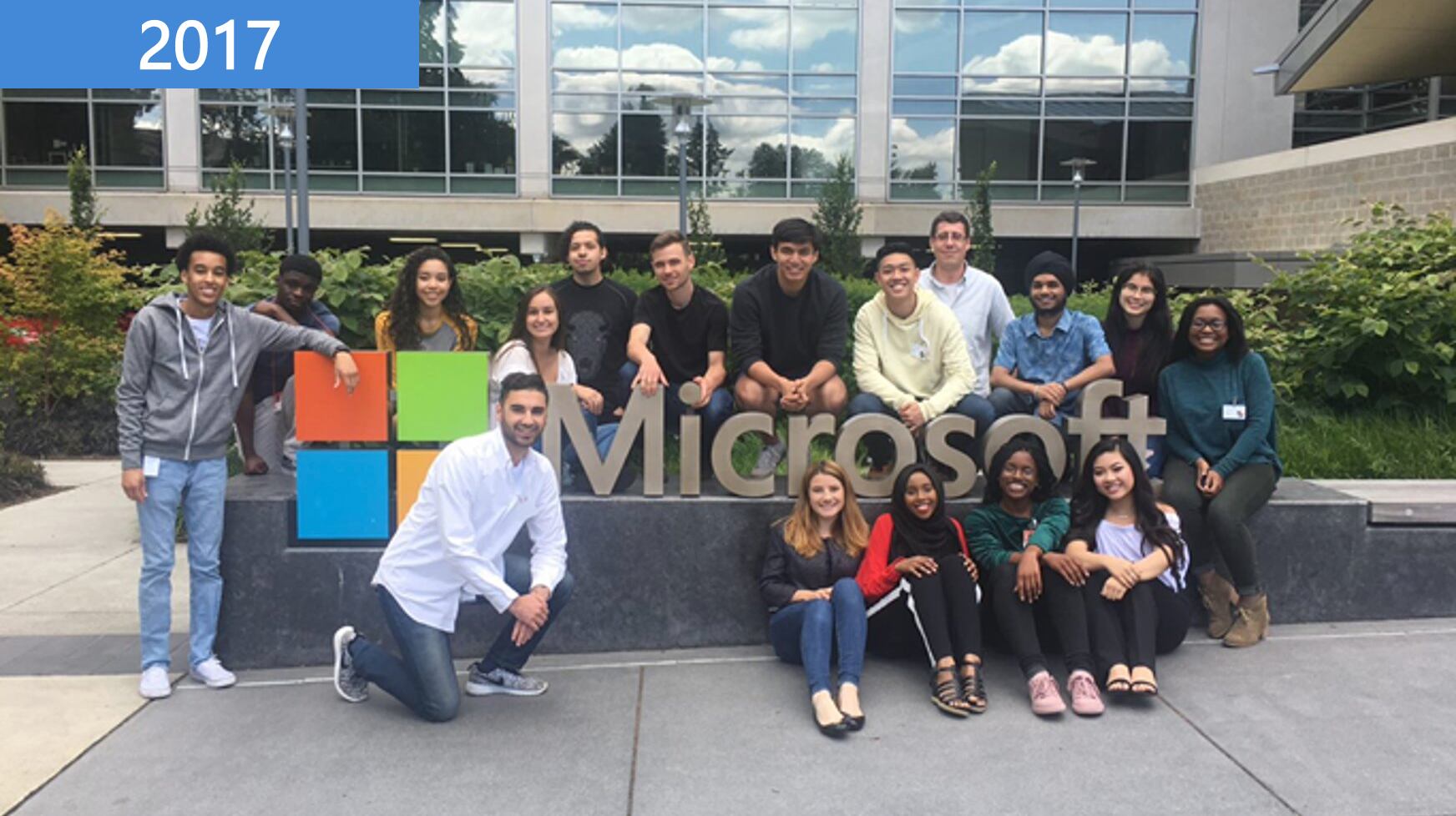
The founder and president of Cyborg Mobile Kobie Hatcher has been on a strong trajectory to disrupt his industry with a program called The New Technologists. It's not only meant to address the diversity gap within large tech companies but also help pave the way to transform the lives of young BIPOC students. He joined Cheddar News to talk about how he's working to make a difference with the lack of diversity in tech. “There's truly no lack of talent out there. It's just identifying them and letting them know that, hey, I've been in the tech sector for over 20 years. I see you. I know what you can bring, bring it, we need it," Hatcher said.