Heavily protected crews in Washington state worked Saturday to destroy the first nest of so-called murder hornets discovered in the United States.
The state Agriculture Department had spent weeks searching, trapping, and using dental floss to tie tracking devices to Asian giant hornets, which can deliver painful stings to people and spit venom but are the biggest threat to honeybees that farmers depend on to pollinate crops.
The nest found in the city of Blaine near the Canadian border is about the size of a basketball and contained an estimated 100 to 200 hornets, according to scientists who announced the find Friday.
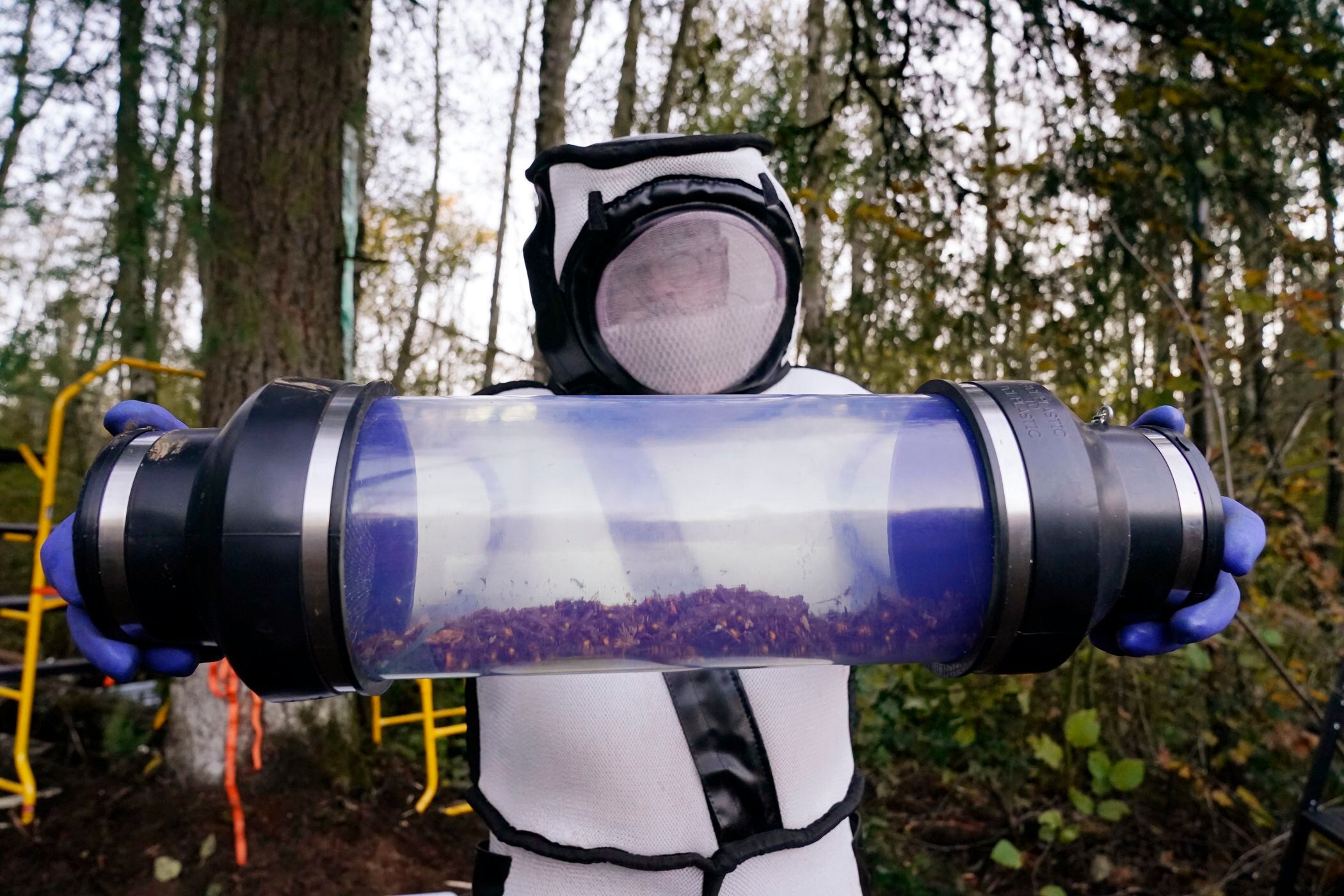
Crews wearing thick protective suits vacuumed the invasive insects from the cavity of a tree into large canisters Saturday. The suits prevent the hornets' 6-millimeter-long stingers from hurting workers, who also wore face shields because the trapped hornets can spit a painful venom into their eyes.
The tree will be cut down to extract newborn hornets and learn if any queens have left the hive already, scientists said. Officials suspect more nests may be in the area and will keep searching. A news briefing was planned Monday on the status of the nest.
Despite their nickname and the hype that has stirred fears in an already bleak year, the world’s largest hornets kill at most a few dozen people a year in Asian countries, and experts say it is probably far less. Meanwhile, hornets, wasps, and bees typically found in the United States kill an average of 62 people a year, the Centers for Disease Control and Prevention has said.
The real threat from Asian giant hornets — which are 2 inches (5 centimeters) long — is their devastating attacks on honeybees, which are already under siege from problems like mites, diseases, pesticides, and loss of food.
The invasive insect is normally found in China, Japan, Thailand, South Korea, Vietnam, and other Asian countries. Washington state and the Canadian province of British Columbia are the only places the hornets have been found on the continent.
The nest was found after the state Agriculture Department trapped some hornets this week and used dental floss to attach radio trackers to some of them.
Weak economic data from China and the ongoing government shutdown appeared to drag down the major U.S. indexes on Monday morning. SpaceX is slashing its workforce by 10 percent in an effort to become "leaner." Plus, we sit down with Emmy-award winning actor and producer Yeardley Smith who is most famous for voicing the iconic cartoon character, Lisa Simpson.
Cheddar's Hope King looks back at her first trip to the Consumer Electronics Show in Las Vegas.
There seem to be endless options when it comes to diet plans, new workouts, and high-tech help. But could too many options be a bad things? A new study by Jenny Craig looks at how all those choices can lead to misinformation. The company's CEO Monty Sharma talked to Cheddar about the best ways to get healthy.
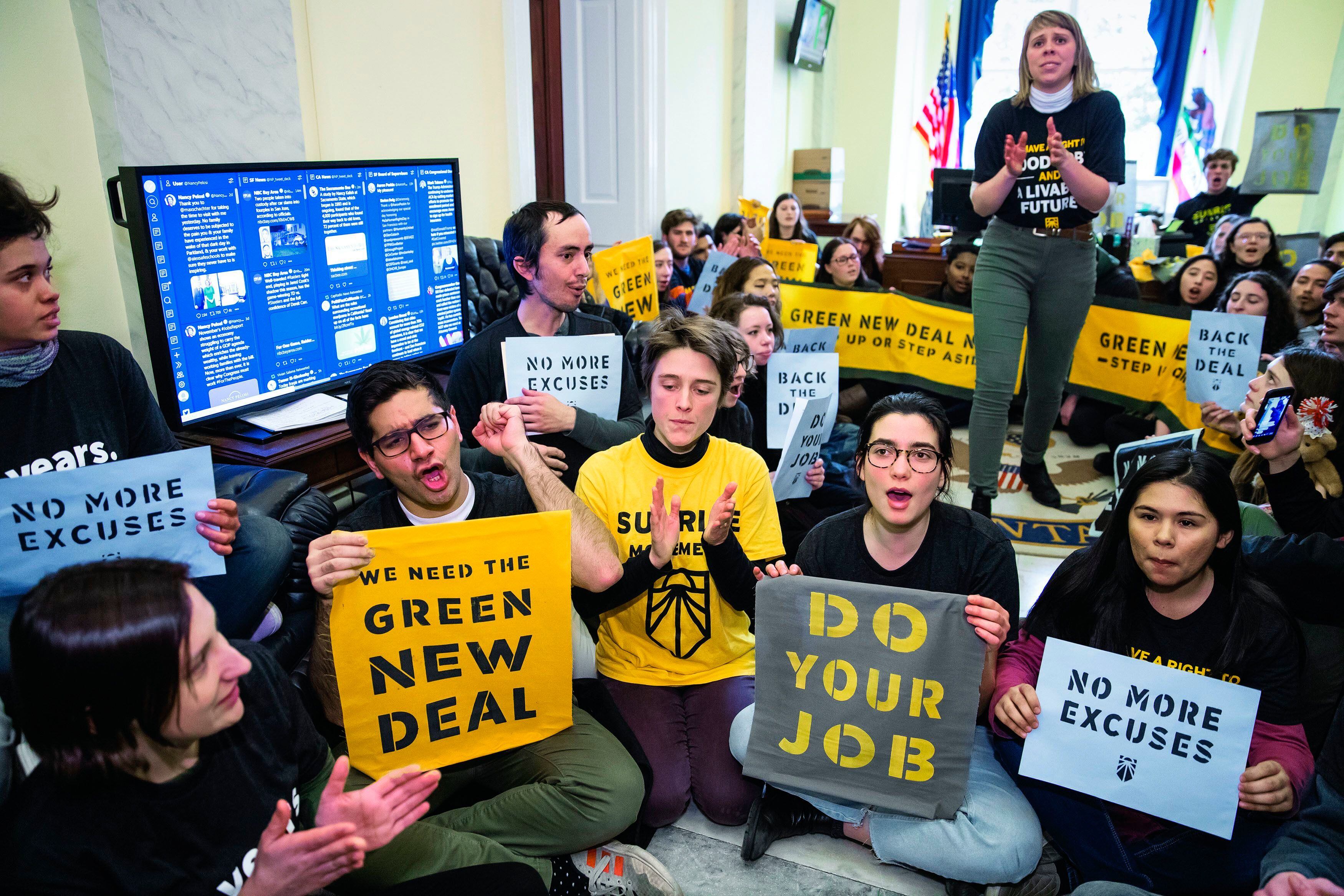
The Democratic Party establishment still have a chance to embrace the Green New Deal ー and their success in upcoming elections might just depend on it, Justice Democrats Communications Director Waleed Shahid told Cheddar on Monday.
These are the headlines you Need 2 Know for Wednesday, Jan. 2, 2019.
The salad chain known for its reusable bowl program is doubling down on its ambitions for a green 2019. As part of its efforts, Just Salad has appointed Janani Lee as its new chief sustainability officer. She'll lead sustainability initiatives at the salad, sandwich, and smoothie company, which means everything from front-of-house and back-of-house composting projects to ingredient tracking that can help prevent food-borne illnesses.
This year marked the first voyage for Cheddar's weekly series Cheddar Rides, covering the changes happening in transportation and the future of getting from here to there. To celebrate the last episode of its inaugural year, Rides is looking at the road ahead.
If you’re looking to make a move in 2019, you could do worse than some of the cities below. Each one is using technology ー IoT, machine learning, data analysis, autonomy, A.I. ー to remake the way its citizens interact with their surroundings. But a smart city is more than just innovative technology, as Mike Barlow and Cornelia Levy-Bencheton, authors of "Smart Cities, Smart Future," told Cheddar. It's about improving lives in concrete, everyday ways.
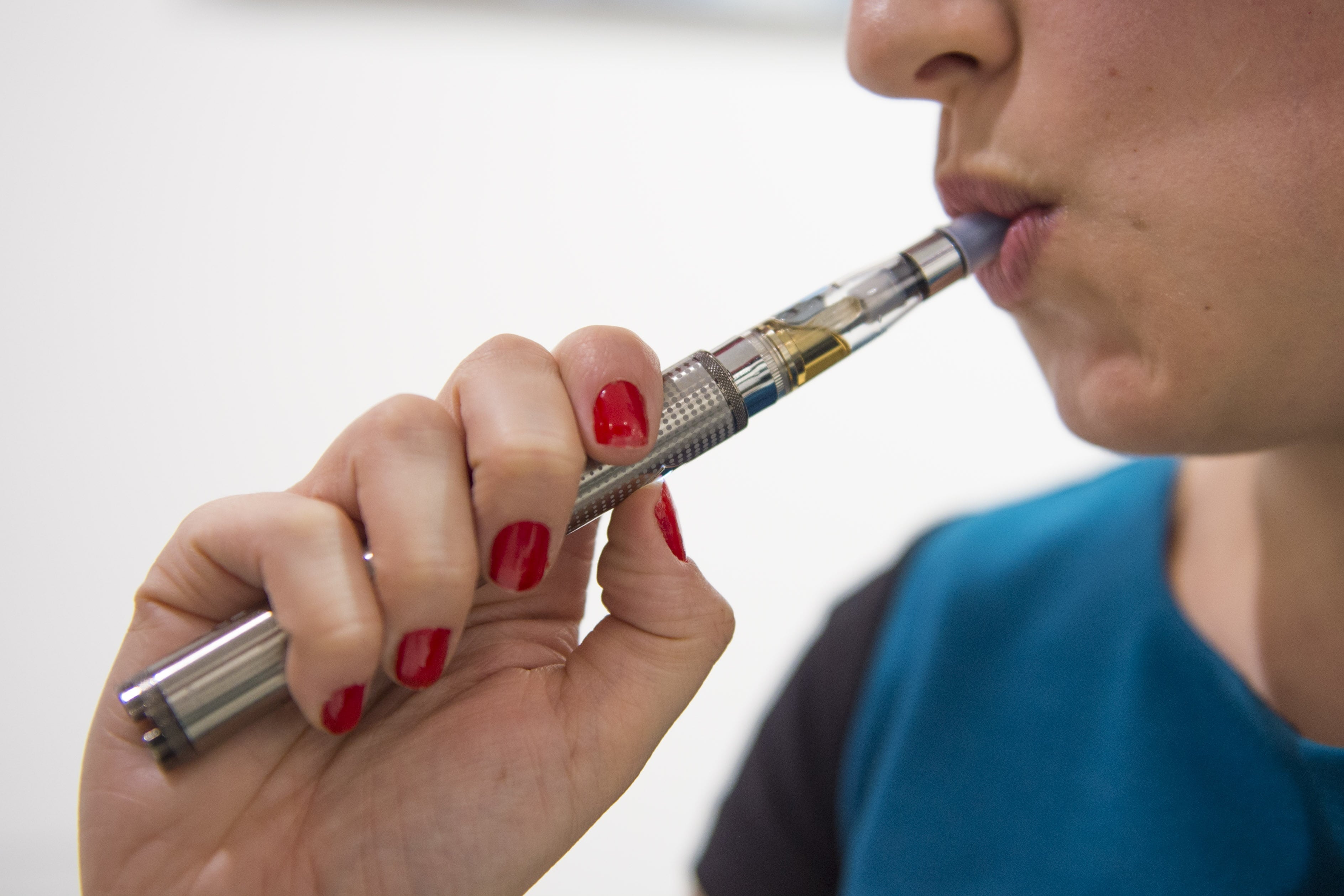
A study released on Monday found a dramatic increase in vaping among teenagers ー after a second study found that the increasingly popular habit comes with not-insignificant health risks. "Vaping appears to be less harmful than smoking, but then again smoking kills half of the people who do it long-term. So, again, it's a low bar to be safer than smoking," Rachel Becker, a reporter with the Verge, told Cheddar on Monday.
2018 was a year of serious advancement in tech. It brought us more driver-less cars, Bitcoin adoption, and more A.I. But as the year dwindles, we're looking to the future, not the past. As we gaze into Cheddar's Crystal Ball, here are our top five picks for the technology that is most likely to advance even further in 2019.