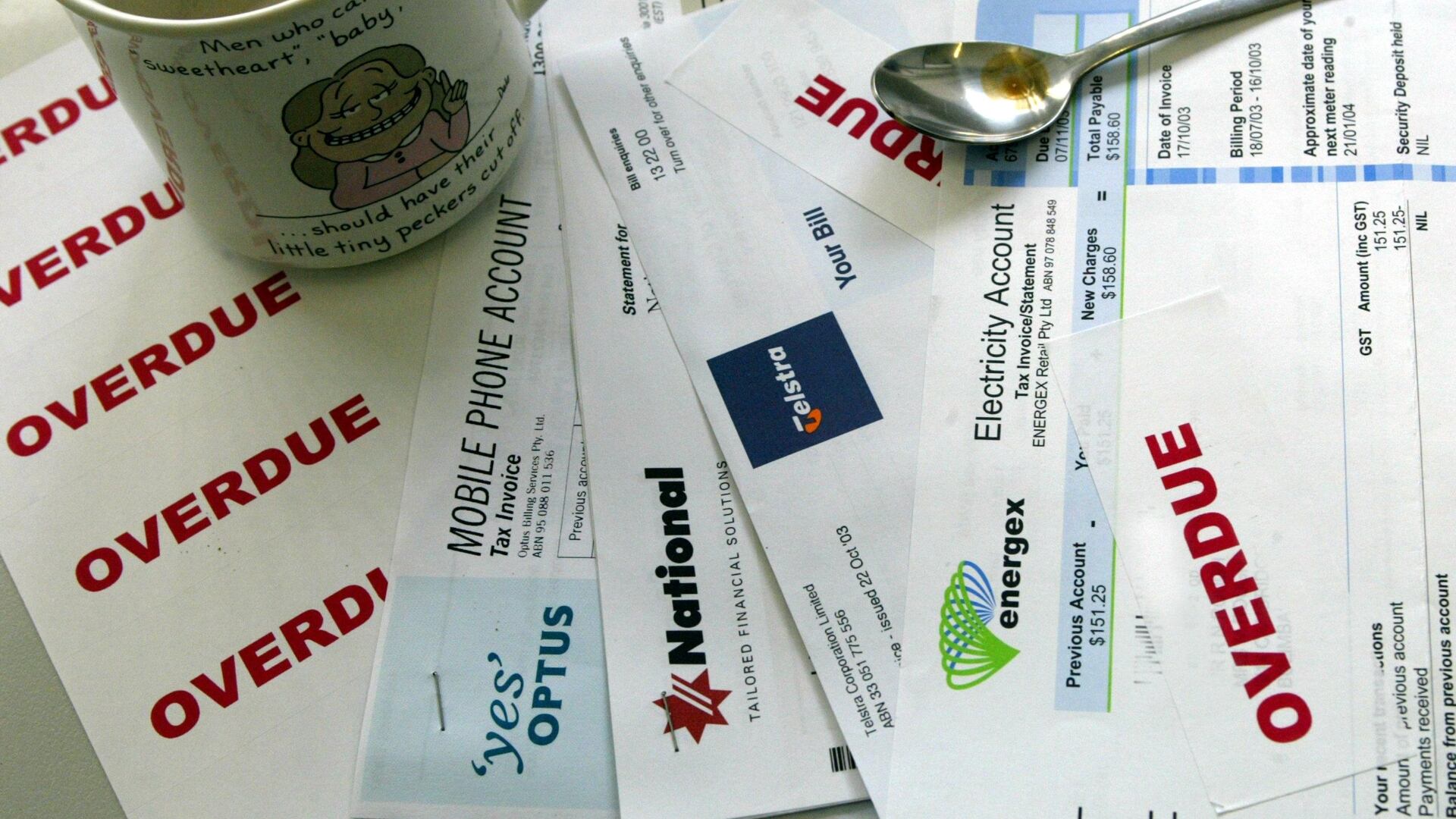
A worrisome bout of inflation struck the economy in April, with U.S. consumer prices for goods and services surging 0.8%, the largest monthly jump in more than a decade, and the year-over-year increase reaching its fastest rate since 2008.
The acceleration in prices, which has been building for months, has unsettled financial markets and raised concerns that it could weaken the economic recovery from the pandemic recession.
Wednesday's report from the Labor Department showed sharply higher prices for everything from food and clothes to housing. A 10% surge in the prices of used cars and trucks — a record jump — accounted for roughly one-third of last month's increases. Prices for vehicles, both used and new, have been soaring as a result of a computer chip shortage that has slowed auto production and reduced dealer supplies.
Over the past 12 months, consumer prices have jumped 4.2% — the fastest rise since a 4.9% gain in the 12 months that ended in September 2008. Excluding volatile food and energy, core inflation rose 0.9% in April and 3% over the past 12 months.
After years of dormant inflation, with the Federal Reserve struggling to increase it, worries about rising prices have shot to the top of economic concerns. Shortages of goods and parts related to disrupted supply chains have been a key factor.
The Fed, led by Chair Jerome Powell, has repeatedly expressed its belief that inflation will prove temporary as supply bottlenecks are unclogged and parts and goods flow normally again. But some economists have expressed concern that as the economic recovery accelerates, fueled by rising demand from consumers spending freely again, so will inflation.
“It looks like inflation pressures are not only building but are likely to be here at least through the rest of the year,” said Joel Naroff, chief economist at Naroff Economic Advisors. “With growth robust, firms have a measure of pricing power tat they haven't had in decades, and they appear to be using it.”
Investors, too, have grown increasingly jittery. On Tuesday, the Dow Jones Industrial Average sank more than 470 points — 1.4% — its worst day since Feb. 26.
Wednesday's inflation report showed that food prices rose 0.4%, the biggest such increase since a 0.5% rise last June. Energy costs, though, edged down 0.1%, with gasoline pump prices falling 1.4%, the biggest drop since May 2020.
Last month, Powell suggested at a news conference that Fed officials expect inflation to move above its 2% annual target over the next few months. The Fed has said it will allow prices to rise slightly above 2% for a period of time to make up for the past decade's shortfalls in inflation.
Powell has said that as long as the increase in inflation doesn't appear to be hurting consumer and business expectations about price increases, the central bank would be willing to let prices rise without acting to raise interest rates. That view has been supported by comments from other Fed officials including Lael Brainard, a board member who warned Tuesday against a premature Fed tightening that could harm the economy.
Peter Andersen, CIO at Andersen Capital Management, joins Cheddar News' Closing Bell, where he breaks down Monday's trading action and discusses whether this could be the start of a new rally or a blip in an otherwise disappointing stretch.
The crypto industry is still reeling from Terra's recent crash. The company's blockchain was temporarily halted earlier this month after the collapse of its cryptocurrency Luna (LUNA) and its stablecoin TerraUSD (UST), which led to almost $45 billion being wiped from the tokens' market caps within a week. Now, many are left wondering what Terra's struggles mean for the broader crypto market. Reeve Collins, CEO of the NFT platform BLOCKv, joins Cheddar News' Closing Bell from Davos 2022 to discuss.
China's largest ride-hailing company will no longer be listed on the world's largest stock exchange. Didi shareholders voted on Monday to delist from the New York Stock Exchange, less than a year after launching a $4.4 billion IPO with the most significant U.S. share offering by a Chinese company since Alibaba debuted in 2014. Since going public in June of last year, around $70 billion has been wiped from Didi's market value and shares of the company have dropped nearly 90%. Now, Didi is expected to begin preparations to list in Hong Kong. Kevin T. Carter, founder and Chief Investment Officer of EMQQ Global, joins Cheddar News' Closing Bell to discuss.
Ahead of the Meta shareholder meeting, more than five hundred doctors have jointly sent a letter to investors to hold the Facebook parent accountable for the risks its platforms have posed to the public and mental health. Dr. Rob Davidson, a West Michigan ER physician and executive director of the Committee to Protect Health Care, joined Cheddar News to discuss how medical professionals are coming together to highlight the social media giant's spread of misinformation, especially during the pandemic. "We've seen the direct impacts of misinformation and disinformation that spreads like wildfire on the social media platforms," he said. "Our goal with this letter is to try to get the shareholders of Meta to convince leadership that they need to do a better job."
Snap downgraded its earnings and revenue expectations for the second quarter, saying the "macroeconomic environment" has deteriorated faster than the company anticipated. The warning sent shockwaves through the digital ad industry, dragging down a handful of other tech stocks, including Pinterest, Meta, and Twitter. Daniel Cobb, CEO and Chief Strategy Officer of Daniel Brian Advertising, joined Cheddar to discuss the reason behind this warning, and why it's bringing so many social media stocks down.
Pamela Rucker, CIO Advisor and Instructor for Harvard Professional Development, joins Cheddar to discuss how perceptions of Environmental, Social, and Governance–or ESG–changed over the past couple of years, and how using machine learning and artificial intelligence could pave the way to a more sustainable future.
Bob Lockett, Chief Diversity & Talent Officer, ADP, joins Cheddar to break down why offering more flexibility at work is a top way to retain talent at work, and how strong DEI policies help encourage employee loyalty.