President Trump significantly escalated his enduring feud with California this week after revoking a federal waiver that allows the state to set its own emissions standards. In a resolute response, California said it is set to launch a major legal challenge — one that will surely be lengthy and have broad implications on the way the U.S. confronts the climate crisis and on state's rights.
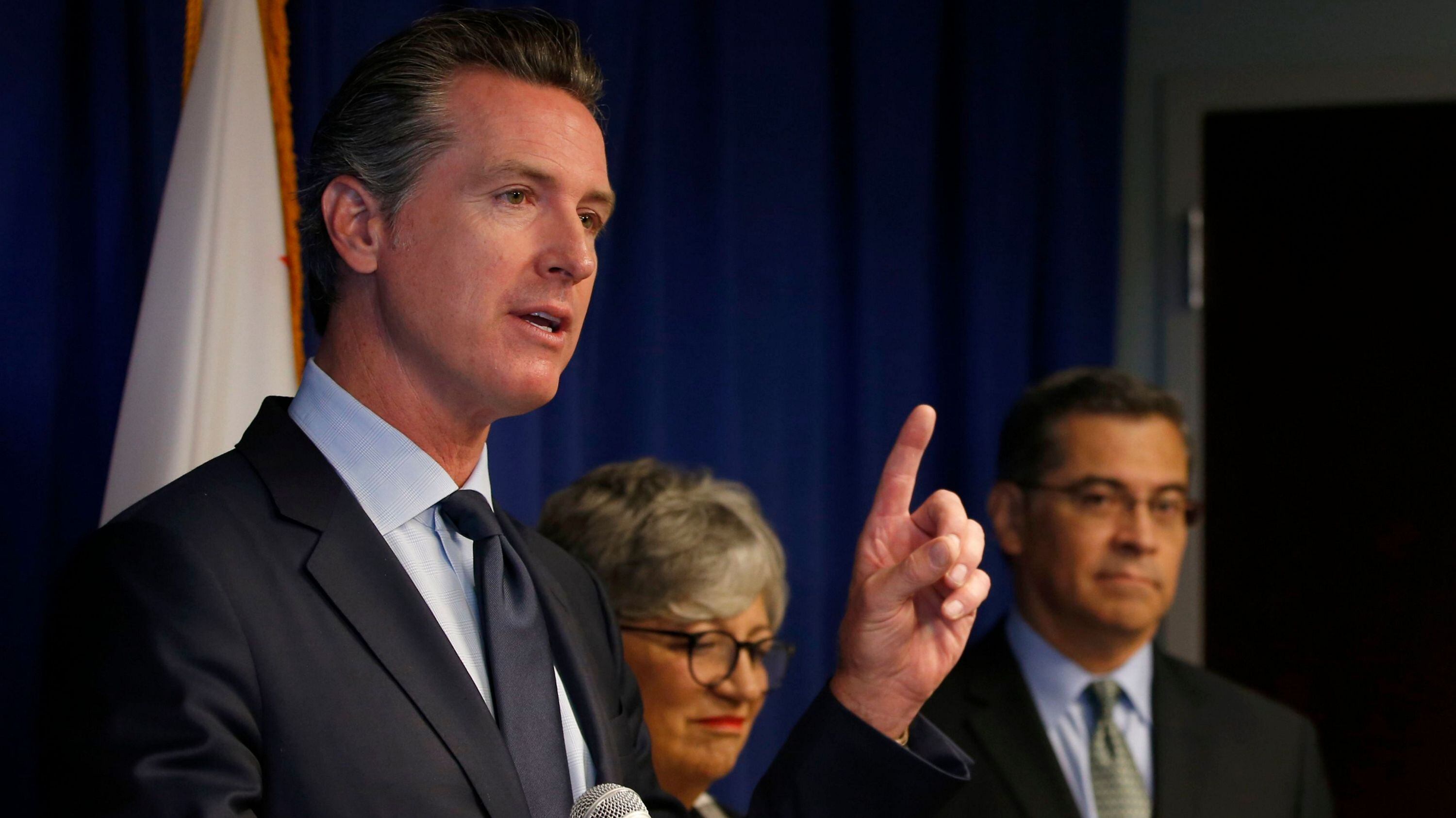
Revoking the waiver "could have devastating consequences for our kids' health and the air we breathe, if California were to roll over," California Gov. Gavin Newsom said in a statement. "But we will not – we will fight this latest attempt and defend our clean car standards."
The waiver in question dates back to the 1960s — when California was confronting a dangerous smog crisis in Los Angeles — and permits the state to implement stricter auto emission standards than what the federal government puts forward under the Clean Air Act. The policy has allowed California, which has by far the largest state economy in the nation, to become a driver of auto market trends and a leader in combating air pollution.
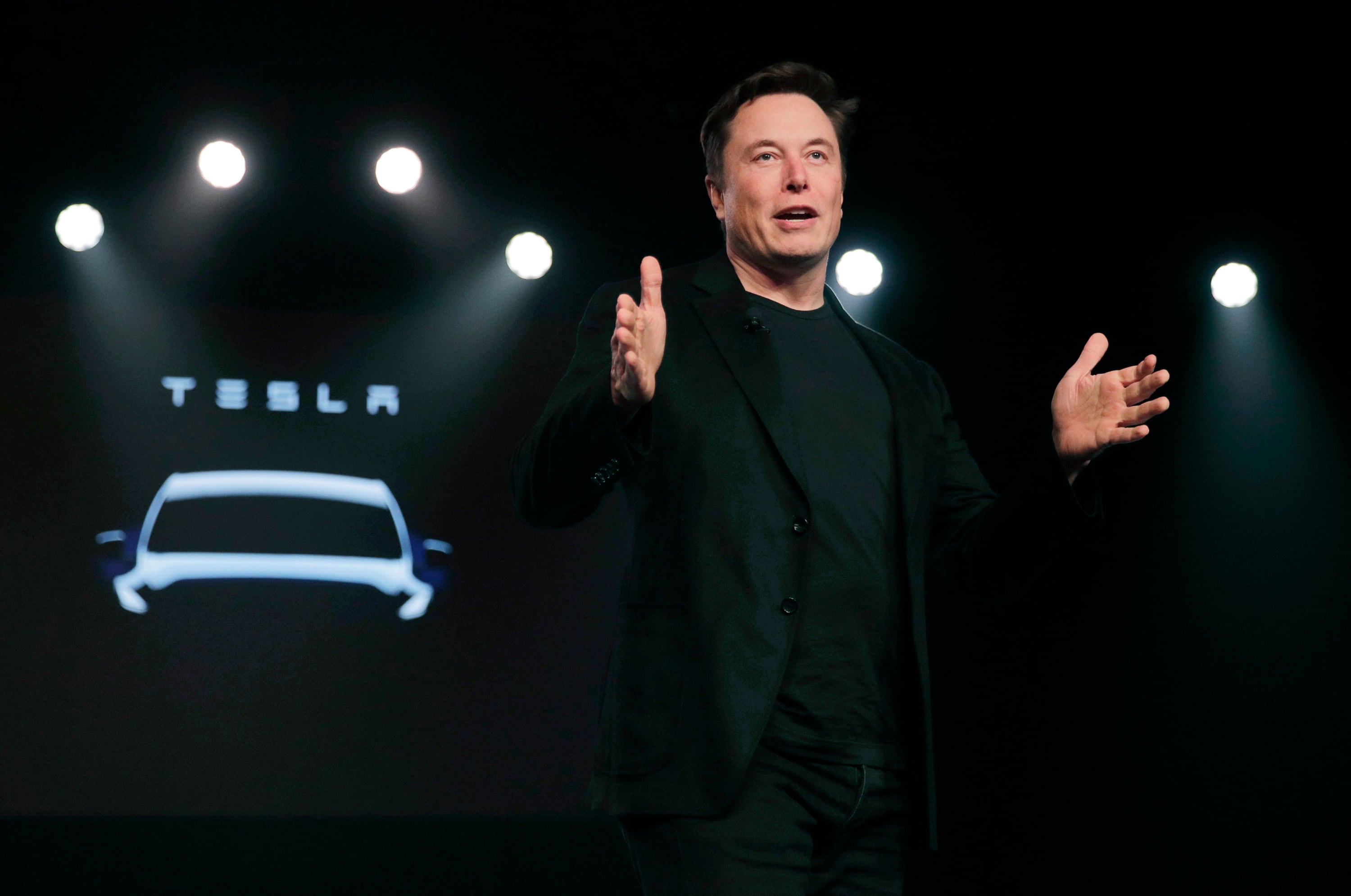
Trump first confirmed the revocation on Wednesday, saying in a tweet that rescinding the waiver will allow automakers to produce cheaper cars and that, in turn, will push consumers to replace old vehicles with new inexpensive, safer, and more environmentally-friendly cars. "Many more cars will be produced under the new and uniform standard, meaning significantly more JOBS, JOBS, JOBS!" he added.
On Thursday, the administration formally announced the policy — called the One National Program Rule — which falls under the 2018 Safer, Affordable, Fuel-Efficient (SAFE) Vehicles Rule that rolled back stricter emission standards put in place under President Obama. Andrew Wheeler, the administrator of the Environmental Protection Agency (EPA), said that the move is essential to provide "regulatory certainty" for car makers and will "save lives and promote economic growth" by lowering the cost of new vehicles.
"Unlike the Trump Administration, we won't run scared from global warming … And when you endanger our people, our economy, or our planet, we rise with the full force of the law behind us," Xavier Becerra, California's attorney general, said in a statement. He added that California can't afford to return to the "days of dirty air and unregulated emissions," and that the forthcoming legal fight is an issue of survival.
The court battle will also have implications nationwide as already over a dozen states have matched California's standards and several car manufacturers — Ford, Honda, Volkswagen, and BMW — have agreed to adhere to the state's regulations. The automaker's deal with the California Air Resources Board (CARB), which essentially bucked the White House's emission standards rollback, was slammed by Trump who called the auto executives "foolish" and "politically correct."
"For the first time in its 50-year history, the U.S. Environmental Protection Agency is trying to stop states from taking reasonable actions to cut smog," said CARB Chair Mary D. Nichols. "Shame on the Trump Administration for putting the health of millions of its citizens at risk for absolutely no reason."
Critics also argue that weakening emissions standards will not only hurt the environment, but will stifle innovation and actually increase costs for consumers. A study released last month from Consumer Reports found that Trump's SAFE Rule rollback would increase the oil consumption of cars produced in the next 15 years by 320 billion gallons, which would cost consumers an additional $460 billion. Maintaining the Obama-era standards through 2025 model year cars, the report found, would save Americans a total of $660 billion through fuel-efficient advancements.
Trump, meanwhile, claimed that California's stricter standards would bankrupt car companies.
"If the Trump administration gets its way, it will force drivers to needlessly burn up billions of gallons of gasoline, increasing the danger of climate change and weakening the American auto industry," said Ken Kimmell, president of the Union of Concerned Scientists, a nonprofit science advocacy group. "This move doesn't just defy the plain language of the law; it slams the brakes on technological advancement and throws a wrench into states' ability to deal with air pollution and confront the growing risk of climate change."
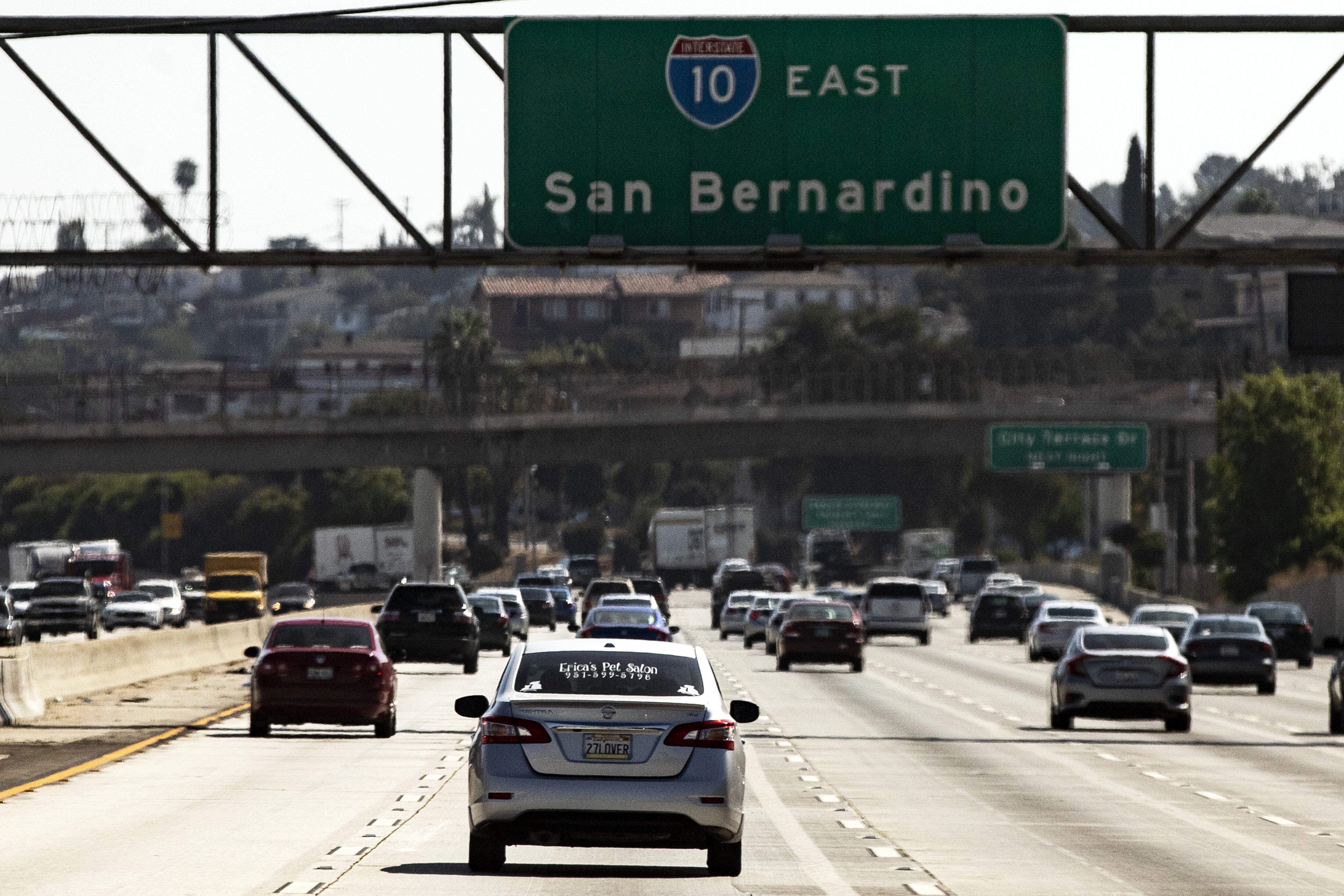
In a joint statement, the EPA and the National Highway Traffic Safety Administration (NHTSA) said that the move to heel California is also aimed at affirming the ascendancy of federal law. Secretary of Transportation Elaine Chao added that the revocation ensures that "no state has the authority to opt out of the nation's rules" and that no state, no matter how big, can influence policy over other jurisdictions.
Opponents, however, note the particular irony of the Republican party — a historically staunch proponent of state's rights — seeking to strengthen federal primacy. "To those who claim to support states' rights – don't trample on ours," Attorney General Becerra said.
California's coming legal challenge is supported by the state's top political leaders, including Sen. Dianne Feinstein and Rep. Nancy Pelosi, the House Speaker. Pelosi called the move an "outrageous, partisan assault" on her home state and an example of Trump's "toxic special interest agenda" and big donor priorities.
"Consumers don't want this change. Car companies don't want this change," Feinstein added. "It appears the only reason the administration is doing this is to punish California for its forward-thinking and effective environmental agenda."
The Golden State is also fighting the Trump administration's revocation in Congress. Earlier this year, Rep. Doris Matsui of Sacramento introduced the Clean and Efficient Cars Act of 2019, H.R. 978, which would legislatively enshrine California's waivers and reverse the White House's emissions rollbacks. "Make no mistake; the California waiver creates jobs, saves consumers money at the pump, and keeps families healthier," Matsui said.