But First, Coffee: How Alfred Is Changing the Café Business
*By Carlo Versano*
In 2013, Joshua Zad founded Alfred with an odd business plan for a coffee shop: the coffee would come second.
Zad, also the company's CEO, told Cheddar that his idea for an experiential, design-focused coffee house ー which is now right on trend ー was far outside the mainstream just a few years ago.
Borrowing from his background in commercial real estate, Zad took a "real estate perspective first" ー finding neglected neighborhoods or storefronts near popular destinations ー and set up shops with a "worn-in" and "cozy" look and feel, populated by baristas decked out in Rag & Bone aprons that have become Alfred's hallmark.
Specialty coffee has been a growing segment ever since Starbucks ($SBUX) convinced consumers it wasn't outlandish to spend $4 on a cup of joe. But it has mainly been the realm of hipster-run shops with Scandinavian minimalist decor ー outposts where baristas would focus a laser-like attention on each order.
Alfred turned that on its head, Zad said.
Alfred's aesthetic (its tagline, "But first, coffee", has become its own hashtag on social media) is a hit among celebrities and influencers on Instagram, owned by Facebook ($FB). Zad took it even further by selling a different kind of real estate: the shop's coffee cup sleeves. Those sleeves ー with design collaborations from Disney ($DIS), apparel brand Lululemon ($LULU), dating site Bumble, and local artists ー are now collectibles in their own right. And they're just another way to get people in the door ー the key for a volume business like coffee.
The fast-growing chain now has 12 locations throughout Los Angeles and Japan, with as many as 15 more on the way for L.A., according to Zad. That includes the Alfred Tea Room, which expands the concept for tea drinkers, a segment of the market Zad said has long been neglected.
"Coffee is having a moment," he said. "But tea is not far behind and is having a renaissance of its own."
For full interview [click here](https://cheddar.com/videos/alfred-coffee-founder-talks-iconic-brand).
Following the invasion of Ukraine, a multitude of Western companies have paused doing business with Russia. PepsiCo, Coca-Cola, McDonald's, and Starbucks are the most recent companies to temporarily cease operations in Russia. Dean of Miami Herbert Business School at the University of Miami, John Quelch, joined Cheddar News to discuss what message this sends to Russia and the Russian consumer. “I would not underestimate the collective strength of all of these multinational companies, essentially coming together to make their collective statement in support of the political statements that have come out of Washington," he said.
Cristyl Kimbrough, real estate attorney and star of 'Ladies Who List: Atlanta,' joins Cheddar News to discuss her new show on OWN and breaking into Atlanta's luxury real estate space.
Carl Tobias, professor of law at the University of Richmond, joins Cheddar News to talk about how Johnson & Johnson funded experiments on mostly Black men comparing the effects of talc and asbestos on their skin.
Amazon unveiled its new mobile app called Amp as a direct competitor to Clubhouse, allowing people to host live radio shows. Although it is still in beta, users can join the waitlist from the iOS store.
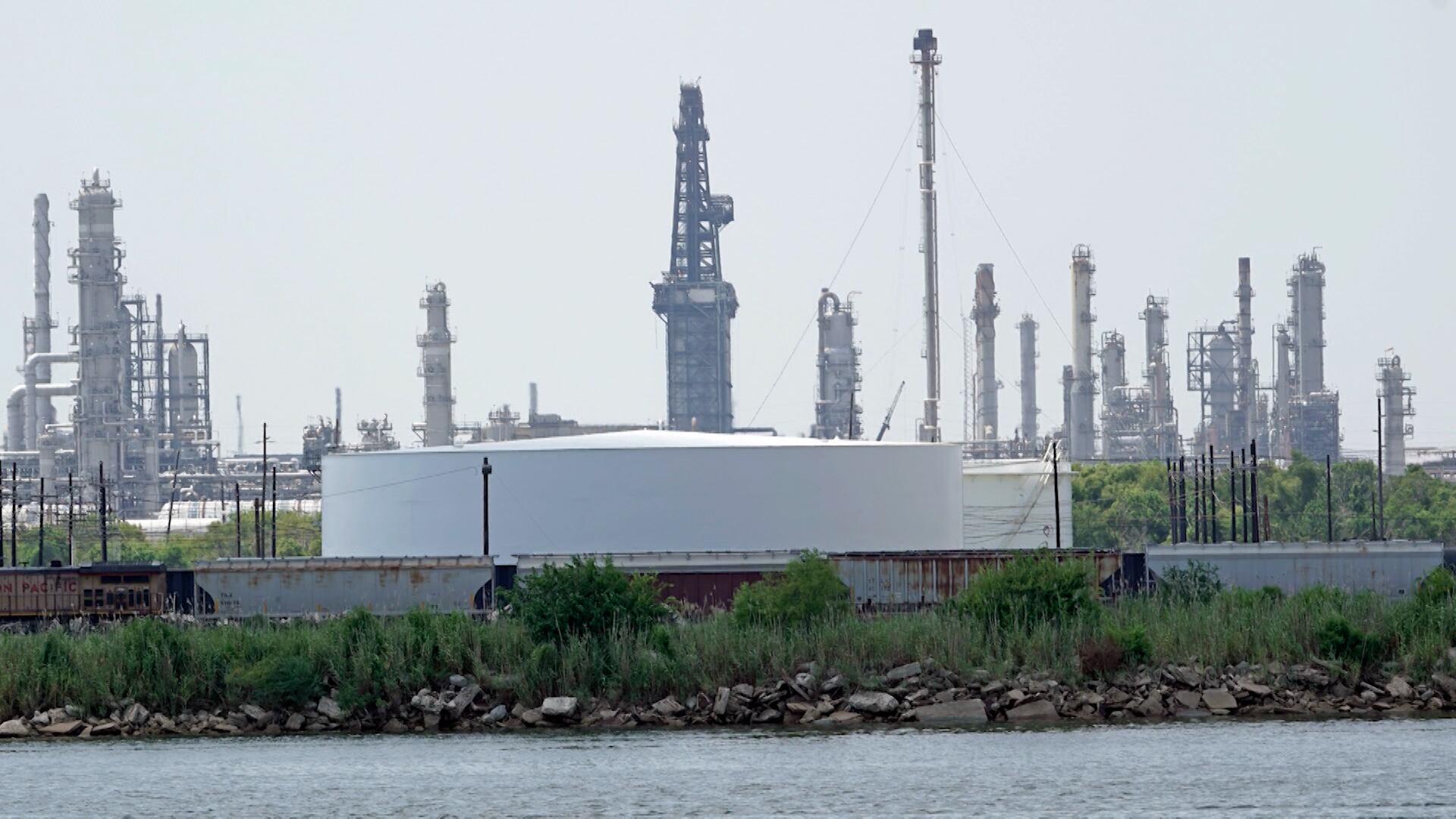
President Biden announced a ban on Russian oil and natural gas imports to the U.S. in response to its invasion of Ukraine, a move he warned could lead to an even greater surge in gas prices. The ban is prompting a conversation about the current oil production levels in the U.S. and whether or not the industry can ramp up production to soften the blow to American families at the gas pump. Clark Williams-Derry, Energy Finance Analyst with the Institute for Energy Economics and Financial Analysis, breaks down the state of the U.S. oil industry and how the ban might impact production levels here at home.
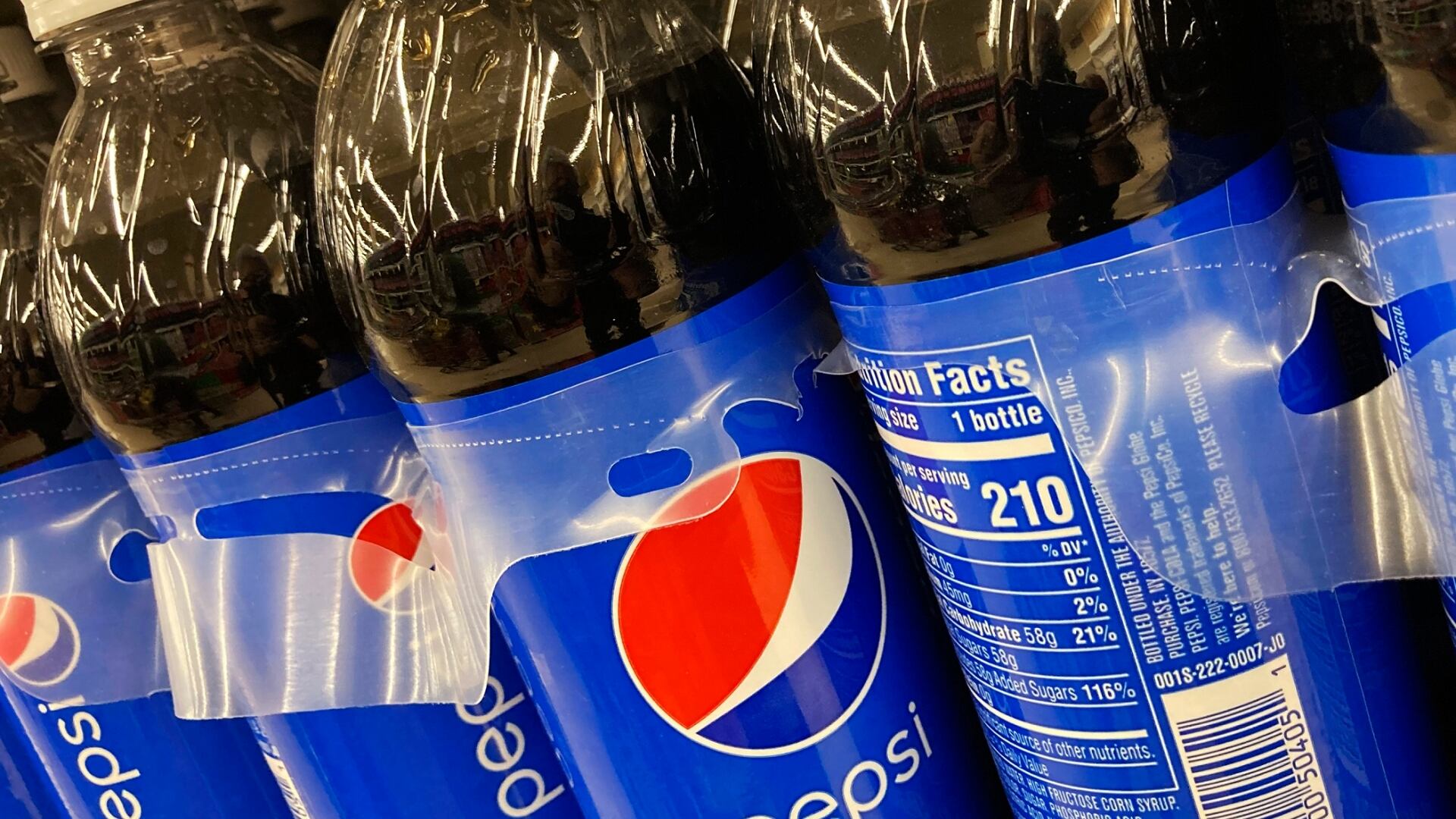
PepsiCo, Coca-Cola, McDonald’s, and Starbucks are the latest American food brands to have halted business operations in Russia after having faced scrutiny and criticism for originally failing to do so amid the country's invasion of Ukraine.
As Russia intensifies its war on Ukraine, President Biden announced a ban on oil imported from the aggressor nation. Critics of Russia have said this would be the best way to force Putin to pull back, but curbs on Russian oil exports are expected to send already skyrocketing oil and gas prices even higher, further impacting consumers, businesses, financial markets, and the global economy. Leslie Beyer, CEO of the Energy Workforce and Technology Council, joined Cheddar News' Closing Bell to discuss. "It's certainly going to increase pricing, but it is the right thing to do," she said. "The industry itself has already pulled out of the significant portion of its operations in Russia."