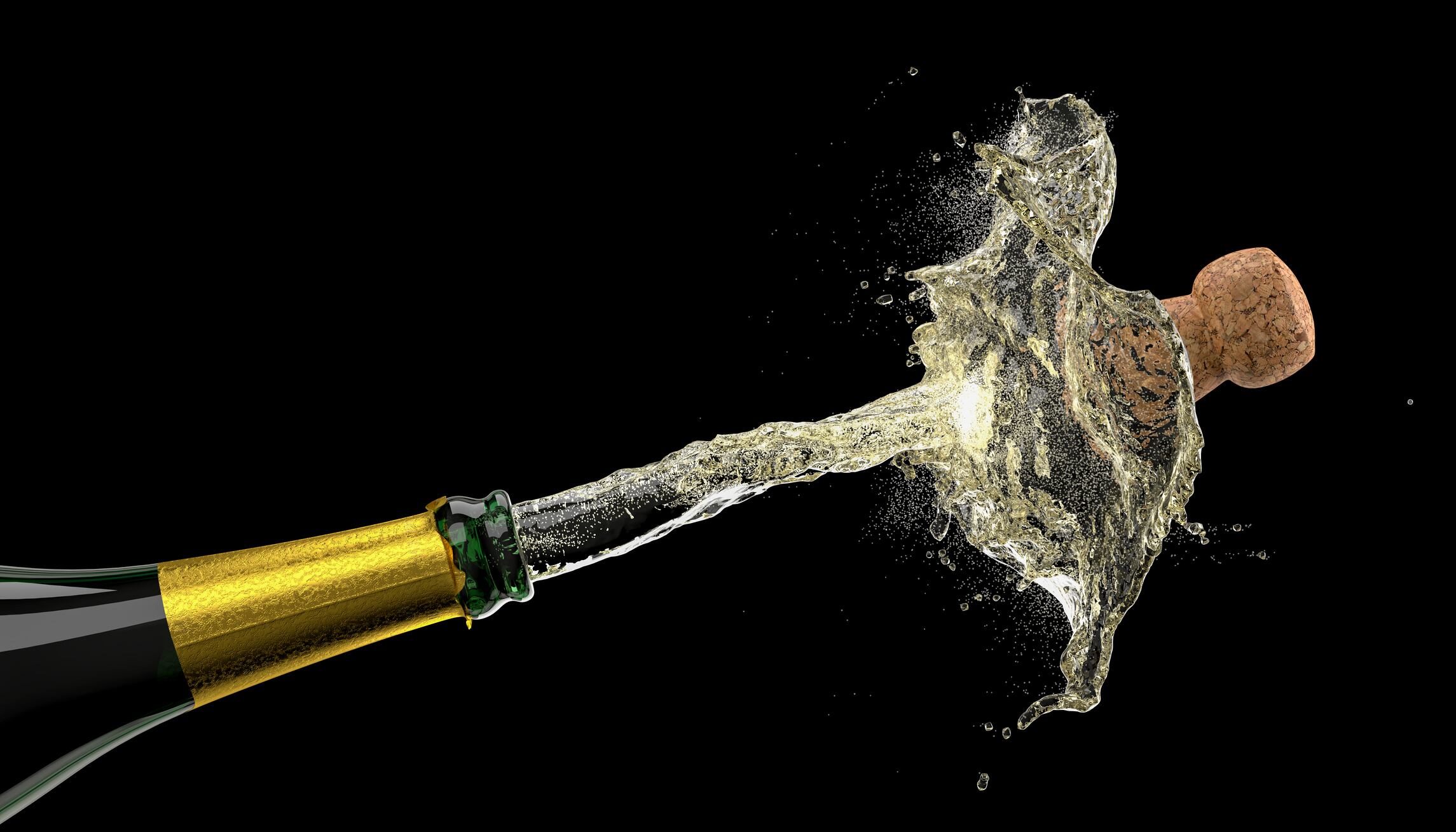
For most aficionados, a sparkling wine can be called champagne only if it comes from the region of France with that name and is made under certain regulations. A new Russian law makes the counter-claim that the word can be used only for Russian wine.
The law has sparked controversy and the renowned winemaker Moet-Hennessy said Monday it was suspending champagne shipments to Russia. The law that was adopted on Friday allows the term to used only for “Russian champagne.”
Since Soviet times, champagne — “shampanskoye” in Russian — has been used as a generic term for a wide range of sparling wines, some of which contradict champagne’s luxury image by selling for as little as 150 rubles ($2) a bottle.
“These provisions lead to a temporary suspension of deliveries of products to assess the impact of this new law,” Moet-Hennessy spokeswoman Anne Catherine Grimal said, according to state news agency RIA-Novosti.
Even the head of one of Russia’s major winemakers thinks the law goes too far.
”For me, there is no doubt that real champagne comes from the Champagne region in France,” Pavel Titov, president of Abrau-Dyurso, told RIA-Novosti. “It is very important to protect Russian wines in our market and provide them with comprehensive patronage. But the legislative measures taken must be reasonable and not contradict common sense.”
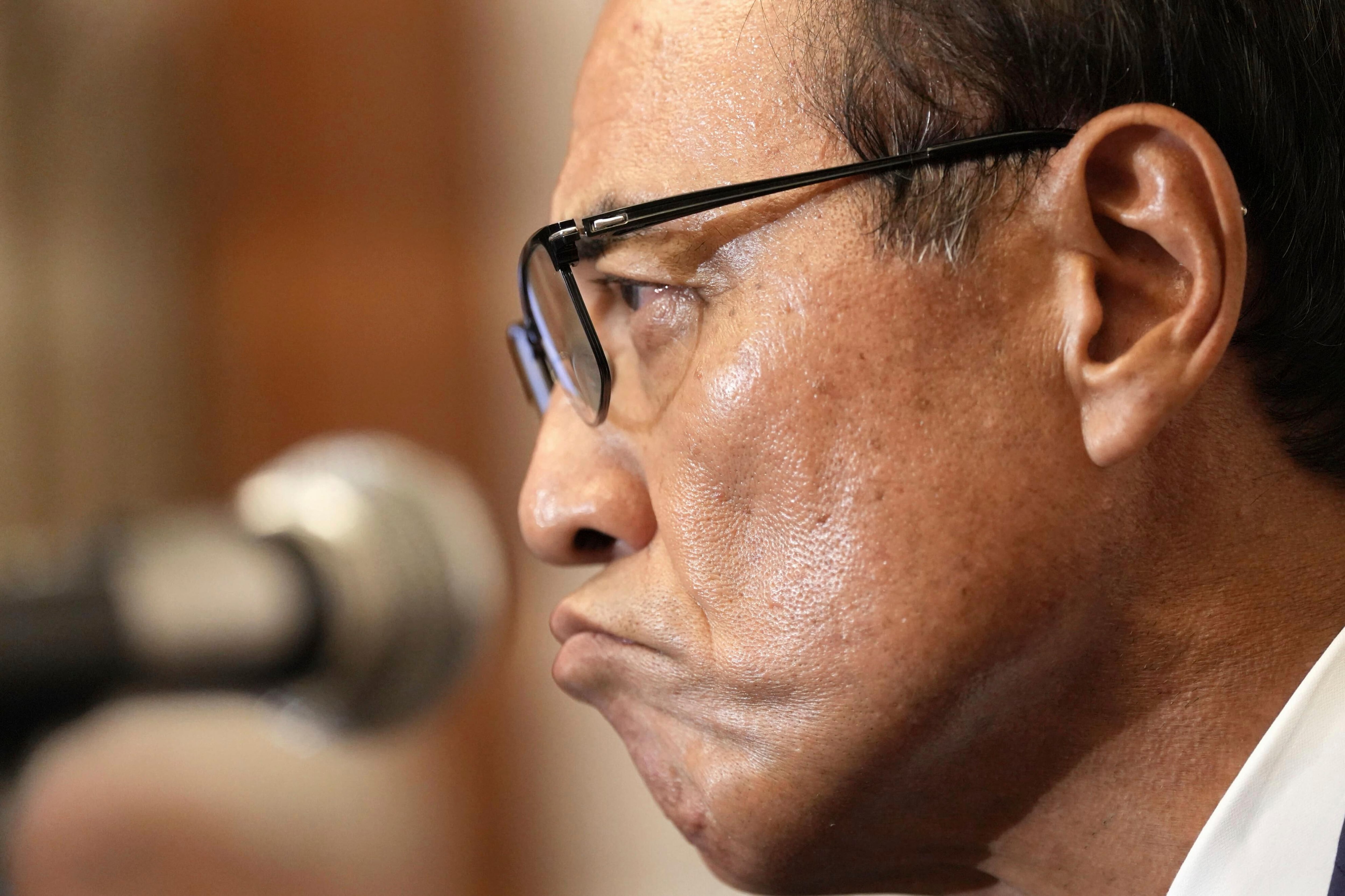
The former chief executive of Japanese beverage giant Suntory has acknowledged he was investigated on suspicion of possessing an illegal drug but has asserted his innocence despite resigning from his position.
Kellie Romack, Chief Digital Innovation Officer at ServiceNow, reveals the company’s latest announcement and how it’s shaping the future of work and tech.
Raina Moskowitz, CEO of The Knot Worldwide, unpacks the 2025 Global Wedding Report, from Gen Z trends to how Taylor Swift's wedding could reshape the industry.
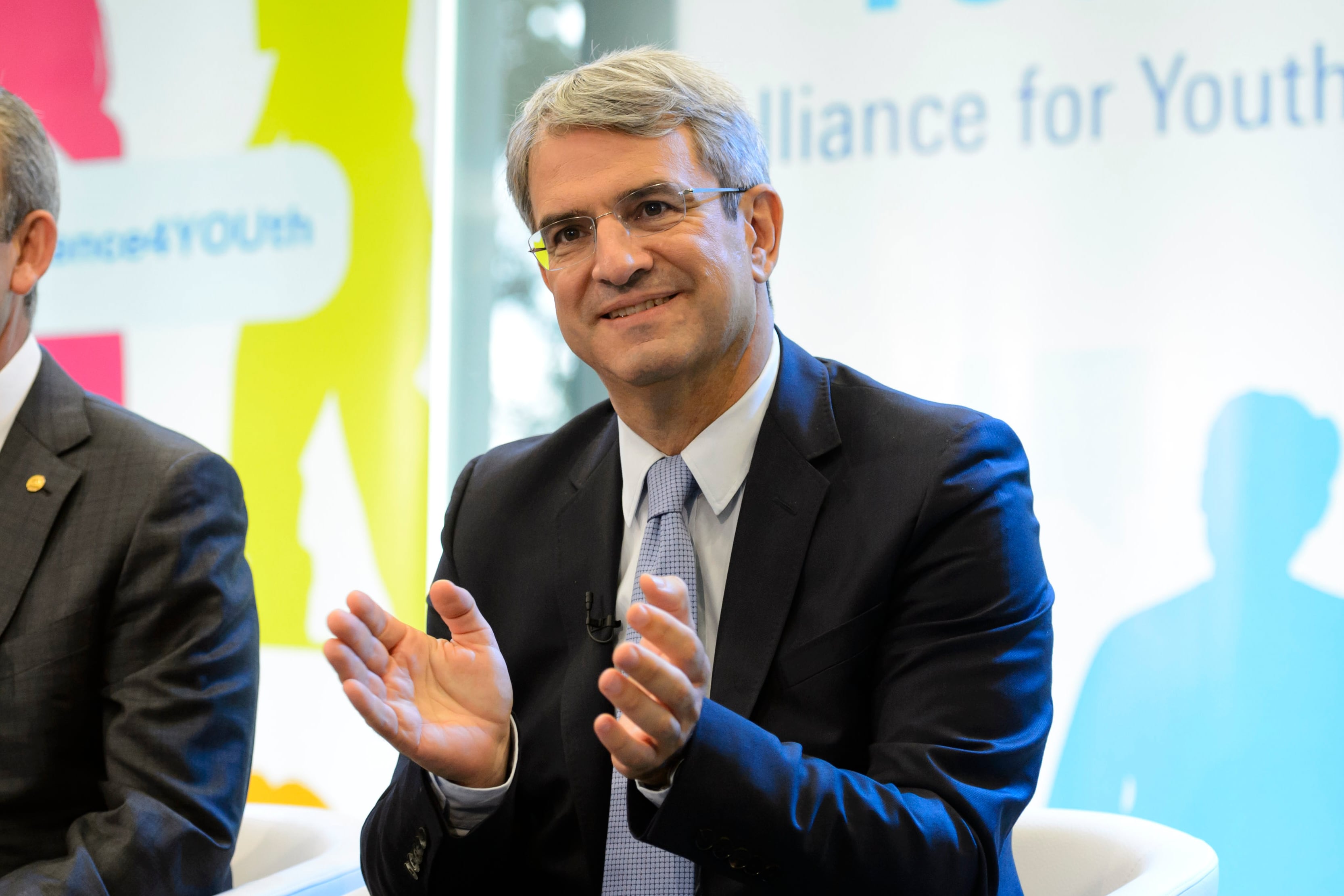
Nestlé has dismissed its CEO Laurent Freixe after an investigation into an undisclosed relationship with a direct subordinate. The company announced on Monday that the dismissal was effective immediately. An investigation found that Freixe violated Nestlé’s code of conduct. He had been CEO for a year. Philipp Navratil, a longtime Nestlé executive, will replace him. Chairman Paul Bulcke stated that the decision was necessary to uphold the company’s values and governance. Navratil began his career with Nestlé in 2001 and has held various roles, including CEO of Nestlé's Nespresso division since 2024.
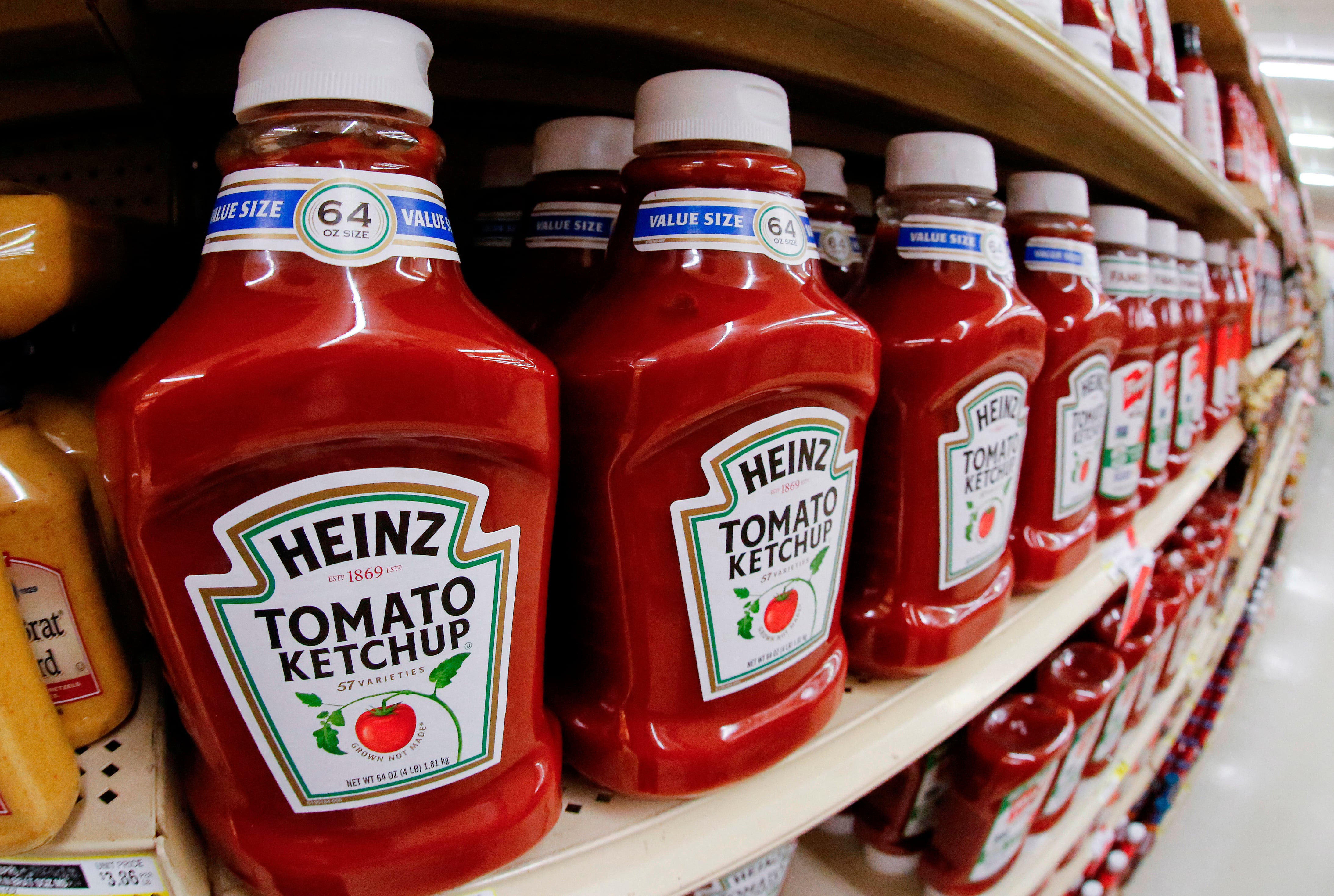
Kraft Heinz is splitting into two companies a decade after they joined in a massive merger that created one of the biggest food companies on the planet. One of the companies will include brands such as Heinz, Philadelphia cream cheese and Kraft Mac & Cheese. The other will include brands like Oscar Mayer, Kraft Singles and Lunchables. When the company formed in 2015 it wanted to capitalize on its massive scale, but shifting tastes complicated those plans, with households seeking to introduce healthier options at the table. Kraft Heinz's net revenue has fallen every year since 2020.