Broadway posters hang outside the Richard Rodgers Theatre during Covid-19 lockdown in New York on May 13, 2020. Many Broadway productions are scrambling to resume ticket sales to welcome theater-goers this fall after city and state leaders have green-lit a reopening of the Great White Way at full capacity. Gov. Andrew Cuomo said Broadway theaters can reopen Sept. 14 and will be allowed to decide their own entry requirements. (Photo by Evan Agostini/Invision/AP, File)
By Mark Kennedy
Many Broadway productions are scrambling to resume ticket sales in the coming days to welcome theater-goers this fall after city and state leaders have green-lit a reopening of the Great White Way at full capacity by mid-September.
“We remain cautiously optimistic about Broadway’s ability to resume performances this fall and are happy that fans can start buying tickets again,” Charlotte St. Martin, president of the Broadway League, said in a statement Wednesday.
New York Gov. Andrew Cuomo said Broadway theaters can reopen Sept. 14 and will be allowed to decide their own entry requirements, like whether people must prove they've been vaccinated to attend a show. Selling tickets will allow theaters to gauge interest before stages open, said Robert Mujica, Cuomo’s budget director.
"Phantom of the Opera,” Broadway's longest-running show, announced Wednesday it would resume performances on Oct. 22, with tickets going on sale Friday. More shows are expected to circle return dates in the coming weeks.
Actors’ Equity Association, the national labor union representing more than 51,000 actors and stage managers in live theater, said the news meant the theater community is “one step closer to the safe reopening" of Broadway.
“We look forward to continuing our conversations with the Broadway League about a safe reopening and know that soon the time will come when members can go back to doing what they do best, creating world-class theater,” said Mary McColl, executive director of Actors’ Equity.
The Broadway that reopens will look different. In May, the big budget Disney musical “Frozen” decided not to reopen when Broadway theaters restart, marking the first time an established show had been felled by the coronavirus pandemic. Producers of “Mean Girls” also decided not to restart.
But there will be new shows, including Antoinette Chinonye Nwandu’s “Pass Over” that is slated to reopen the August Wilson Theatre, the same venue “Mean Girls” has vacated. And a Shubert theater has been promised for playwright Keenan Scott II’s play “Thoughts of a Colored Man.”
The lifting of all capacity restrictions has long been considered by the industry as crucial to any reopening plan since Broadway economics demand full venue capacity. Some off-Broadway shows have already reopened with limited capacity.
All city theaters abruptly closed on March 12, 2020, knocking out all shows, including 16 that were still scheduled to open.
Some scheduled spring 2020 shows — like a musical about Michael Jackson and a revival of Neil Simon’s “Plaza Suite” starring Matthew Broderick and Sarah Jessica Parker — pushed their productions to 2021. But others abandoned their plans, including “Hangmen” and a revival of Edward Albee’s “Who’s Afraid of Virginia Woolf?”
Stocks closed at session highs on the last trading day of the month, but the major indexes still ended up posting their worst months since the start of the pandemic. The S&P 500 and the Nasdaq both had their worst months since March 2020. Nancy Daoud, Private Wealth Advisor at Ameriprise Financial Services, joins Closing Bell to discuss today's close, her market predictions for the year, how the Federal Reserve's monetary policy will impact stocks, and more.
Rene Ritchie, independent tech analyst and co-founder of the Nebula Podcast, joins Cheddar News' Closing Bell, where he breaks down what investors will be looking for from Mark Zuckerberg this week and how the tech giants stack up when it comes to augmented reality and virtual reality products going forward.
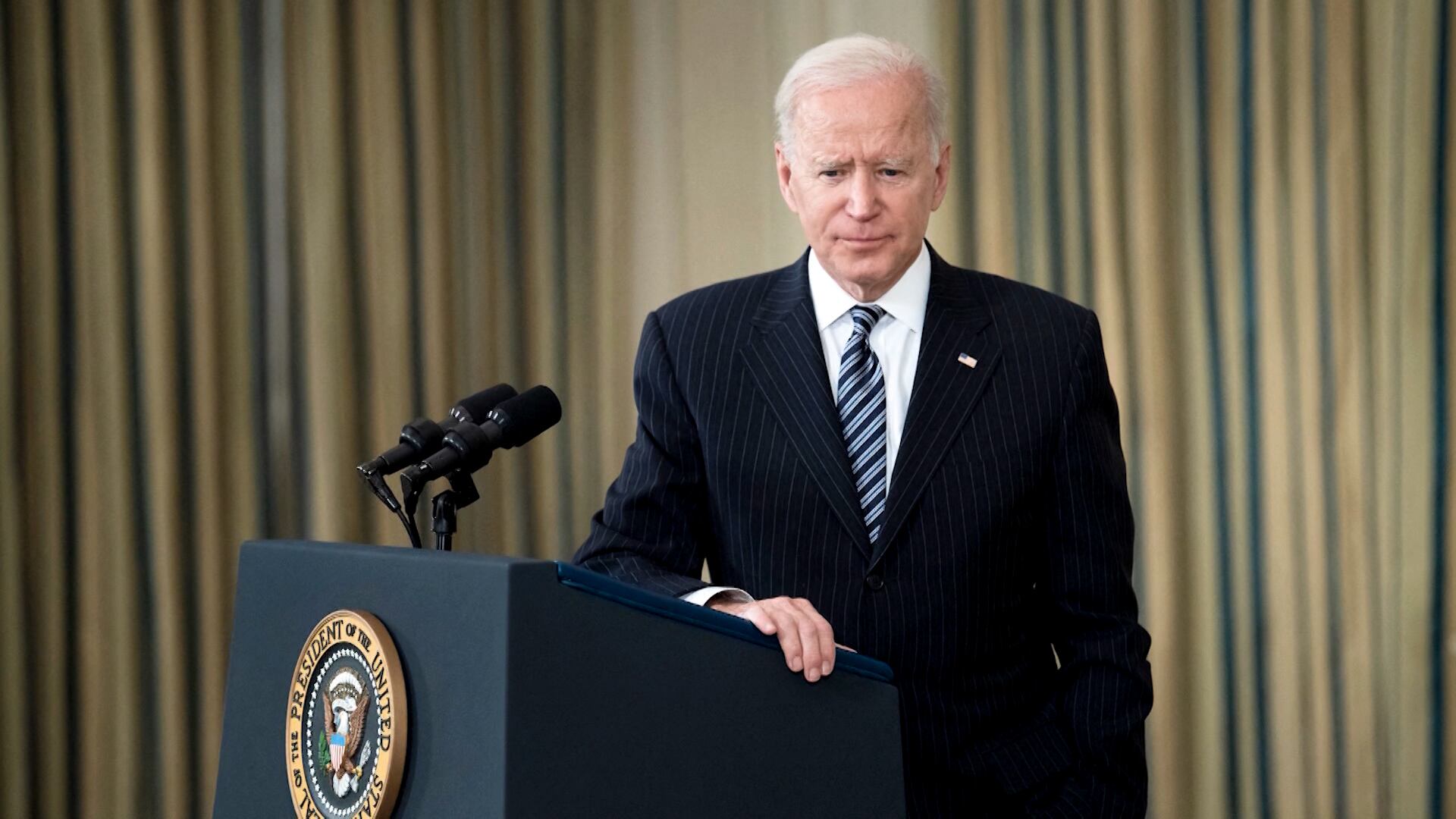
According to multiple reports, President Biden's upcoming executive order for the crypto marke would assign some government entities to study cryptocurrencies, stablecoins and NFT's with the goal of developing a workable regulatory framework. Douglas Borthwick, Chief Business Officer at INX, joins Cheddar News' Closing Bell, where he elaborates on what role the Biden administration would play under this order.
Nutritional supplement beverage company Athletic Greens has achieved unicorn status. The company announced a new $115 million funding round, bringing its valuation to $1.2 billion. The company's flagship product AG1 combines 75 different vitamins, minerals, and other nutrients into one daily serving. Athletic Greens says it is poised to reach the millions of consumers who are currently driving the health and wellness market's exponential growth. Athletic Greens founder and CEO Chris Ashenden joins Cheddar News' Closing Bell to discuss.
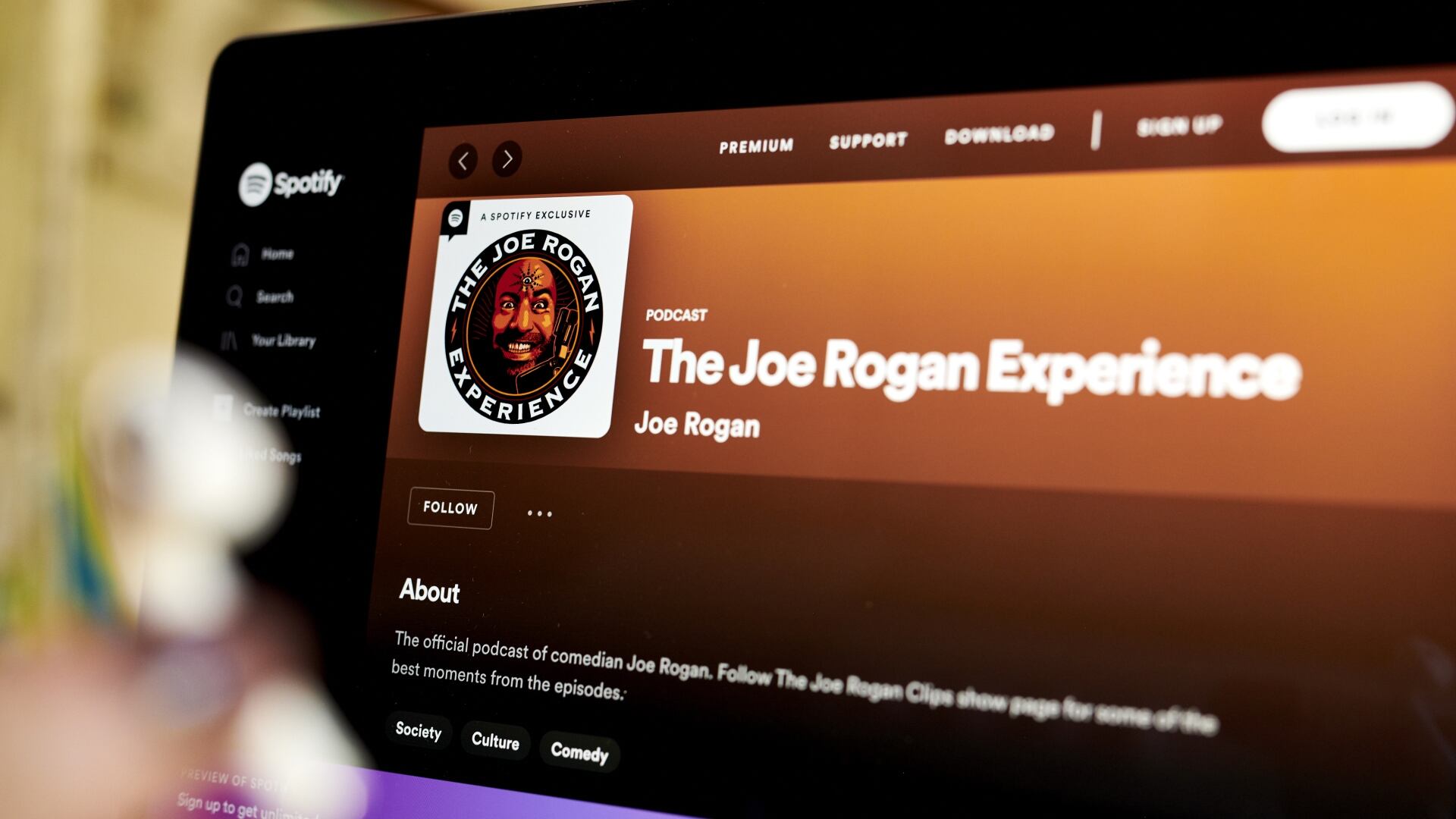
Is Spotify a platform for content creators, or is it a media company? The streaming giant may have to find an answer sooner rather than later amid a controversy involving its most popular podcast host, Joe Rogan. Rogan has hosted guests who have made false claims about COVID-19 vaccines, and in turn, some musicians like Neil Young and Joni Mitchell have removed their discographies from Spotify in protest. Rogan says he welcomes content advisories, and will balance out his guests going forward, but is it enough? And is Spotify liable in any way? John Freeman, Vice President of CFRA Research, joins Closing Bell to discuss Rogan's response to the controversy, whether Spotify should be considered a media company with responsibility for its content, and more.
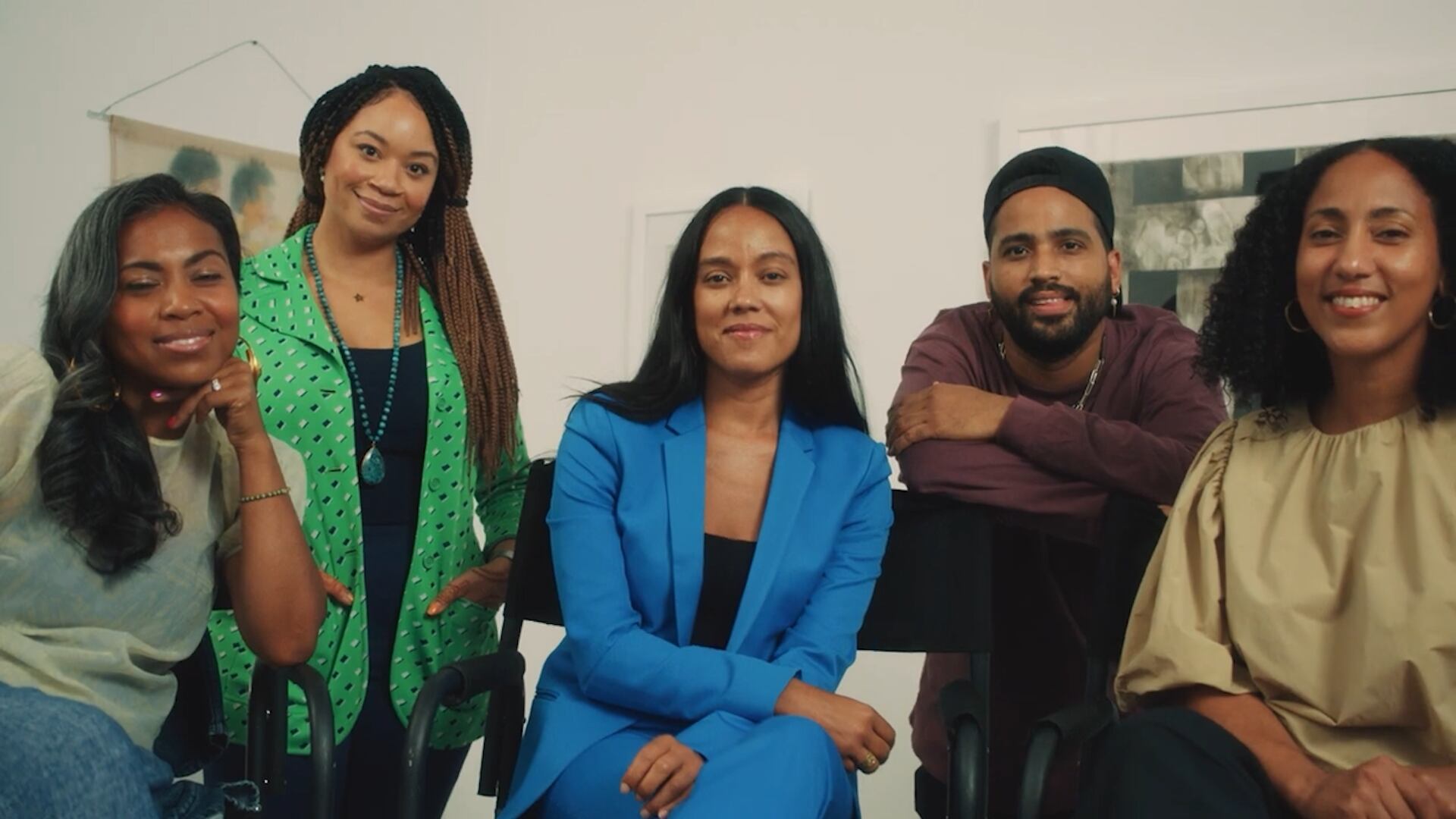
Michael Mitchell, senior director of brand at Mailchimp, joins Cheddar News to discuss the launch of Bloom Season and what every BIPOC entrepreneur needs to know to succeed.
Pax Labs, a leading electronic vaporizer company, plans to release its very first cannabis pod venture, of which different strands of cannabis will be available. COO Steven Jung spoke with Cheddar’s Chloe Aiello to talk about the release of the companies own line of 100 percent cannabis pods for use with its vaporizers. "I think this is the direction that most products are going," Jung noted. "If you look at the data, it would actually show you that most consumers are in fact looking for this kind of delivery mechanism in the product itself."