By Danica Kirka
The British Museum said Wednesday that a member of its staff has been dismissed after items dating back as far as the 15th century B.C. were found to be missing, stolen or damaged.
The museum said it has also ordered an independent review of security and a ‘‘vigorous program to recover the missing items.″
The stolen artifacts include gold jewelry and gems of semi-precious stones and glass dating from the 15th century B.C. to the 19th century A.D. Most were small items kept in a storeroom and none had been on display recently, the museum said.
“Our priority is now threefold: first, to recover the stolen items; second, to find out what, if anything, could have been done to stop this; and third, to do whatever it takes, with investment in security and collection records, to make sure this doesn’t happen again,″ said George Osborne, the museum’s chair.
“This incident only reinforces the case for the reimagination of the museum we have embarked upon," Osborne said.
The museum said legal action would be taken against the dismissed staff member and that the matter was under investigation by London’s Metropolitan Police Service.
The 264-year-old British Museum is a major London tourist attraction, drawing visitors from around the world who come to see a vast collection of artifacts ranging from the Rosetta Stone that unlocked the language of ancient Egypt to scrolls bearing 12th century Chinese poetry and masks created by the indigenous people of Canada.
But the museum has also attracted controversy because it has resisted calls from communities around the world to return items of historical significance that were acquired during the era of the British Empire. The most famous of these disputes include marble carvings from the Parthenon in Greece and the Benin bronzes from west Africa.
Hartwig Fischer, the director of the British Museum, apologized and said the institution was determined to put things right.
“This is a highly unusual incident,'' said Fischer said. “I know I speak for all colleagues when I say that we take the safeguarding of all the items in our care extremely seriously.''
World-renowned chef Daniel Boulud has partnered with SL Green Realty's chairman and CEO Marc Holliday to launch Food1st, a local nonprofit that will help combat hunger and feed frontline workers fighting the novel coronavirus.
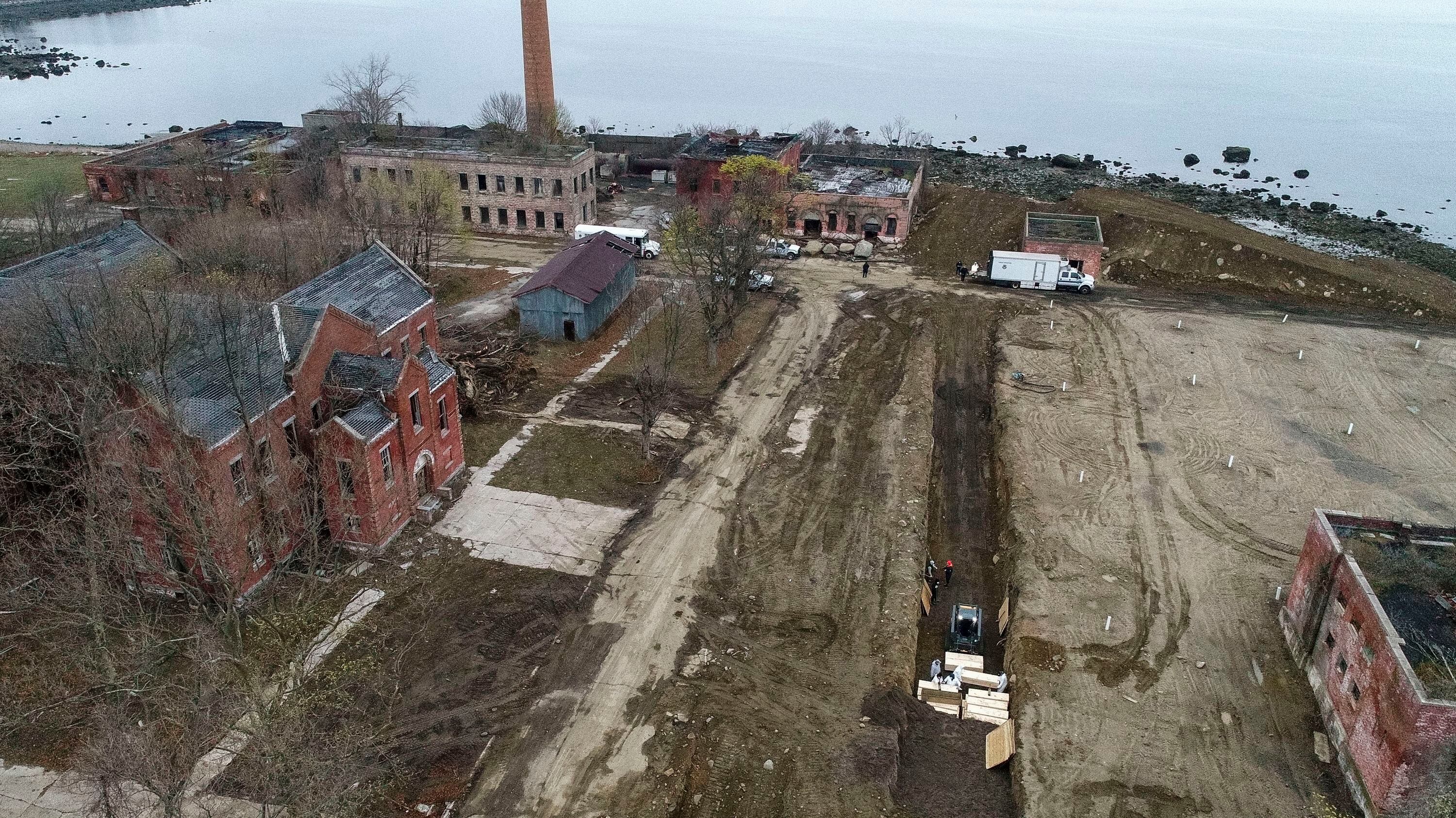
Hart Island is a mile-long patch of land in the Long Island Sound off the coast of the Bronx, which normally slips under the radar for most New Yorkers. In recent weeks, the unassuming island made headlines after drones captured aerial images of workers loading simple caskets three-deep into trenches wide enough to fit over 100 bodies.
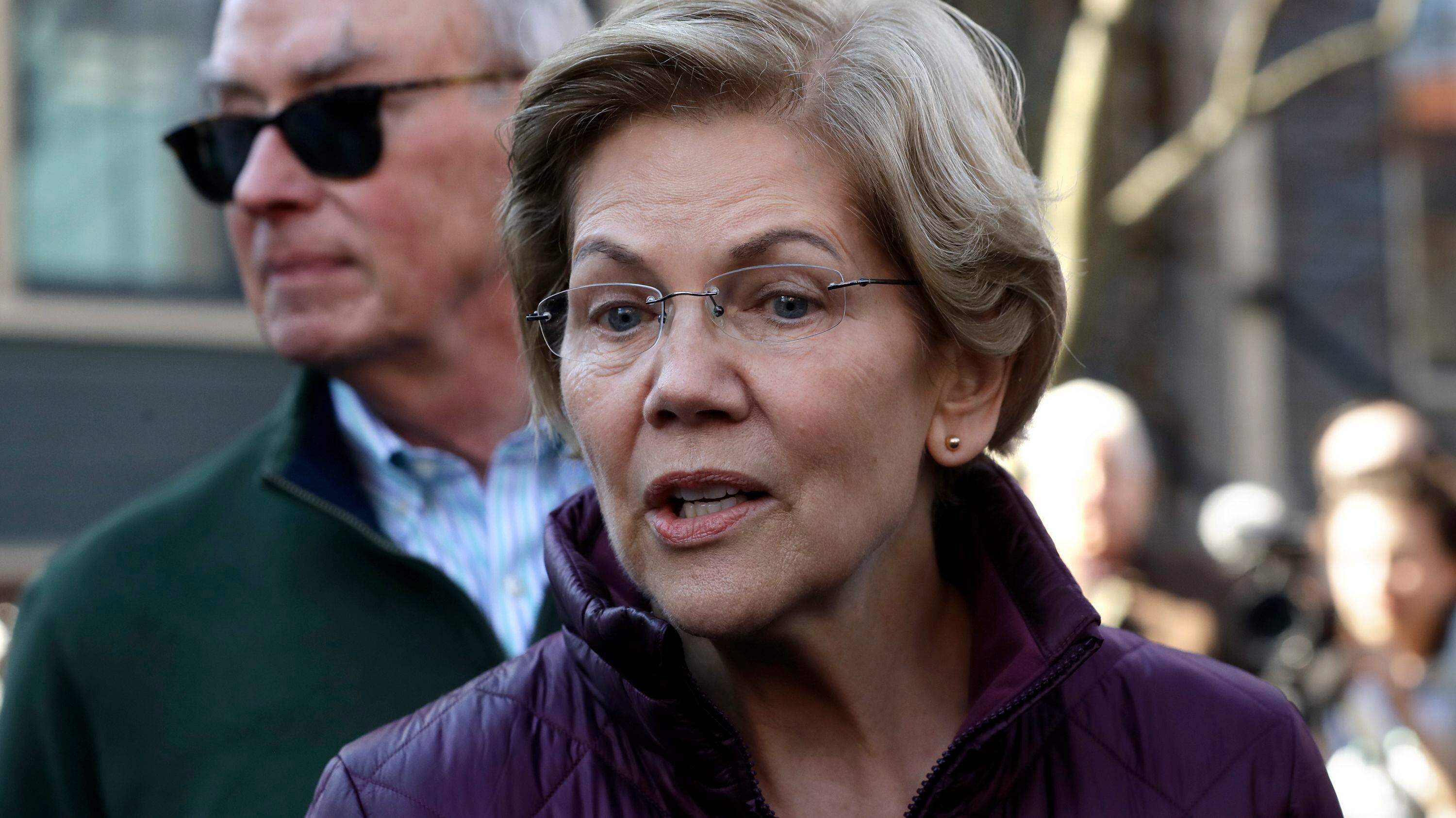
The oldest brother of Sen. Elizabeth Warren, Donald Reed Herring, has died from the coronavirus. The former Democratic presidential candidate said Thursday that her brother died Tuesday evening.
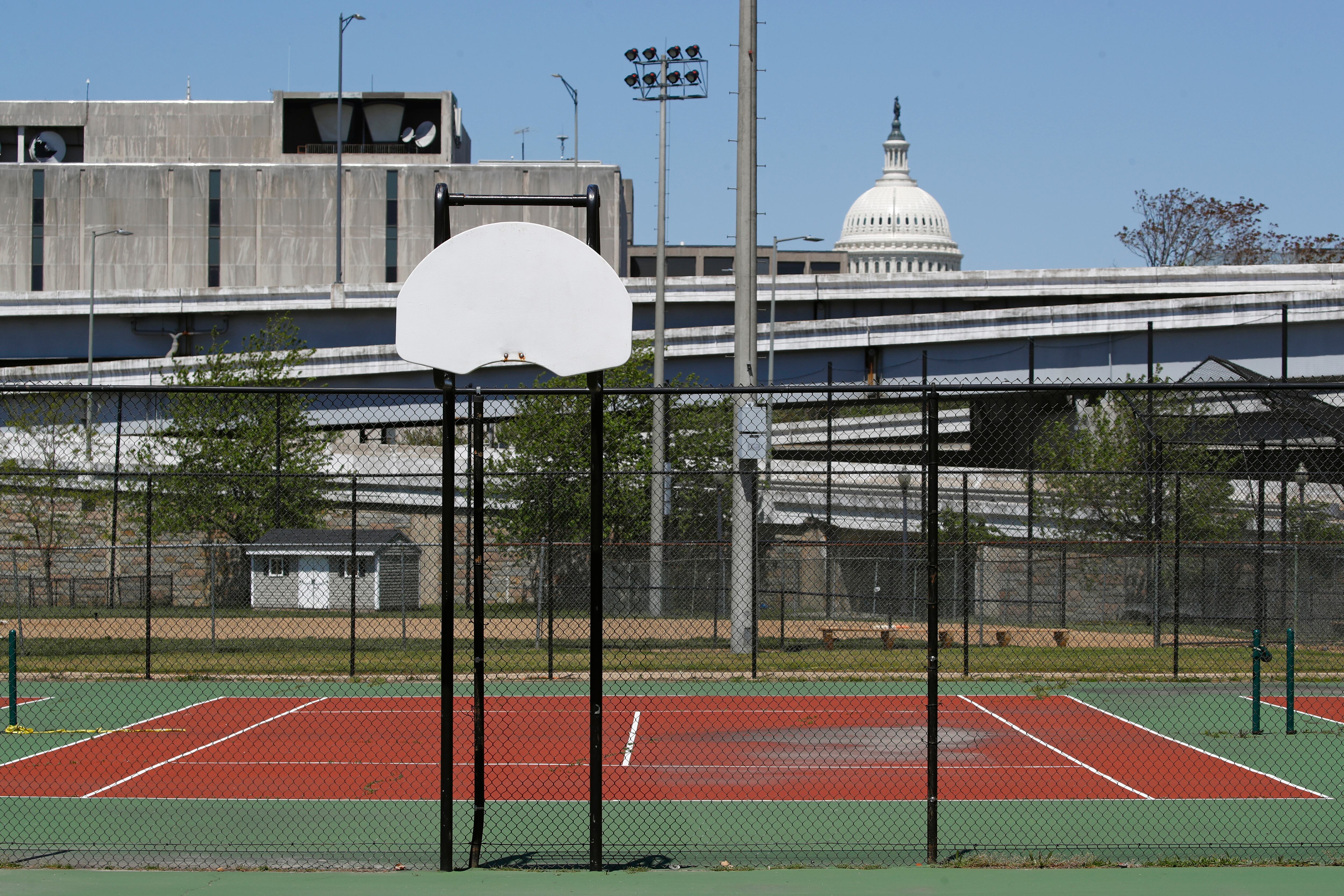
A new survey finds Americans remain overwhelmingly in favor of stay-at-home orders and other efforts to slow the spread of the coronavirus. A majority say it won’t be safe to lift such restrictions anytime soon. T
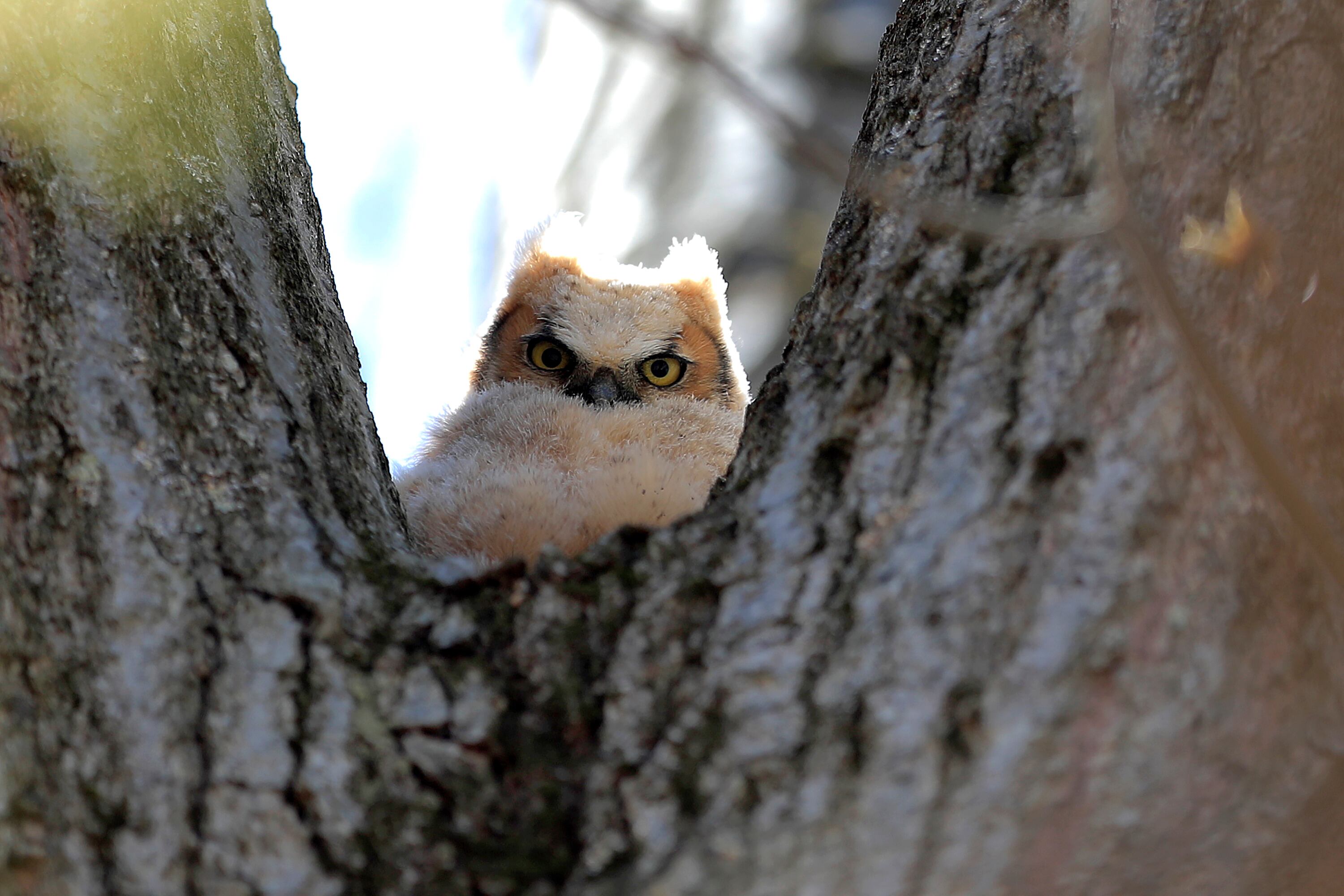
Will Shafroth, president and CEO of the National Park Foundation, told Cheddar Wednesday that the changes in the environment have allowed him to see more wildlife than he has ever seen before.
This Earth Day, you may be wondering how to help the environment, even as you prioritize health and safety by staying at home and observing social distancing. Here are five things you can do to help the planet without leaving your neighborhood (and one that requires a little more of a drive).
"The Last Dance" became ESPN’s highest-rated documentary in its history Sunday night, averaging 6.1 million viewers during its premiere, the network announced in a statement on Monday.
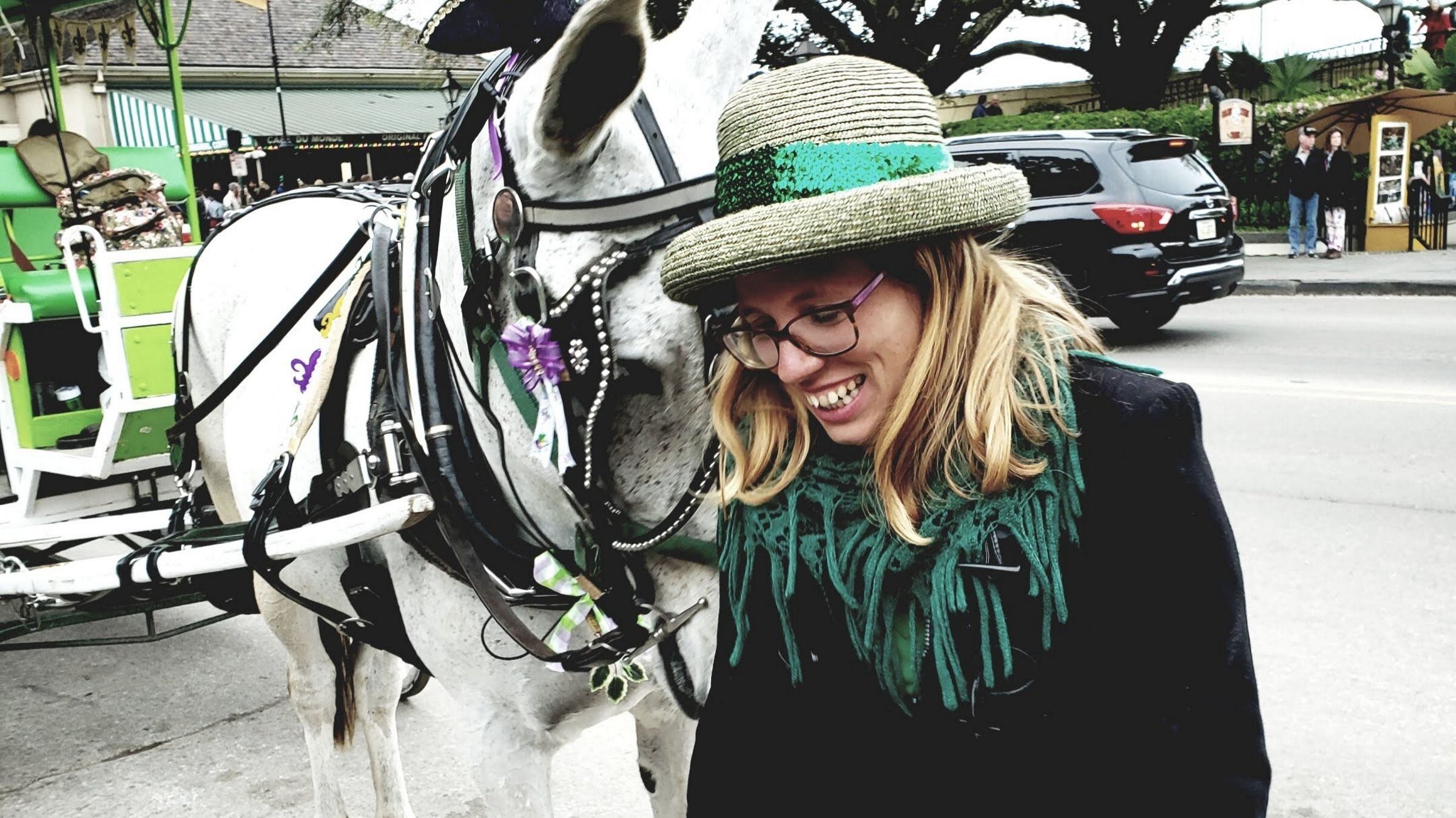
Unlike many industries hit hard by the economic downturn, tour guides in New Orleans never saw a decline in business. Carriage drivers like Charlotte Jones were giving tours right up until the city's stay-at-home order went into effect.
While there are more paying members, Netflix will have to closely monitor some other aspects of its business as the crisis continues.
Over the past 50 years the global population has nearly doubled. Because of this, the relationship between humans and nature has had to change dramatically. Earth Decoded explores the surprising effects of our modernizing world on the planet we call home.