By Danica Kirka
The British Museum said Wednesday that a member of its staff has been dismissed after items dating back as far as the 15th century B.C. were found to be missing, stolen or damaged.
The museum said it has also ordered an independent review of security and a ‘‘vigorous program to recover the missing items.″
The stolen artifacts include gold jewelry and gems of semi-precious stones and glass dating from the 15th century B.C. to the 19th century A.D. Most were small items kept in a storeroom and none had been on display recently, the museum said.
“Our priority is now threefold: first, to recover the stolen items; second, to find out what, if anything, could have been done to stop this; and third, to do whatever it takes, with investment in security and collection records, to make sure this doesn’t happen again,″ said George Osborne, the museum’s chair.
“This incident only reinforces the case for the reimagination of the museum we have embarked upon," Osborne said.
The museum said legal action would be taken against the dismissed staff member and that the matter was under investigation by London’s Metropolitan Police Service.
The 264-year-old British Museum is a major London tourist attraction, drawing visitors from around the world who come to see a vast collection of artifacts ranging from the Rosetta Stone that unlocked the language of ancient Egypt to scrolls bearing 12th century Chinese poetry and masks created by the indigenous people of Canada.
But the museum has also attracted controversy because it has resisted calls from communities around the world to return items of historical significance that were acquired during the era of the British Empire. The most famous of these disputes include marble carvings from the Parthenon in Greece and the Benin bronzes from west Africa.
Hartwig Fischer, the director of the British Museum, apologized and said the institution was determined to put things right.
“This is a highly unusual incident,'' said Fischer said. “I know I speak for all colleagues when I say that we take the safeguarding of all the items in our care extremely seriously.''
Couples trying to salvage weddings that were put on hold by the coronavirus are feeding a fresh trend in the bridal industry: Call it the “minimony.” Rather than wait, they’re getting hitched alone or with a few local loved ones looking on at a safe social distance.
Gov. Andrew Cuomo said Tuesday that the state is now investigating about 100 cases of the Kawasaki disease-like syndrome. Three children have died.
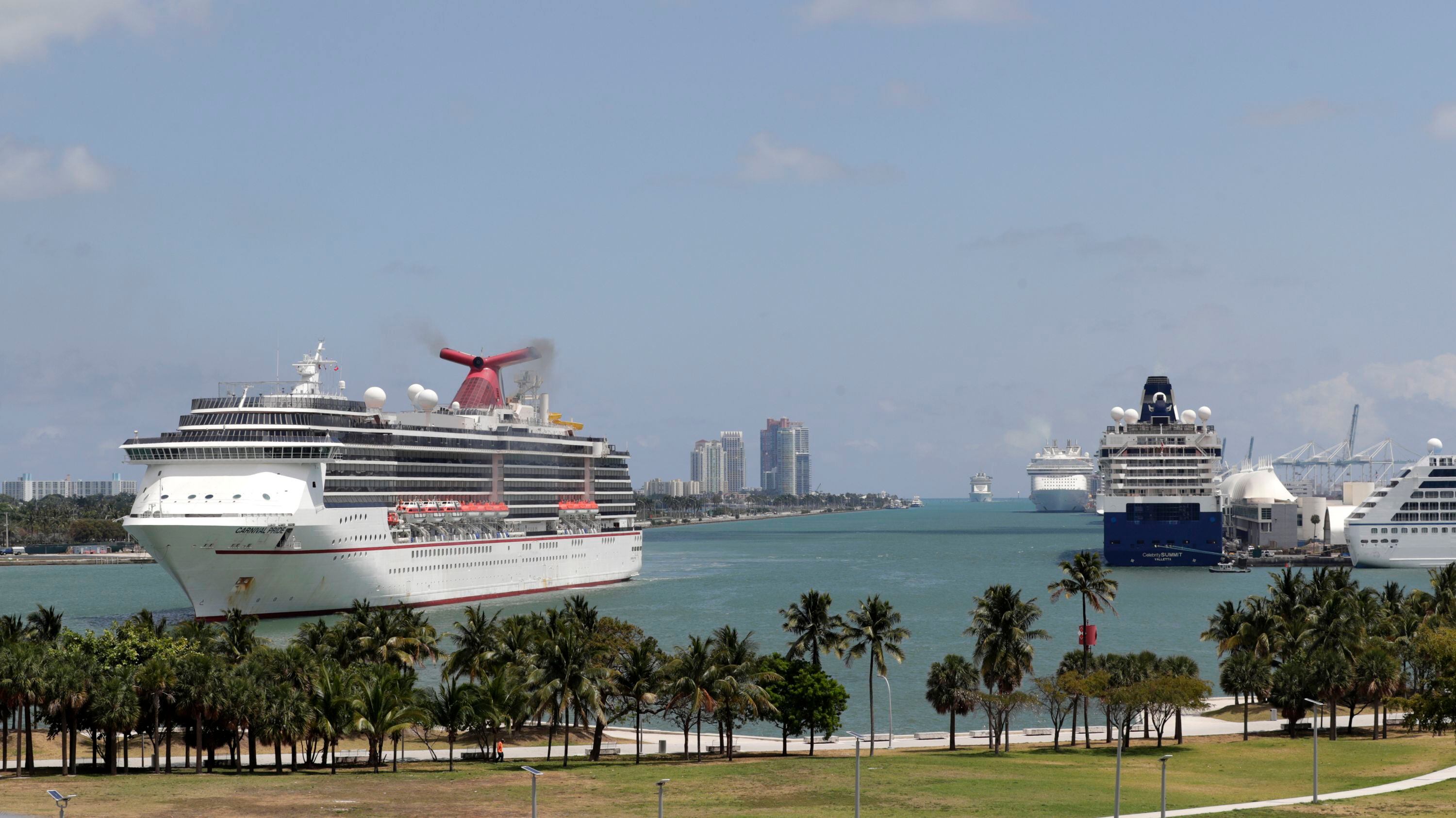
Not all vacationers may be willing to look past the glut of problems the cruise industry faced at the outset of the COVID-19 pandemic, according to Rafat Ali, founder and CEO Skift, a travel industry media and research company.
Tina Fey, the host of the Rise Up New York! event Monday evening, shed tears after announcing that more than $115 million was raised toward supporting New Yorkers impacted by COVID-19 during a virtual telethon.
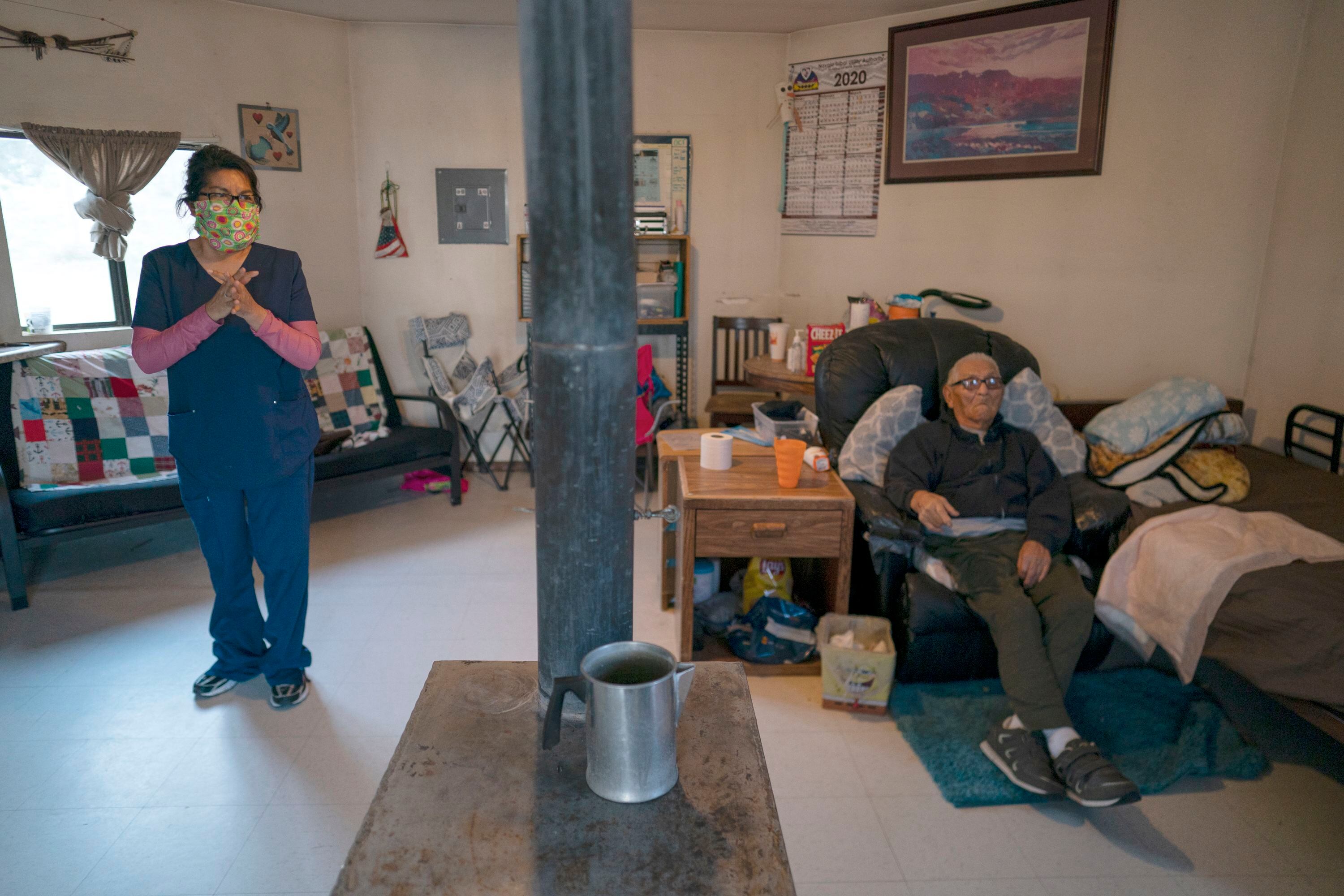
The Navajo reservation spans three western U.S. states and has some of the highest rates of coronavirus in the country. With roughly 175,000 people living there, the tribe has seen 3,122 cases. At least 100 people have died.
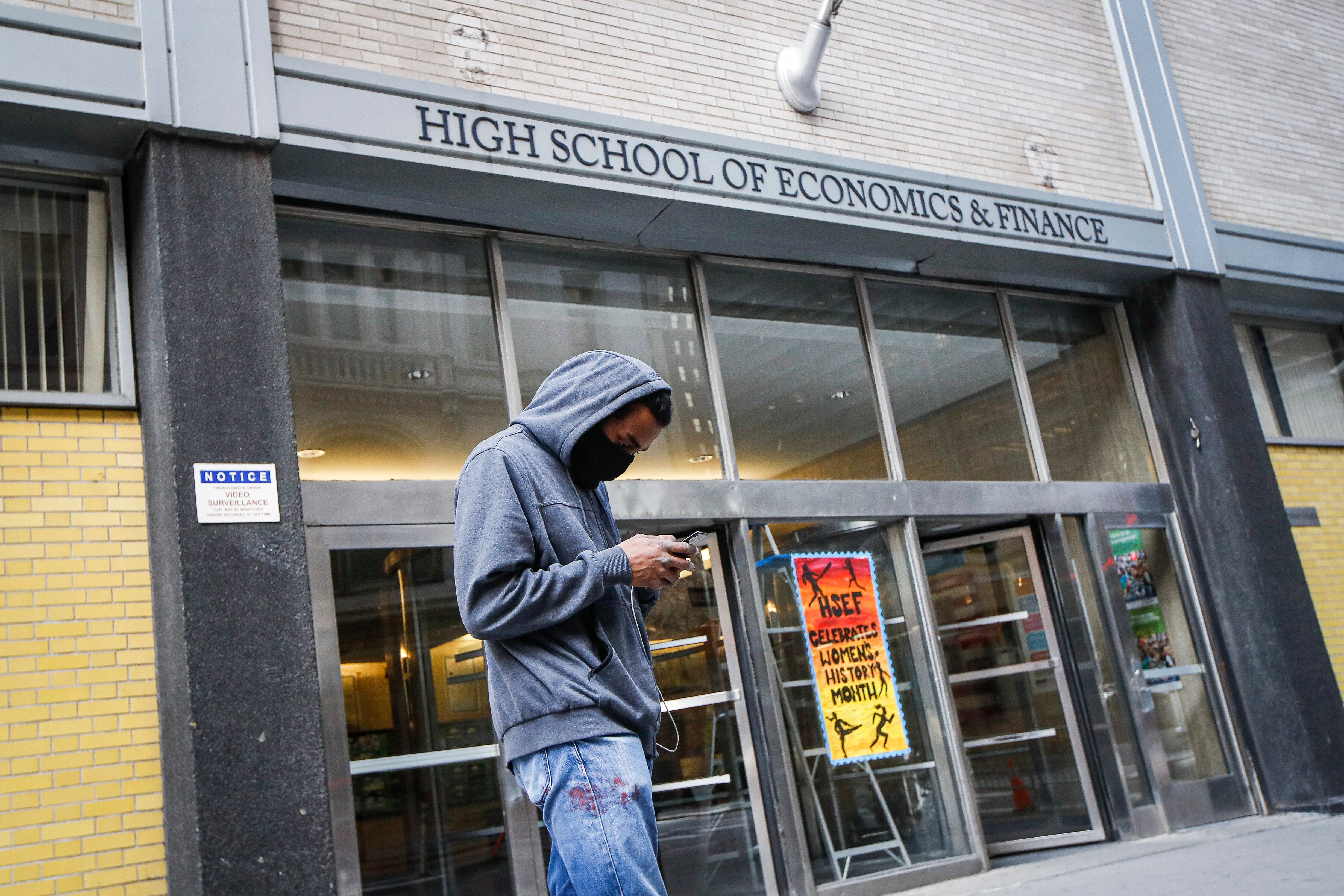
Coronavirus has forced New York City teachers to fundamentally change how they educate students. Now they're fighting for their own vision of how and when schools should reopen.
The social media giant has invested $40 million into small businesses across the country with 50 percent of it earmarked for small businesses owned by people of color, women, and veterans.
Businesses from coast-to-coast were forced to closed their doors when the coronavirus outbreak arrived in the U.S. Practically overnight, 33 million Americans (so far) suddenly lost their livelihoods. Cheddar is speaking to some of these workers who have found themselves unexpectedly unemployed in today's turbulent environment.
Hollywood agent Richard Weitz, a partner at WME, told Cheddar on Friday that the idea for the charitable musical series came from wanting to make his daughter’s birthday special amid the pandemic.
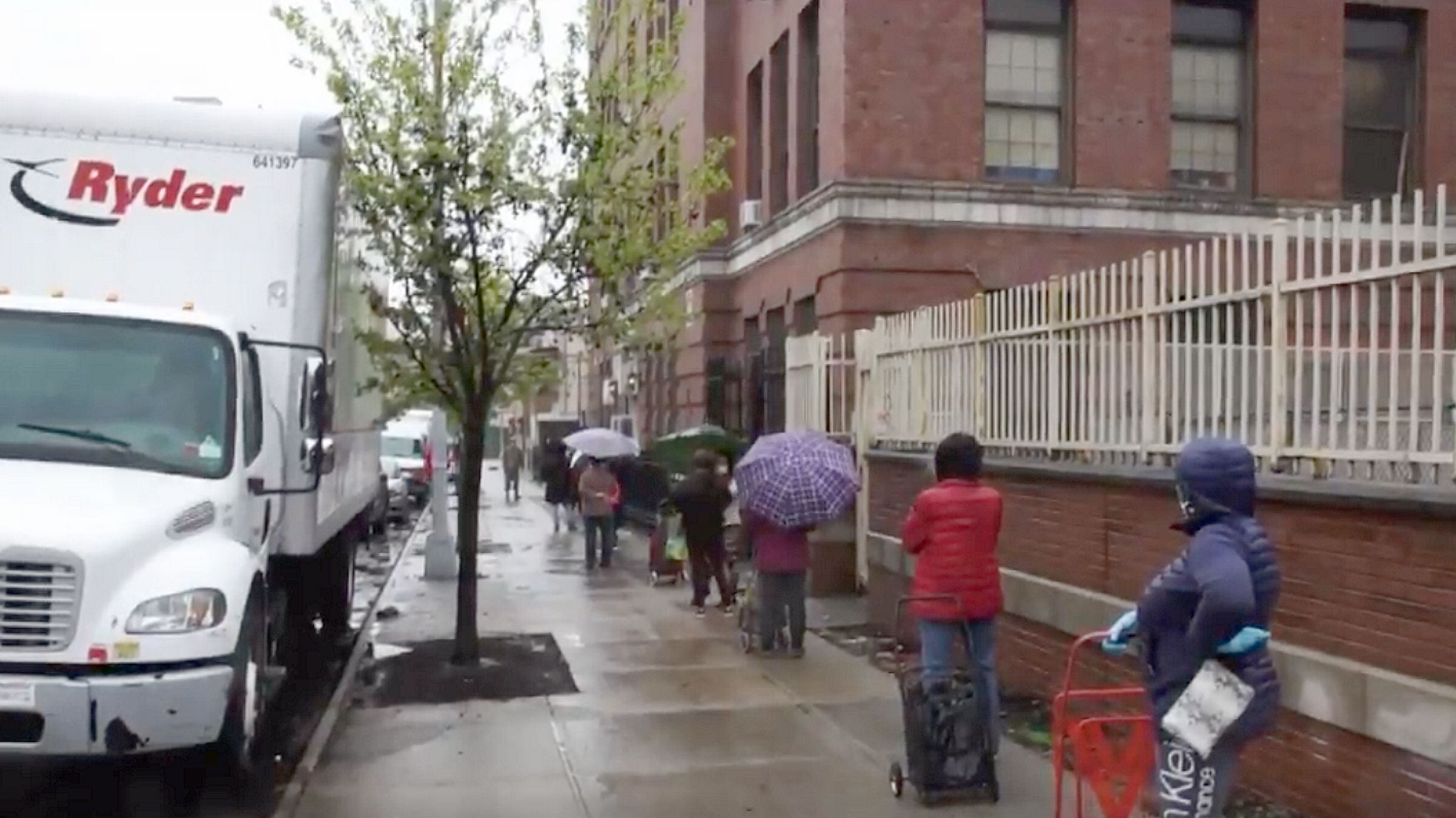
Unprecedented pressure from the coronavirus pandemic has forced the closure of roughly 35 percent of food pantries in New York City, just as the number of residents facing food insecurity has surged by about 800,000 to two million.