By Josh Boak
The Treasury Department said Monday that 39 million families are set to receive monthly child payments beginning on July 15.
The payments are part of President Joe Biden's $1.9 trillion coronavirus relief package, which expanded the child tax credit for one year and made it possible to pre-pay the benefits on a monthly basis. Nearly 88% of children are set to receive the benefits without their parents needing to take any additional action.
“This tax cut sends a clear and powerful message to American workers, working families with children: Help is here,” Biden said in remarks at the White House.
Qualified families will receive a payment of up to $300 per month for each child under 6 and up to $250 per month for children between the ages of 6 and 17. The child tax credit was previously capped at $2,000 and only paid out to families with income tax obligations after they filed with the IRS.
But for this year, couples earning $150,000 or less can receive the full payments on the 15th of each month, in most cases by direct deposit. The benefits total $3,600 annually for children under 6 and $3,000 for those who are older. The IRS will determine eligibility based on the 2019 and 2020 tax years, but people will also be able to update their status through an online portal. The administration is also setting up another online portal for non-filers who might be eligible for the child tax credit.
The president has proposed an extension of the increased child tax credit through 2025 as part of his $1.8 trillion families plan. Outside analysts estimate that the payments could essentially halve child poverty. The expanded credits could cost roughly $100 billion a year.
Updated on May 17, 2021, at 2:06 p.m. ET with the latest details.
Enrique Fernández-Toledo, Director of the Puerto Rico Initiative at the Center for American Progress, explained why an accurate death toll from Hurricane Maria took so long to be announced.
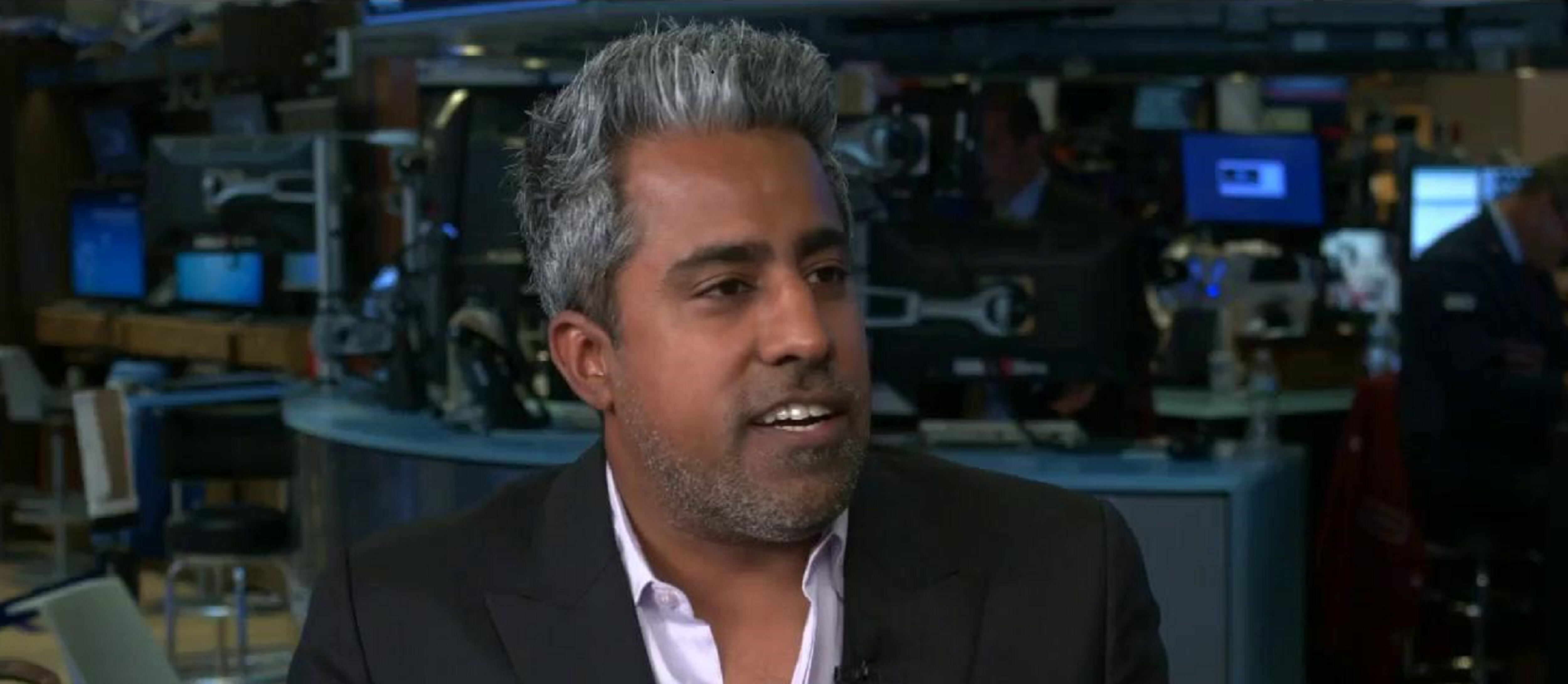
Anand Giridharadas, author of "Winners Take All" and a former reporter for the New York Times, believes that the United States' encouragement and support of charitable giving has disenfranchised the working class.
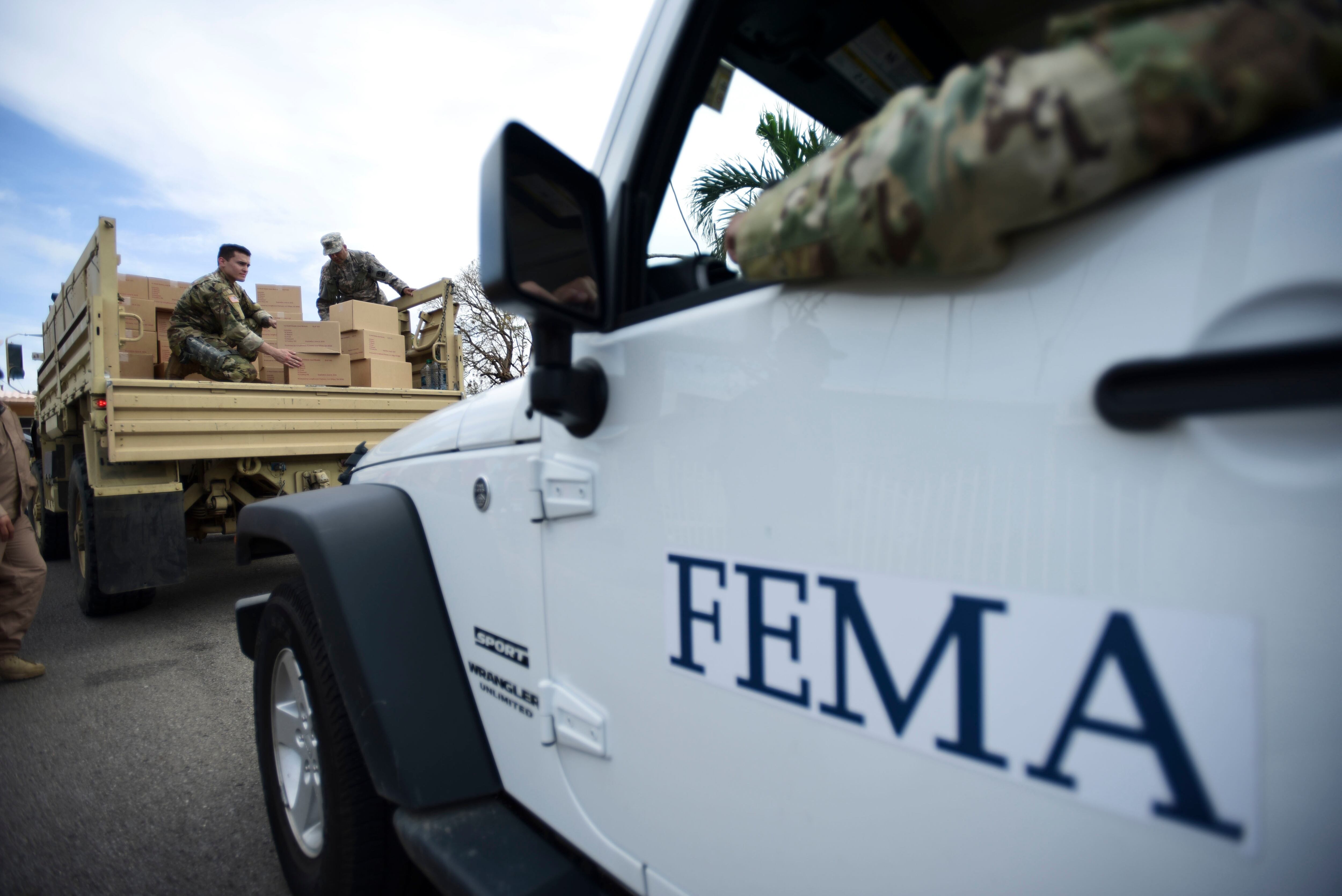
Katie Fox, assistant director for the National Preparedness Directorate at FEMA, joined Cheddar to offer specific ways Americans should prepare for disasters, even if they don't live in hurricane zones.
Natural disasters affected 15 percent of the U.S. population in 2017, often in places unaccustomed to dealing with nature's fury.
These are the headlines you Need 2 Know.
Sen. Mark Warner, the ranking Democrat on the Senate Intelligence Committee, told Cheddar he thinks it's a mistake for Google to send only its lawyer to next week's Congressional hearings. He also said Pres. Trump's comments about Google don't make sense.
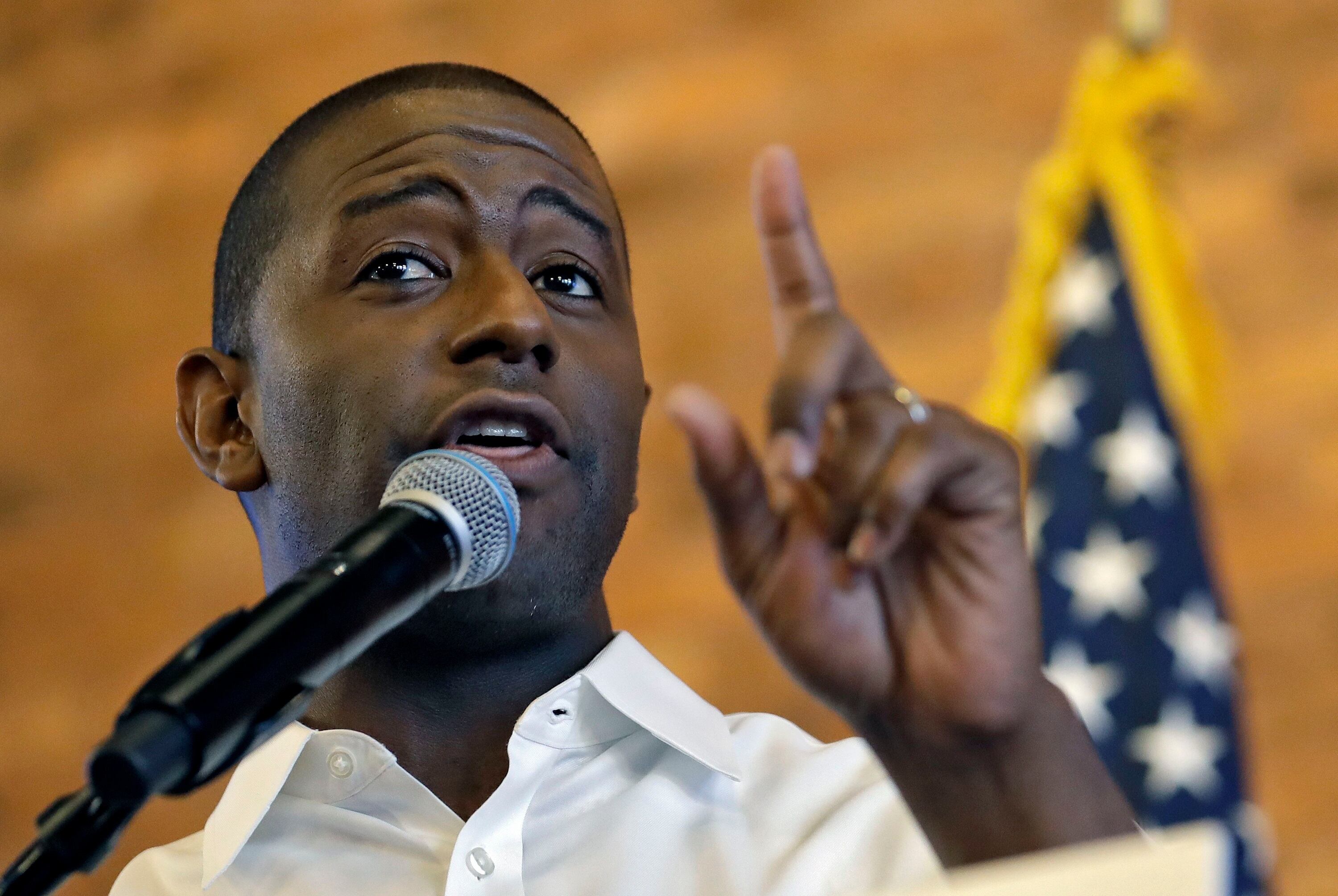
We break down what primary election results in Flordia and Arizona mean for the upcoming midterm elections. President Trump steps up his criticism of Google and other big tech companies. Amazon is reportedly planning to a launch a free, ad-supported video streaming app. And we sit down with Ash Cash to get his take on why Kanye West might actually have some worthwhile career advice.
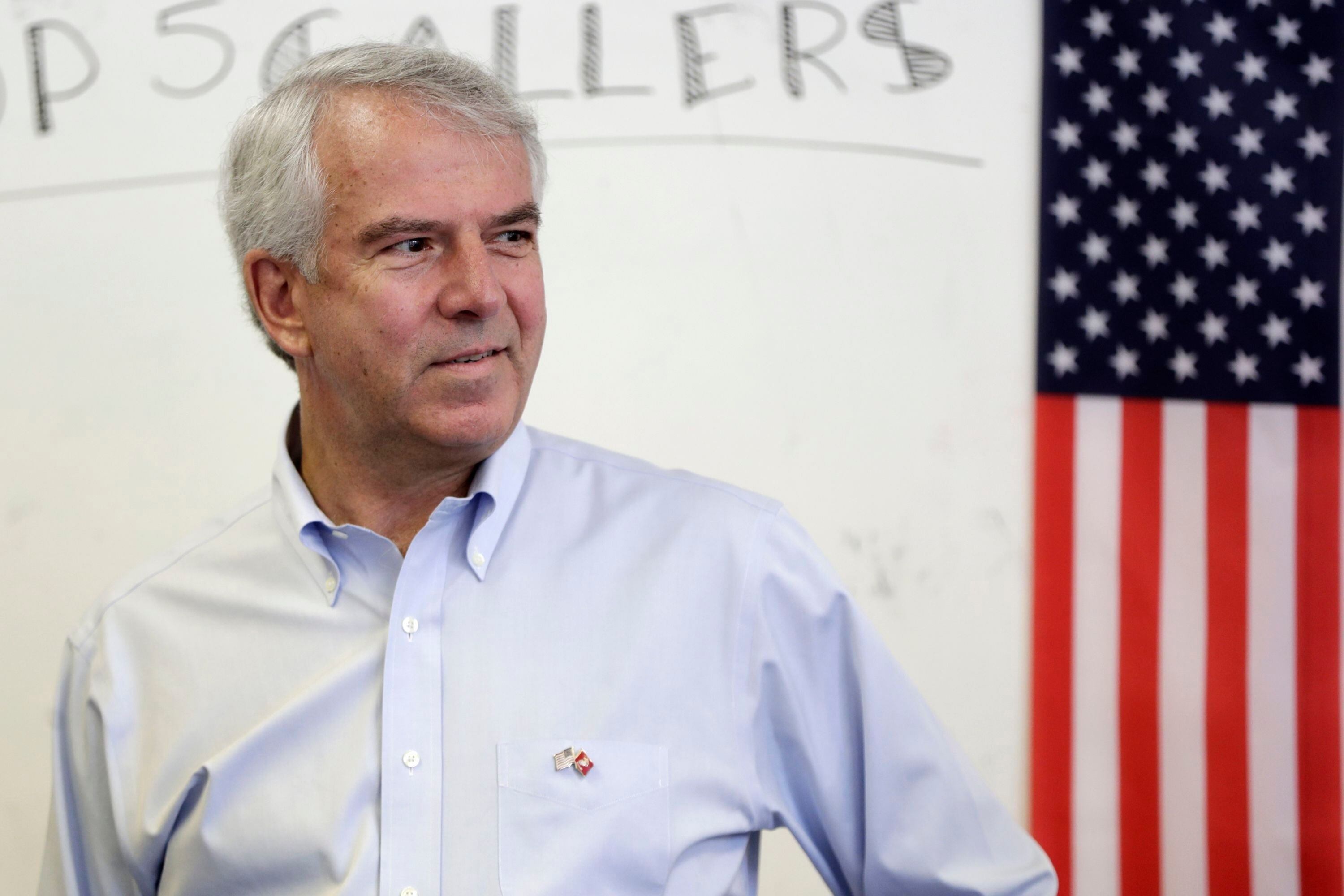
Republican Bob Hugin told Cheddar he's challenging Sen. Bob Menendez of New Jersey for his seat, because he was morally offended by the corruption charges against the current Senator -- Menendez's trial ended in a hung jury. Down by as much as 17 points early in the race, Hugin is now polling within 6 points of his opponent.
Education Sec. Betsy Devos's idea to use federal money to arm teachers is "insane," said Randy Weingarten, president of the American Federation of Teachers. "I cannot believe I'm actually talking about this," she said.
These are the headlines you Need 2 Know.
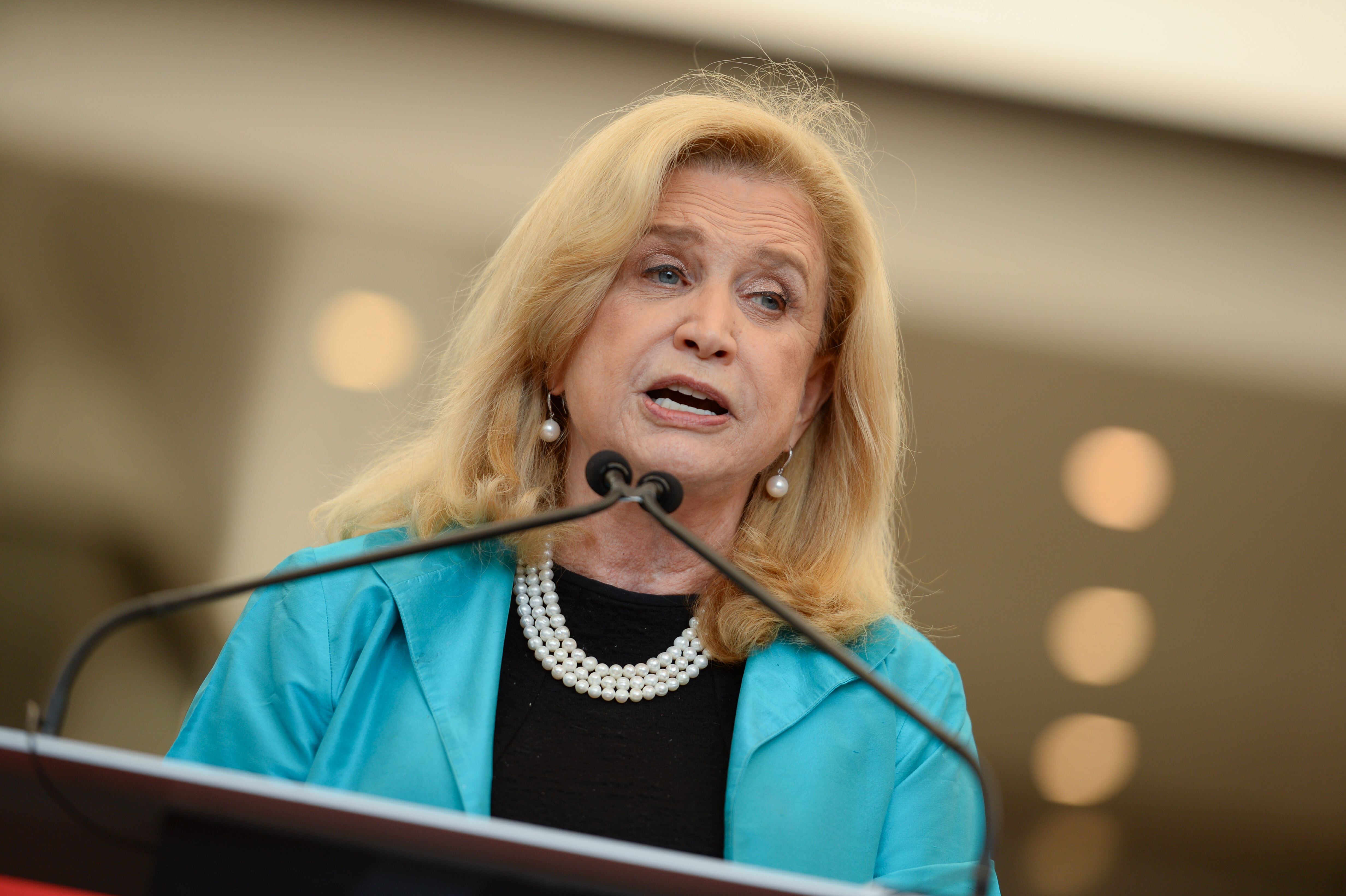
Rep.Carolyn Maloney (D-NY) released a report titled "Earn Less, Pay More," that highlights the cost discrepancies between women's and men's products. She spoke to Cheddar about her findings on Women's Equality Day.