By Josh Boak
The Treasury Department said Monday that 39 million families are set to receive monthly child payments beginning on July 15.
The payments are part of President Joe Biden's $1.9 trillion coronavirus relief package, which expanded the child tax credit for one year and made it possible to pre-pay the benefits on a monthly basis. Nearly 88% of children are set to receive the benefits without their parents needing to take any additional action.
“This tax cut sends a clear and powerful message to American workers, working families with children: Help is here,” Biden said in remarks at the White House.
Qualified families will receive a payment of up to $300 per month for each child under 6 and up to $250 per month for children between the ages of 6 and 17. The child tax credit was previously capped at $2,000 and only paid out to families with income tax obligations after they filed with the IRS.
But for this year, couples earning $150,000 or less can receive the full payments on the 15th of each month, in most cases by direct deposit. The benefits total $3,600 annually for children under 6 and $3,000 for those who are older. The IRS will determine eligibility based on the 2019 and 2020 tax years, but people will also be able to update their status through an online portal. The administration is also setting up another online portal for non-filers who might be eligible for the child tax credit.
The president has proposed an extension of the increased child tax credit through 2025 as part of his $1.8 trillion families plan. Outside analysts estimate that the payments could essentially halve child poverty. The expanded credits could cost roughly $100 billion a year.
Updated on May 17, 2021, at 2:06 p.m. ET with the latest details.
These are the headlines you Need 2 Know.
Shares of Tesla dropped after hours Thursday after the Securities and Exchange Commission filed a [lawsuit] (https://www.scribd.com/document/389617044/SEC-vs-MUSK#from_embed) against CEO Elon Musk in federal court, alleging that the billionaire founder committed securities fraud when he tweeted about taking the company private with "funding secured" on Aug. 7. In the complaint, the SEC seeks to bar Musk from being an officer of a public company.
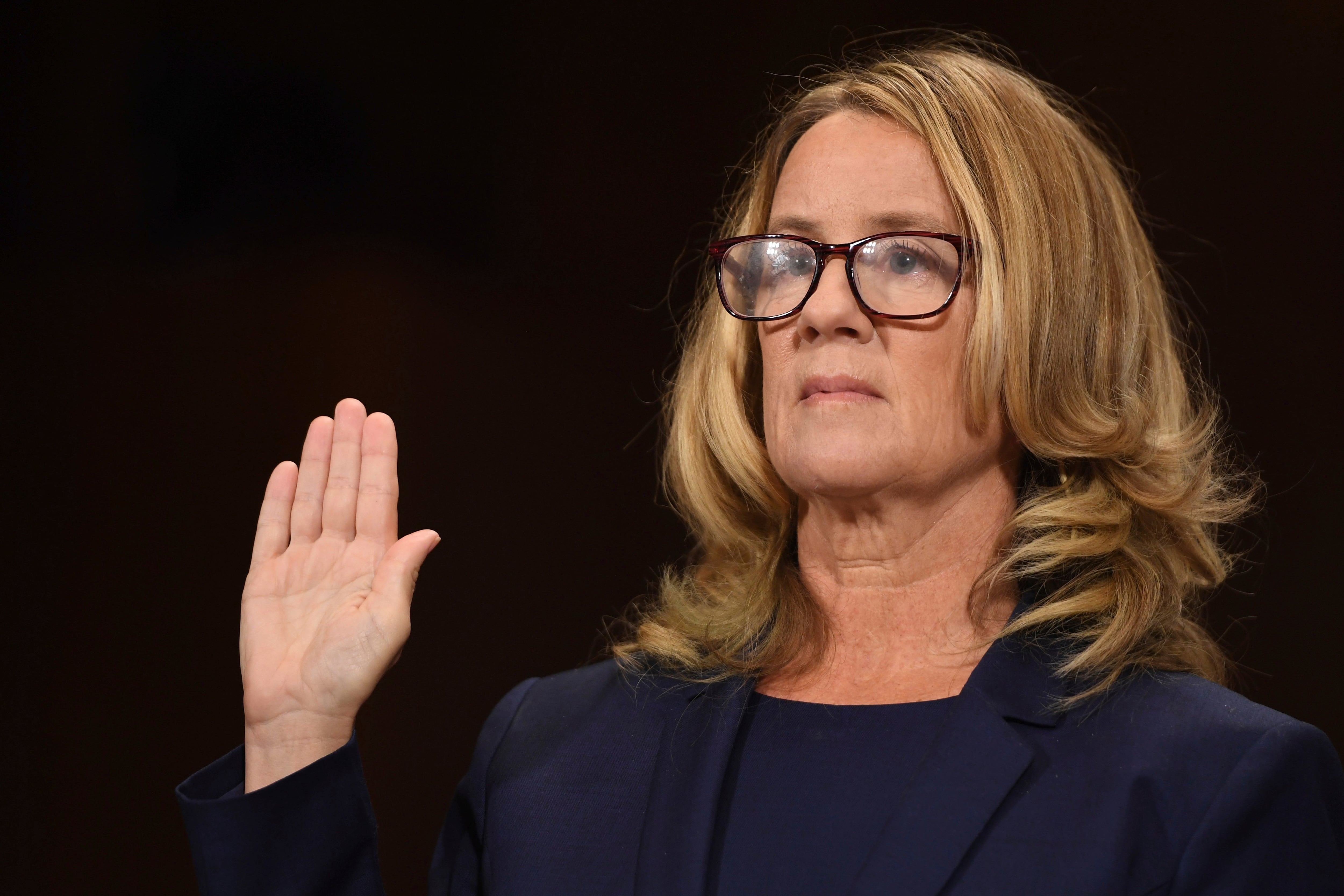
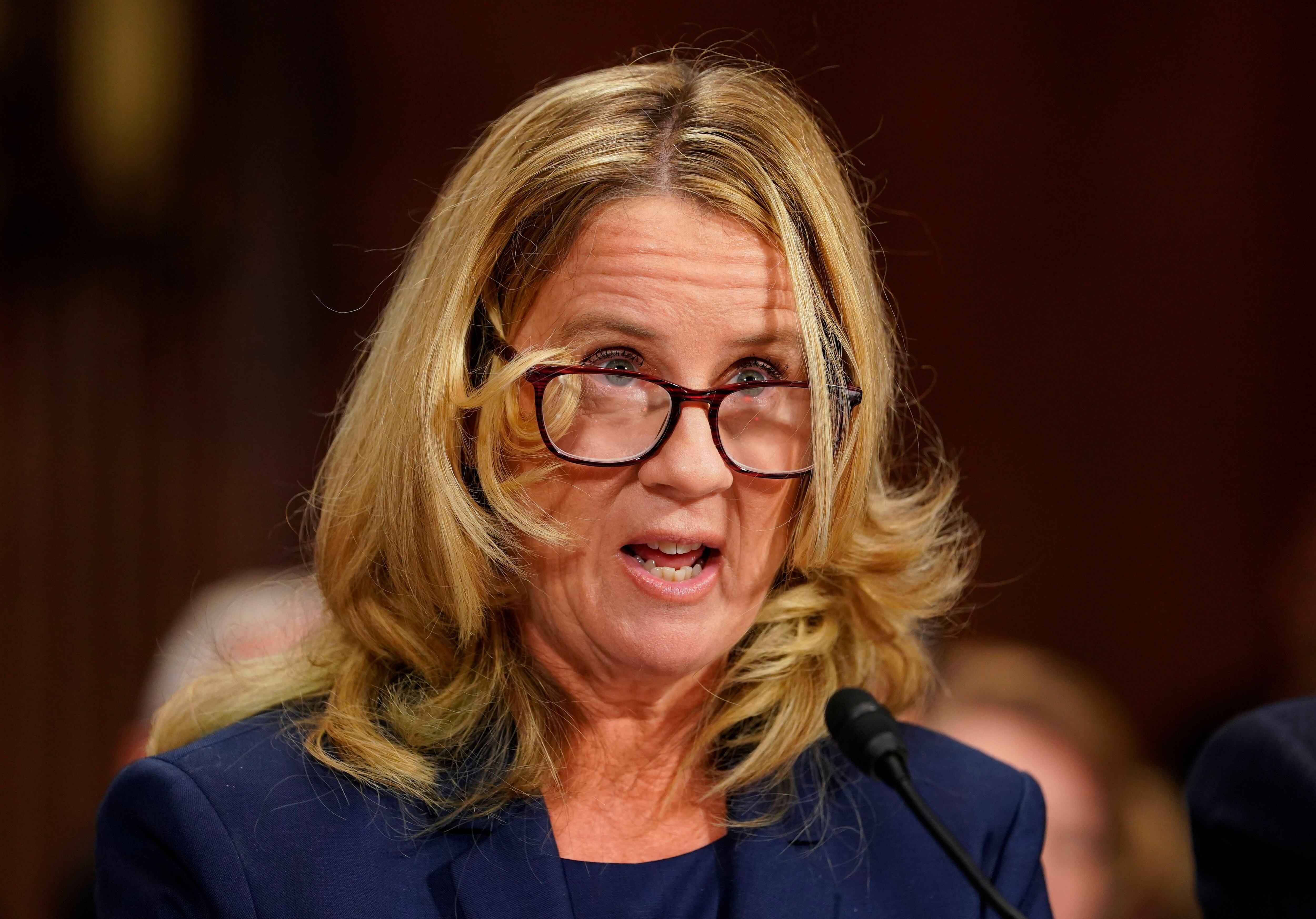
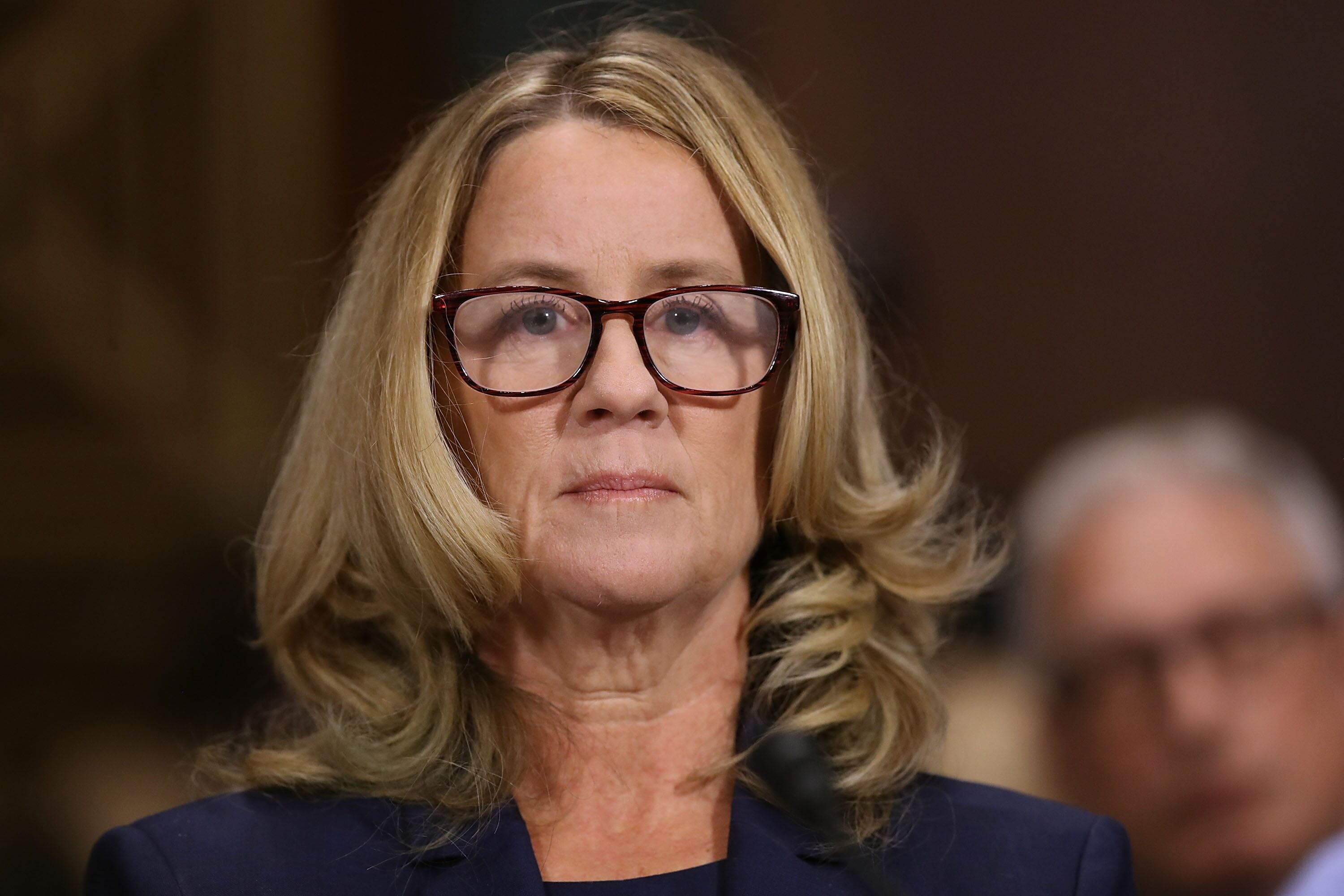
Supreme Court nominee Brett Kavanaugh was both furious and emotional in testimony Thursday afternoon in front of the Senate Judiciary Committee. He emphatically denied the sexual assault accusations against him, which were detailed from the same chair by Dr. Christine Blasey Ford earlier in the day.
"My family and my name have been totally and permanently destroyed," Kavanaugh said.
Rep. Nita Lowey played a key role in the Anita Hill hearings in 1991 when then-Supreme Court nominee Clarence Thomas was accused of sexual harassment. On Thursday, Lowey was present for Christine Blasey Ford's testimony about current nominee Brett Kavanaugh's alleged sexual assault and spoke of the differences between the two eras.
Prof. Christine Blasey Ford spoke to the Senate Judiciary Committee about her memories from the night of her alleged assault. She said the memory that has stuck with her the most is the laughter from Supreme Court nominee Brett Kavanaugh and Mark Judge as Kavanaugh was on top of her.
On Thursday morning Prof. Christine Blasey Ford appeared in front of the Senate Judiciary Committee to testify on her alleged sexual assault by Supreme Court nominee Brett Kavanaugh.
These are the headlines you Need 2 Know.
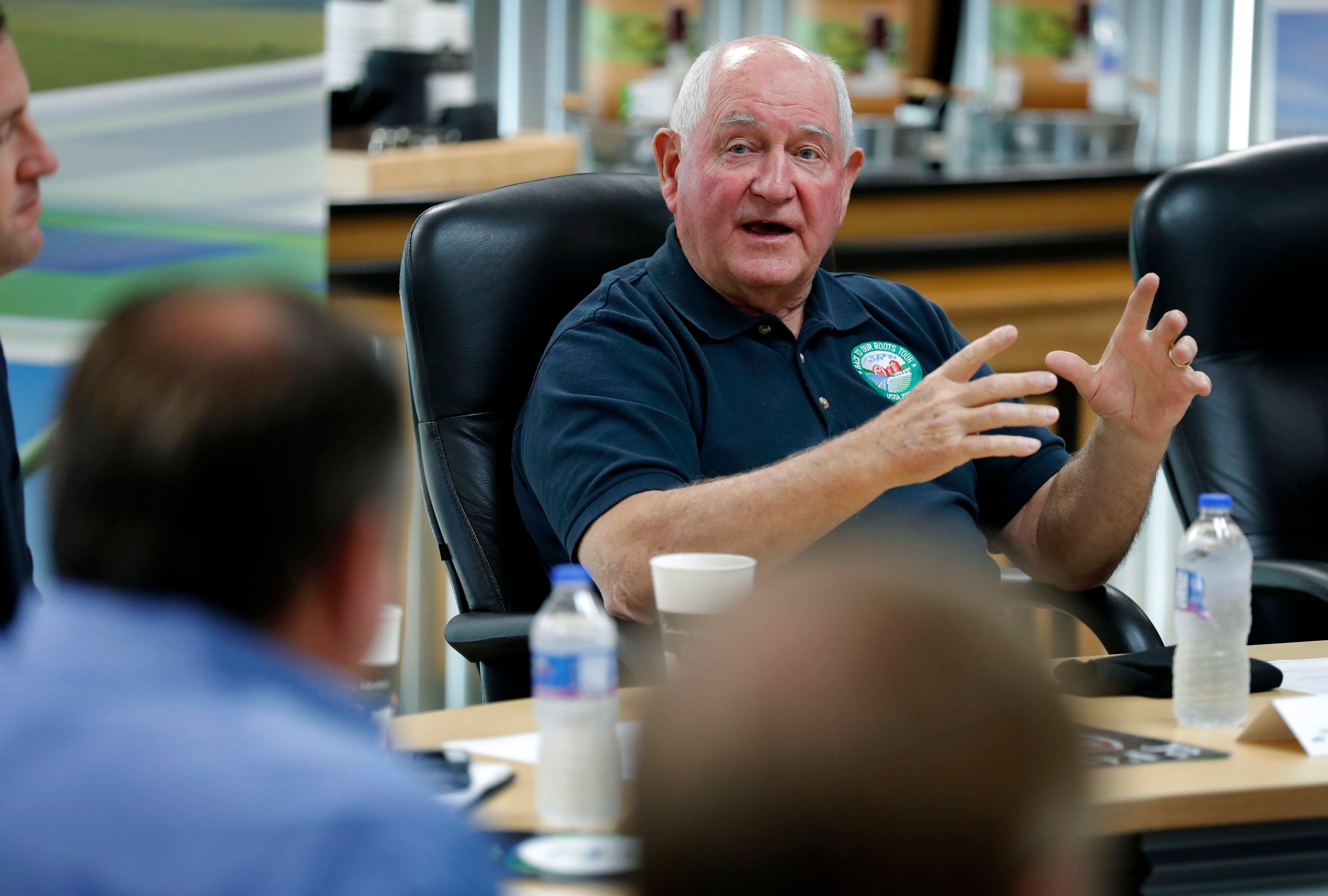
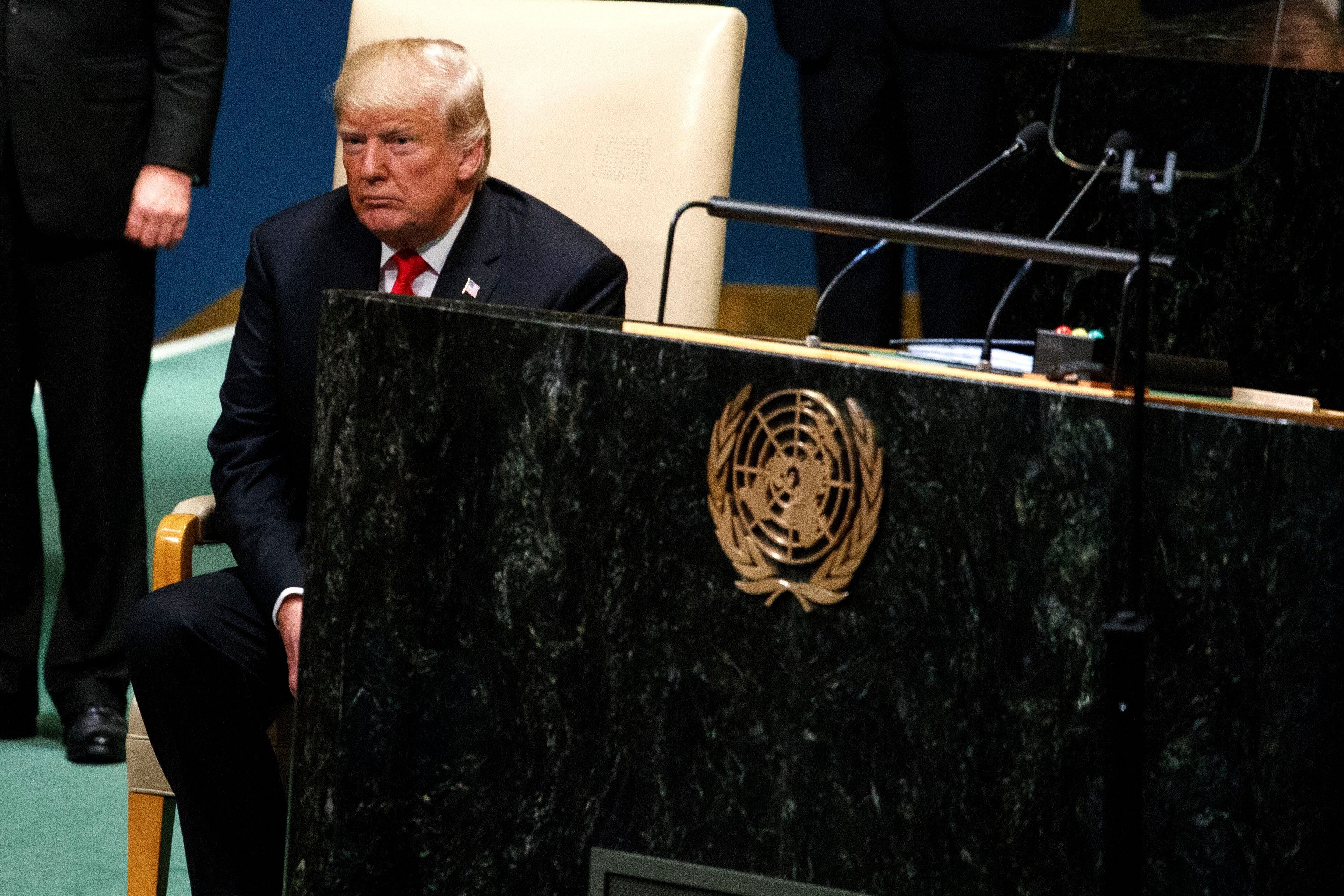
Sonny Perdue, U.S. Secretary of Agriculture, said American farmers understand the need for tariffs on Chinese imports, even if they might feel some short-term pain. After President Trump imposed tariffs on China, American farmers began to feel the effects. China is the largest importer of American soybeans and that revenue stream has now been cut off. The federal government pledged $12 billion as temporary relief for farmers affected by Trump's tariffs.
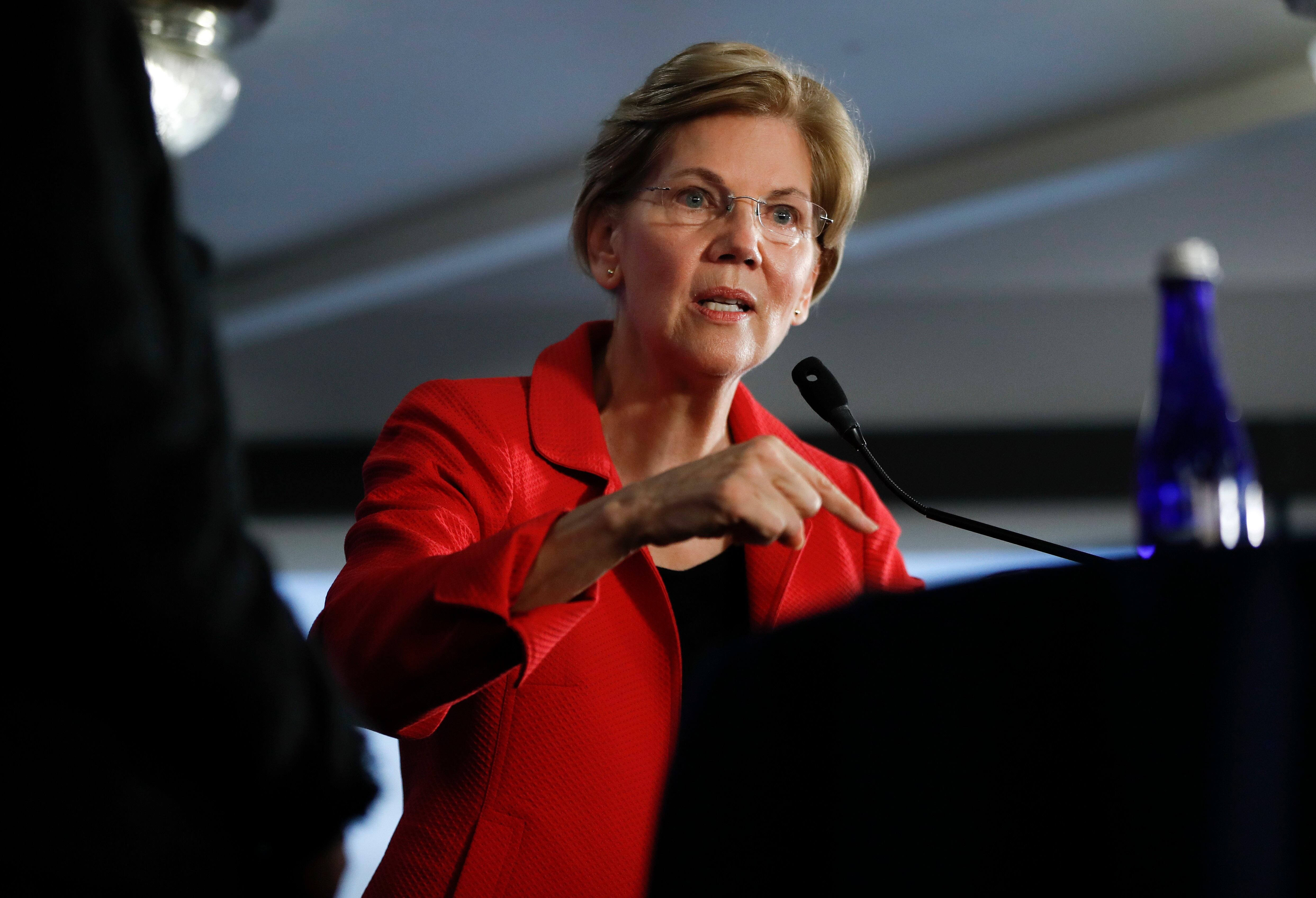
Sen. Elizabeth Warren (D-MA) is currently promoting a new housing bill that calls for $450 billion to build and renovate affordable housing over the next 10 years. Warren is suggesting an estate tax on the 10,000 top earners in the U.S. to fund the bill. Warren said it's not about "punishing" people for their economic success, but rather for everyone to pay their fair share and allow middle Americans to accrue wealth through homeownership.
These are the headlines you Need 2 Know.