By Josh Boak
The Treasury Department said Monday that 39 million families are set to receive monthly child payments beginning on July 15.
The payments are part of President Joe Biden's $1.9 trillion coronavirus relief package, which expanded the child tax credit for one year and made it possible to pre-pay the benefits on a monthly basis. Nearly 88% of children are set to receive the benefits without their parents needing to take any additional action.
“This tax cut sends a clear and powerful message to American workers, working families with children: Help is here,” Biden said in remarks at the White House.
Qualified families will receive a payment of up to $300 per month for each child under 6 and up to $250 per month for children between the ages of 6 and 17. The child tax credit was previously capped at $2,000 and only paid out to families with income tax obligations after they filed with the IRS.
But for this year, couples earning $150,000 or less can receive the full payments on the 15th of each month, in most cases by direct deposit. The benefits total $3,600 annually for children under 6 and $3,000 for those who are older. The IRS will determine eligibility based on the 2019 and 2020 tax years, but people will also be able to update their status through an online portal. The administration is also setting up another online portal for non-filers who might be eligible for the child tax credit.
The president has proposed an extension of the increased child tax credit through 2025 as part of his $1.8 trillion families plan. Outside analysts estimate that the payments could essentially halve child poverty. The expanded credits could cost roughly $100 billion a year.
Updated on May 17, 2021, at 2:06 p.m. ET with the latest details.
A record number of women are on the ballot next week, but many have struggled to finance their campaigns. Sarah Chamberlain, president and CEO of Republican Main Street Partnership, explains the funding gap that follows women on the campaign trail.
Axios is taking a different approach to success than many of its traditional media rivals. In a click-bait media universe, the digital media start-up is prioritizing engagement over page views. "We need engaged users, not just users," co-founder Roy Schwartz told Cheddar.
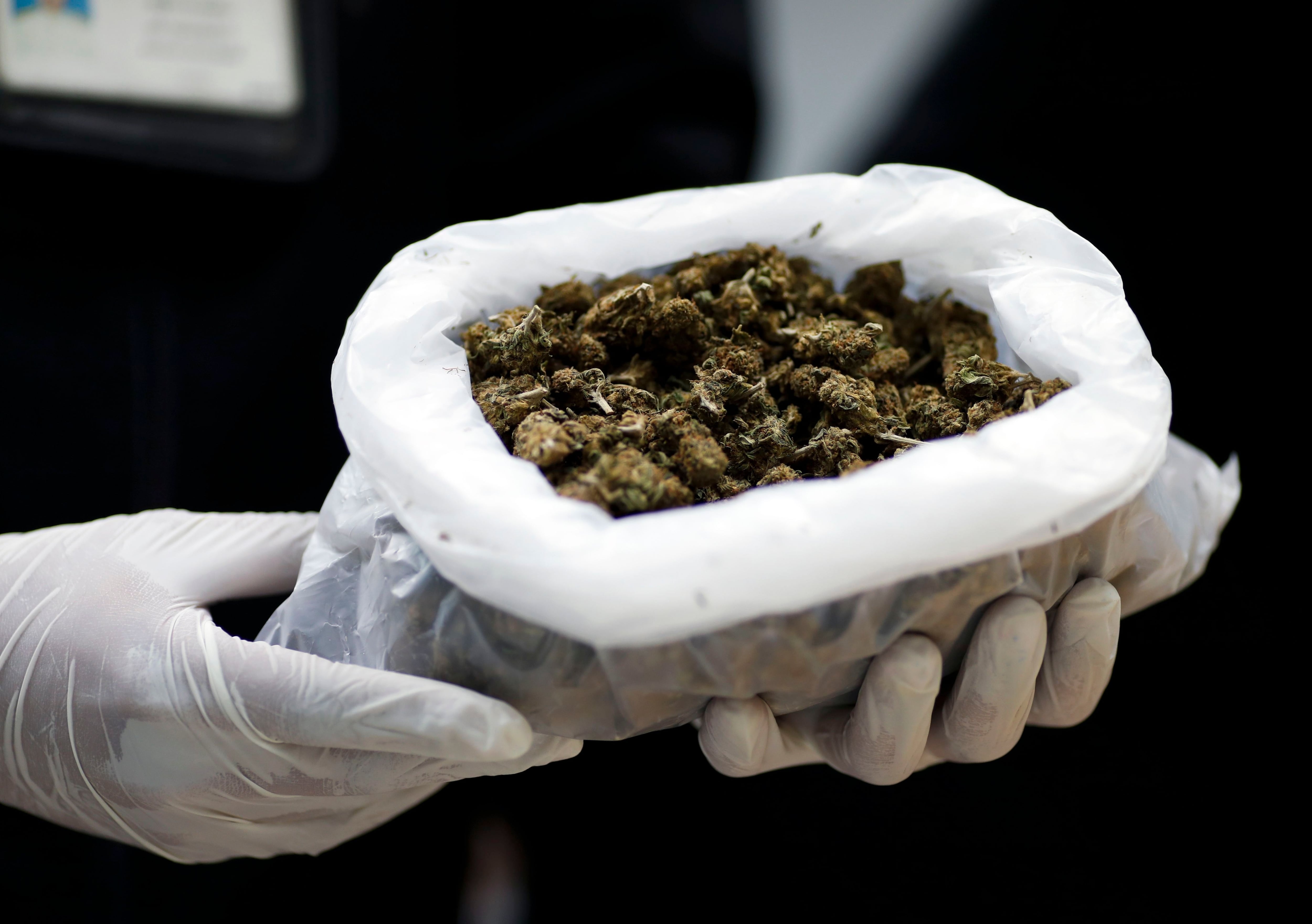
On Tuesday, Missouri could become the 32nd state in the U.S. to legalize medical marijuana. Cannabis legalization has garnered more public support in recent years, and medical pot is often thought to be the gateway to fuller legalization. While the Missouri medical community is split on the drug's medicinal value, much of the student body at the University of Missouri has a pro-legalization stance.
These are the headlines you Need 2 Know.
Debbie Mucarsel-Powell, the Democratic candidate running in Florida's 26th district, is slamming ads attacking her, including one that shows a man pointing a gun. Mucarsel-Powell lost her father to gun violence.
The markets looked to recover losses for October in the last day of trading for the month. Facebook shares were making solid gains on the heels of its third-quarter earnings results. Revenue slowed but the company beat estimates on earnings per share. Plus, Debbie Mucarsel-Powell, an Ecuadorian immigrant running to represent Florida's 26th district, tells Cheddar the changes she would make if elected to office. The midterms are just six days out.
October's reputation as a volatile month for stocks will remain unbroken ー at least for now. The S&P 500 will close its worst October since the financial crisis a decade ago and its worst month in eight years. The gains in equities from a summer rally have been wiped out across just about every slice of the market.
These are the headlines you Need 2 Know.
It's been nearly two weeks since Canada opened the retail market for recreational marijuana, and now it faces a shortage of supply across many of the retail operations in a number of provinces. "Given the robustness of the demand, suppliers clearly did have challenges getting the stores full and adequately supplied," Cowen Managing Director Vivien Azer told Cheddar's CannaBiz Tuesday.
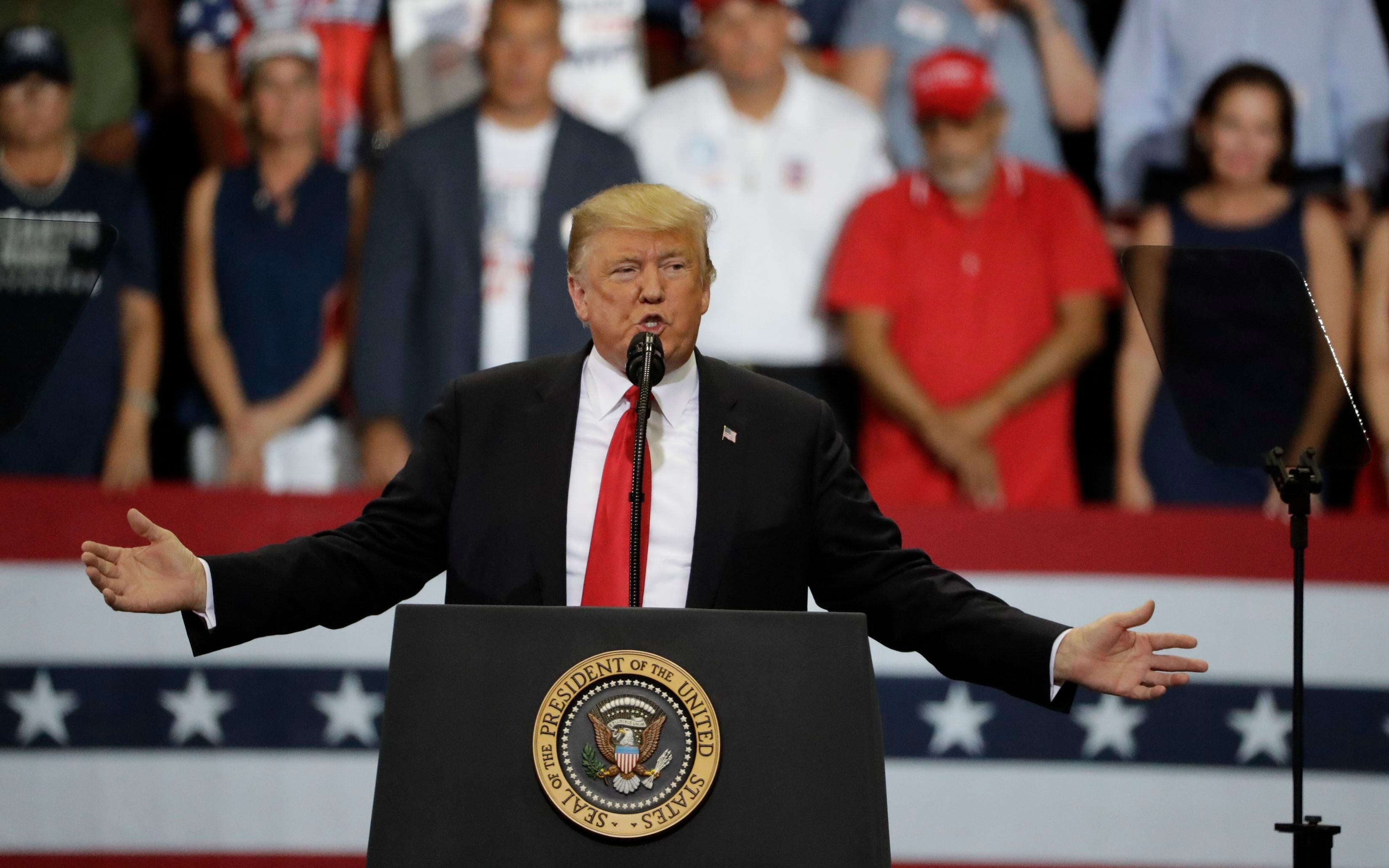
It's not a coincidence that President Trump said he would sign an executive order to end birthright citizenship a week before a pivotal election. That's according to David Graham, a staff writer at The Atlantic, who explained the politics behind the bombshell announcement.