By Josh Boak
The Treasury Department said Monday that 39 million families are set to receive monthly child payments beginning on July 15.
The payments are part of President Joe Biden's $1.9 trillion coronavirus relief package, which expanded the child tax credit for one year and made it possible to pre-pay the benefits on a monthly basis. Nearly 88% of children are set to receive the benefits without their parents needing to take any additional action.
“This tax cut sends a clear and powerful message to American workers, working families with children: Help is here,” Biden said in remarks at the White House.
Qualified families will receive a payment of up to $300 per month for each child under 6 and up to $250 per month for children between the ages of 6 and 17. The child tax credit was previously capped at $2,000 and only paid out to families with income tax obligations after they filed with the IRS.
But for this year, couples earning $150,000 or less can receive the full payments on the 15th of each month, in most cases by direct deposit. The benefits total $3,600 annually for children under 6 and $3,000 for those who are older. The IRS will determine eligibility based on the 2019 and 2020 tax years, but people will also be able to update their status through an online portal. The administration is also setting up another online portal for non-filers who might be eligible for the child tax credit.
The president has proposed an extension of the increased child tax credit through 2025 as part of his $1.8 trillion families plan. Outside analysts estimate that the payments could essentially halve child poverty. The expanded credits could cost roughly $100 billion a year.
Updated on May 17, 2021, at 2:06 p.m. ET with the latest details.
This morning on Cheddar Big News: President Trump says a pardon is "not off the table" for his former campaign chairman Paul Mananfort; families of victims of the Santa Fe, Tex. school shooting sue the parents of the gunman; and highlights from the National Tree Lighting in Washington, D.C.
These are the headlines you Need 2 Know for Thursday, Nov. 29, 2018.
Committees in the New Jersey state Senate and Assembly may have both approved a bill that would legalize recreational marijuana in the state, but the bill's success isn't certain, said Politico New Jersey Reporter Sam Sutton.
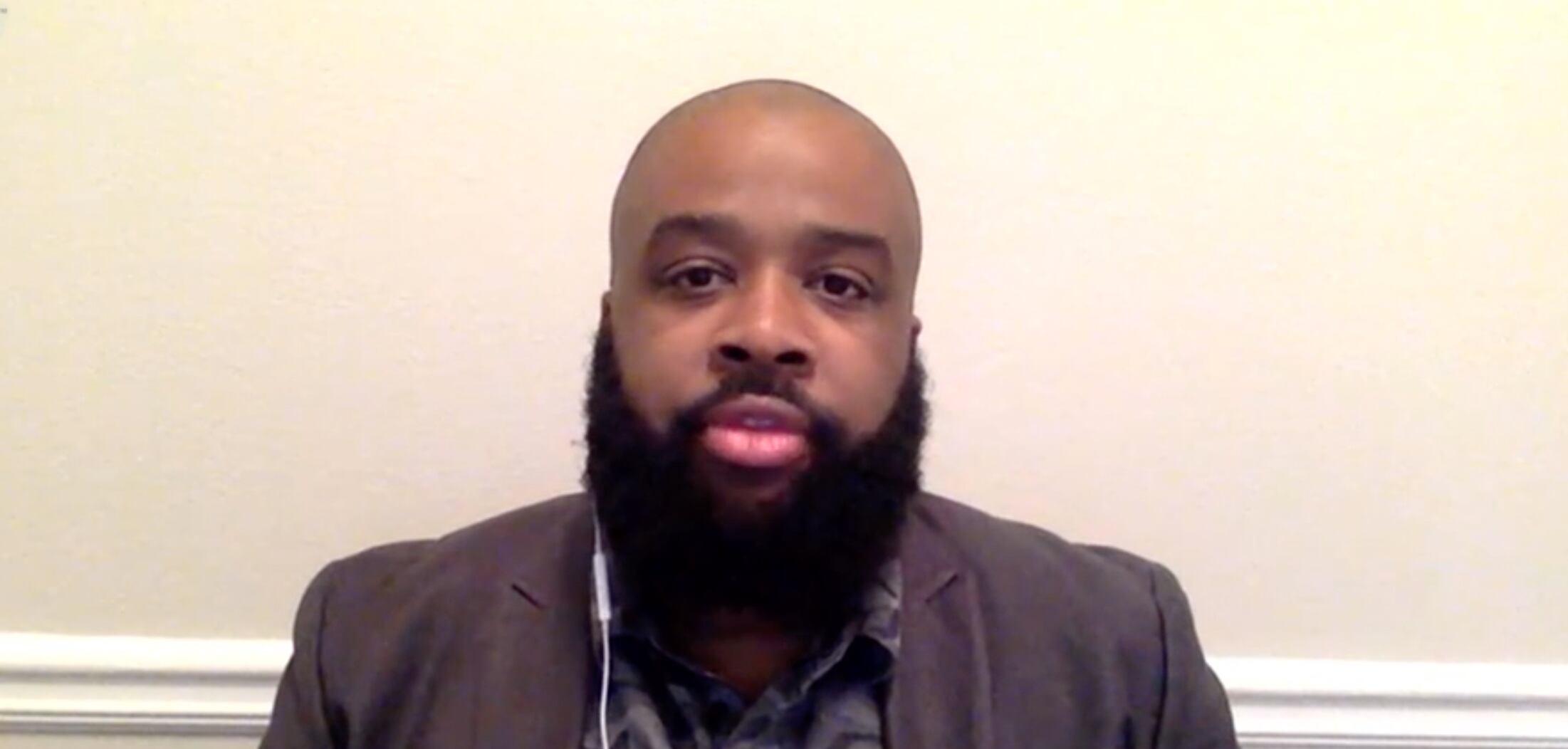
Facebook has failed to properly address its “black people problem,” a former employee told Cheddar Wednesday. Earlier this month, former partnerships manager Mark Luckie sent a searing memo criticizing the company’s lack of racial diversity to Facebook employees shortly before he left his post. He recently published the memo, which quickly went viral.
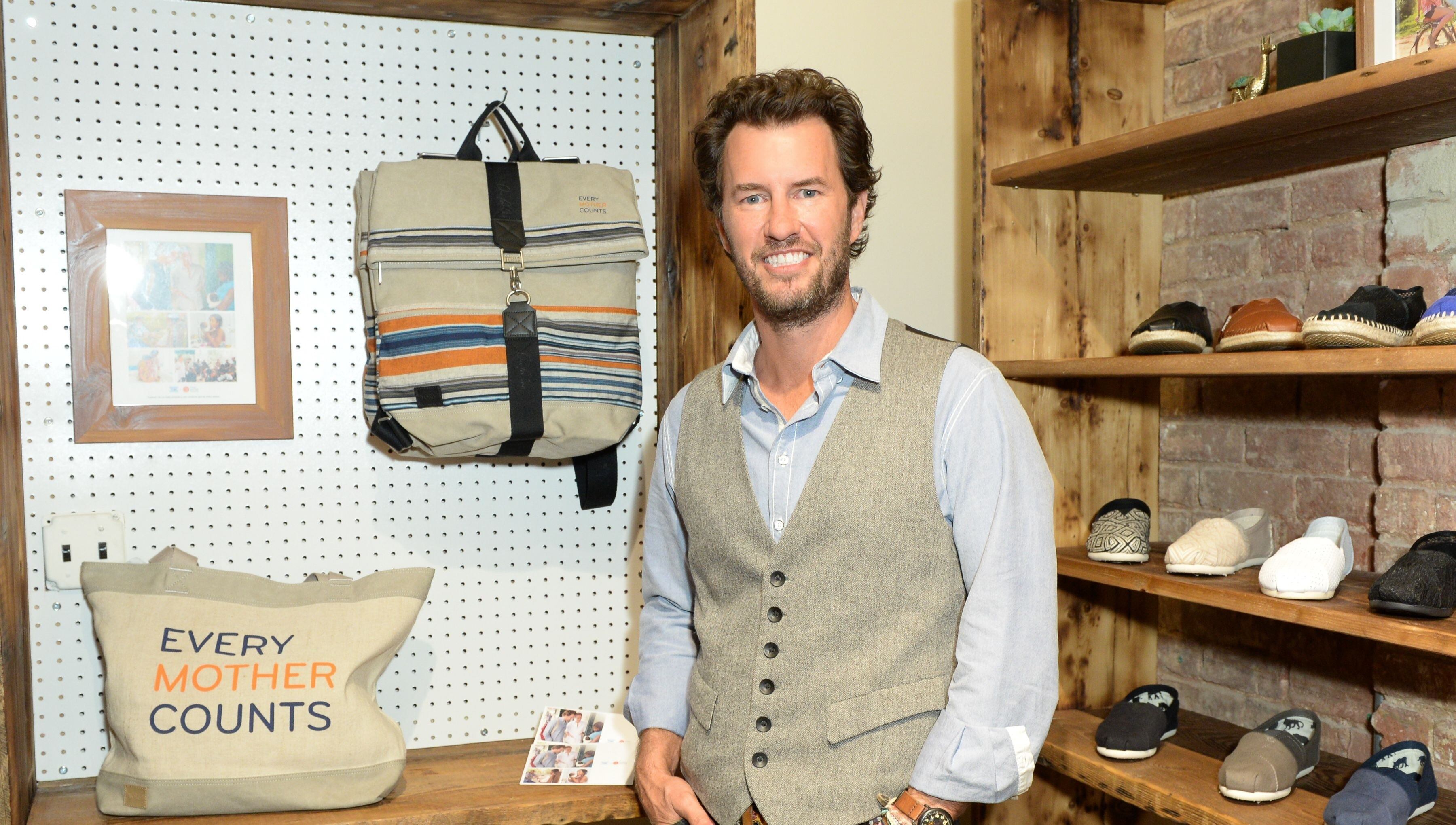
TOMS Founder Blake Mycoskie told Cheddar in an interview he decided after the recent shooting in Thousand Oaks, Calif., near his home, that it was incumbent on businesses to act where lawmakers could not.
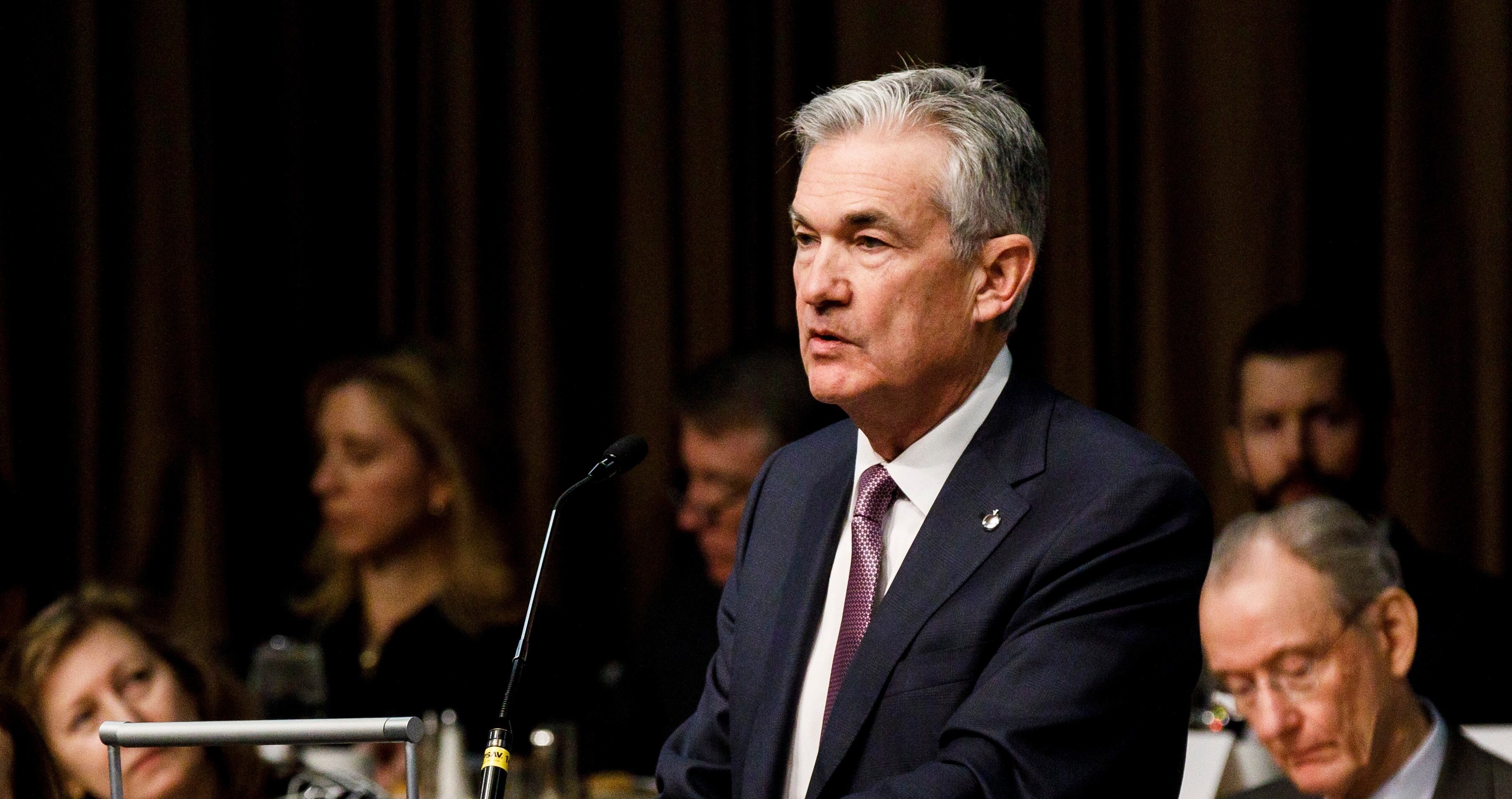
Fed Chair Jerome Powell addressed a luncheon Tuesday with a tone that suggested interest rate hikes may slow. Investors loved what they heard, and markets soared in the wake of Powell's remarks.
Venezuela, once a vibrant economy with some of the richest oil reserves in the world, is now in economic crisis. Brian Price, executive producer of a new documentary "Venezuela: State of Disaster," explores how a country with so much promise devolved into utter economic disaster, where hospital patients are now told to "bring their own lightbulbs" to surgery so the doctor can see.
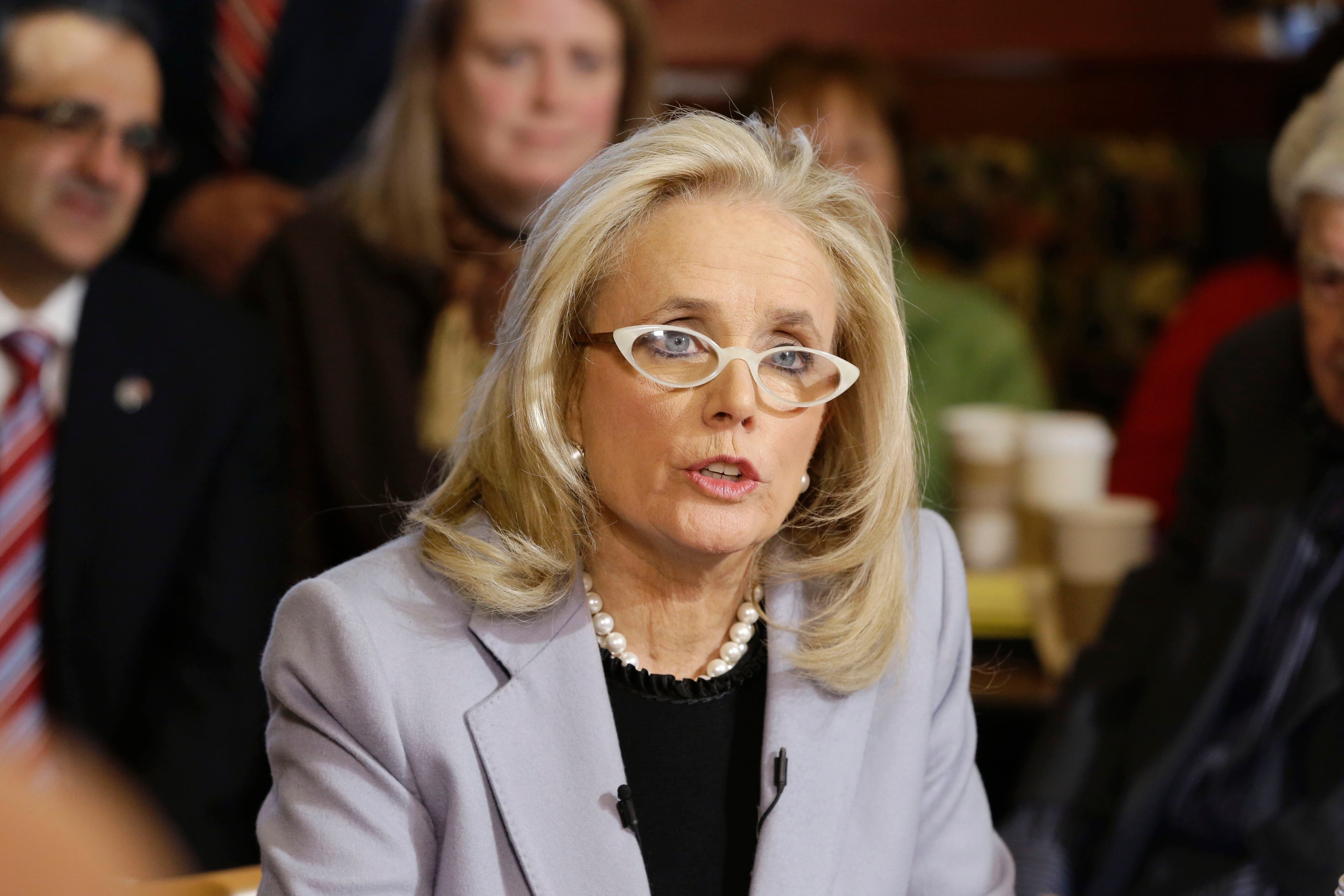
After General Motors announced it will be closing several plants and reducing its workforce significantly, there was bipartisan criticism from Americans and Congress. Democrat Debbie Dingell, a representative from a small suburb of Detroit, told Cheddar that she was backing out of her support for President Trump's trade policies if they meant GM jobs would be going to Mexico.
These are the headlines you Need 2 Know for Wednesday, Nov. 28. 2018.
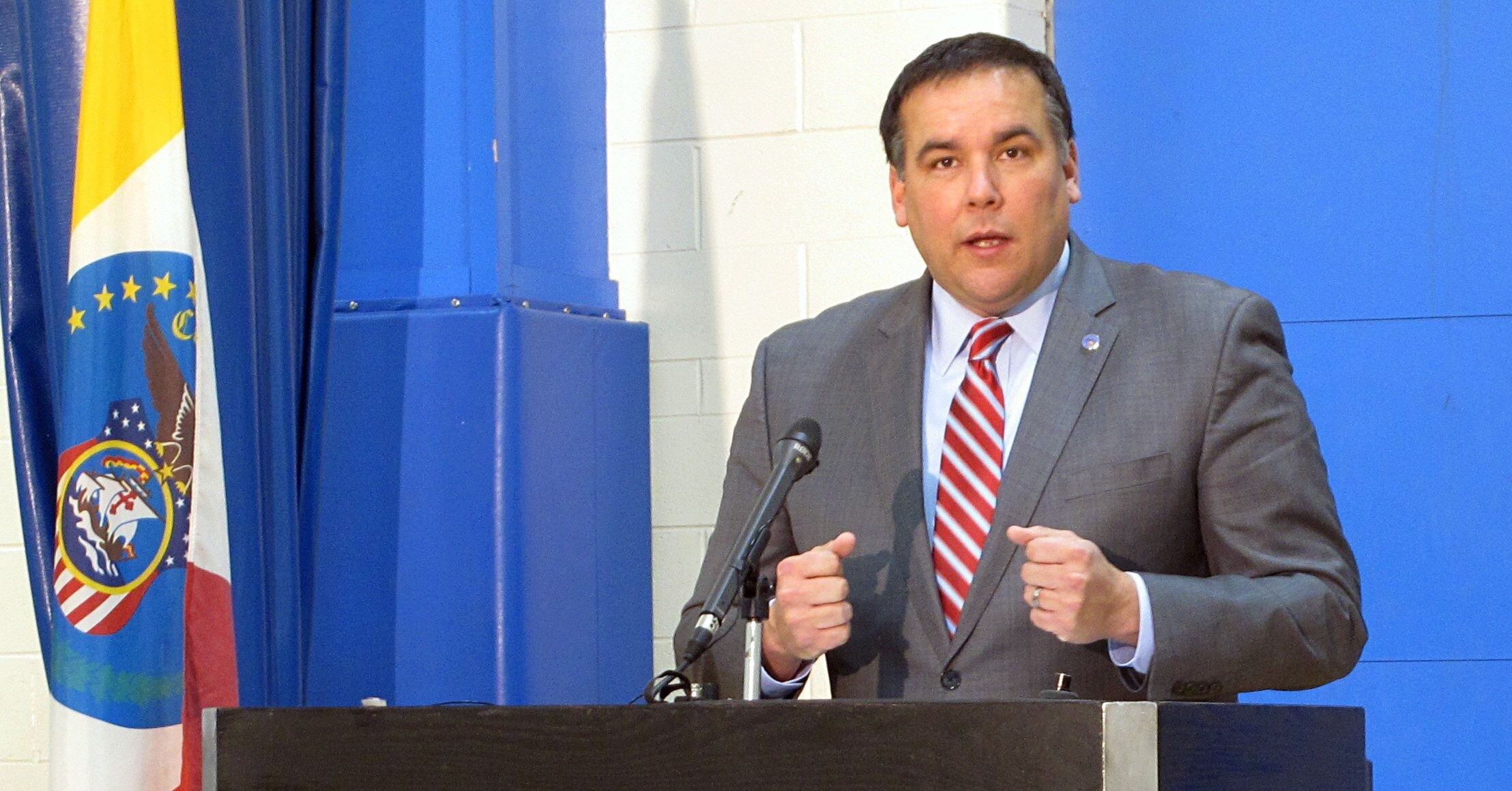
Columbus, Ohio, may not have won the bid for Amazon's HQ2, but the city isn't ready to retire its proposal quite yet. Mayor Andrew Ginther said the city's leaders plan to use their application as a road map to transform Columbus from a Midwestern destination into a national one.