By Josh Boak
The Treasury Department said Monday that 39 million families are set to receive monthly child payments beginning on July 15.
The payments are part of President Joe Biden's $1.9 trillion coronavirus relief package, which expanded the child tax credit for one year and made it possible to pre-pay the benefits on a monthly basis. Nearly 88% of children are set to receive the benefits without their parents needing to take any additional action.
“This tax cut sends a clear and powerful message to American workers, working families with children: Help is here,” Biden said in remarks at the White House.
Qualified families will receive a payment of up to $300 per month for each child under 6 and up to $250 per month for children between the ages of 6 and 17. The child tax credit was previously capped at $2,000 and only paid out to families with income tax obligations after they filed with the IRS.
But for this year, couples earning $150,000 or less can receive the full payments on the 15th of each month, in most cases by direct deposit. The benefits total $3,600 annually for children under 6 and $3,000 for those who are older. The IRS will determine eligibility based on the 2019 and 2020 tax years, but people will also be able to update their status through an online portal. The administration is also setting up another online portal for non-filers who might be eligible for the child tax credit.
The president has proposed an extension of the increased child tax credit through 2025 as part of his $1.8 trillion families plan. Outside analysts estimate that the payments could essentially halve child poverty. The expanded credits could cost roughly $100 billion a year.
Updated on May 17, 2021, at 2:06 p.m. ET with the latest details.
Elizabeth Warren made a vigorous case for a female president and stood behind her accusation suggesting sexism by progressive rival Bernie Sanders Tuesday night in a tense Democratic debate that raised gender as a key issue in the sprint to Iowa’s presidential caucuses.
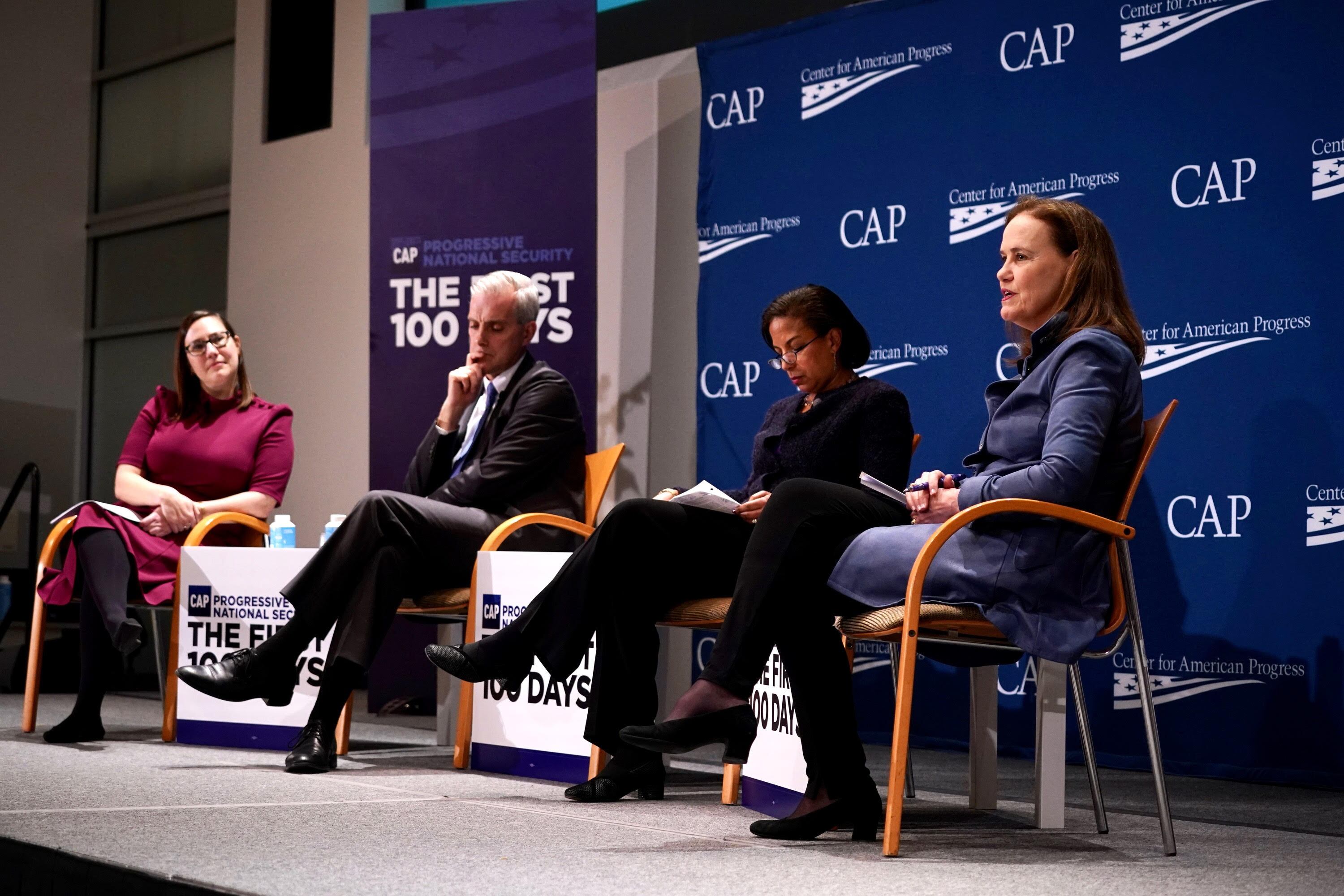
Senior foreign policy officials from the last several presidential administrations gathered in Washington D.C. Tuesday for a series of panels and workshops aimed at creating a “roadmap for an incoming administration’s first 100 days in office,” according to the Center for American Progress.
The House is preparing to vote Wednesday to send the articles of impeachment against President Donald Trump to the Senate to start the historic trial, several people told The Associated Press.
Here are the headlines you Need 2 Know for Tuesday, January 14, 2020.
Floridians will not have the opportunity to vote on recreational cannabis in November 2020. Make It Legal Florida, the organization behind a massive push to put adult-use cannabis on Florida's ballot, announced it will instead "shift focus" to the 2022 midterms.
Here are the headlines you Need 2 know for Monday, January 13, 2020
Cory Booker announced Monday that he is ending his presidential run after he failed to qualify for the January Democratic debate.
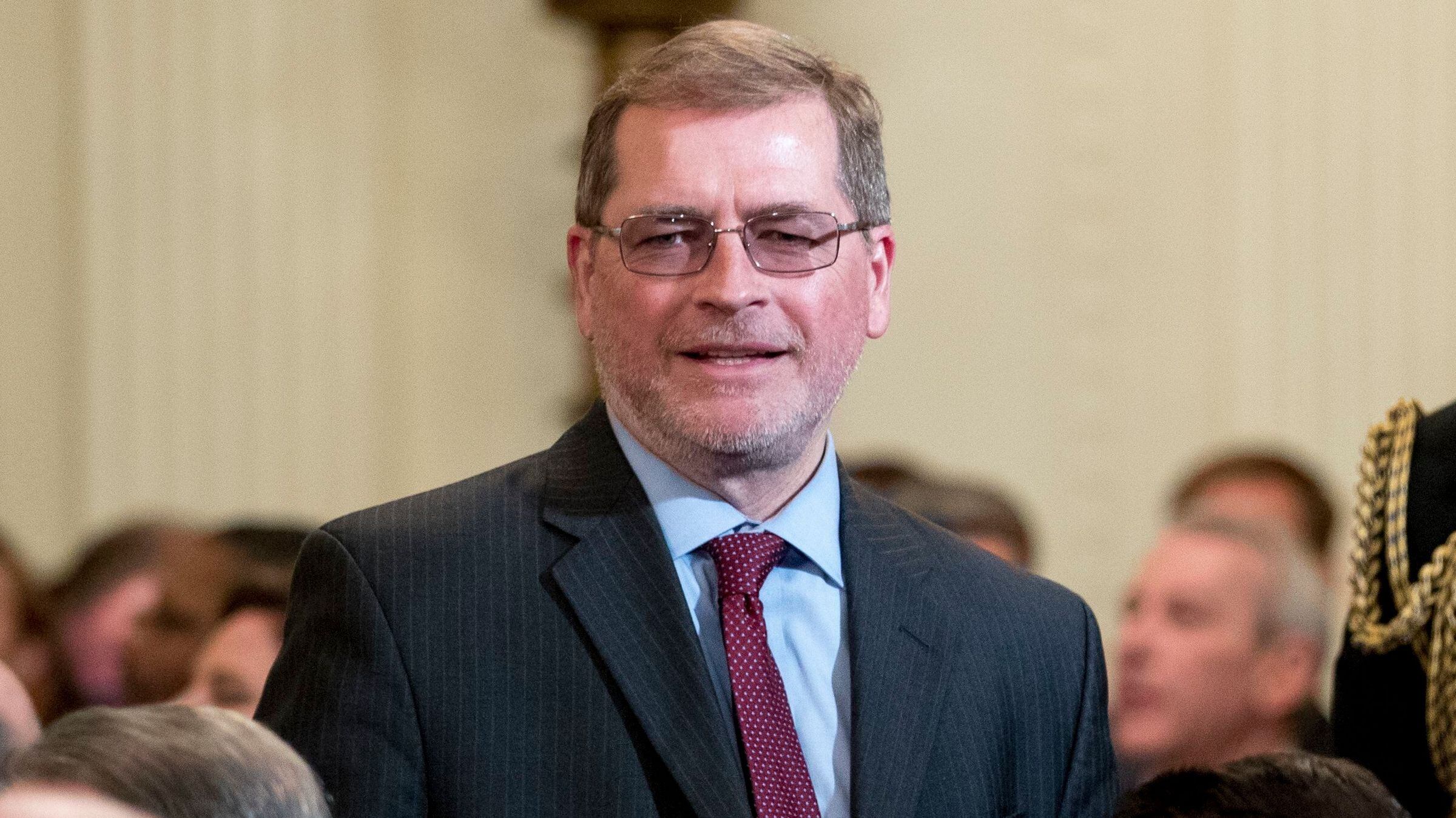
The president of Americans for Tax Reform particularly liked the numbers that showed an all-time low for discouraged workers.
From Wall Street to Silicon Valley, these are the top stories that moved markets and had investors, business leaders, and entrepreneurs talking this week on Cheddar.
Stocks are closing broadly lower on Wall Street after giving up early gains. The government's latest report on the jobs market showed a slowdown in hiring last month, but the number was solid enough to cement Wall Street's view that the job market is holding up.