The Treasury Department said Monday that 39 million families are set to receive monthly child payments beginning on July 15.
The payments are part of President Joe Biden's $1.9 trillion coronavirus relief package, which expanded the child tax credit for one year and made it possible to pre-pay the benefits on a monthly basis. Nearly 88% of children are set to receive the benefits without their parents needing to take any additional action.
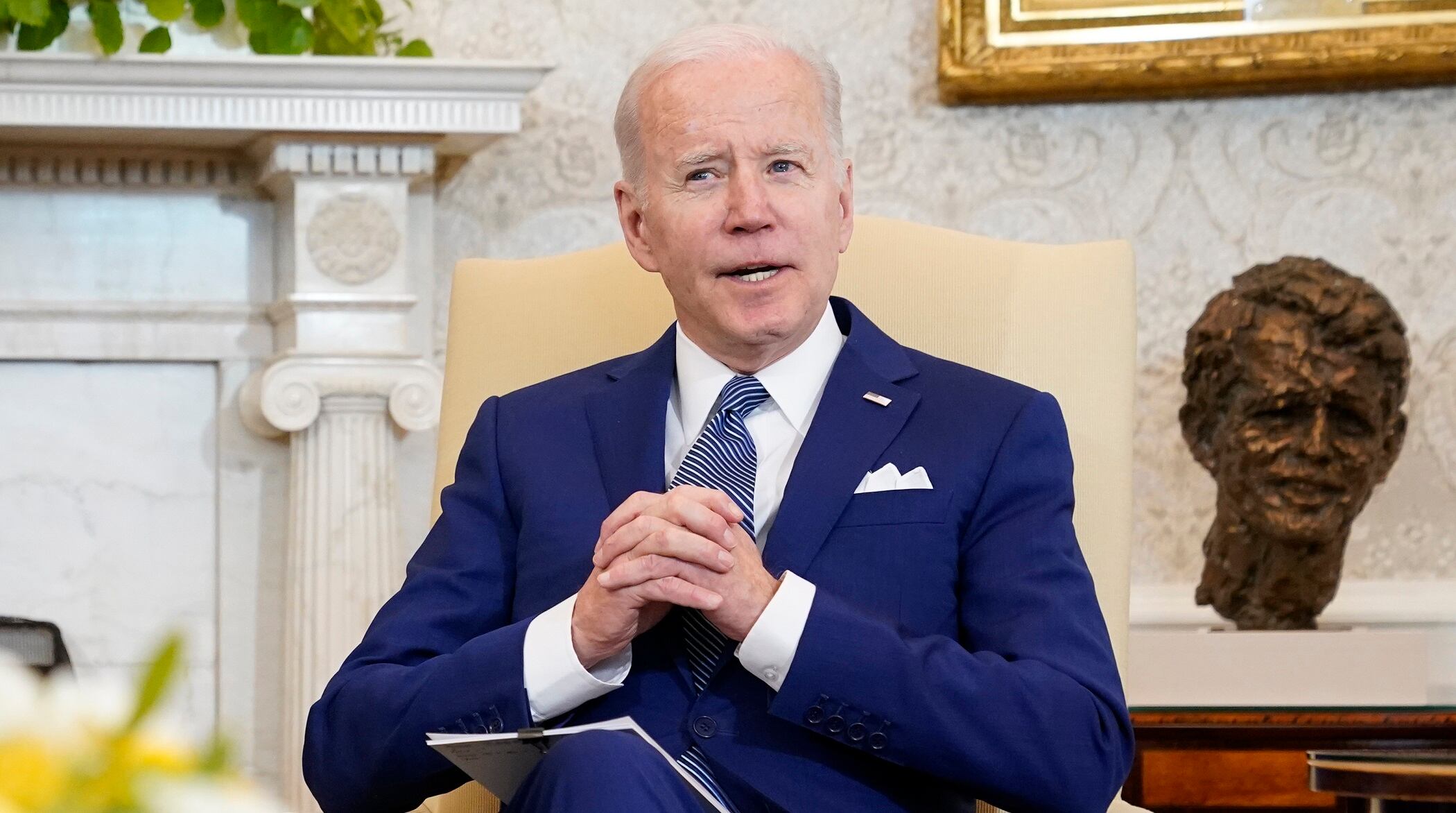
“This tax cut sends a clear and powerful message to American workers, working families with children: Help is here,” Biden said in remarks at the White House.
Qualified families will receive a payment of up to $300 per month for each child under 6 and up to $250 per month for children between the ages of 6 and 17. The child tax credit was previously capped at $2,000 and only paid out to families with income tax obligations after they filed with the IRS.
But for this year, couples earning $150,000 or less can receive the full payments on the 15th of each month, in most cases by direct deposit. The benefits total $3,600 annually for children under 6 and $3,000 for those who are older. The IRS will determine eligibility based on the 2019 and 2020 tax years, but people will also be able to update their status through an online portal. The administration is also setting up another online portal for non-filers who might be eligible for the child tax credit.
The president has proposed an extension of the increased child tax credit through 2025 as part of his $1.8 trillion families plan. Outside analysts estimate that the payments could essentially halve child poverty. The expanded credits could cost roughly $100 billion a year.
Updated on May 17, 2021, at 2:06 p.m. ET with the latest details.
President Joe Biden on Wednesday signed a long-awaited executive order on cryptocurrencies, striking a careful balance between highlighting the risks of digital assets and touting their potential benefits.
McDonald’s said Tuesday it is temporarily closing all of its 850 restaurants in Russia in response to the country's invasion of Ukraine. The burger giant said it will continue paying its 62,000 employees in Russia.
The price of nickel, one of the key minerals needed to produce stainless steel and lithium-ion batteries, saw an unprecedented surge Tuesday amid fears that Western sanctions could cut off Russian supplies of the crucial commodity.
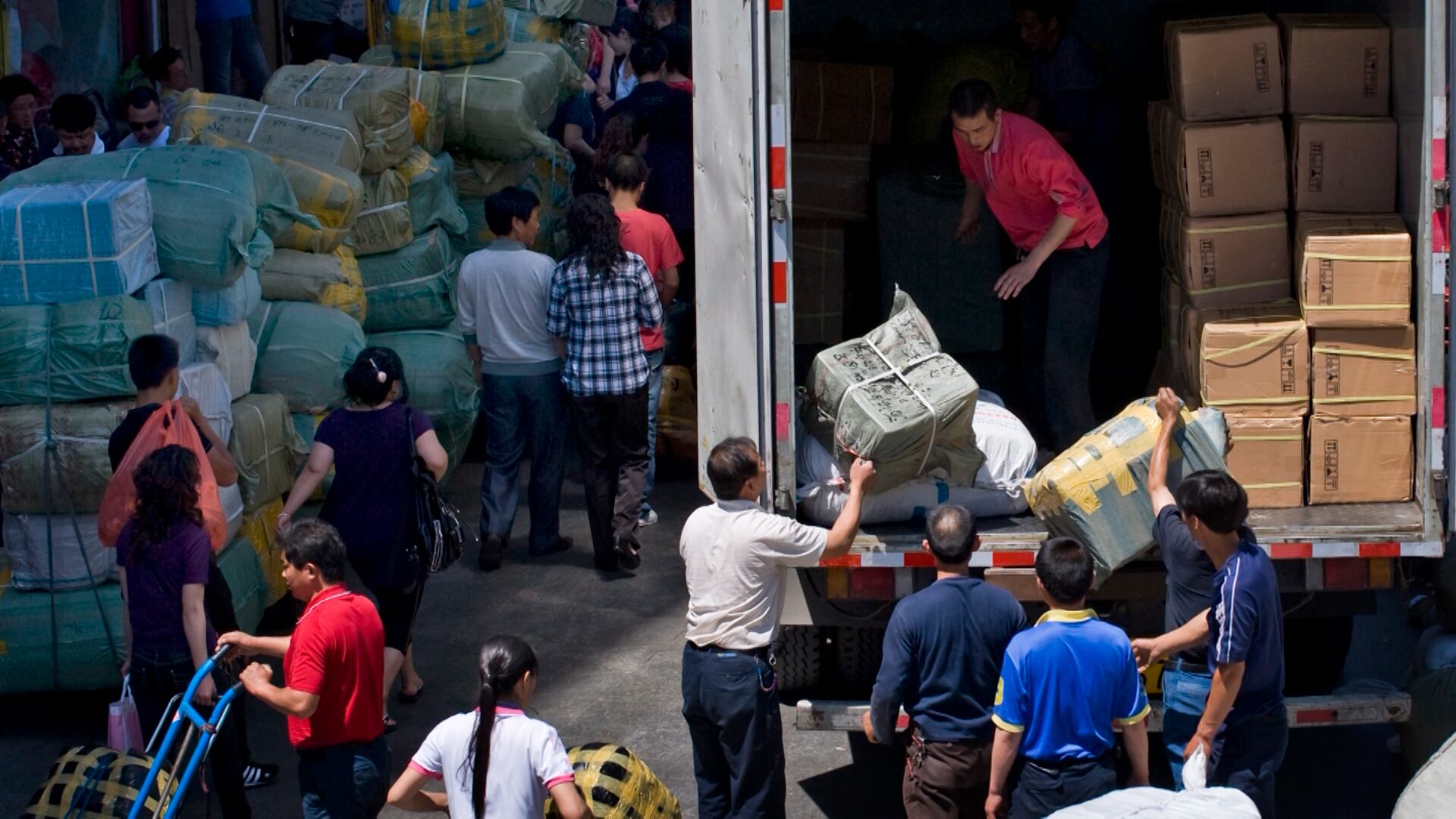
As Western companies cut ties with Russia over its invasion of Ukraine, there's a possibility their Chinese rivals could move in and fill the void. Major corporations such as Apple, Samsung, Dell, and more have halted sales in Russia in hopes of encouraging Putin to back down, but now it seems those sanctions could be presenting a unique opportunity for China. Michael Friedson, Co-founder and Executive Editor of The Media Line News Agency, joined Cheddar's Opening Bell to discuss how these Western boycotts are reshaping geopolitical alignments, the global economy, and international trade.
Gas prices have reached their highest level since 2008, topping an average of $4 across the country. The surge comes as Russia's invasion of Ukraine triggers supply concerns in what was already an extremely tight oil market. Jay Hatfield, Chief Investment Officer at ICAP, breaks down why costs at the pump are so high right now, and just how high they could go.
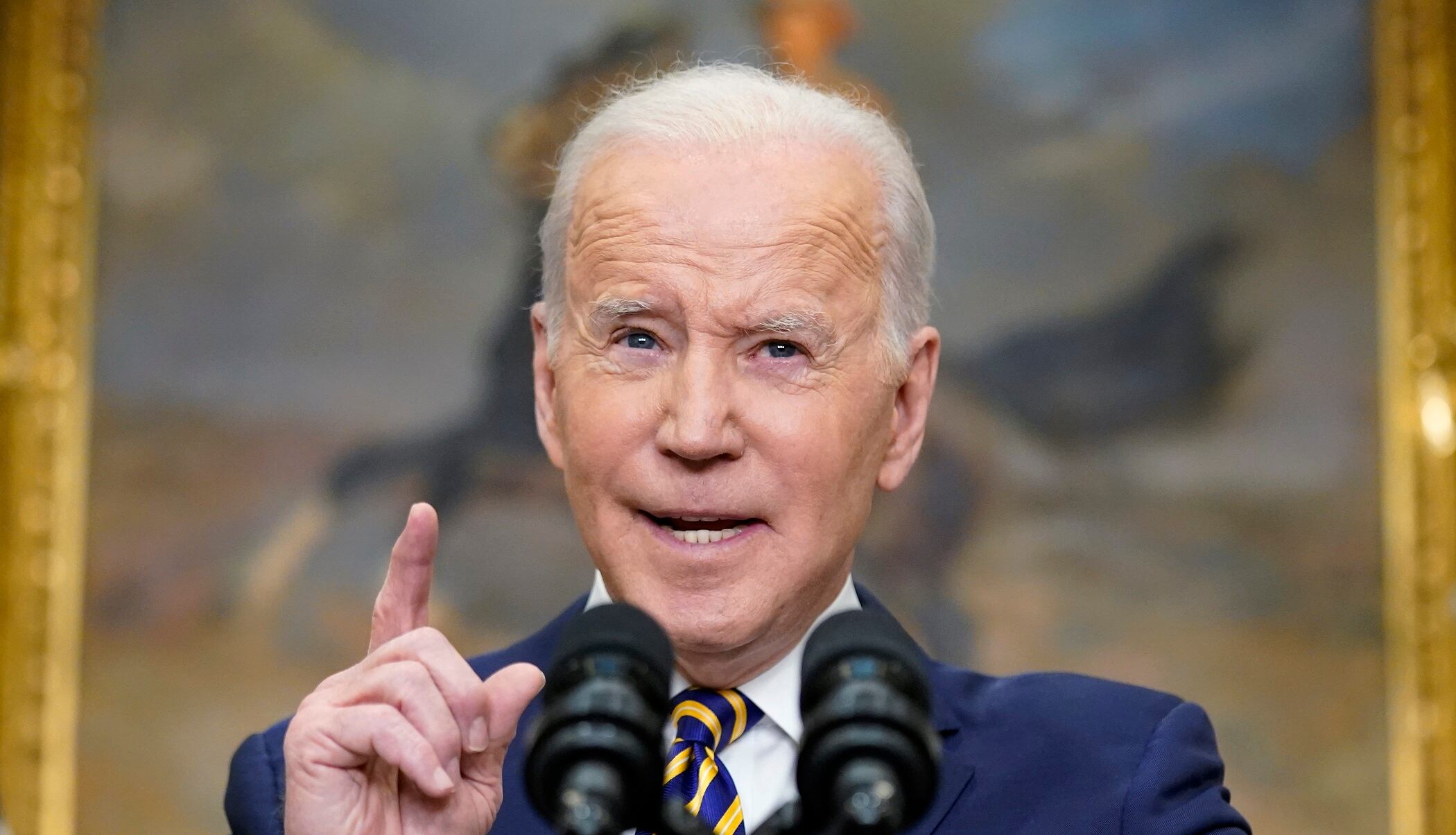
President Joe Biden has announced that the U.S. will ban all Russian oil imports, toughening the toll on Russia’s economy in retaliation for its invasion of Ukraine.
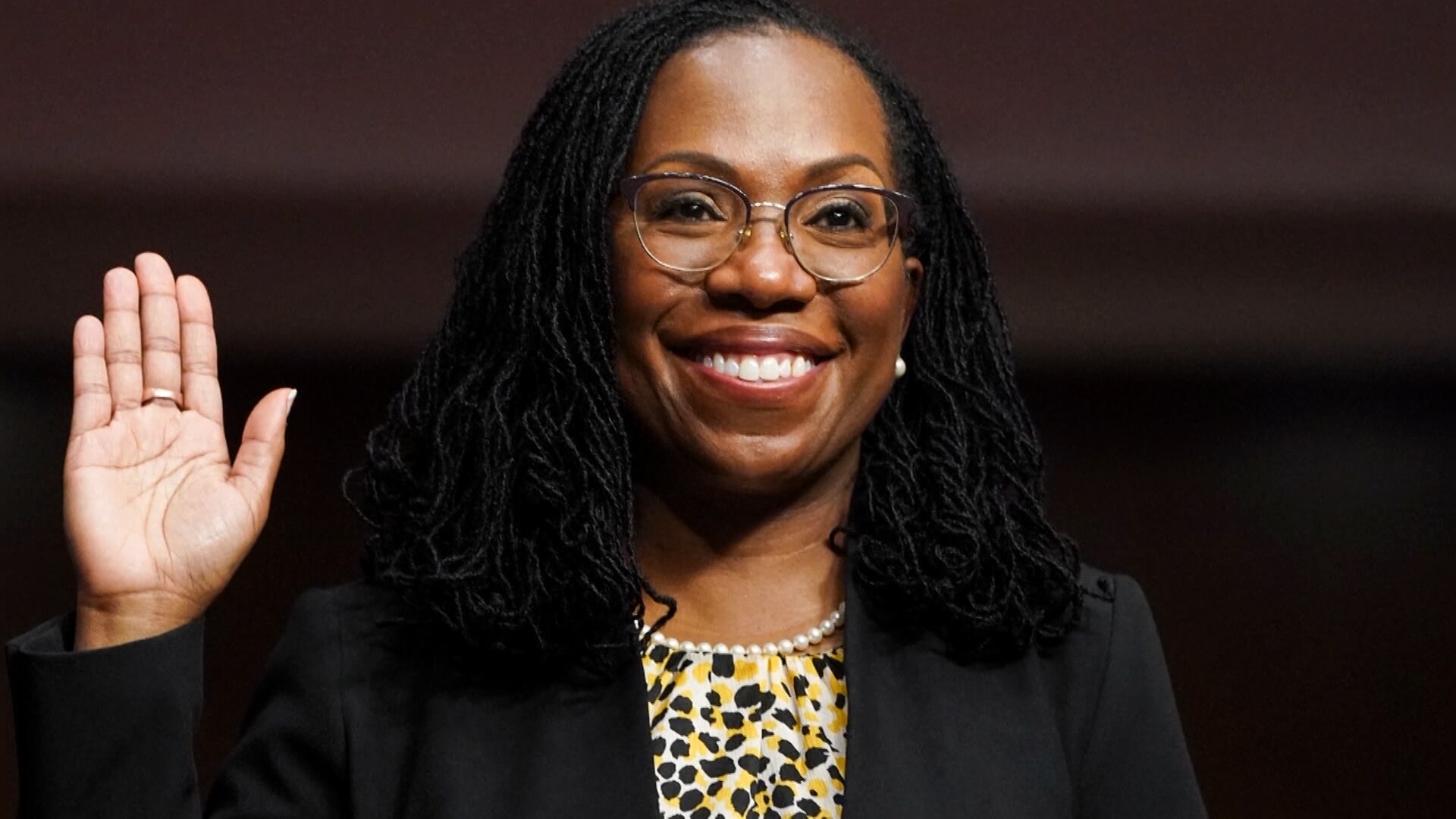
If confirmed, judge Ketanji Brown Jackson could become the first black woman on the bench of the U.S. Supreme Court. Cheddar News speaks with Katie Barlow, Chief Legal Correspondent at Fox 5 to discuss the significance of the nomination.
The European Union is historically divided and slow when it comes to decision-making, but in the recent weeks, the 27 members have agreed upon several sanctions and decisions regarding foreign policy and defense. The EU has cut off Russian banks from the swift payment system, blocked Russian propaganda channels, and closed European skies for air travel to and from Russia. Germany, for example, who has refused to send any deadly weapons to conflict zones, has now agreed to send lethal weapons to Ukraine. Rupert Steiner, London Bureau Chief at Barron's, joins cheddar news to discuss.
Sam Stovall, Chief Investment Strategist at CFRA Research, joins Cheddar News' Closing Bell where he dives into the factors contributing to Monday's market plunge and what could be in store when February's CPI data comes out on Tuesday.
Derek Shearer, former U.S. Ambassador to Finland and contributing writer for Washington Monthly, joins Cheddar News to discuss the latest developments in the Russia-Ukraine conflict.