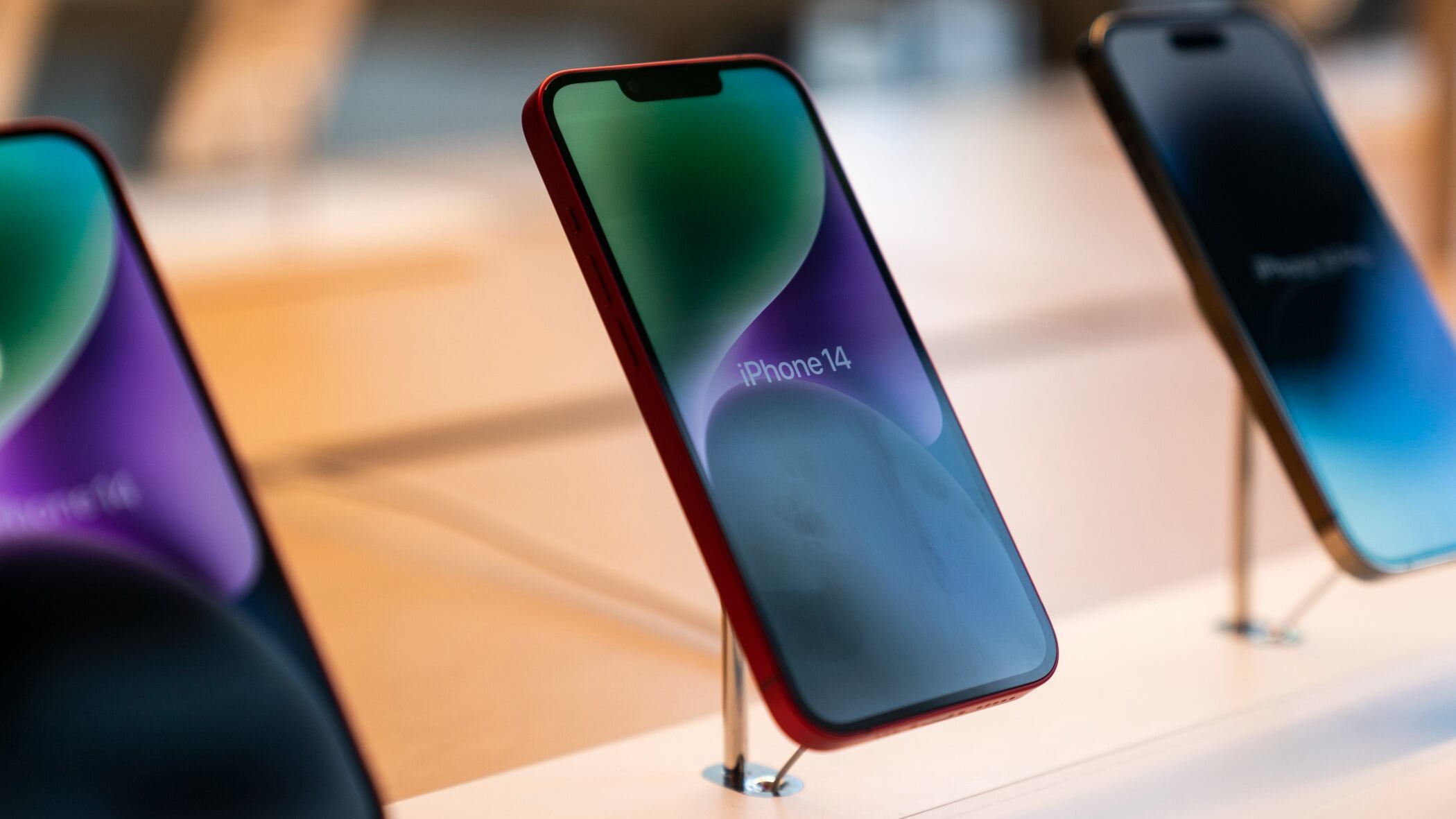
On March 1, Apple will start charging an extra $20 for battery replacements on out-of-warranty iPhones, according to an update on the AppleCare+ webpage.
The new price will be $99 for the iPhone 14, and while these models are currently under warranty, they won't be after the one-year anniversary of their release in September 2023.
At that point, the higher price point could encourage customers with broken batteries to simply buy a new phone rather than shell out nearly $100 for a replacement part.
Apple has adjusted prices multiple times in recent years, as supply chain issues have raised production costs. Just last month, labor unrest at an iPhone supplier in China led to a production shortfall. The company struggled with similar disruptions throughout the pandemic.
There is also a history of consumers pushing back against Apple's practices around batteries. The company in 2020 was forced to pay $113 million in fines to settle consumer fraud lawsuits around a controversy known as "batterygate," in which iPhone users discovered that Apple installed new software that made devices with older batteries operate slower.
In addition, CEO Tim Cook in 2019 wrote in a letter to investors that "some customers taking advantage of significantly reduced pricing for iPhone battery replacements" was partly behind a lower-than-expected iPhone sales.
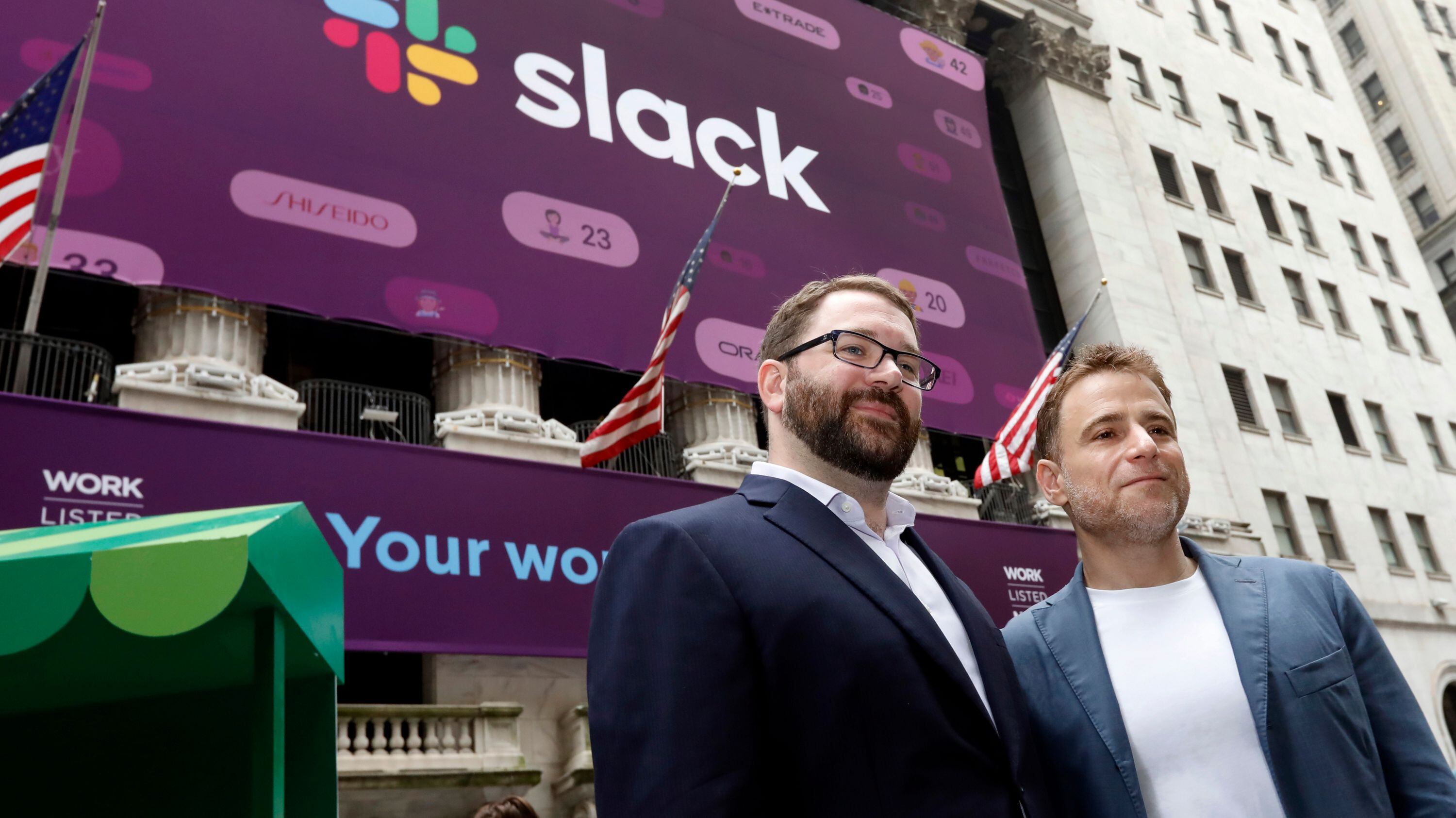
Slack beat expectations in its second quarter earnings report, posting $145 million in sales after the bell on Wednesday. The company was expected to report $141.25 million in sales.
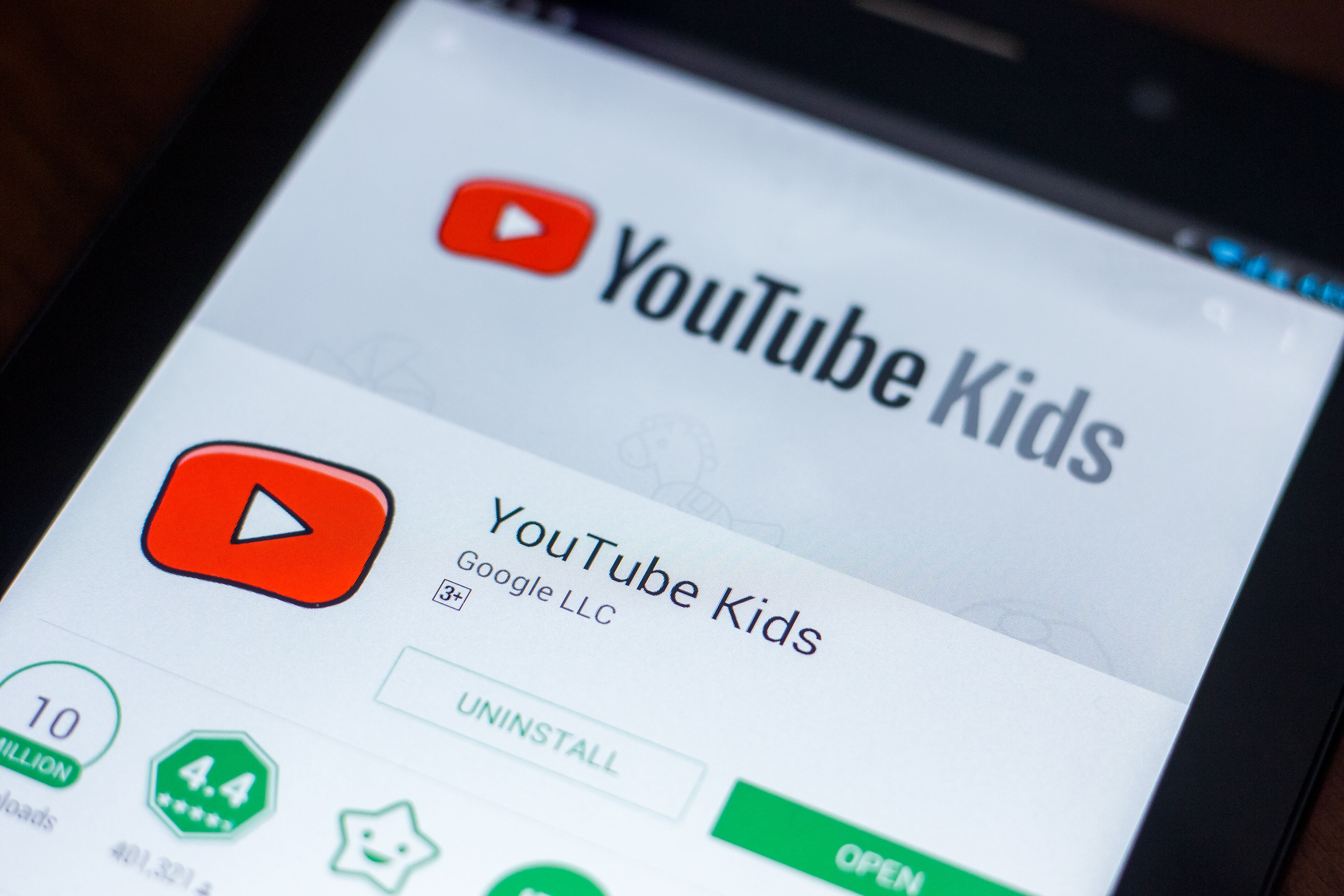
The terms of the settlement between YouTube-parent Google and the FTC and the New York state attorney general were announced on Wednesday. Google and YouTube will pay $136 million to the federal government and another $34 million to New York.
The new funds will help Elliptic develop its offerings as it prepares to add more digital assets and address more types of risk for new and different types of customers, mainly in banking and financial services, CEO James Smith told Cheddar.
Fact or Fiction: search engine optimization has lost its value thanks to podcasts, video, and social media. Brian Fanzo, founder of iSocialFanz, joins Cheddar to break down this myth and help entrepreneurs grow their business.
These are the headlines you Need 2 Know for Friday, Aug. 30, 2019.
According to the survey from Hub Entertainment Research, Disney+ seems to be entering U.S. households at the perfect time, as more and more viewers consider cutting the cord.
The exercise media and equipment company reported that it had made $915 million in revenues in the past fiscal year, but saw net losses of about $196 million, in its filing to go public.
These are the headlines you Need 2 Know for Wednesday, Aug. 28, 2019.
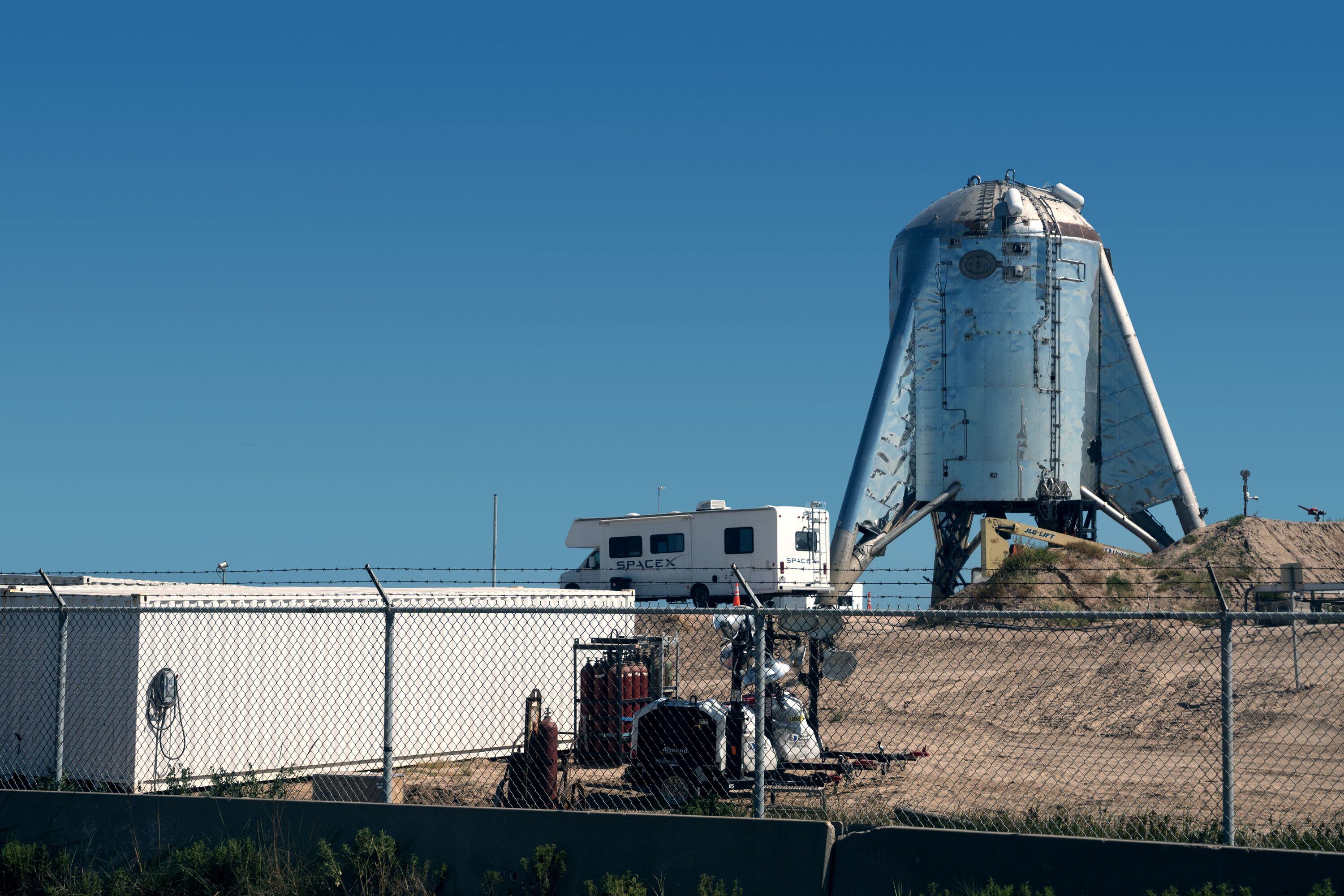
Elon Musk says SpaceX will again attempt to launch its Starhopper prototype rocket around 5 p.m. ET today, 24 hours after engineers were forced to scrub the launch with one second remaining on the countdown clock.
On the back of a groundbreaking partnership with data heavyweights Deloitte and Nielsen, cannabis industry intelligence company Headset on Monday announced the launch of its real time analytics tool in the province of Alberta, marking its official debut in the Canadian market. Stakeholders anticipate the data Headset Insights generates ー first in Alberta, and eventually across all of Canada ー will serve as a road map for companies outside of cannabis looking to penetrate the industry, and for Canadian cannabis companies as the market grows more diverse and competitive.