As industries begin to shift away from fossil fuels, Ampaire is banking on its line of hybrid-electric airplanes to revolutionize air travel. The company recently announced its historic first flight of an existing airline route in Hawaii.
Kevin Noertker, Ampaire CEO, said not only would the environment reap the biggest benefits from a reduction of emissions, but the airline industry could also soar to new heights.
"For the airlines, the biggest impact is reduced cost of operation. Airlines care about the total cost of ownership and operation for their planes. By switching to a hybrid plane, you could reduce that fuel burn by up to 50 percent," Noertker told Cheddar.
The CEO also noted that a fully electric plane would reduce emissions by more than 90 percent.
After launching in 2016 and constructing an aircraft for the last two years, paid flights for the company are on the horizon. "We're looking at about a three-year timeline before we get certification to deploy these planes in that commercial operation," Noertker said.
While the company gears up for commercial flights, it has already been conducting demonstrations under the FAA's experimental market survey, which allows passengers and potential Ampaire customers to fly.
Last month, the company became the first to ever demonstrate a hybrid-electric flight in Maui, which went from Kahului to Hana in about 20 minutes. Like other industries, Ampaire's ability to continue developing and moving forward with test flights, particularly in Hawaii, was impacted by pandemic-related restrictions.
The hybrid-electric planes, according to Noertker, while capable of long-distance flights, are optimal for relatively short-distances. Over the next five to 10 years, however, there are plans to produce an aircraft that can hold up to 20 passengers and will fly "routes between 50 and 500 miles."
"The reality is most routes that airlines like to fly are about 100 miles," Noertker said.
David Slotnick, Senior Aviation Business Reporter at The Points Guy joins Cheddar News to discuss how airlines are handling holiday travel amid the recent coronavirus surge.
A new study from a Russian university finds that LEGO sets can be a lucrative investment, rising in value by 11 percent every year, a faster and better rate of return than gold, stocks, bonds, and wine. Victoria Dobrynskaya, associate professor of finance at Higher School of Economics University and author of the research, joined Cheddar to discuss the findings. "In general, most sets tend to appreciate after they're retired, after you cannot find them in LEGO stores," she said. "They tend to appreciate on the secondary market after a couple of years."
Stocks closed lower to end the day Thursday, the second to last trading day of 2021. The Dow snapped a six-day winning streak, and the S&P 500 was weighed down by chip and energy stocks. This all comes as weekly jobless claims fell to a 52-year low to 198,000. Kevin Riley, Managing Partner at Exponential Investment Partners, joins Cheddar News' Closing Bell to discuss today's close, his 2022 market predictions, the state of business in China, and more.
Daniel Newman, Founding Partner and Principal Analyst at Futurum Research, joins Cheddar News' Closing Bell, where he says the markets are going to feel very uncomfortable receiving news of more potential setbacks for chip manufacturers after already enduring a lengthy chip shortage.
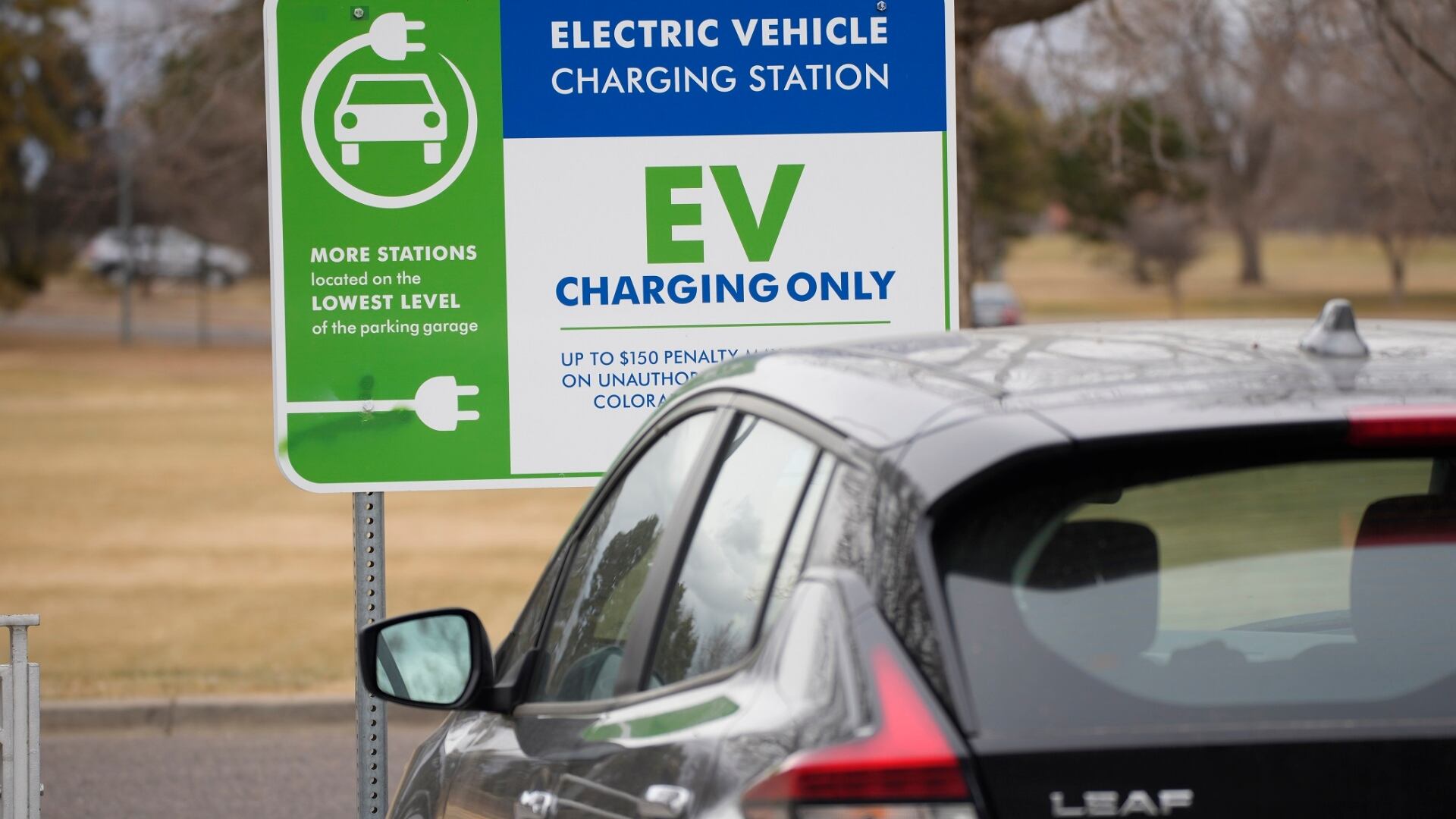
The federal government and numerous industries have been preparing for a greener future, setting goals to reduce greenhouse emissions by switching to electric vehicles. But the next hurdle to clear is convincing the wider public to get on board. Arun Kumar, managing director in automotive practice at AlixPartners, spoke to Cheddar's Ken Buffa about consumer trends related to EV transition and said he believes a widespread switch is imminent in 2022. Despite this, he acknowledged there are still significant obstacles to overcome, including high prices and more charging stations. "Without charging infrastructure, people are going to struggle with increasing adoption of electric vehicles in the future," Kumar told Cheddar. "I think by 2030 our estimate is that about a million chargers need to be put in place nationally in the U.S."