As industries begin to shift away from fossil fuels, Ampaire is banking on its line of hybrid-electric airplanes to revolutionize air travel. The company recently announced its historic first flight of an existing airline route in Hawaii.
Kevin Noertker, Ampaire CEO, said not only would the environment reap the biggest benefits from a reduction of emissions, but the airline industry could also soar to new heights.
"For the airlines, the biggest impact is reduced cost of operation. Airlines care about the total cost of ownership and operation for their planes. By switching to a hybrid plane, you could reduce that fuel burn by up to 50 percent," Noertker told Cheddar.
The CEO also noted that a fully electric plane would reduce emissions by more than 90 percent.
After launching in 2016 and constructing an aircraft for the last two years, paid flights for the company are on the horizon. "We're looking at about a three-year timeline before we get certification to deploy these planes in that commercial operation," Noertker said.
While the company gears up for commercial flights, it has already been conducting demonstrations under the FAA's experimental market survey, which allows passengers and potential Ampaire customers to fly.
Last month, the company became the first to ever demonstrate a hybrid-electric flight in Maui, which went from Kahului to Hana in about 20 minutes. Like other industries, Ampaire's ability to continue developing and moving forward with test flights, particularly in Hawaii, was impacted by pandemic-related restrictions.
The hybrid-electric planes, according to Noertker, while capable of long-distance flights, are optimal for relatively short-distances. Over the next five to 10 years, however, there are plans to produce an aircraft that can hold up to 20 passengers and will fly "routes between 50 and 500 miles."
"The reality is most routes that airlines like to fly are about 100 miles," Noertker said.
Meta wants creators to make money from the metaverse, but it's going to take a large chunk of the cut. The tech giant is planning to keep nearly 50% of all digital asset sales within Horizon Worlds, the virtual reality platform that's considered an integral part of the company's unfolding metaverse. Rolf Illenberger, Co-founder and Managing Director of VRdirect, joined Cheddar to discuss why Meta is taking heat for this move, and what it could be doing as an alternative to help support creators, small businesses, and consumers.
Grayscale recently launched its Future of Finance ETF ($GFOF) for investors to benefit from innovative businesses that it sees as critical to building the digital economy. CEO Michael Sonnenshein joined Cheddar to discuss the fund, companies making the most impact, and ways in which investors can expand holdings in the digital economy. “When we think about how investors should be building out their portfolios, we felt that there was a really important opportunity to also provide investors with access to the broadly defined digital economy, really, that confluence between technology and finance," he said.
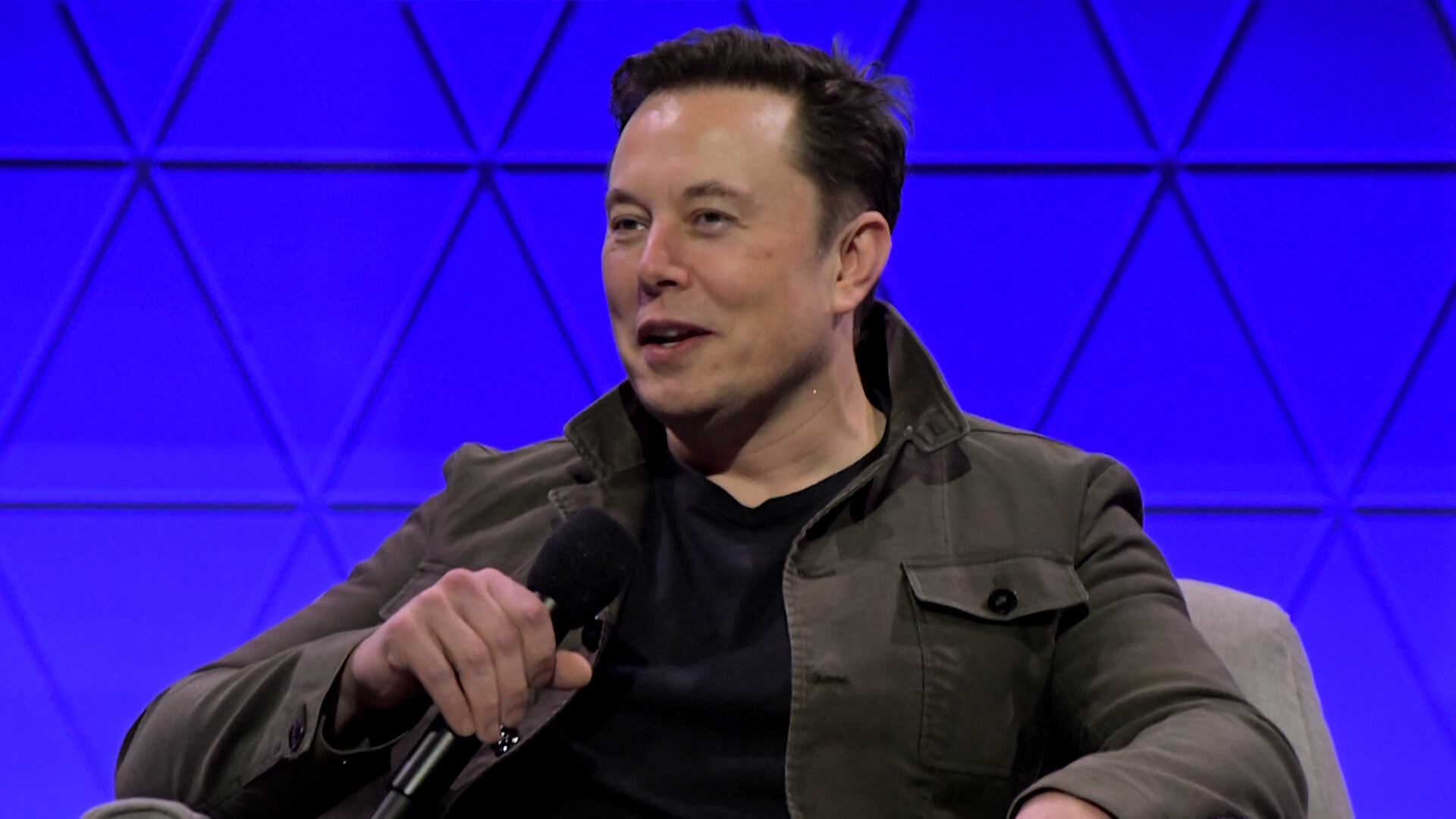
Al Root, Senior Writer at Barron's, discusses possible scenarios if a Twitter buyout deal goes through and what a takeover means for the future of the social media platform.
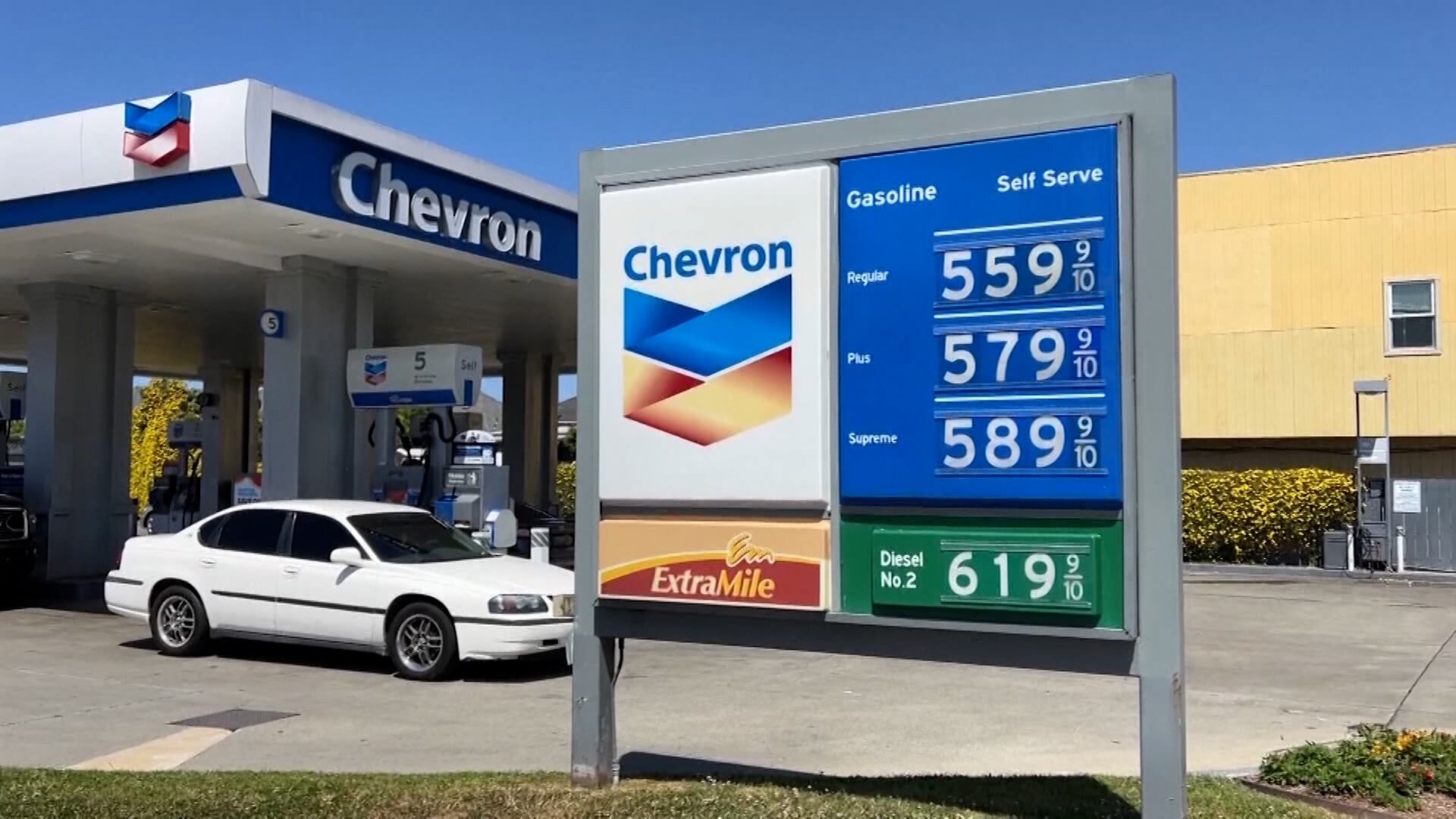
Gas prices took up a big share of consumer spending in March. Retail sales climbed 0.5% from the previous month as Americans are forced to spend more money on food, gasoline, and other necessities. Kayla Bruun, Economic Analyst at Morning Consult, breaks down her outlook on consumer spending as prices continue to rise.
Kristina Hooper, Chief Global Market Strategist at Invesco, discusses the biggest takeaways from Bank of America's earnings and highlights what investors should watch as BigTech reports this week.
Catching you up on what you need to know on April 18, 2022, with Russian missile attacks on the Ukrainian city of Lviv killing seven, mass shootings in South Carolina and Pittsburgh, Lucky Charms cereal under official investigation by the FDA, and more.