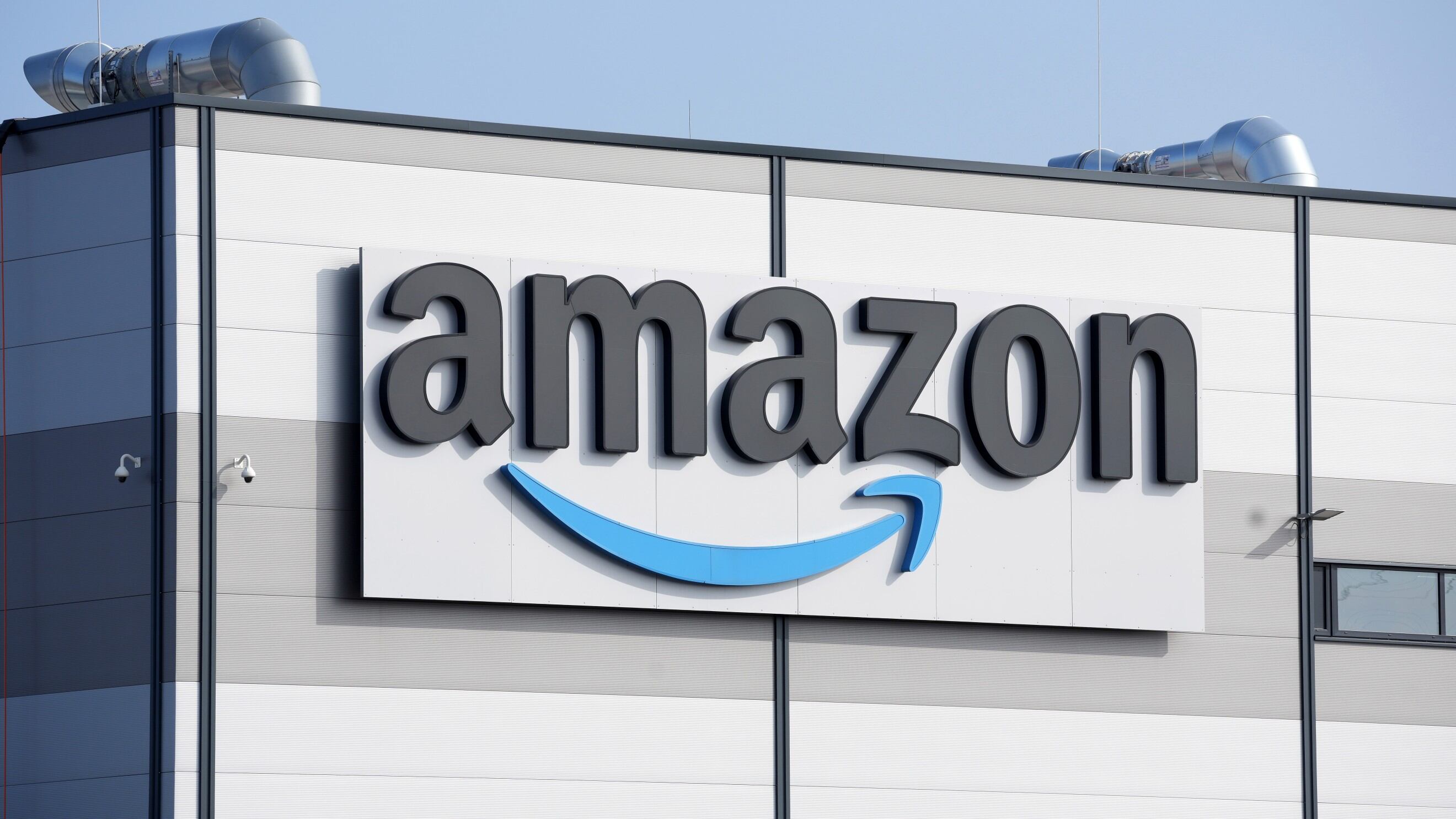
An Amazon company logo marks the facade of a building in Schoenefeld near Berlin, March 18, 2022. (AP Photo/Michael Sohn, File)
Amazon is taking another shot at becoming a regular health care source for customers with the launch of a service centered on virtual care.
The e-commerce giant says its Prime customers can now get quick access to a health care provider through a program that costs $9 a month or $99 annually.
The company has made a number of attempts to incorporate healthcare into its platform and has started building momentum after some initial setbacks.
The company announced in August that it was adding video telemedicine visits in all 50 states to a virtual clinic it launched last year.
Yet Amazon shut down a virtual health care service last year that it spent years developing, and it was part of a high-profile but failed push to address health care costs in a partnership with two other major companies, Berkshire Hathaway and JPMorgan.
Through the new service, patients will be able to connect virtually around the clock with care providers through its Prime One Medical membership program. The service includes video chats and an option to make in-person visits if there are One Medical locations near by.
The company said Wednesday that its membership fee covers the cost for the virtual visits. But customers would have to pay for any visits they make to the company’s One Medical primary care offices. They can use insurance for that.
Virtual care grew popular during the COVID-19 pandemic, and many health care providers have since expanded their telemedicine offerings. It has remained popular as a convenient way to check in with a doctor or deal with relatively minor health issues like pink eye.
While virtual visits can improve access to help, some doctors worry that they also lead to care fragmentation and can make it harder to track a patient’s overall health. That could happen if a patient has a regular doctor who doesn’t learn about the virtual visit from another provider.
Updated November 9, 2023 at 4:46 p.m. ET to add missing word in the seventh paragraph and correct "last summer" to "last year" in sixth paragraph.
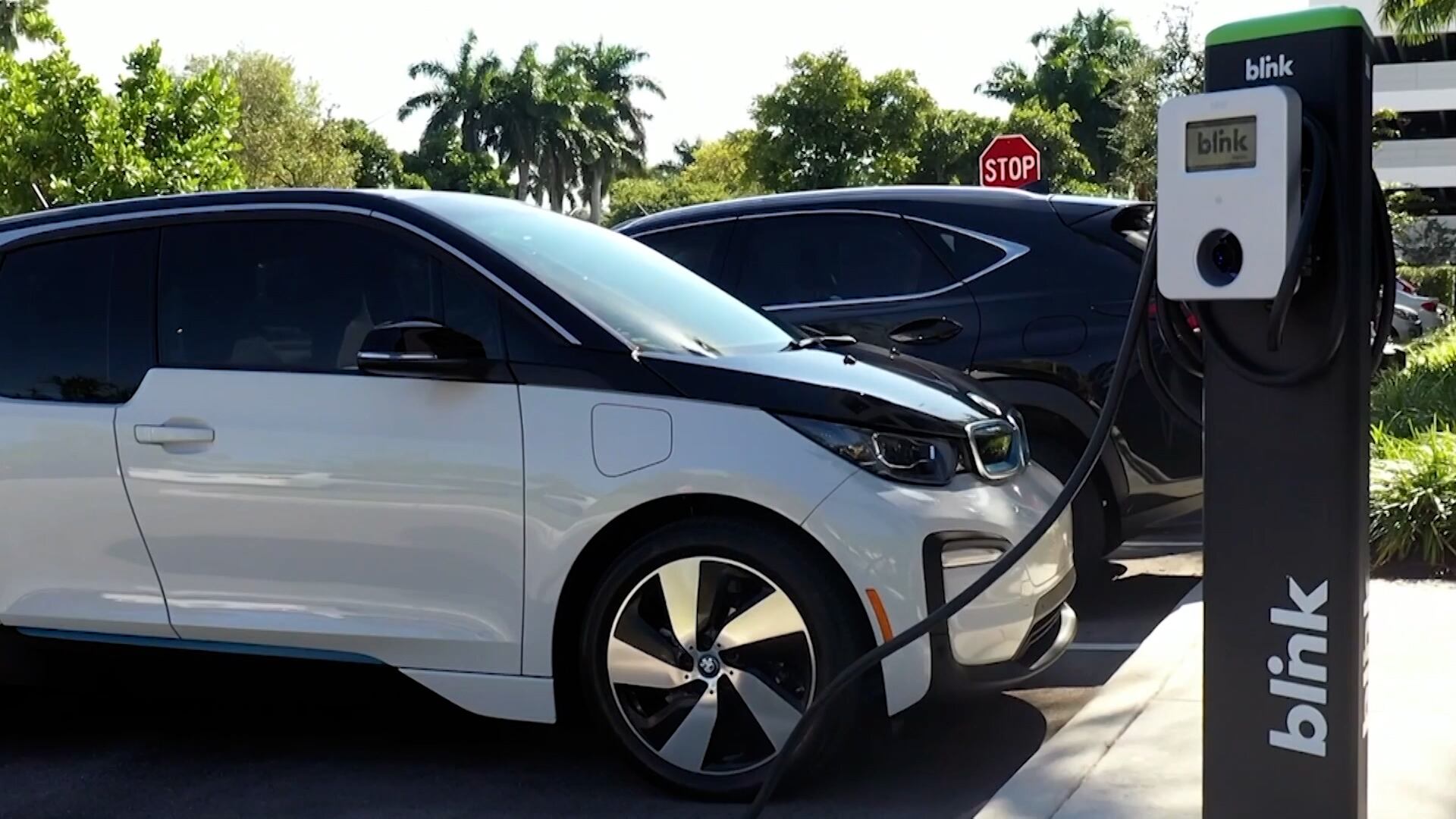
Coming off of CES, Blink Charging announced a partnership with legacy automaker General Motors to provide charging stations for its newest electric cars. The company specializes in stations they own and operate that also accommodate residential and commercial locations. Michael D. Farkas, founder and CEO, noted that they "don’t discriminate” when it comes to locating their chargers while also taking the philosophy of seeing their hardware more like hot water heaters rather than smartphones constantly in need of upgrading. "We believe it's one of the reasons why we were selected by GM," Farkas said. "These dealerships have to invest in these locations and make sure that this hardware is workable for a very, very long period of time."
Simeon Siegel, managing director and senior analyst at BMO Capital Markets joins Cheddar News to discuss CNBC's report that Peloton plans to halt production, despite the company's CEO denying those claims.
Mona Zhang, states cannabis policy reporter at POLITICO Pro joins Cheddar News to discuss major factors that caused Canada's retail marijuana sales to drop last year.
Jackie Rotman, founder and CEO of the Center for Intimacy Justice joins Cheddar News to talk about why Facebook is banning ads by companies targeting women's sexual health but not ads catered to men.
TikTok recently announced that it is testing a paid subscription model. The news comes days after Instagram publicized a similar service. TikTok has made $2.3 billion from in-app purchases, but mostly through tips, in 2021, showing that its users may be open to spending money on the platform.
The NCAA voted to streamline their constitution at their annual convention on Thursday. Each of the three college divisions can decide how student-athletes can make money from outside sources but still restricts schools from directly paying its players.
Netflix beat its earnings projections for Q4 — but the stock still plummeted as the streaming pioneer cut back on its forecast for future subscribers. Michael Robinson, the chief technology strategist at Money Map Press, joined Cheddar to discuss the report and what's driving the downward pressure on its shares. "It's the growth is really what's worrying people," he said. "'A' we have slowing economic growth, and 'B' we've got slowing growth for this company, as 'C' we have an increase in competition."