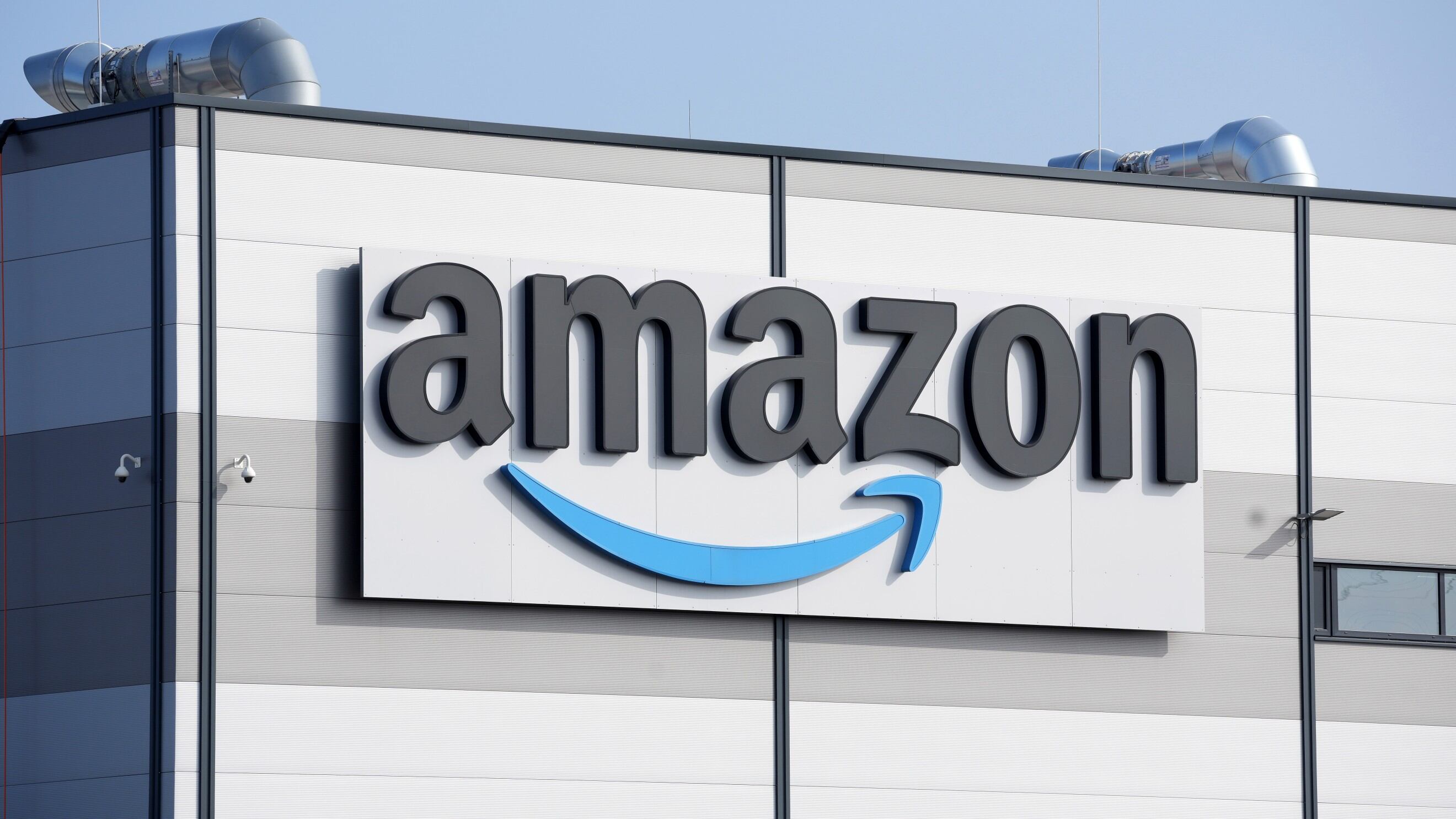
An Amazon company logo marks the facade of a building in Schoenefeld near Berlin, March 18, 2022. (AP Photo/Michael Sohn, File)
Amazon is taking another shot at becoming a regular health care source for customers with the launch of a service centered on virtual care.
The e-commerce giant says its Prime customers can now get quick access to a health care provider through a program that costs $9 a month or $99 annually.
The company has made a number of attempts to incorporate healthcare into its platform and has started building momentum after some initial setbacks.
The company announced in August that it was adding video telemedicine visits in all 50 states to a virtual clinic it launched last year.
Yet Amazon shut down a virtual health care service last year that it spent years developing, and it was part of a high-profile but failed push to address health care costs in a partnership with two other major companies, Berkshire Hathaway and JPMorgan.
Through the new service, patients will be able to connect virtually around the clock with care providers through its Prime One Medical membership program. The service includes video chats and an option to make in-person visits if there are One Medical locations near by.
The company said Wednesday that its membership fee covers the cost for the virtual visits. But customers would have to pay for any visits they make to the company’s One Medical primary care offices. They can use insurance for that.
Virtual care grew popular during the COVID-19 pandemic, and many health care providers have since expanded their telemedicine offerings. It has remained popular as a convenient way to check in with a doctor or deal with relatively minor health issues like pink eye.
While virtual visits can improve access to help, some doctors worry that they also lead to care fragmentation and can make it harder to track a patient’s overall health. That could happen if a patient has a regular doctor who doesn’t learn about the virtual visit from another provider.
Updated November 9, 2023 at 4:46 p.m. ET to add missing word in the seventh paragraph and correct "last summer" to "last year" in sixth paragraph.
Stephanie Akin, Politics Reporter for CQ Roll Call, breaks down
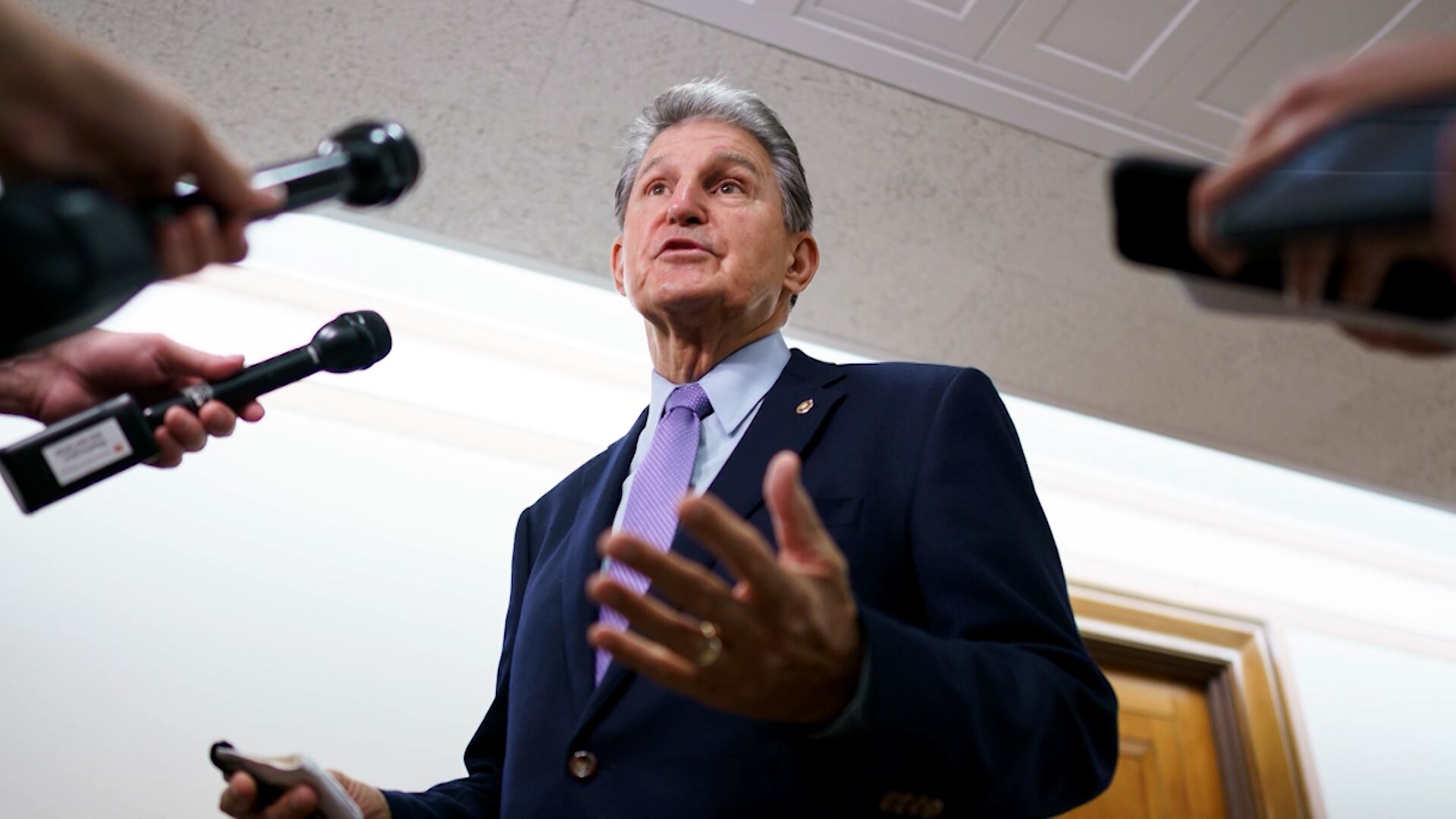
Senator Manchin's donation pool, and highlights what this support means for the conservative Democrat as well as the Republican party.
Julie Gillespie, Trading Analyst at TipRanks, breaks down Apple's record-breaking quarter and highlights areas of the business where the tech giant may see potential growth throughout the year.
The global oil benchmark surpassed $90 for the first time in more than seven years. This comes as growing tensions between Russia and Ukraine add to concerns about the already-tight market. Jay Hatfield, Chief Investment Officer at ICAP, joined Cheddar to discuss what this benchmark means for the oil industry, and what might happen if Russia does invade its neighbor.
The EU relaxed its Covid travel restrictions for vaccinated individuals among the union's 27 member states, doing away with testing or quarantine requirements for travelers. This comes soon after the World Health Organization said the omicron variant could help make the pandemic more manageable. The new rules take effect February 1st. Bryce Conway, Founder, 10xTravel joined Cheddar's Opening Bell to discuss.
General Motors will be releasing its earnings report on Tuesday. Paulina Likos, investing reporter for U.S. News & World Report, joined Cheddar News to discuss how investors will be eyeing the automaker's forecast as it expands its EV division and attempts to navigate a supply shortage."Investors, first and foremost, are going to want to understand how the company has been able to navigate the chip shortage and how they're going to be able to do that throughout the year to come," Likos noted.
If you're in China you may have noticed that the 1999 film "Fight Club" which features Brad Pitt has somehow got itself a new ending. In the new ending on the streaming service Tencent, the narrator is killed and the explosions are replaced with a black screen saying "the police arrested criminals".It's unclear as to exactly why the changes were made. However, it is the latest example of China playing by its own rules when it comes to entertainment and attempting to control everything its citizens watch. Media Reporter at Axios, Sarah Fisher, joined Cheddar to discuss more.
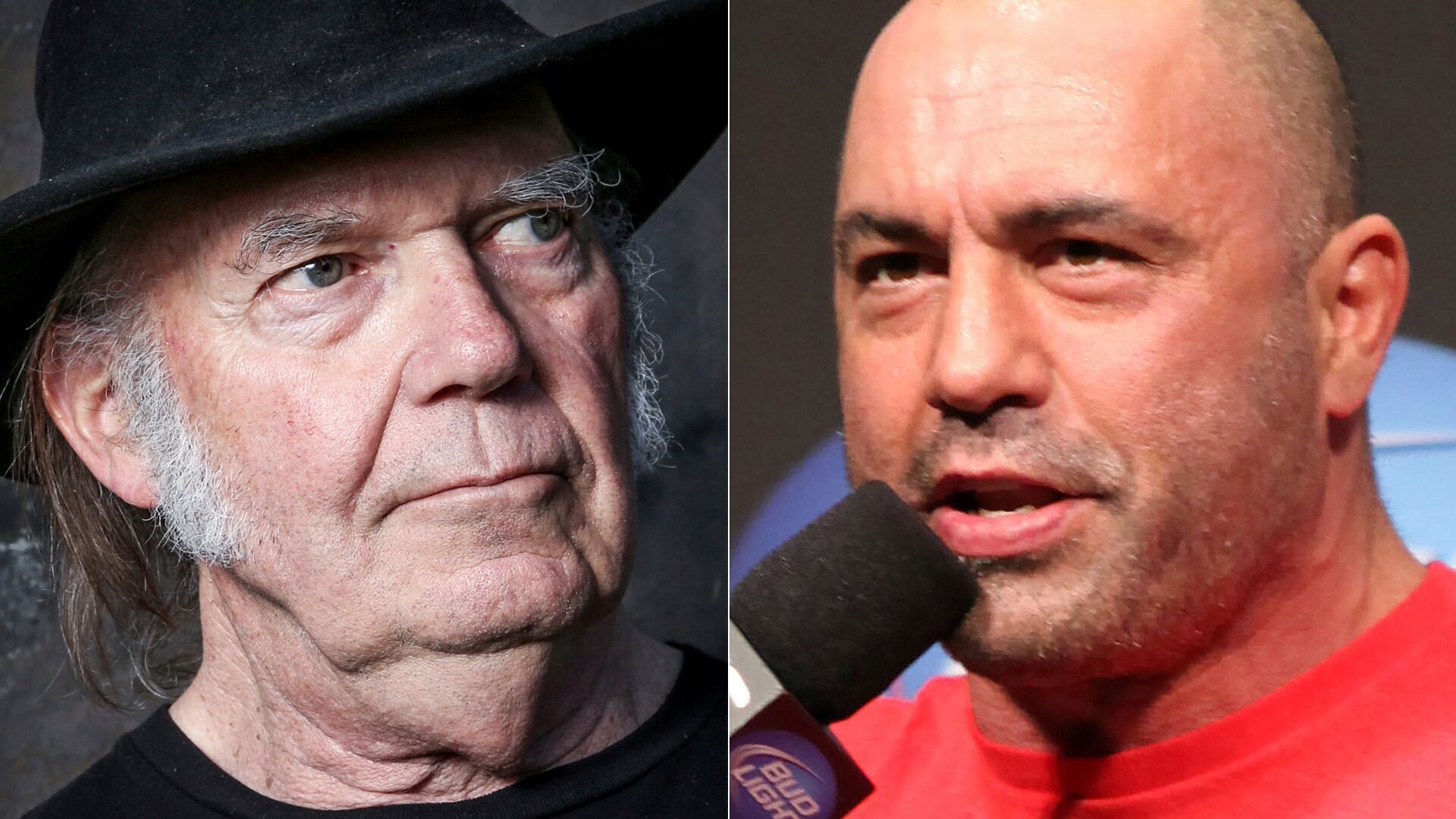
Neil Young gave the streaming service Spotify an ultimatum demanding that his music be removed if the Joe Rogan experience remained on the platform. Joe Rogan's platform has been questioned a number of times as a result of some of his takes on covid treatment strategies and at times downright misinformation. Ultimately, Spotify decided to stick with Joe Rogan's podcast. The Director for the Business and Entertainment Program at American University, John Simson, joined Cheddar to discuss more.