An Amazon company logo marks the facade of a building in Schoenefeld near Berlin, March 18, 2022. (AP Photo/Michael Sohn, File)
Amazon is taking another shot at becoming a regular health care source for customers with the launch of a service centered on virtual care.
The e-commerce giant says its Prime customers can now get quick access to a health care provider through a program that costs $9 a month or $99 annually.
The company has made a number of attempts to incorporate healthcare into its platform and has started building momentum after some initial setbacks.
The company announced in August that it was adding video telemedicine visits in all 50 states to a virtual clinic it launched last year.
Yet Amazon shut down a virtual health care service last year that it spent years developing, and it was part of a high-profile but failed push to address health care costs in a partnership with two other major companies, Berkshire Hathaway and JPMorgan.
Through the new service, patients will be able to connect virtually around the clock with care providers through its Prime One Medical membership program. The service includes video chats and an option to make in-person visits if there are One Medical locations near by.
The company said Wednesday that its membership fee covers the cost for the virtual visits. But customers would have to pay for any visits they make to the company’s One Medical primary care offices. They can use insurance for that.
Virtual care grew popular during the COVID-19 pandemic, and many health care providers have since expanded their telemedicine offerings. It has remained popular as a convenient way to check in with a doctor or deal with relatively minor health issues like pink eye.
While virtual visits can improve access to help, some doctors worry that they also lead to care fragmentation and can make it harder to track a patient’s overall health. That could happen if a patient has a regular doctor who doesn’t learn about the virtual visit from another provider.
Updated November 9, 2023 at 4:46 p.m. ET to add missing word in the seventh paragraph and correct "last summer" to "last year" in sixth paragraph.
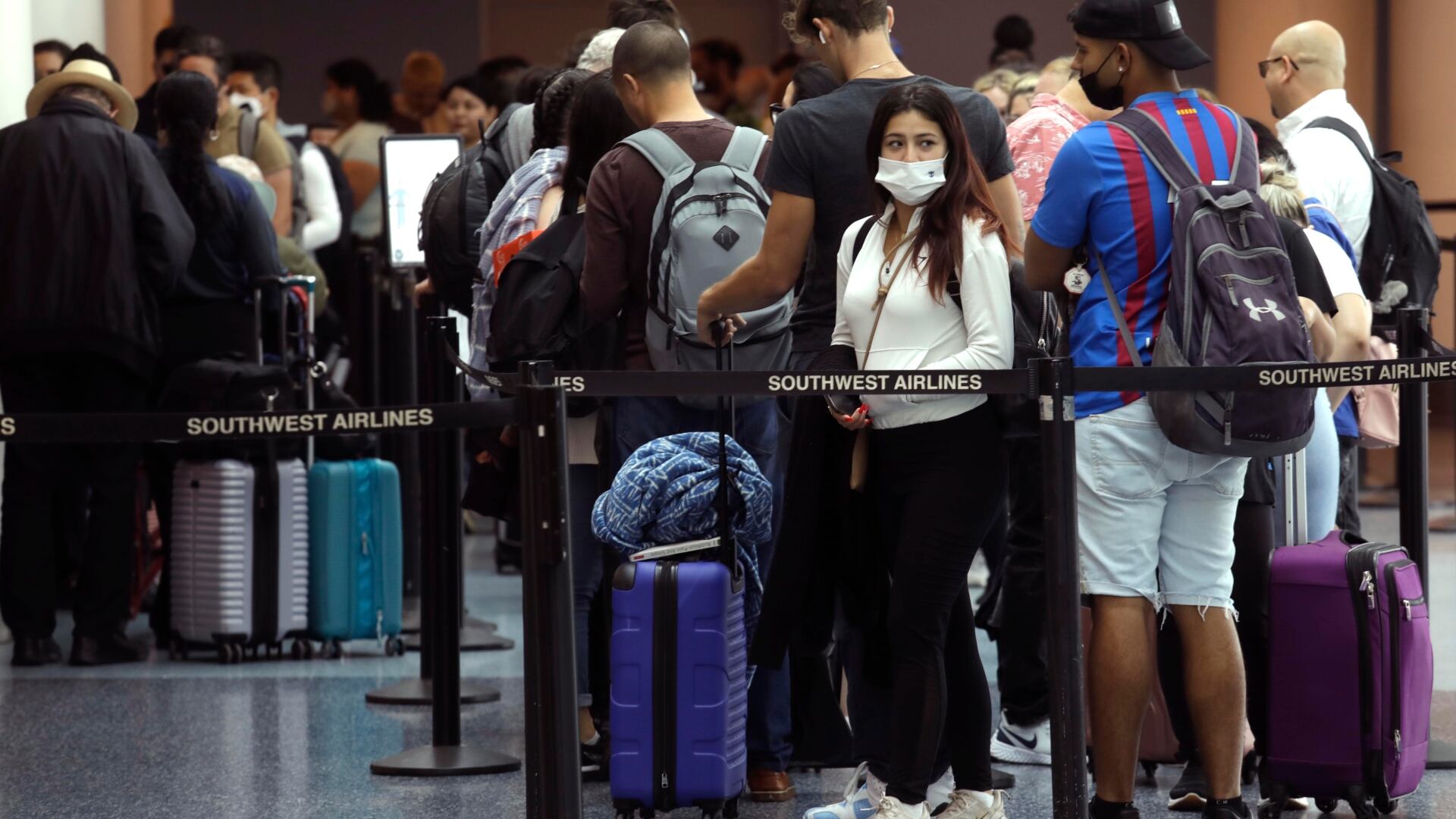
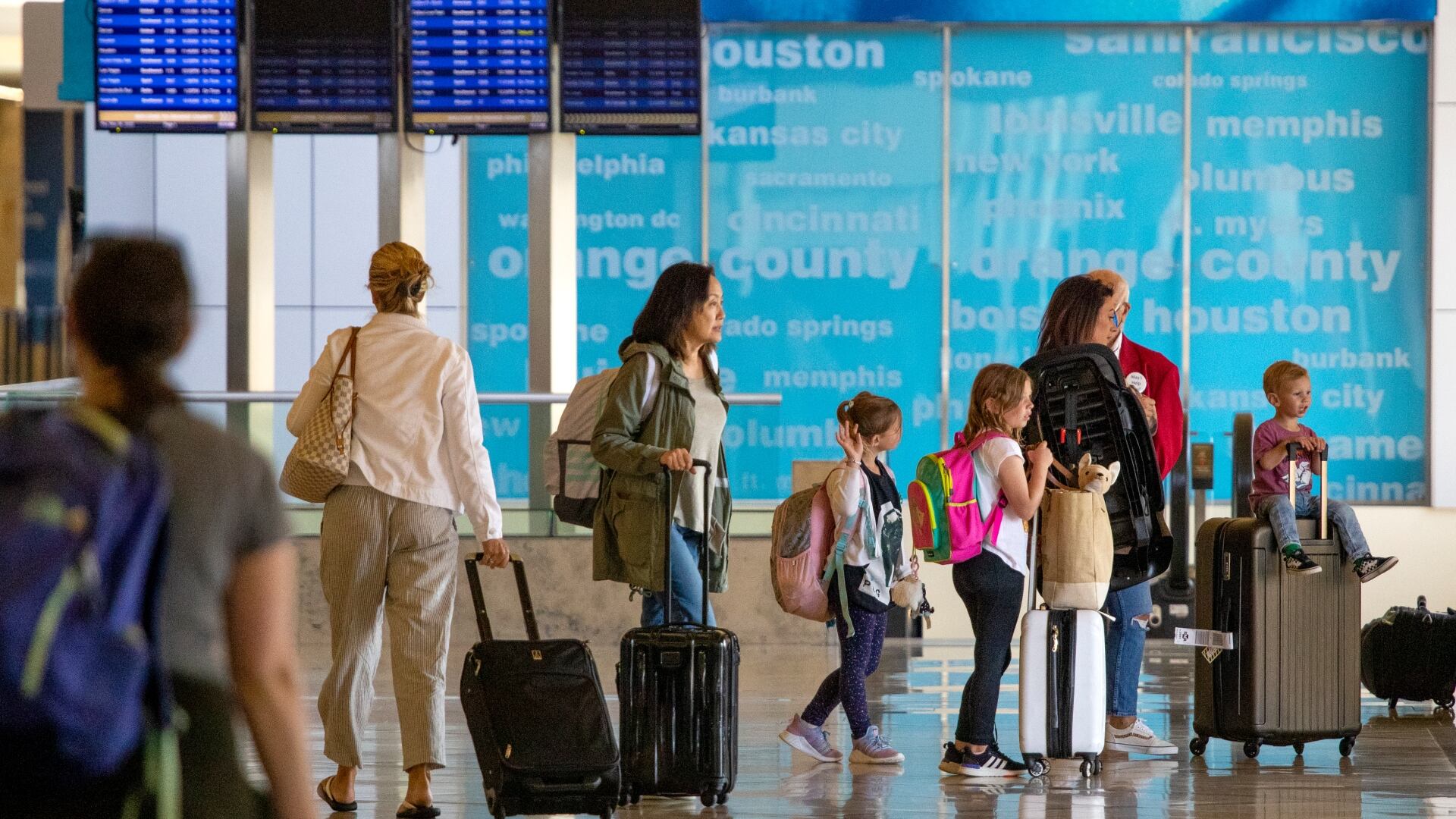
Memorial Day rang in the unofficial start of summer here in the United States -- and with it, the unofficial start of summer travel. Whether consumers traveled by air or by land, they probably experienced some form of frustration over the weekend. Flyers faced delays and cancellations, and drivers faced the most expensive gas prices ever recorded on Memorial Day. Zach Griff, Senior Aviation Reporter for the Points Guy, joins Cheddar News' Closing Bell to discuss.
Next-generation gaming ecosystem Joystick recently raised $8 million in a seed round and is in the process of raising a $110 million Series A funding round. Gaming ecosystems are a relatively new type of platform in the Web3 space, allowing users to maximize their play-to-earn gaming opportunities, exchange crypto-currencies, and sell their digital assets. Joystick says its platform is flipping the current model on its head by giving players the opportunity to keep 100% of the revenue they earn. Robin Defay, co-founder and CEO of Joystick, and Michael Le, co-founder of Joystick and TikTok content creator, join Cheddar News' Closing Bell to discuss.
Abe Stein, Head of Innovation at Sports Innovation Lab, joins Cheddar News' Closing Bell, where he explains why the top four spots on his company's 2022 list are European soccer clubs and discusses Sports Innovation Lab's plan to publish data on women's pro sports teams in the not-too-distant future.
Joel Birch, Co-Founder and CEO of Stacked, joins Cheddar News' Closing Bell, where he explains why he doesn't see any new catalysts that would lead to a Bitcoin rally at the moment. He also reiterates that now is a good time for long-term Bitcoin investors to buy low.
The dating app Bumble has sponsored bills and pushed lawmakers to criminalize the online practice of sending unsolicited nudes or “cyberflashing." Payton Iheme, Bumble's head of public policy for the Americas, joined Cheddar News to discuss why the app was going after the harassing behavior beyond its own platform. "Now, while we went to work internally in the company, and we created something called private detector to automatically blur those images so the user can decide if they want to see them, there's nothing for the rest of the internet," she said. "And so that's why we went to work with these laws."
The holiday weekend saw Disney+ and Netflix competing head-to-head for streaming views as the Disney behemoth kicked off the unofficial start to summer with its release of "Obi-Wan Kenobi" and Netflix responded with the first part of "Stranger Things" Season 4. The streaming giants caught the eye of Wall Street, and Seth Schachner, the managing director at consultancy Strat Americas, joined Cheddar News to break down the heavy hitters. "This is a very tough, competitive game, and I don't see it getting any easier," he said. "I think you'll probably see more consolidation."
Amid high inflation, shoppers are pinching their pennies in the grocery stores and becoming more frugal when food shopping. However, supermarkets like Kroger are pushing back against passing on the higher costs and demanding reasons for the higher food prices from suppliers.
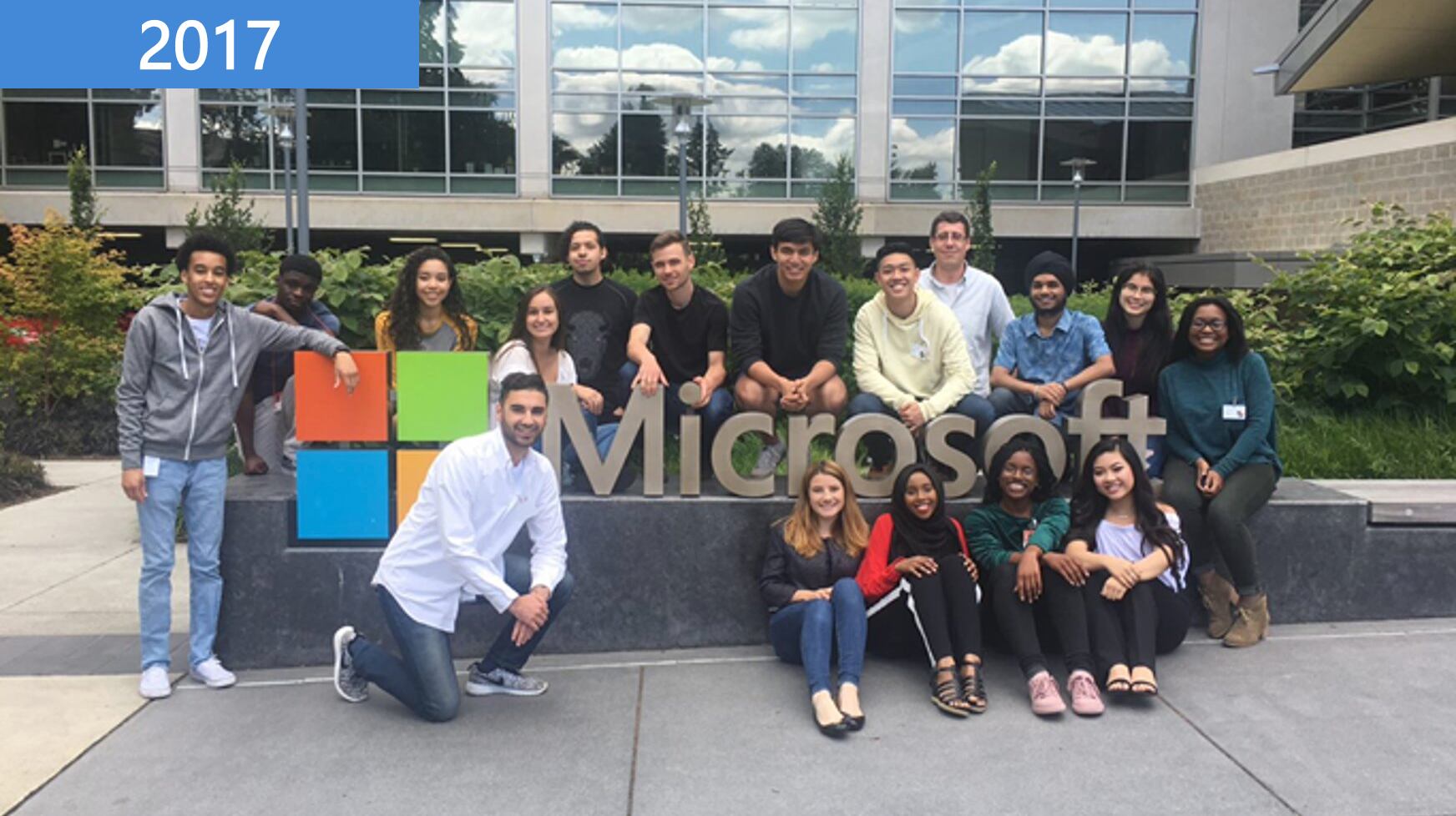
The founder and president of Cyborg Mobile Kobie Hatcher has been on a strong trajectory to disrupt his industry with a program called The New Technologists. It's not only meant to address the diversity gap within large tech companies but also help pave the way to transform the lives of young BIPOC students. He joined Cheddar News to talk about how he's working to make a difference with the lack of diversity in tech. “There's truly no lack of talent out there. It's just identifying them and letting them know that, hey, I've been in the tech sector for over 20 years. I see you. I know what you can bring, bring it, we need it," Hatcher said.