As Amazon's global imprint continues to expand, the e-commerce giant is celebrating the 15th anniversary of Simple Storage Service, Amazon S3, the first of its cloud service offerings. Launched back in March 2006, Amazon Web Services (AWS) has since become a model for not only other e-commerce entities but a wide range of industries that incorporate cloud services.
"We've been the pioneers in this space. The concept of cloud computing didn't exist before this, and we got a real head start in building these services. Also, the close relationship with our customers — being able to get continuous feedback from our customers — have resulted in the fact that now we have more than 200 services," Werner Vogels, Amazon's chief technical officer, told Cheddar.
Vogels said Amazon's maturation into cloud services was a natural progression for the company because it has been "a tech company since day one." For client businesses, Amazon's low-cost cloud services with no long-term commitments were an immediate draw. And, while the pandemic has slowed the production of semiconductors for cloud computing chips, Vogels said Amazon has prepared for the exact scenario, building their own chips and redundancies in their systems.
"Remember, of course, that we learned a lot from building the supply chain for AWS from the tremendous effective supply chain that Amazon.com has, and as such we're building supply chains to 25 regions around the world that are all replicated and actually can sustain shortages in any of those supply chains," he noted.
Also, the tech industry isn't the only one benefitting from the cloud, according to Vogels. Many industries have been able to utilize the technology. Farmers have even found ways to use the services to manage data related to land cultivation and to create effective labor plans.
"If you travel outside of the U.S., what you meet a lot is these companies that are solving truly hard human problems," he said. "For example, in Indonesia, there's a company called HARA Token where smallholder rice farmers, they don't have an identity and as such cannot get loans, and so what this small company does is give them an identity, measure their piece of land, measure their yield, and make the data available to banks."
In order to be able to share more stories about how AWS impacts the world beyond business, Vogel traveled the globe for the Now Go Build video series highlighting startups tackling the aforementioned "hard human problems."
Updated March 19, 2021 at 6:00 p.m. ET to clarify that the name of the service launched 15 years ago was the Simple Storage Service, Amazon S3.
U.S. stocks closed Thursday at their lowest levels of the trading day, as investors continue to eye inflation ahead of the May CPI report out Friday. Art Hogan, Chief Market Strategist for National Holdings, joins Cheddar News' Closing Bell to discuss.
Creating a brand is one of the most important steps in building a business. It can help set you apart from the competition and tells customers what your values are, but many companies don't know how to brand themselves effectively. Tiana Von Johnson, CEO & Chief Brand Strategist of TVJ World, gives expert tips on the do’s and don’ts of branding.
Housing affordability has collapsed to its lowest level on record over the last year. According to the national association of realtors, affordability has dropped by 29%, thanks to surging home prices and mortgage rates. Odeta Kushi, Deputy Chief Economist of First American, breaks down the housing market, and when buyers can expect prices to finally drop.
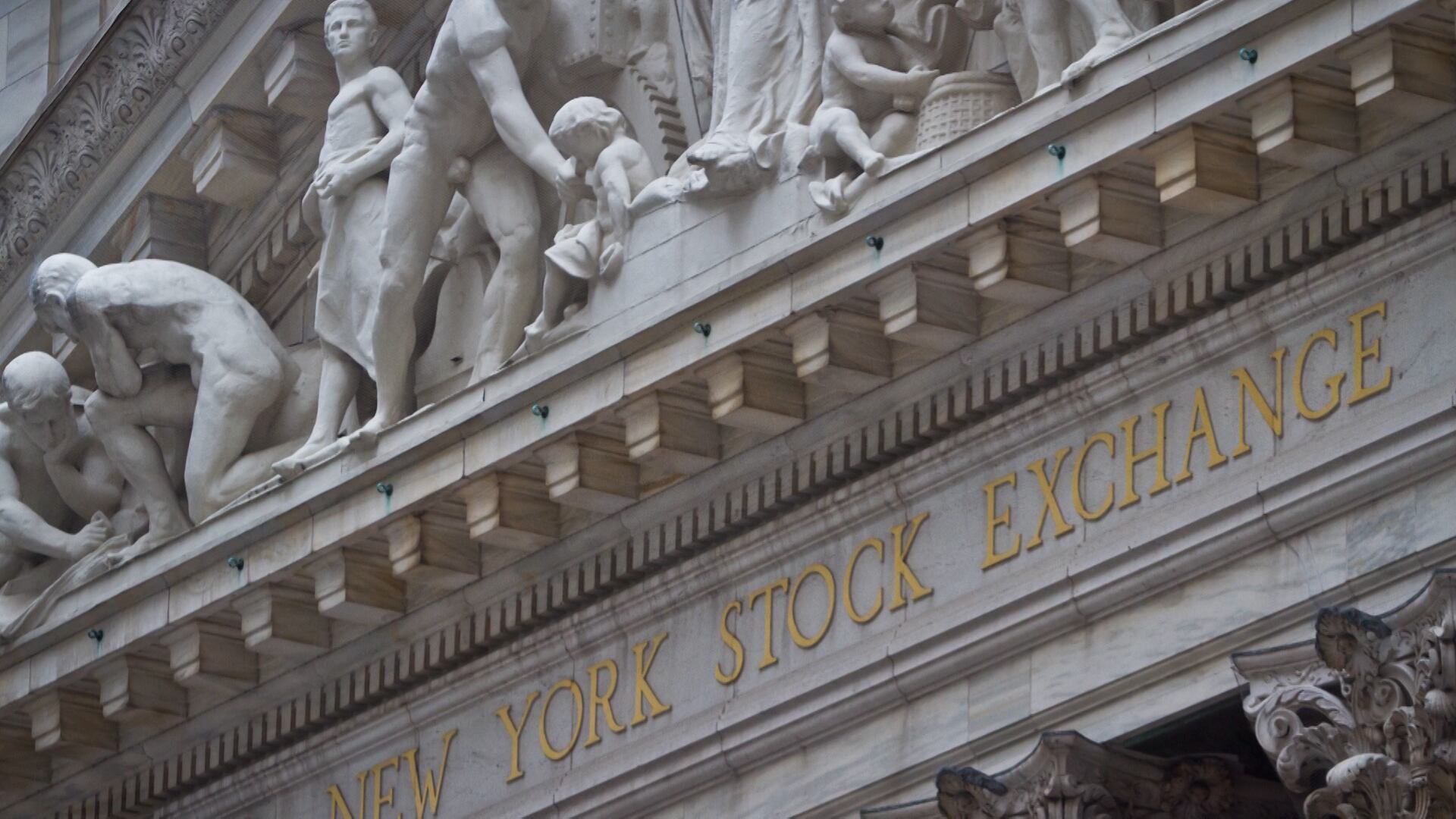
U.S. markets opened sharply lower on Friday on hotter-than-expected inflation data. The May CPI showed an 8.6% jump in consumer prices year-over-year, higher the expected 8.3%. Mark Howard, Senior Multi-Asset Specialist at BNP Paribas joined Cheddar's Opening Bell to discuss.
U.S. stocks closed Friday at session lows after May CPI data showed inflation in the U.S. has not peaked and is still rising rapidly. For the week, the S&P fell 5.06%, the Dow lost 4.58%, and the Nasdaq dropped 5.60%, marking the worst week since January for all three major indexes. Mike Zigmont, Head of Trading and Research at Harvest Volatility Management, joins Cheddar News' Closing Bell to discuss.
Residents often have to wait on federal assistance after a disaster, but one group has a solution: hiring community members to help clean up and improve their neighborhoods. Resilience Force tackles two problems at once by creating jobs in response to growing climate-related disasters. LaTanja Silvester, director of New Orleans programming for Resilience Force, joins Closing Bell to discuss how the organization creates jobs in communities that need help and higher employment, the importance of creating a "green" workforce, and more.
Benefits brokerage, Nava Benefits, raised $40 million in a Series B round. Nava says it's on a mission to fix healthcare, one benefits plan at a time. The startup is working to bring benefits to small business that are normally available to only Fortune 500 companies. Brandon Weber, Co-Founder and CEO of Nava Benefits, joined Cheddar News' Closing Bell to discuss.
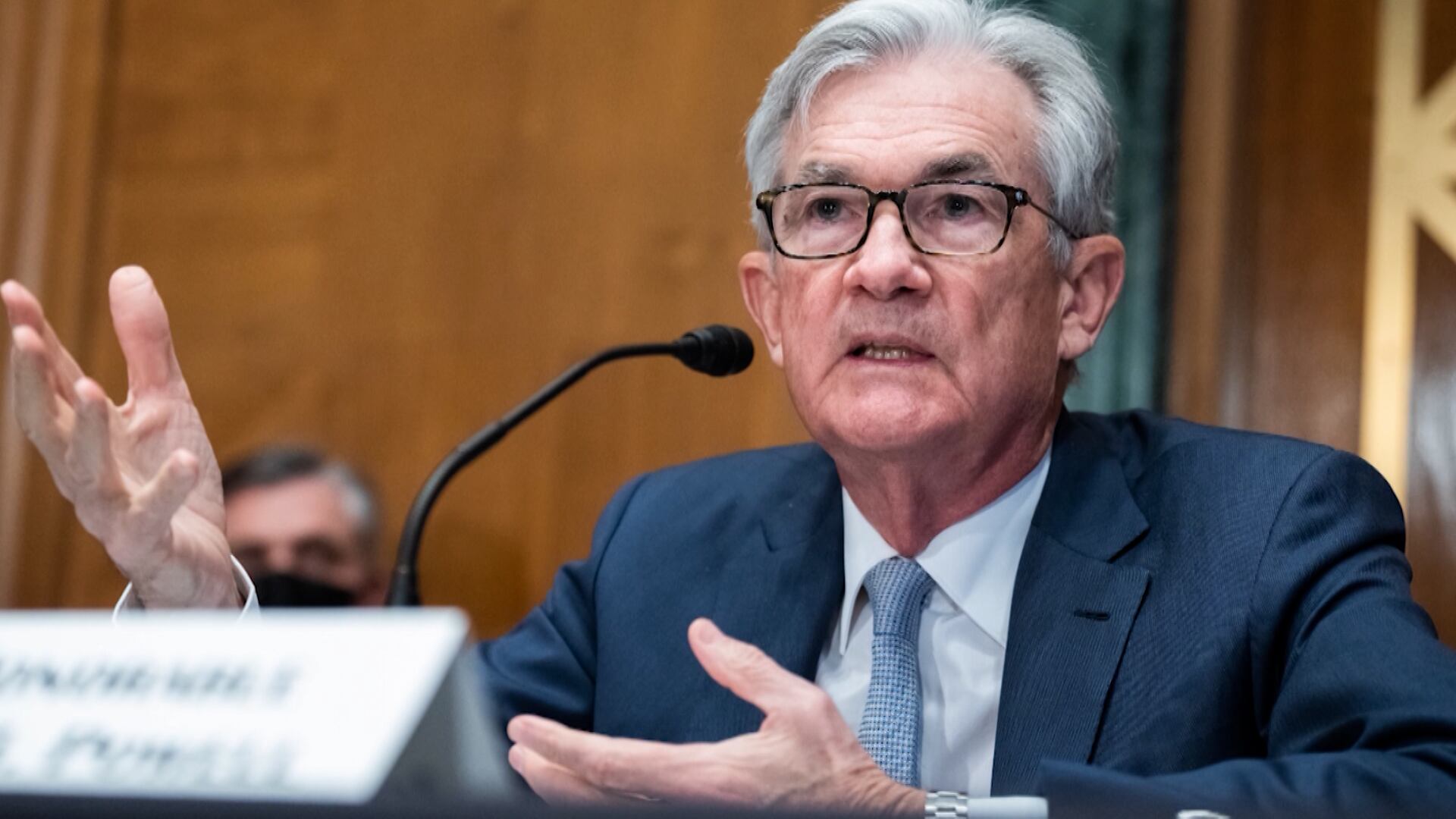
Yung Lim, CEO and Fixed Income Strategist at FolioBeyond, joined Closing Bell to discuss the May CPI report, as inflation is still red-hot going into a key decision from the Federal Reserve about interest rates.