After Florence, Farm Animal Death Toll Could Be in Millions
*By Max Godnick*
Florence may be over, but floodwaters from the hurricane are still wreaking havoc in North Carolina ー and not in just the usual ways.
The state's hog-waste lagoons, some of which are larger than Olympic swimming pools, are now either overflowing or in real danger of being breached. That poses an immediate danger to the surrounding communities ー and the planet as a whole.
"The potential for groundwater contamination is massive," said Zoë Schlanger, an environmental reporter at Quartz.
The storm, which was eventually downgraded to a tropical depression, caused [at least 110](https://www.nytimes.com/2018/09/19/climate/florence-hog-farms.html) "reservoirs" to release their contents into the environment.
North Carolina is the second-largest hog-farming state in the country, with close to 10 million pigs producing about 10 billion gallons of manure each year. In the counties where most of the state's pork production takes place, hogs outnumber humans, each one producing two to five times more waste than people do each day.
Rain and floodwaters have rendered many of the affected facilities unreachable for the farmers eager to check on their livestock and assess the damage.
Schlanger said some areas still expect more flooding, which could worsen the already-rampant contamination.
"In certain places, it's going to get better. In certain places it's going to get worse," she said.
While there's nothing that can be done to contain the waste that's already been released, Schlanger said officials can prepare for the future by rethinking the industry's infrastructure.
After all, Schlanger said hog-waste has been a "daily health issue" for people in the state long before Florence.
One of the most-vulnerable counties is Duplin, where most of the farms in the state are located.
"They say even without the storm, the smell is horrendous," Schlanger said.
It's one of North Carolina's poorest counties and has a predominately black and Latino community, which she said poses a "very specific environmental justice issue."
But the problem isn't just with contamination ー there's also a significant economic impact.
According to the North Carolina Department of Agriculture, over 3 million chickens and turkeys and 5,500 hogs drowned during Florenceー a significant loss in inventory for the thousands of farmers who rely on the animals for their livelihoods.
"This will be devastating mostly for the small family farmers who are contracted by much larger companies," Schlanger said. "Those farmers often take on a lot of debt to run these operations."
For full interview [click here](https://cheddar.com/videos/pig-manure-lagoons-flood-after-florence).
Student loan debt continues to be a major concern for tens of millions of Americans who collectively owe about $1.7 trillion. Black college students often take on larger amounts of student debt in order to pay for a higher education. In turn, they are more likely to struggle post-graduation with repaying their debt, creating a racial wealth gap divide. Andre Perry, senior fellow at Brookings Institution joined All Hands to help break down the black student debt crisis.
BTS’ hit single “Butter” tops the zeitgeist again, bumping back up to number one on Billboard’s Hot Trending Chart. The chart tracks what songs people are talking about rather than what they're listening to.
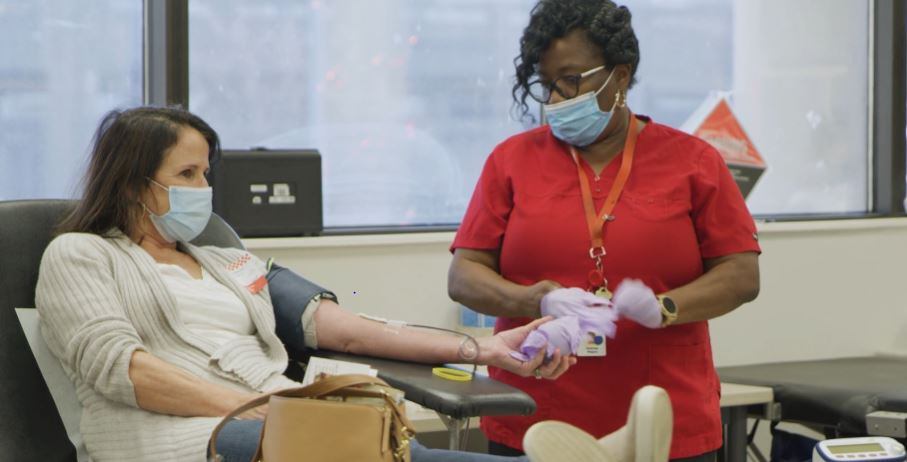
The American Red Cross has declared its first-ever "national blood crisis" in the United States. Since COVID hit the U.S. in March 2020, blood donations have declined by 10 percent. American Red Cross Medical Director, Dr. Baia Lasky joined Cheddar News to discuss the country facing the worst blood shortage in over a decade. Dr. Lasky noted that as much as 40 percent of Americans are eligible to donate blood but only about 4 percent do so. "This is going to be ongoing," she said. "This is not an acute shortage. We really do need the commitment of people to come out and donate and donate again." Appointments to donate can be made by using the Red Cross Donor App, at RedCrossBlood.org, or calling 1-800-RED CROSS (1-800-733-2767).
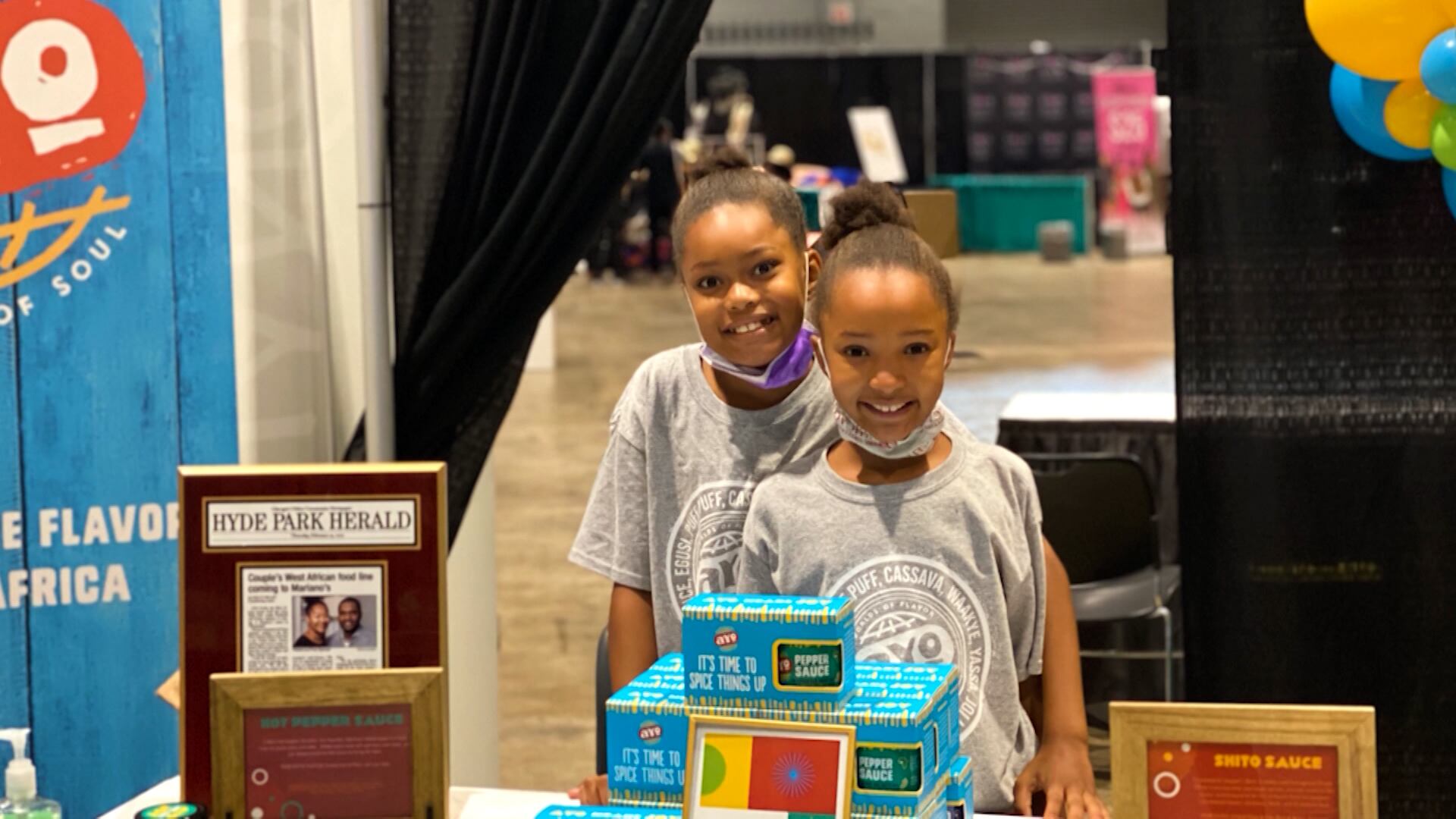
On this episode of ChedHER: Co-Founder of VC firm CaJE breaks down how she's creating a new era of venture capital and empowering Black women with 'soil' funding to start and grow their businesses; AYO Foods Co-Founder discusses how the brand is bringing West African cuisine to the frozen food industry and building a grocery aisle her daughters can be proud of; Chief Marketing & Customer Experience Officer at Chase Auto talks her experience being a woman of color in the auto industry, and why transportation is so important to financial freedom.
Renée Horne, chief marketing and customer experience officer at Chase Auto, joins ChedHER to discuss her experience being a woman of color in the auto industry and why transportation is so important to financial freedom.
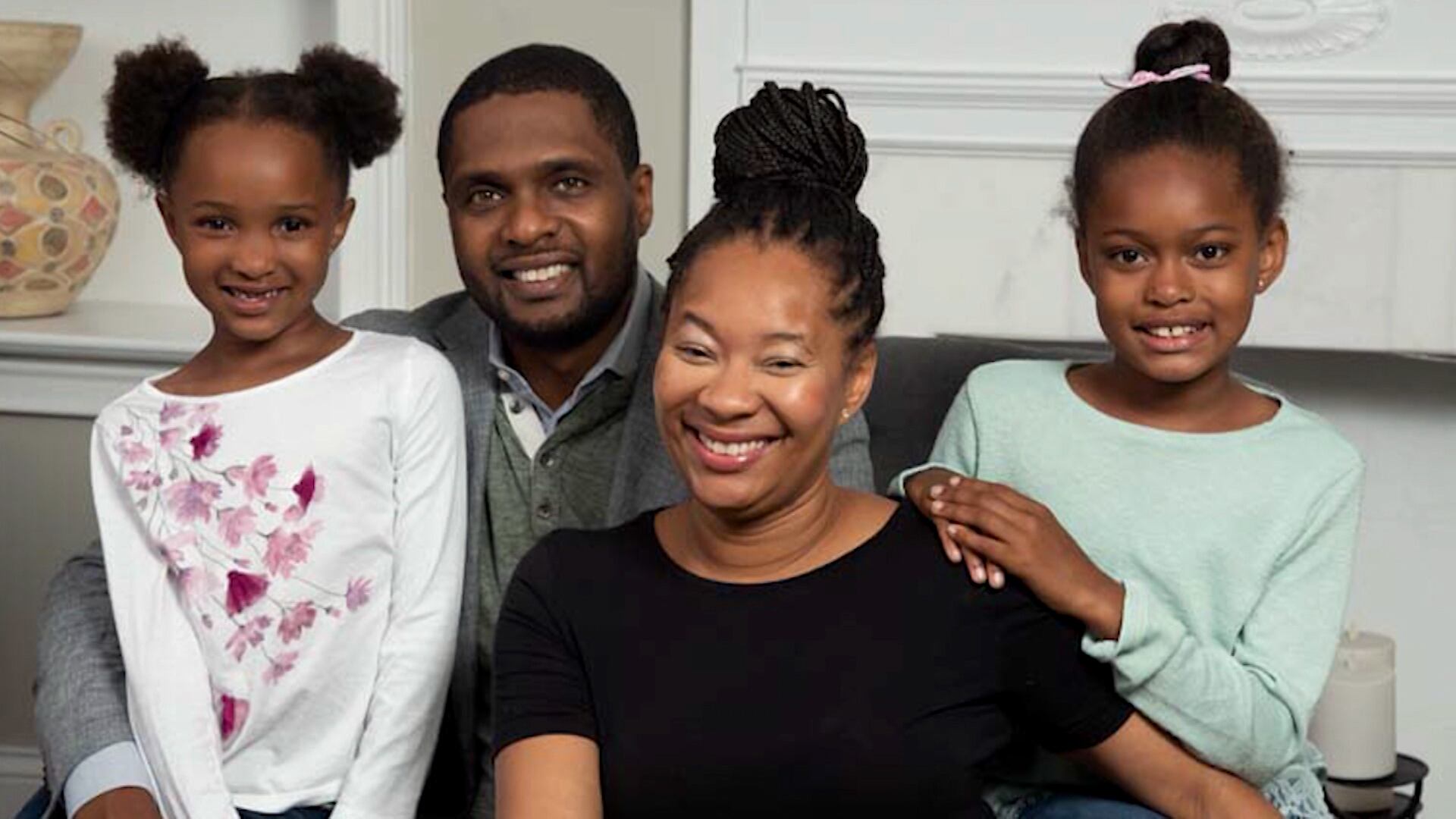
Perteet Spencer, Co-Founder of AYO Foods, joins ChedHER to discuss how the brand is bringing West African cuisine to the frozen food industry and building a grocery aisle her daughters can be proud of.
Crystal Etienne, Founder and CEO of period apparel company Ruby Love and Co-Founder of VC firm CaJE, joins ChedHER to discuss her experience bootstrapping her company to $10 million, and how she's creating a new era of venture capital and empowering Black women with 'soil' funding to start and grow their businesses.