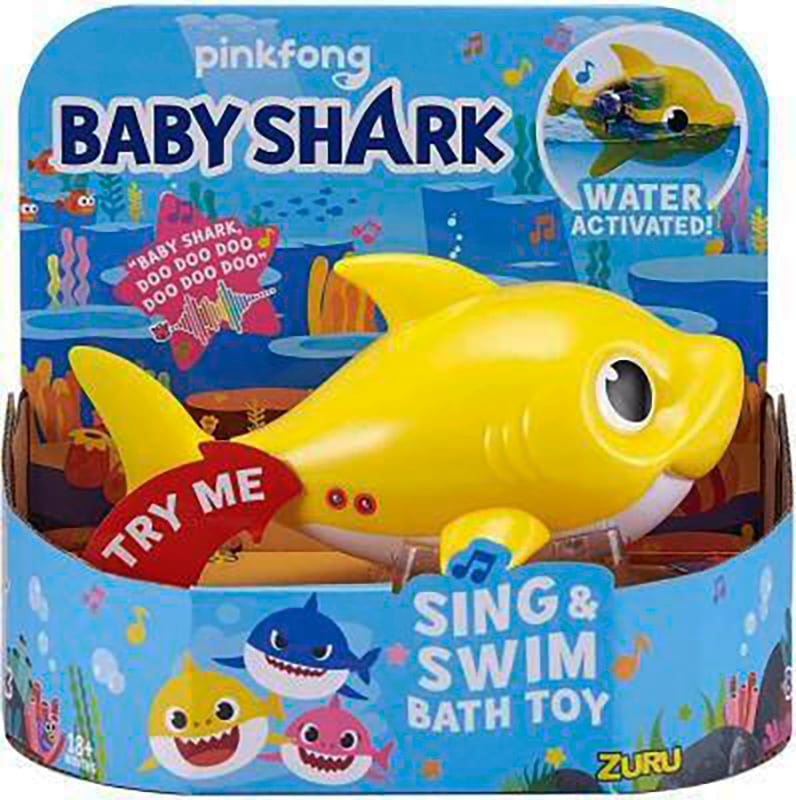
This image provided by Consumer Product Safety Commission shows Zuru’s full-sized Robo Alive Junior Baby Shark Sing & Swim Bath Toys. About 7.5 million “Baby Shark” bath toys are being recalled, Friday, June 23, 2023, after multiple impalements, lacerations and puncture wounds were reported in children playing with them. Toymaker Zuru said it’s recalling both full-size and mini versions of its robotic baby shark toys that have hard plastic top fins. (Consumer Product Safety Commission via AP)
About 7.5 million singing and swimming “Baby Shark” bath toys are being recalled after multiple lacerations and puncture wounds were reported in children playing with them.
Zuru, an El Segundo, California-based toymaker, said it's recalling both full-size and mini versions of its robotic baby shark toys that have hard plastic top fins, which pose the injury risks.
Twelve injuries have already been reported with Zuru's full-sized Robo Alive Junior Baby Shark Sing & Swim Bath Toys — after children sat or fell on the now-recalled products. Nine of these cases required stitches or medical attention, according to a Thursday release from the U.S. Consumer Product Safety Commission.
While injuries have only been reported with these full-sized toys so far, Zuru is also recalling Robo Alive Junior Mini Baby Shark Swimming Bath Toys “out of an abundance of caution."
Consumers in possession of the recalled toys are instructed to stop using them immediately and contact Zuru for a full refund. To get the refund, customers are asked to cut off or bend the tail fin, write “recalled” and a registration code on the body of the baby shark and upload a photo on a site dedicated to the recall.
The recalled products can be identified by model numbers and date codes. Zuru's Robo Alive Junior Baby Shark Sing & Swim Bath Toys and Robo Alive Junior Mini Baby Shark Swimming Bath Toys were sold in-person and online at chains including Walmart, Target, CVS, Walgreens and TJX Companies from May 2019 through March 2023.
In a company announcement, Zuru noted that that the recall only impacts the versions of the baby shark toys with a hard plastic fin. The newest toys, which have a silicone fin, are not part of the recall, Zuru said.
“We want to assure our customers that we are committed to the highest levels of safety and quality of all our products, and we have implemented measures to prevent future incidents by working to promptly remove these products from retail and replace them with a newly designed product,” Zuru wrote.
Facebook parent Meta officially has changed it’s ticker symbol from ‘FB’ to ‘META’. Paul Meeks, a portfolio manager, Independent Solutions Wealth Management, and a professor of practice in the Baker School of Business at The Citadel, joined Cheddar News to discuss why the tech giant has had to make big changes to its name, its ticker, and its business plans. "When you see what's happening in digital advertising — and there was a slowdown there even before the threat of a recession, which could cause a even more drastic slowdown next year — they had to pivot," he said. Meeks noted he sees Facebook dominating in the metaverse space going forward — whatever that may end up being.
Sports merchandising company Fanatics announced it will be making trading cards featuring college athletes, a deal made possible by the NCAA's change to NIL rules for its players. Anchors Kristen Scholer and Ken Buffa break down the deal for Cheddar.
Catching you up on today’s top business headlines with household wealth falling in Q1 for the first time in two years, Meta officially changing its ticker symbol from ‘FB’ to ‘META’, and updates on Tesla.
The European Union has approved a 40 percent quota for women to sit on company boards. This comes as only 9 of the 27 EU member states have gender equality legislation.
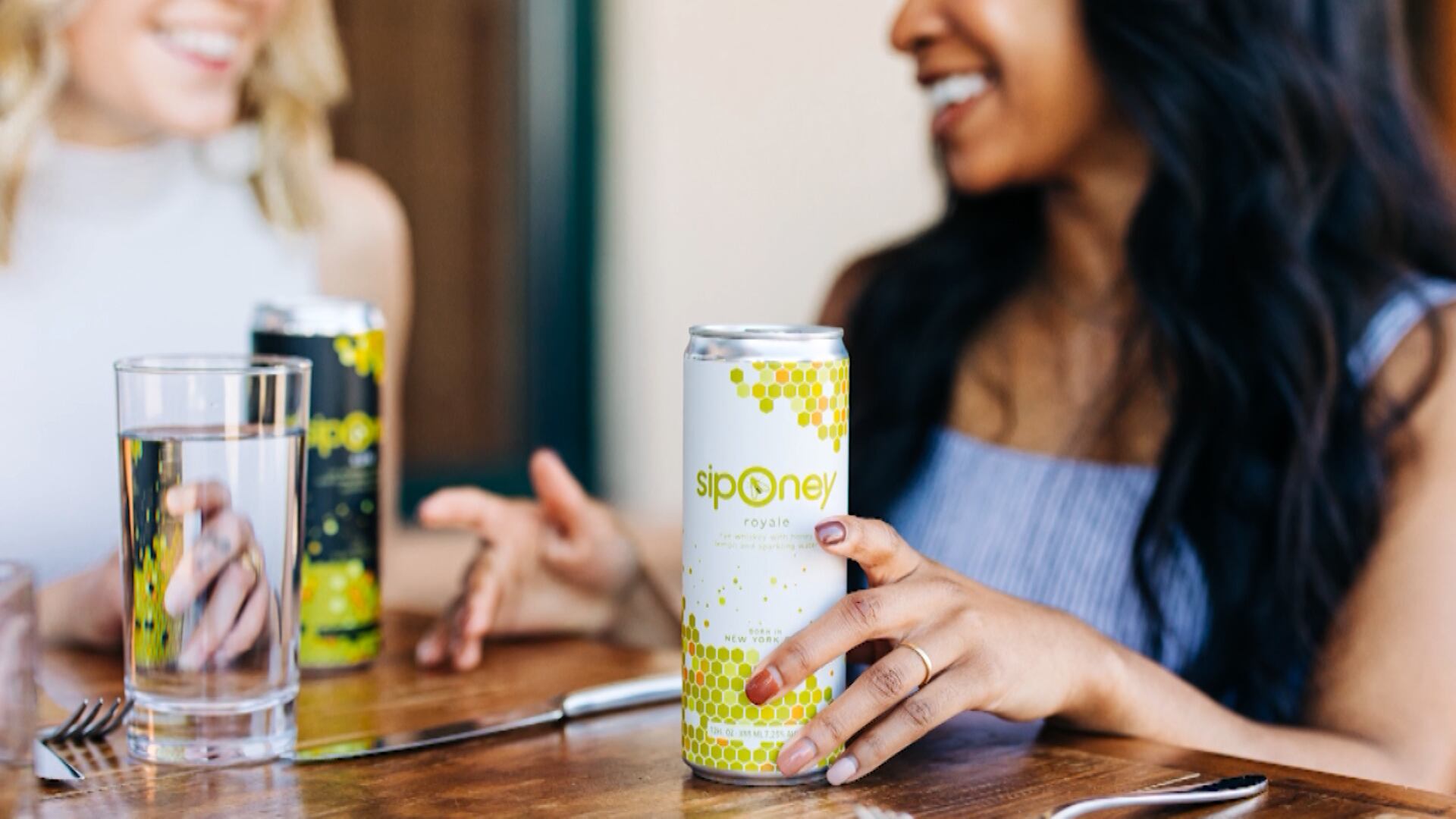
Amanda Victoria, co-founder and CEO of Siponey, joins Cheddar News to talk about the company's canned cocktails. The spritz is made with only four ingredients — wildflower honey, aged rye whiskey, sparkling water, and fresh lemon juice.
Officials and power operators are bracing the public for blackouts caused by higher-than-average temperatures this summer. Utility officials in California and Arizona are warning of potential interruptions this summer due to the strain on energy supplies. Heat waves and drought conditions weaken power grids and available electricity reserves. This also makes hydroelectric power less reliable and raises the risk of wildfires.
Cisco DeVries, CEO of OhmConnect, joins Cheddar News to discuss.
The markets opened lower on Thursday as investors hold their breath ahead of the May consumer price index, which will give investors a better picture of the state of inflation in the United States. Michele Schneider, a partner and the director of trading research and education for MarketGauge.com, joined Cheddar to discuss. "If the CPI read is softer than what's expected, we actually might get a rally," she said. "If it's more than expected, then I think it will spook the market."