By Eric Tucker
With less than two months until the end of the year, the Biden administration is running out of time to win the reauthorization of a spy program it says is vital to preventing terrorism, catching spies and disrupting cyberattacks.
The tool, Section 702 of the Foreign Intelligence Surveillance Act, will expire at the end of December unless the White House and Congress can cut a deal and resolve an unusually vexing debate that has yielded unlikely alliances at the intersection of privacy and national security.
Without the program, administration officials warn, the government won't be able to collect crucial intelligence overseas. But civil liberties advocates from across the political spectrum say the law as it stands now infringes on the privacy of ordinary Americans, and insist that changes are needed before the program is reauthorized.
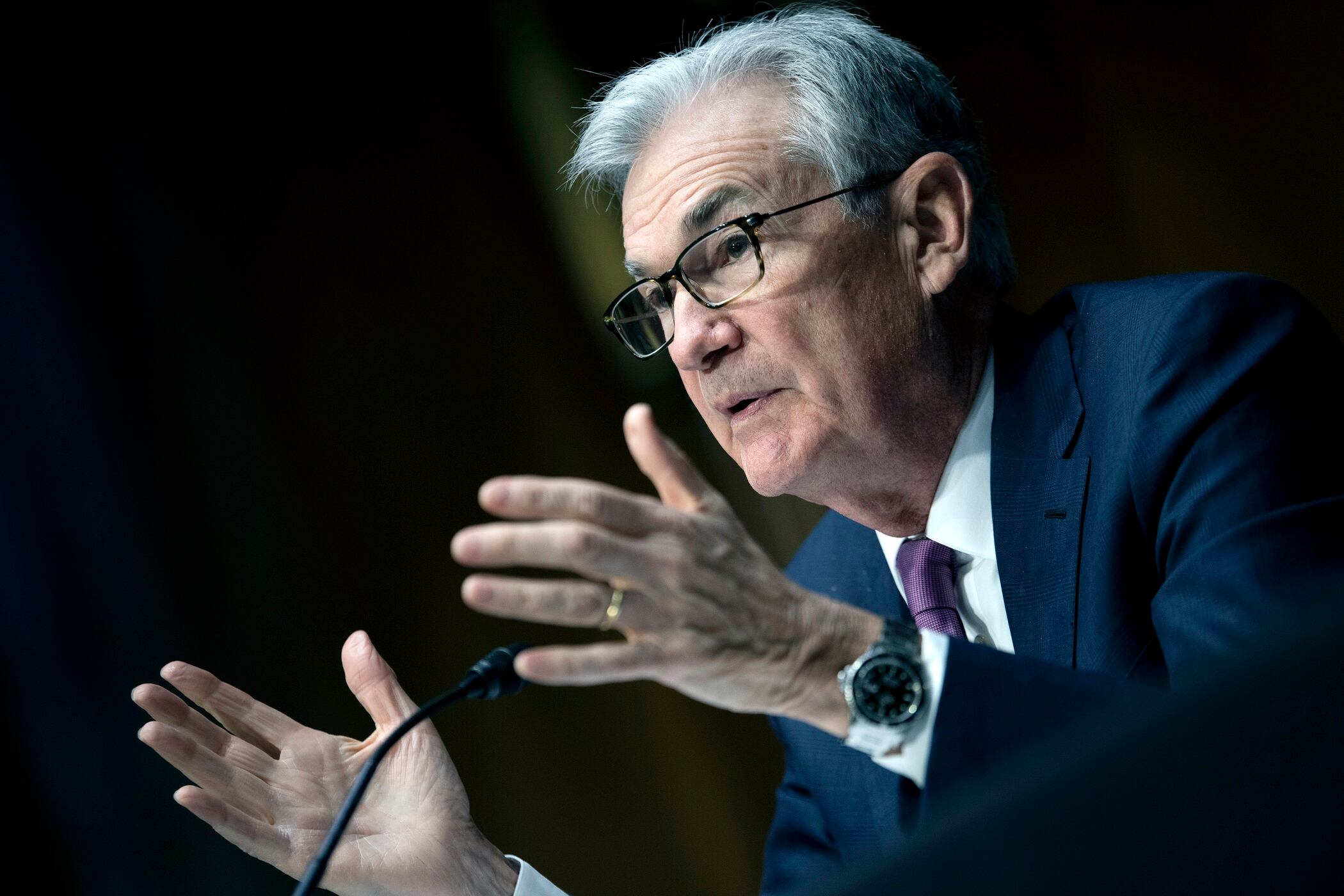
“Just imagine if some foreign terrorist organization overseas shifts its intentions and directs an operative here who'd been contingency planning to carry out an attack in our own backyard — and imagine if we're not able to disrupt the threat because the FBI's 702 authorities have been so watered down,” FBI Director Christopher Wray told lawmakers Wednesday on the House Homeland Security Committee.
The law, enacted in 2008, permits the U.S. intelligence community to collect without a warrant the communications of foreigners overseas suspected of posing a national security threat. Importantly, the government also captures the communications of American citizens and others in the U.S. when they’re in contact with those targeted foreigners.
In making the case for the law's renewal, the Biden administration over the last year has cited numerous instances in which intelligence derived from Section 702 has helped thwart an attack, including an assassination plot on U.S. soil, or contributed to a successful operation, such as the strike last year that killed al-Qaida leader Ayman al-Zawahri.
National security officials have also said 59% of articles in the president’s daily brief contain Section 702 information, and point to the need for the program at a time when Israel's war with Hamas has led to elevated concerns about attacks inside the U.S.
But while both sides of the debate are in broad agreement that the program is valuable, they differ in key ways on how it should be structured, creating a stalemate as the deadline approaches and as Congress is consumed by a busy year-end agenda, including working to prevent a government shutdown and disputes over border security and war spending.
The White House has already dismissed as unworkable the one known legislative proposal that’s been advanced, though additional bills are expected to be introduced.
Another complicating factor for the administration to navigate: the coalition of lawmakers skeptical of government surveillance includes both privacy-minded liberal Democrats and Republicans deeply supportive of former President Donald Trump who still regard the intelligence community with suspicion over the investigation of ties between Russia and the 2016 Trump campaign.
Despite the clear challenges in reaching a compromise, the last-minute scramble between the White House and Congress has come to be expected each time the government’s surveillance powers are up for renewal. This particular program was last renewed in January 2018 following a splintered vote in Congress and signed into law by Trump, who in a statement praised the tool's value for having “saved lives” but also cheered a new requirement that was meant to protect privacy.
“A lot of these in the past have gone up to the brink. There is a history here of this brinksmanship when you have these statutory sunsets,” said Jamil Jaffer, founder and executive director of the National Security Institute at George Mason University’s law school and a senior Justice Department official at the time the law was created.
This year, a key point of contention is the insistence by some in Congress, over the strong objection of the White House, that federal agencies be required to get a warrant before they can access the communications of people in the U.S.
That’s been a priority for civil liberties advocates in light of revelations over the past year about improper searches of the intelligence database by FBI analysts for information related to the Jan. 6, 2021 riot at the Capitol and the racial justice protests of 2020, as well as about state and federal political figures.
The Biden administration has said compliance errors by the FBI are exceedingly rare given the massive number of overall database queries and that the bureau has made important reforms to minimize the prospect for civil liberties intrusions.
A senior administration official has said that a warrant requirement included in a legislative proposal announced last week would cross a “red line” for the White House given that it would limit officials’ ability to detect, and act on, potentially vital intelligence in real-time.
The official, who briefed reporters on condition of anonymity under ground rules set by the White House, said such a mandate would not only be operationally unworkable but also legally unnecessary because it would force officials to get a warrant to examine intelligence that was already lawfully collected.
Wray, in prepared remarks to the House homeland panel, said a warrant requirement would amount to a “de facto ban” in part because of the length of time and amount of resources needed to prepare an application for a court order.
The idea of requiring a warrant or probable cause to access information about people in the U.S. has been advocated by Republican Rep. Jim Jordan, the chairman of the House Judiciary Committee and one of the most pro-Trump members of Congress, and Democratic Sen. Ron Wyden, a reliable champion of civil liberties and liberal standard bearer for decades.
Wyden last week released a bill with a bipartisan group of lawmakers — including Republican Rep. Andy Biggs, a vocal Trump supporter — that would mandate a warrant except for limited exemptions, such as when officials need to stop an imminent threat or if the subject of the query has consented to the search.
In an interview, Wyden said that though he felt strongly about the need for warrants — they're "important because the Founding Fathers thought they were important" — he also believed that his team had adopted a measured approach by including significant exceptions to the warrant requirement.
“We’re not negotiating with ourselves,” Wyden said. “We’ve got an open-door policy. If there are concerns from the administration, they ought to come up, make the case and talk them through.”
Associated Press writer Farnoush Amiri contributed to this report.