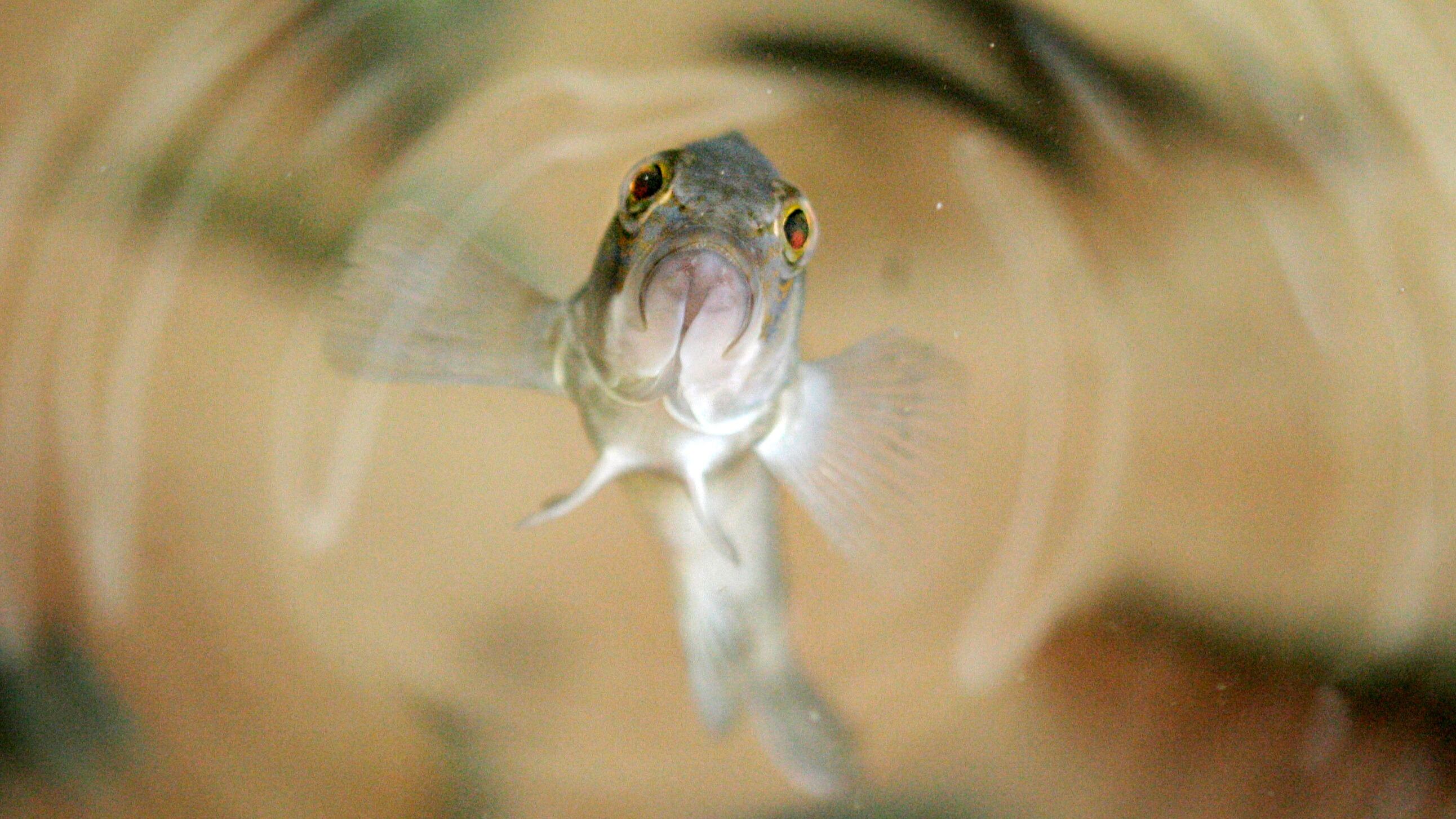
File photo of sea bass. (Photo: AP Photo/Steven Senne, File)
A commercial fisherman accused of conspiring with others to sell 200,000 pounds (90,000 kilos) of fish in excess of legal quotas has been convicted in federal court in New York.
Christopher Winkler, 63, of Montauk, was convicted Wednesday in Central Islip of one count of criminal conspiracy, two counts of mail fraud and two counts of obstruction of justice. Winkler, the captain of a fishing trawler called the New Age, was accused of falsifying records to sell illegal fluke and black sea bass worth nearly $900,000 between 2014 and 2017.
“Fluke and black sea bass play a vital part in our marine ecosystem and quotas are designed to prevent overfishing and stabilize populations for the public good,” Assistant Attorney General Todd Kim said in a news release. “We will continue to seek justice against those who flout laws that protect fisheries and the fishing industry.”
Winkler's attorneys Richard Levitt and Peter Smith said the case was based on outdated limits on fluke, also known as summer flounder.
“There is nothing at all rational about this system, but Mr. Winkler and other Long Island fishermen are easy scapegoats for this regulatory insanity,” the lawyers said in a statement.
The New York Times reported that Levitt told jurors that Winkler was a “working stiff” who had been wronged by the government in a misguided prosecution. Levitt also pointed to rules that force fishermen to throw over-quota fish back into the water even if most die.
Prosecutors said Winkler supplied over-the-limit fish to dealers, including Gosman’s fish dock in Montauk and two others that operated out of the New Fulton Fish Market in the Bronx.
Two members of the Gosman family, cousins Asa and Bryan Gosman, pleaded guilty in 2021 to a single count of mail fraud and cooperated in the government’s investigation.
Newsday reported that Winkler's attorneys sought to paint the prosecution's witnesses as untrustworthy, noting that many, including the Gosmans, admitted to drug and alcohol use.
Prosecutor Christopher Hale said during his summation that some of the witnesses were “scoundrels” but added, “We take the witnesses as they come. It’s not a beauty pageant.”
Levitt vowed to appeal the verdict. Winkler remains free on bail and no date has been set for his sentencing.
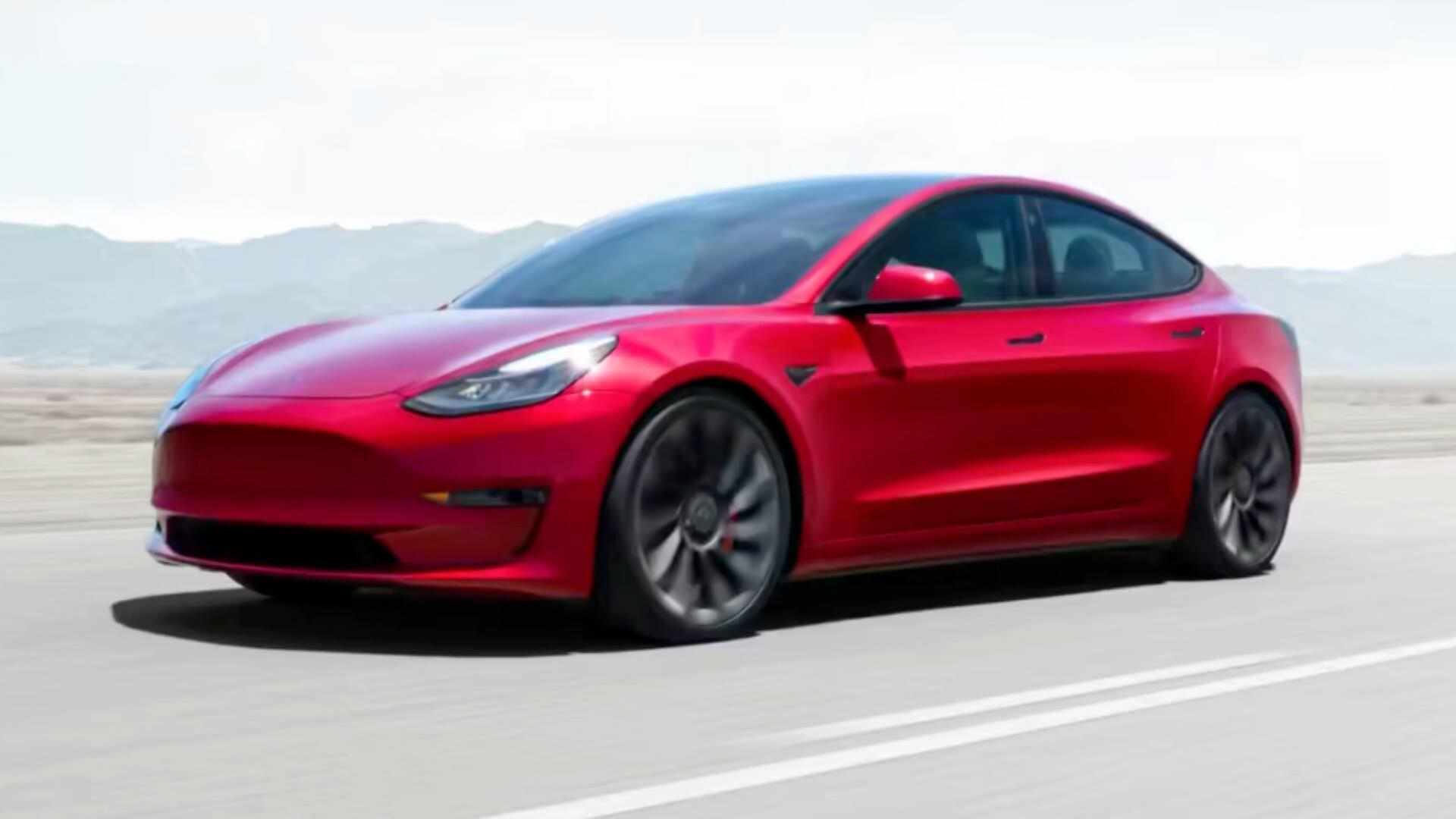
Amid a string of recalls for their electric cars, Tesla is also facing a lawsuit over workplace discrimination. The electric automaker is being accused by California’s Department of Fair Employment and Housing of a pattern of racial discrimination against Black workers. Caleb Silver, Editor-in-Chief at Investopedia, joined Cheddar News to discuss the numerous technical and safety issues that led to the recalls and the allegations of systemic racist abuse at its Fremont plant. "Tesla disputes these claims, but still you can’t avoid the pattern," he said.
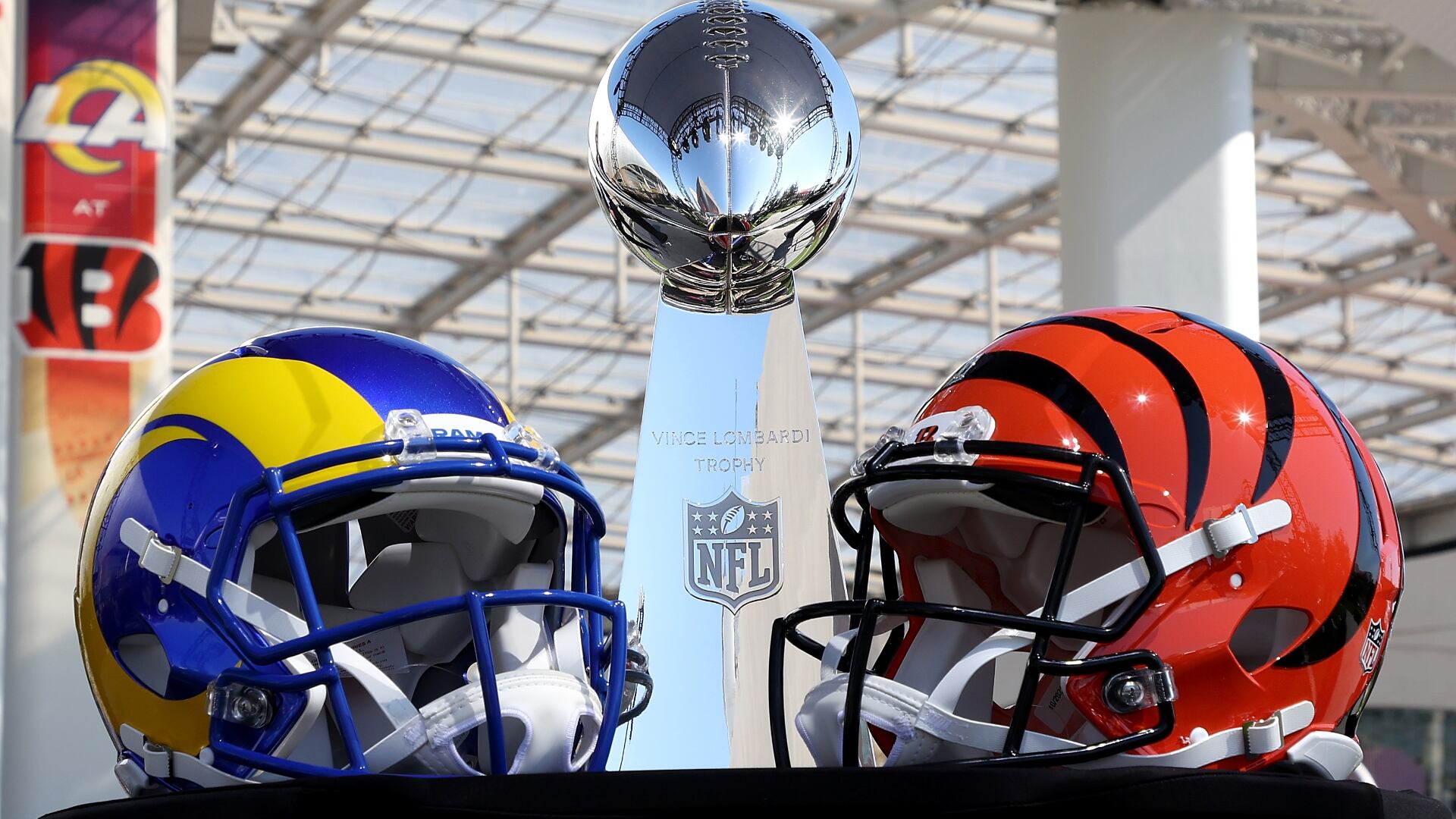
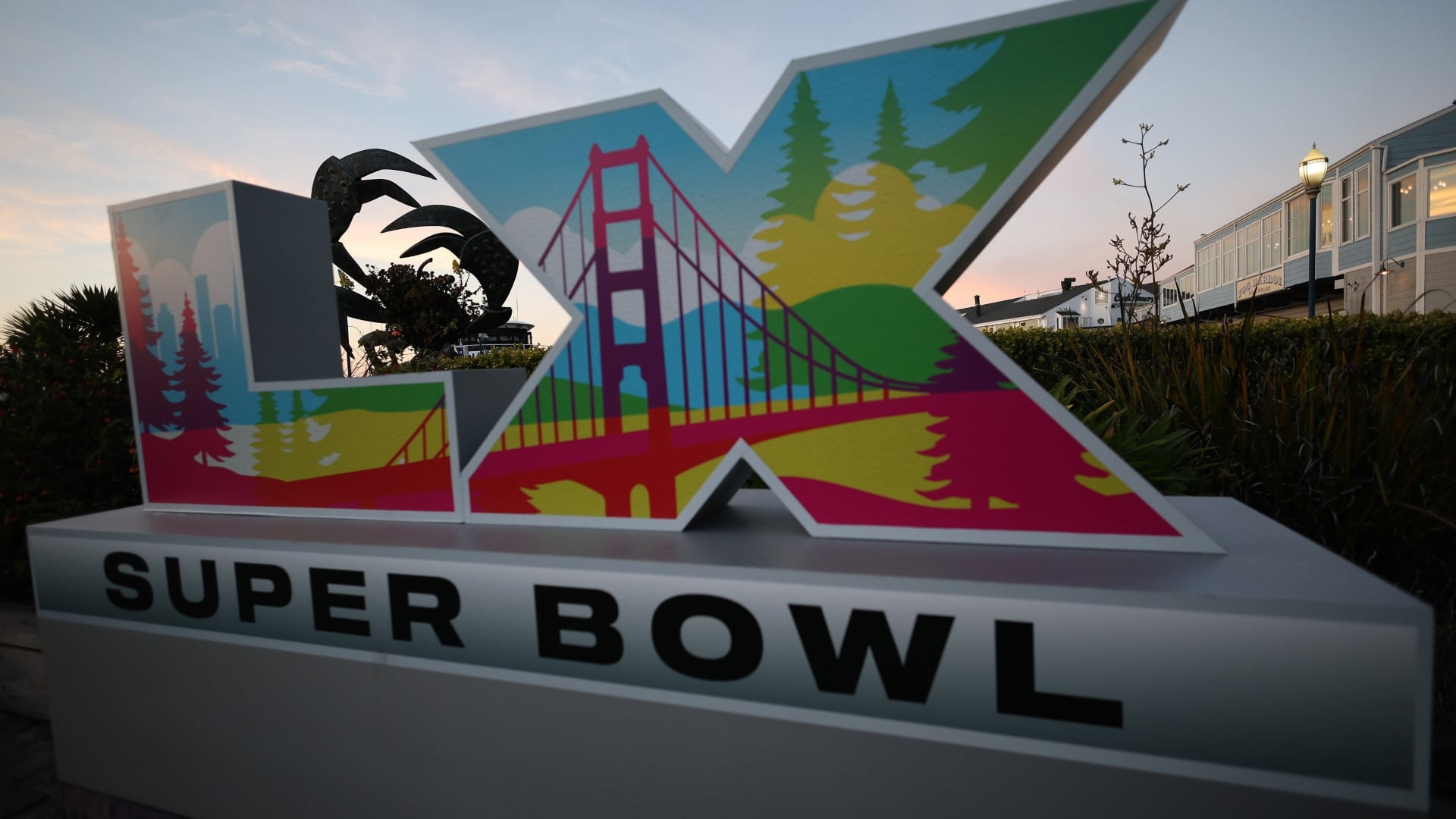
The Super Bowl is only a few days away, and the game is currently tracking to be the most expensive one ever.
Gametime, a website and app for last-minute tickets, says the average ticket price for the NFL's championship game is $9,502.50, with the most expensive seats costing nearly $38,000. That's a far cry away from the average ticket price of the first-ever Super Bowl in 1967, which was only $12. The average ticket price increased by more than $8,000 in just the past decade. Matt Rados, Senior Operations Manager at Gametime, joins Cheddar News' Closing Bell to discuss.
Earlier this week, digital investment advisor Betterment announced that it has hired Makara, a company known for its management of cryptocurrency portfolios. Sarah Levy, CEO of Betterment, joins Cheddar News' Closing Bell, where she explains why crypto represents such a promising long-term play and how her company stands to benefit from this latest move.
At-home medical labs company Getlabs raised $20 million in a Series A round, led by Emerson Collective and the Minderoo Foundation. Getlabs aims to be the boots-on-the-ground partner to telehealth. The company says more than 70% of medical decisions still require collecting diagnostic tests in person, and that it fills that void by delivering health care directly to their patients' homes. Founder & CEO of Getlabs Kyle Michelson joined Cheddar News' Closing Bell to discuss.
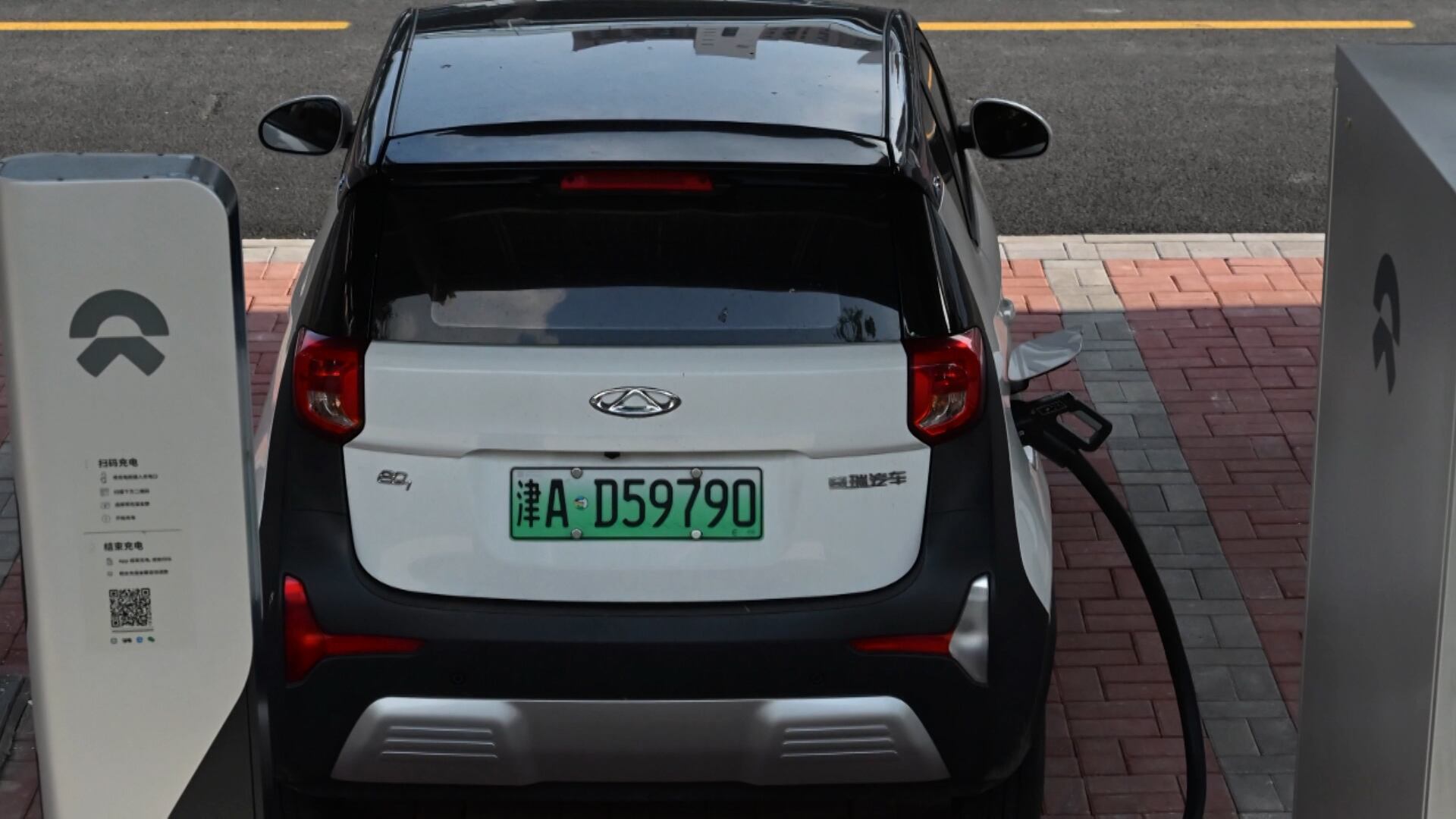
The White House laid out plans for a $5 billion investment into a national network of charging stations to ease EV driving anxiety. Bruce Brimacombe, CEO of EV infrastructure GOe3 joined Cheddar News to discuss how much needs to be done for drivers to get over the fear of running out of energy. "People need to be able to do what they're doing now," he said. "But that is the way that if you're going to buy an electric car, you got to feel like you're not changing your world." Brimacombe noted that building out the infrastructure between cities was GOe3's own focus.