By Mike Stobbe
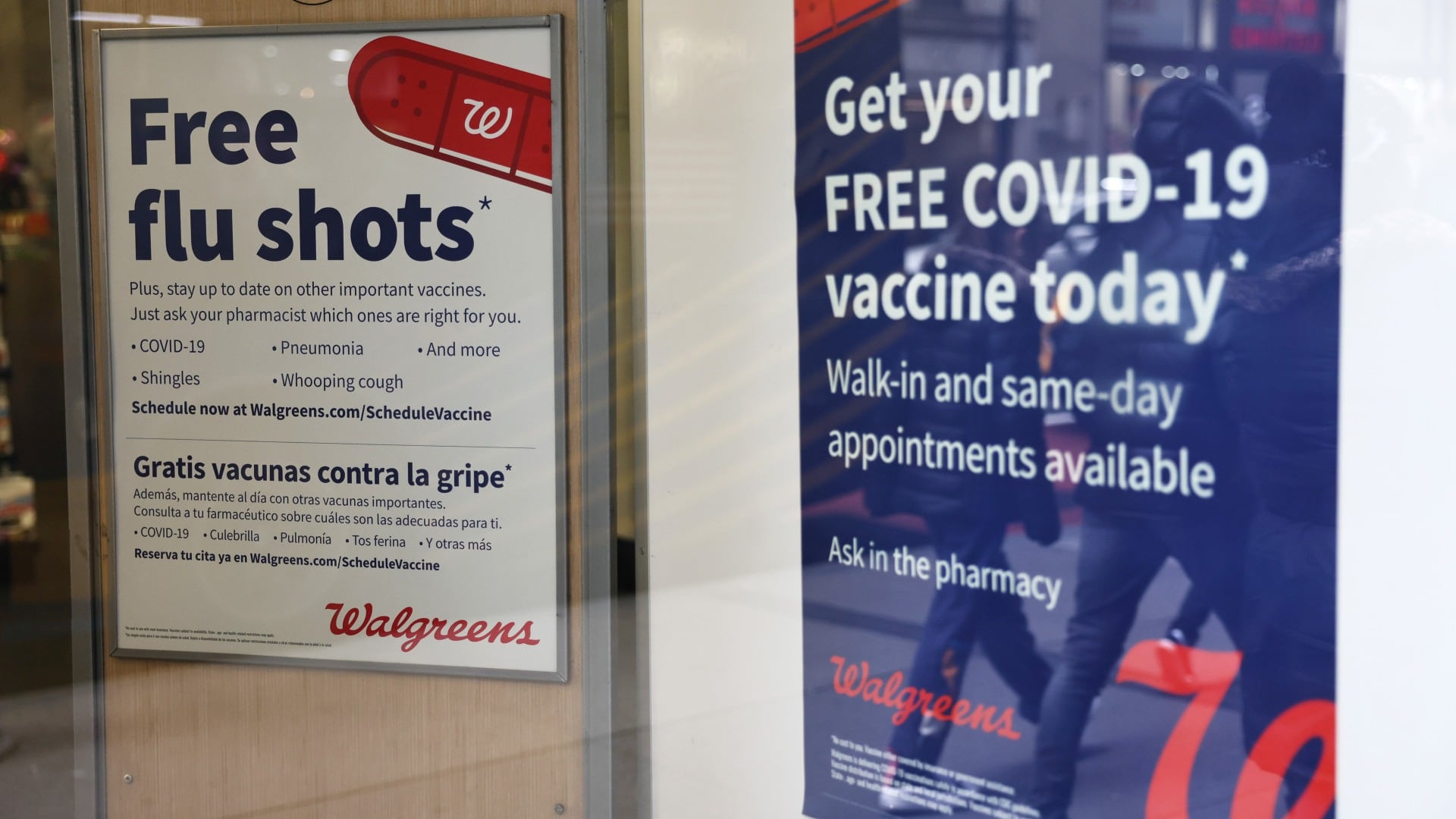
A month after federal officials recommended new versions of COVID-19 vaccines, 7% of U.S. adults and 2% of children have gotten a shot.
One expert called the rates “abysmal.”
The numbers, presented Thursday at a meeting held by the Centers for Disease Control and Prevention, come from a national survey of thousands of Americans, conducted two weeks ago.
The data also indicated that nearly 40% of adults said they probably or definitely will not get the shot. A similar percentage of parents said they did not plan to vaccinate their children.
In the late summer, government health officials made the nation's COVID-19 vaccination campaign more like the annual flu campaign.
Officials approved updated shots that have a single target, an omicron descendant named XBB.1.5. They replaced vaccines that targeted the original coronavirus strain and a much earlier omicron version. Last month, the CDC recommended the new shots for everyone 6 months and older.
The government also transitioned to a commercialized system that relied on the health-care industry — not the government — to handle the distribution of the shots. Many people who immediately went for shots said pharmacies or doctors didn't have them.
Americans have been urged to get different iterations of the vaccines for more than 2/12 years. This year, COVID-19 deaths and hospitalizations fell to lower levels than seen in the previous three years.
Cases remain low compared with the pandemic's early months. Even so, health officials say about 18,000 hospitalization and 1,200 deaths are still being reported each week.
One expert at the meeting, Dr. Camille Kotton of Harvard Medical School, called the numbers “abysmal” and said part of the problem may be patient confusion. She urged stepped-up public education efforts.
Dr. David Kimberlin, of the University of Alabama at Birmingham, also expressed dismay.
“The recommendations are not being heard," he said.
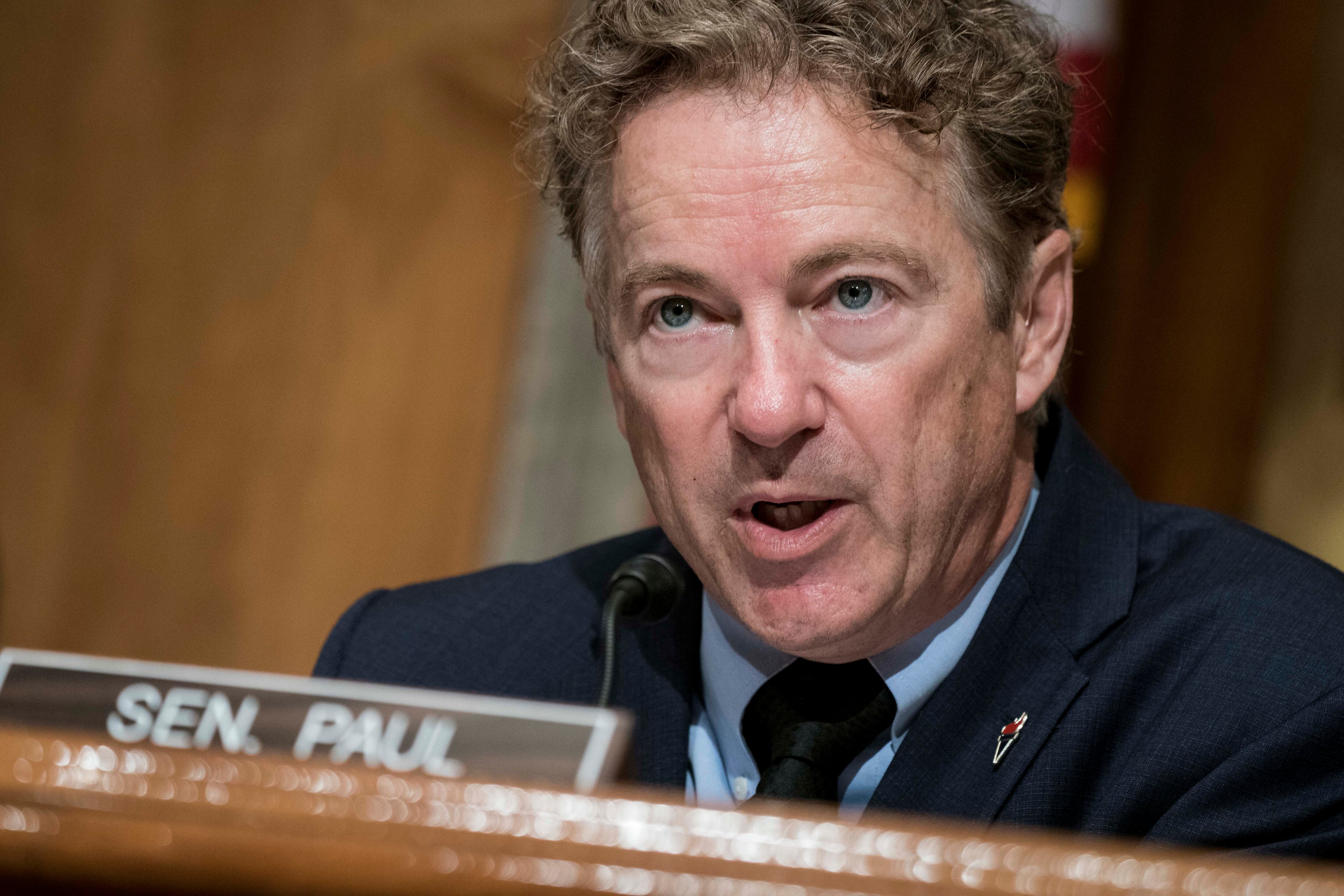
Sen. Rand Paul of Kentucky has tested positive for the novel coronavirus, becoming the first case of COVID-19 in the Senate and raising fears about the further transmission of the virus among Republicans at the Capitol.
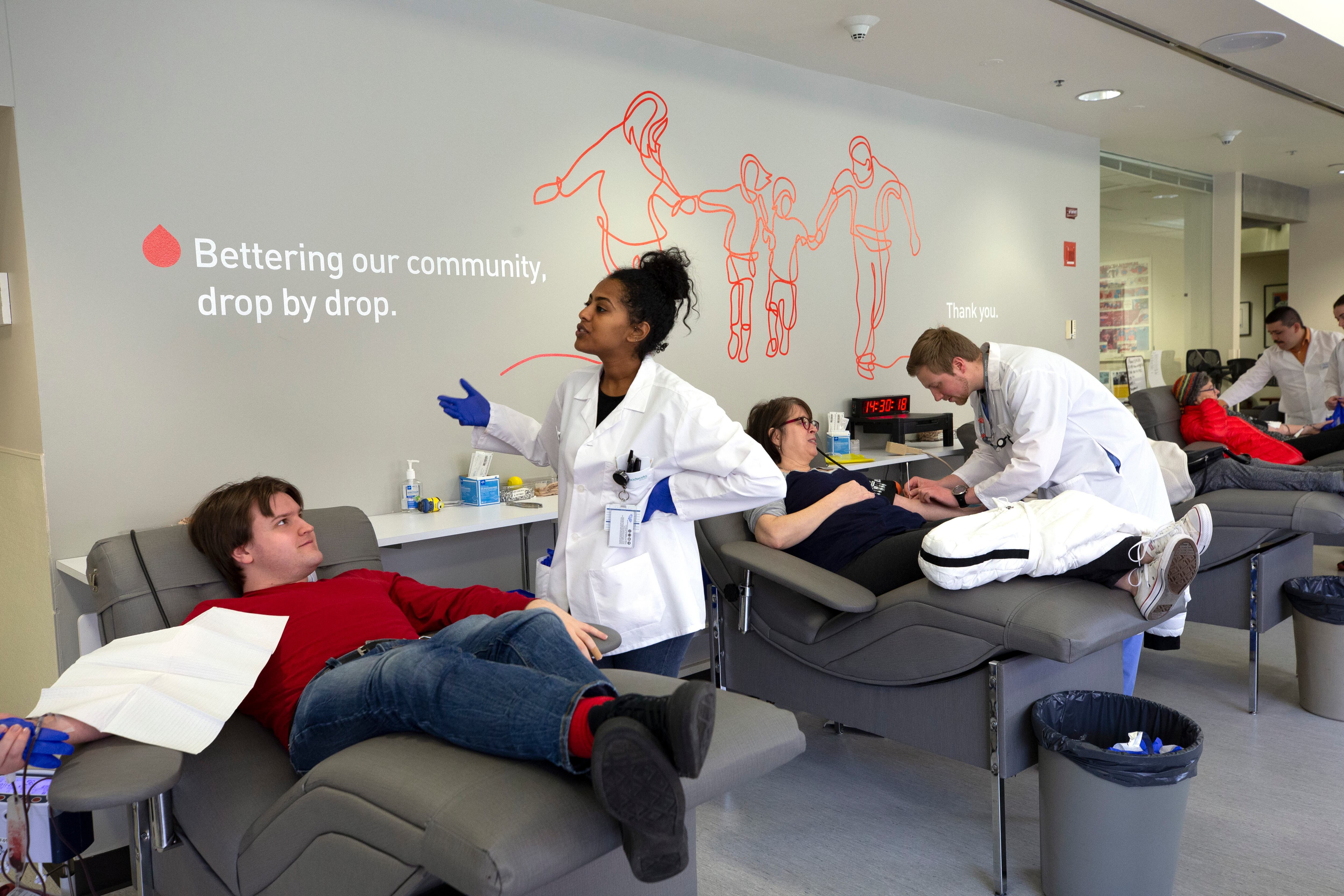
Americans capable, willing, and able to donate blood are encouraged to do so during an era of social distancing.
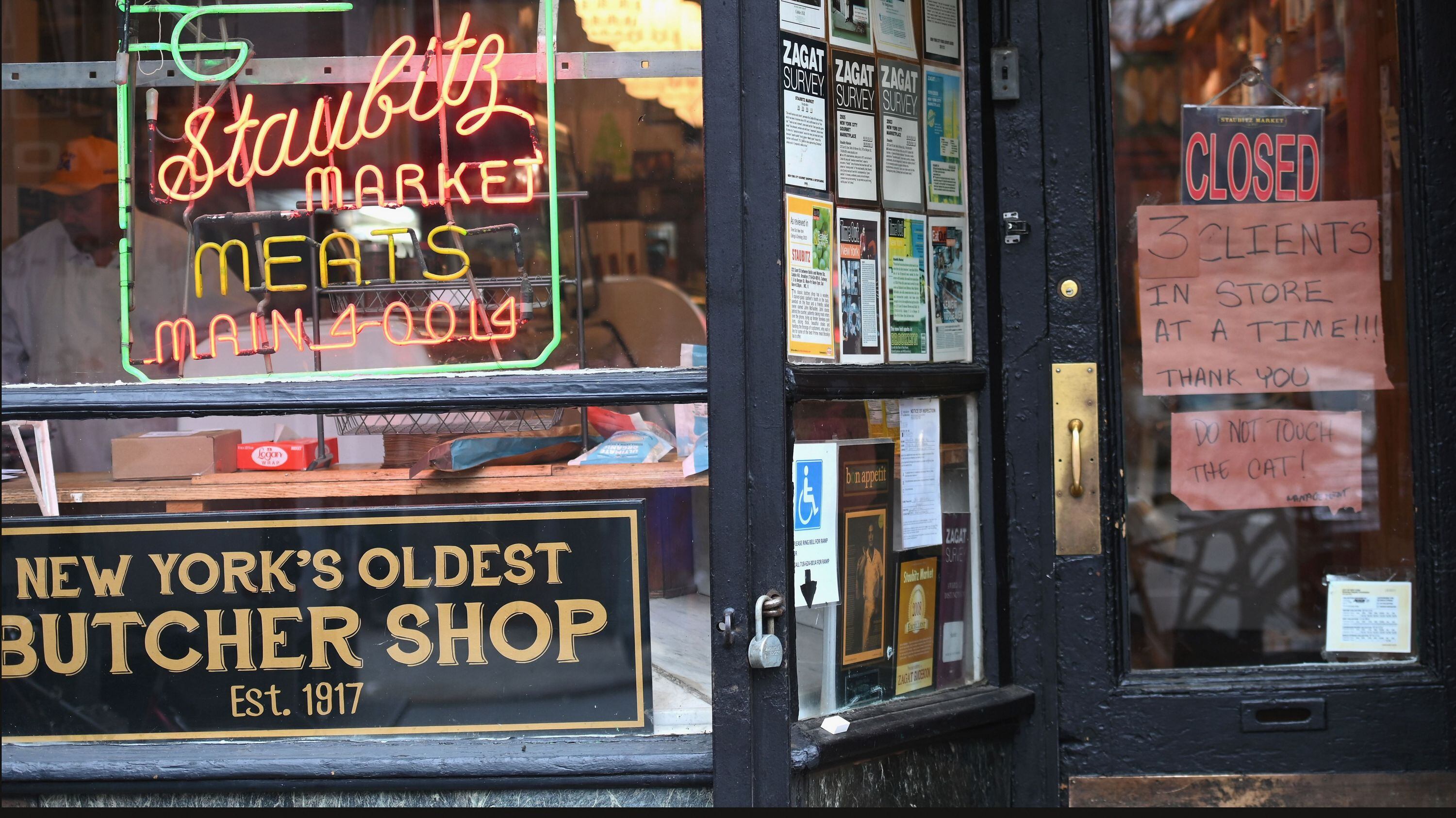
New York is joining California in seriously altering daily operations after Governor Andrew Cuomo announced he will sign an executive order mandating that 100 percent of the non-essential workforce stay home. The order will go into effect Sunday night.
Stocks turned lower Friday on Wall Street after New York became the latest major state to mandate nearly all workers stay home to limit the spread of the new coronavirus.
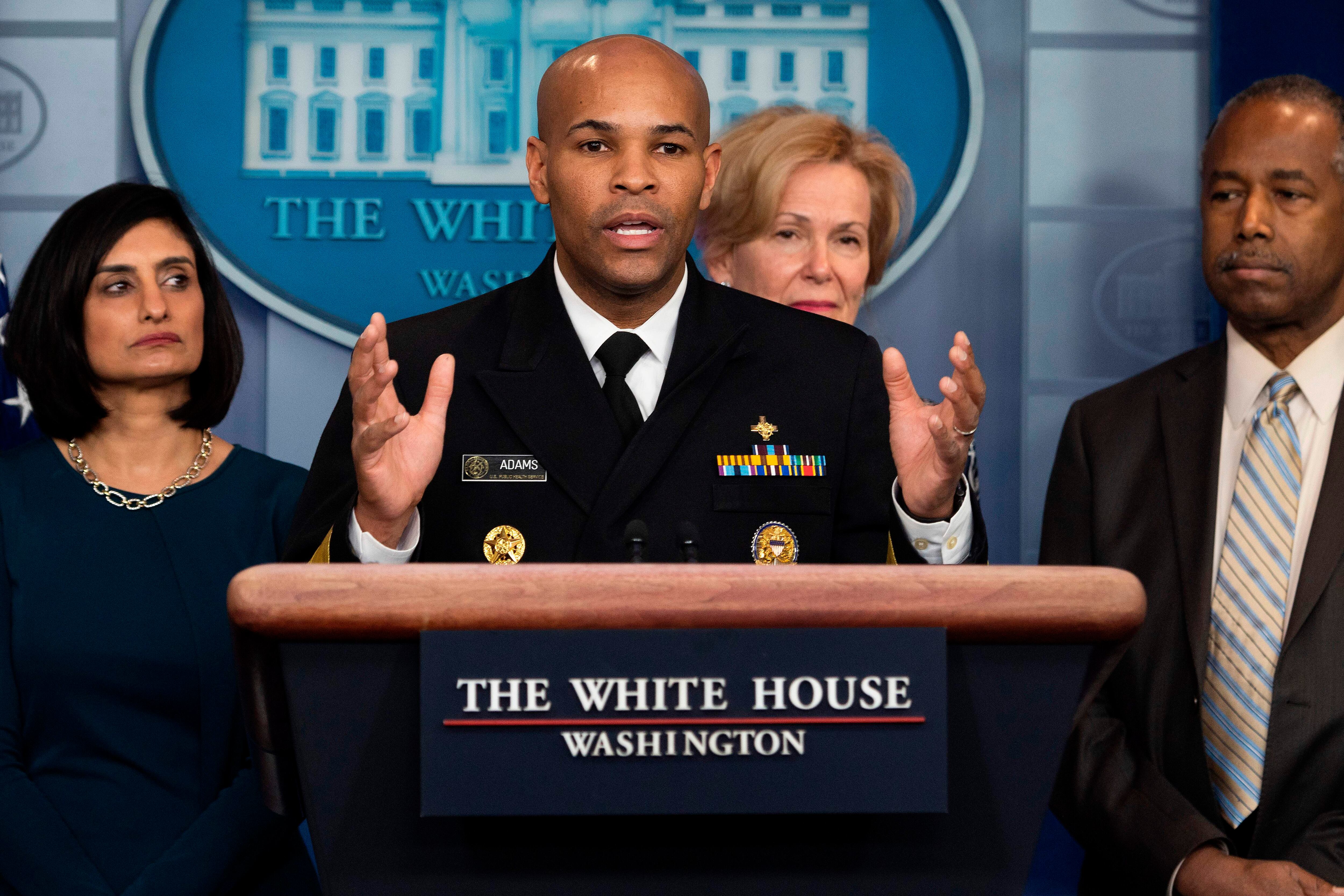
Surgeon General Dr. Jerome Adams on Thursday warned young people that they are not immune to the worse consequences of the coronavirus outbreak.
The demographics of U.S. victims reflect adults most at risk — those who have died from COVID-19 range in age from their 50s to their 90s, and the overwhelming majority suffered from pre-existing conditions like diabetes, emphysema, and heart problems.
In the morning conference, the governor also waived mortgage payments for 90 days and revealed the spike in new cases bringing the full total to 4,152, the most in the nation.
The drug, hydroxychloroquine, was developed more than a half-century ago and is approved for treating malaria, arthritis, and other ailments. Reports out of China and Italy suggest the drug may help, but there is no hard data yet.
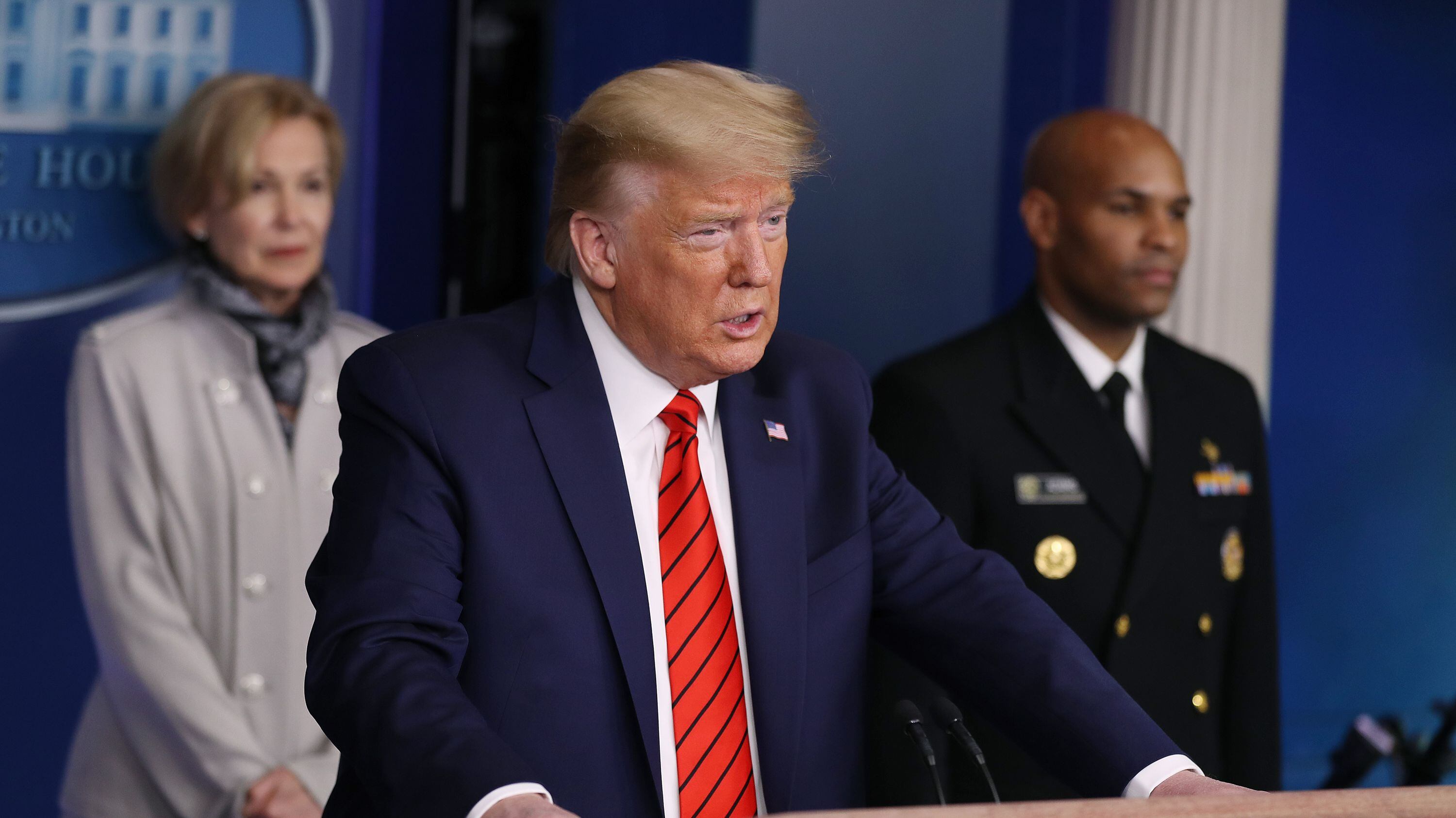
As the U.S. struggles to ramp up testing and respond to the spread of novel coronavirus within the nation’s borders, the president announced a series of stepped-up efforts to help the country and individuals.
Global coronavirus cases have surpassed 200,000 Wednesday morning and more than 8,200 have lost their lives since a novel virus appeared in the Hubei province of China late last year.