A player in California won a $1.73 billion Powerball jackpot Wednesday night, ending a long stretch without a winner of the top prize.
The winning numbers were: 22, 24, 40, 52, 64 and the Powerball 10. The winning ticket was sold at Midway Market & Liquor in Frazier Park, according to the California Lottery.
Phone calls Wednesday night to Midway Market & Liquor went unanswered.
“The phone’s been ringing off the hook, people saying congratulations. Pretty crazy,” the store’s night worker, identified only as Duke, told KCAL-TV.
“Somebody owes me a truck,” he said with a smile. “A lot of customers come in, you know they come in every day to get their tickets, religiously. And a lot of them ... said: ‘Oh, if I win I’m gonna get you a new truck.’ So where’s my truck? I’ll be waiting.”
He expected the winner will be a local resident.
Before someone won the giant prize, there had been 35 consecutive drawings without a big winner, stretching back to July 19 when a player in California matched all six numbers and won $1.08 billion.
The jackpot is the world’s second-largest lottery prize after rolling over for 36 consecutive drawings, since the last time someone won the top prize on July 19. That streak trails the record of 41 draws set in 2021 and 2022.
The only top prize that was ever bigger was the $2.04 billion Powerball won by a player in California last November.
Powerball’s terrible odds of 1 in 292.2 million are designed to generate big jackpots, with prizes becoming ever larger as they repeatedly roll over when no one wins. And wins in recent months have been few and far between.
That didn’t bother those eager to plunk down their money on Wednesday for a long-shot chance at instant wealth.
Robert Salvato Jr., a 60-year-old electrician, bought 40 Powerball tickets at a hardware store in Billerica, Massachusetts.
“I would take care of family and give my cat that extra leg that she needs and make her a good kitty,” said Salvato, who got married on Saturday.
“I could give her a ring on every finger, I guess,” Salvato said of his new wife.
Nevada is among the five states without Powerball, so friends Tamara Carter and Denise Davis drove from Las Vegas across the state line into California to buy tickets. But the line was so long at their first stop that they gave up and went in search of another store.
“The line was about three hours long,” Carter estimated. “I was waiting for maybe a half hour, and it didn’t move.”
The jackpot has grown enormous due to a long dry spell. The previous winning Powerball ticket was sold on July 19, and it was worth $1.08 billion after 39 drawings without a jackpot win.
At the same hardware store as Salvato, Kevin Button seemed to understand the long odds as he bought a ticket.
“I only buy them usually when the jackpot’s high,” Button said. “Seems to have been pretty high quite often lately. So I’ve tried quite a few times and haven’t even won a free ticket. But maybe tonight’s the night.”
In most states, a Powerball ticket costs $2 and players can select their own numbers or leave that task to a computer.
The $1.73 billion jackpot is for a sole winner who opts for payment through an annuity, doled out over 30 years. Winners almost always take the cash option, which for Wednesday night’s drawing is estimated at $756.6 million.
Winnings would be subject to federal taxes, and many states also tax lottery winnings.
Powerball is played in 45 states, as well as Washington, D.C., Puerto Rico and the U.S. Virgin Islands.
Rodrique Ngowi in Billerica, Massachusetts, and Ty O’Neil in California, near Primm, Nevada, contributed to this report.
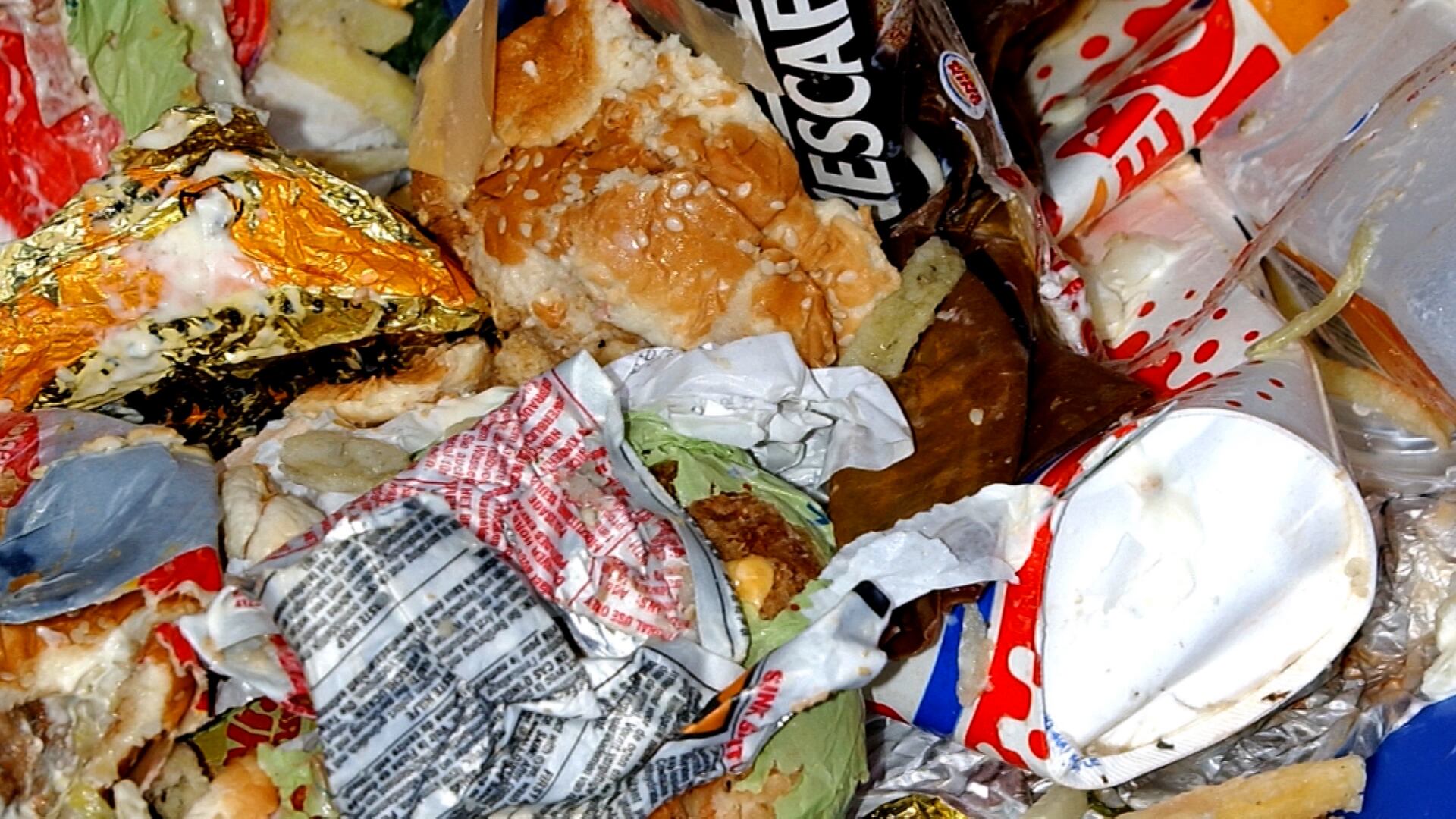
California's new composting law will affect what residents do in their kitchens. As of this week, Californians will have to recycle excess food in an effort to reduce emissions caused by food waste. Cities and counties will turn recycled food into compost or use it as a renewable energy source. California's new law is the largest mandatory residential food waste recycling program in the country. Rachel Wagoner, Director of the California Department of Resources, Recycling and Recovery called the law 'the biggest change to trash' since recycling started in the 1980s. She joined Cheddar Climate to discuss.
Fast-casual restaurant chain Sweetgreen is rolling out its first salad subscription service called sweetpass as it looks to customers tackling new year weight loss and health goals. Members will receive up to 30 percent off of purchases.
Washington DC and the surrounding areas saw a record breaking snow storm Monday as a strong storm system works its way across the eastern U.S. The extreme weather event caused extensive damage in the greater Washington area, leaving thousands in the region without power. Jonathan Porter, Chief Meteorologist, AccuWeather, joined Wake Up with Cheddar to discuss the fierce storm.
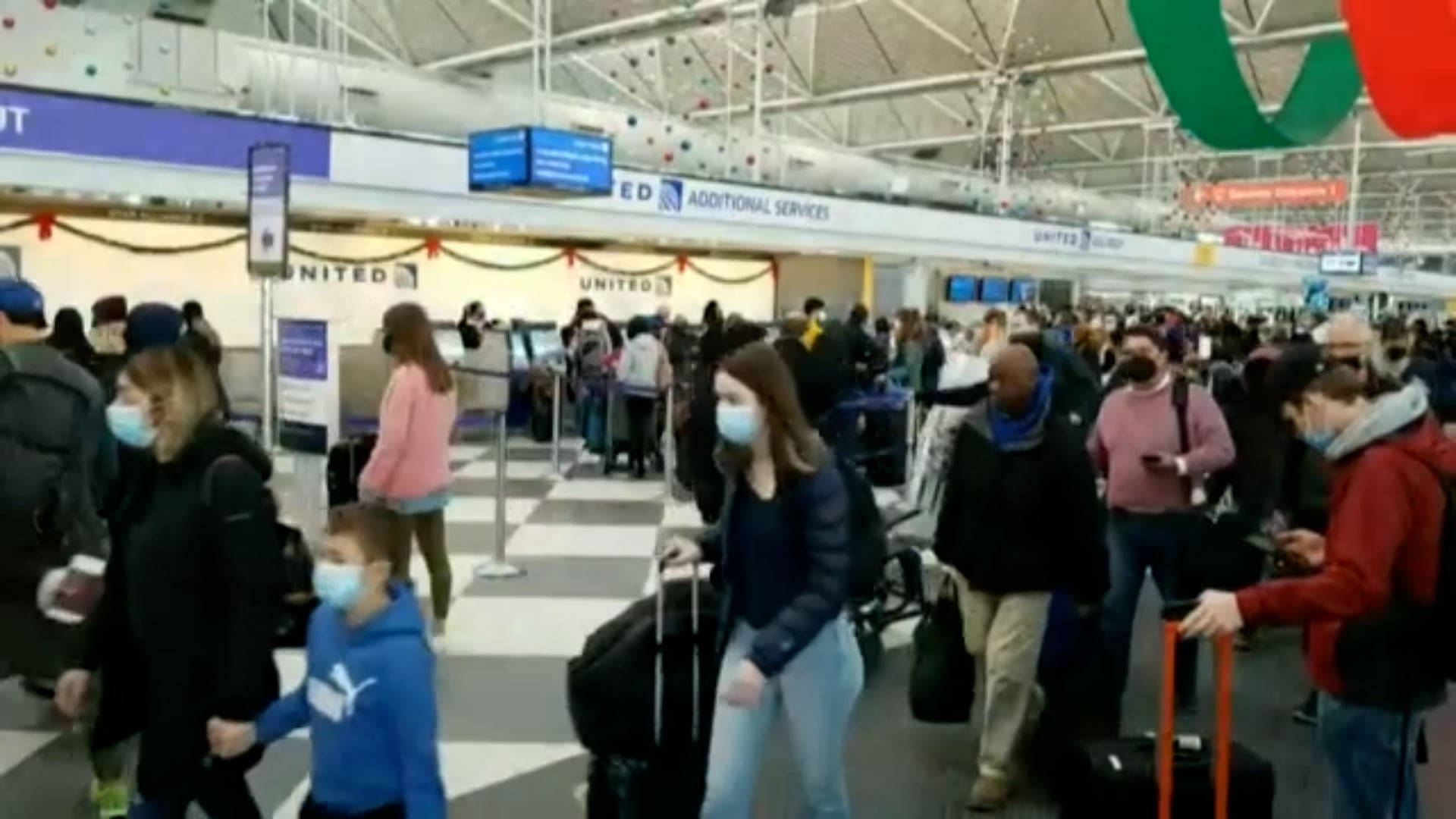
Airlines canceled more than 3,000 flights on Monday over severe weather and crew shortages. The cancellations come on one of the busiest travel days of the holiday season, and is a continuation of the industry-wide disruption that started before Christmas. Thomas Pallini, Aviation Reporter for Insider joined Wake Up with Cheddar to discuss.
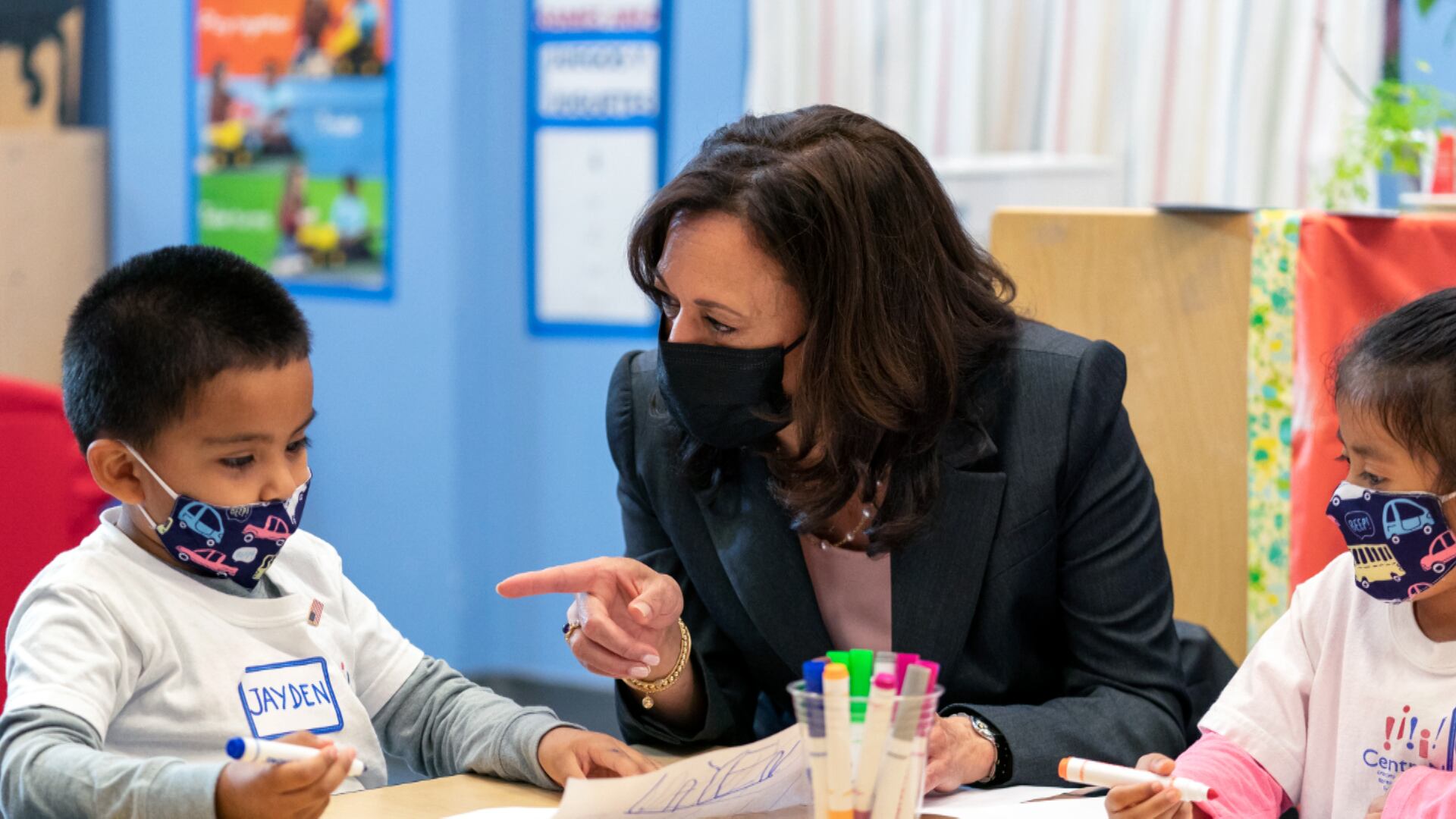
Millions of Americans with young children have relied on the child tax credit since the federal government began issuing checks in July 2021. The last round of payments was sent out just before the Christmas holiday — at the same time as the omicron variant surged. Leah Hamilton, associate professor of social work at Appalachian State University, joined Cheddar to discuss what the end to the tax credit means as the U.S. sees the end of many relief programs and its highest number of COVID cases since the start of the pandemic. "It'll become harder for families to meet their basic needs, increasing national childhood poverty rates and the proportion of families who have difficulty putting food on the table, maintaining stable housing, and paying their bills," Hamilton said. She also pointed to research that the credit as a long-term investment in children offsets claims that it contributes to macroeconomic impacts like inflation.
Several Silicon Valley insiders are being accused of contorting a 1990s-era tax break to avoid taxes on millions of dollars of investment profits. The tax break is known as the qualified small business stock exemption, and it allows early investors in certain companies to avoid half of the taxes on up to $10 million in capital gains. A piece recently published in the New York Times says venture capital firms like Andreessen Horowitz replicated the tax exemption by giving shares of companies to friends and family, who would otherwise face a 23.8% capital gains bill. The CEO of Roblox is also accused of replicating the tax break for his family members at least 12 times. Although the loophole known as 'stacking' is considered to be legal, the Times piece implies that the exemption has been manipulated for the ultra-wealthy to become more wealthy. Greycroft co-founder and Chairman Emeritus Alan Patricof joins Cheddar News' Closing Bell to discuss.
There is a new player in the mobile app stock trading space.
Zingeroo recently announced a funding round of $8.5 million. The company says it aims to bring 'friendly competition' to stock trading, by literally breaking trading down into daily and weekly competitions between friends. Zingeroo also says it hopes its new approach can make trading more accessible, educational, and social than ever before. Zingeroo co-founder and CEO Zoe Barry joins Cheddar News' Closing Bell for more.