Zuckerberg Pushes Back, Defends Sandberg in CNN Sit-Down
*By Carlo Versano*
Facebook CEO Mark Zuckerberg gave a rare [television interview](https://www.cnn.com/2018/11/20/tech/mark-zuckerberg-interview/index.html) on Tuesday night in an attempt to control the deepening scandals enveloping his social-media empire.
Speaking to CNN from Facebook's Menlo Park, Calif. headquarters, Zuckerberg dismissed calls by some shareholders and pundits to step down from his chairman role. Zuckerberg is both chairman and CEO of Facebook ($FB) and controls the majority of voting shares, making him among the most powerful chief executives in America.
When asked if he would step down as chair, Zuckerberg said, "That's not the plan."
The 34-year-old CEO also responded to a damning report in The New York Times from last week, in which both he and deputy Sheryl Sandberg are described as fumbling the response to early reports of Russian interference on the platform ahead of the 2016 U.S. presidential election. The Times also revealed Facebook's relationship with a controversial PR firm, Definers Public Affairs, which attempted to smear anti-Facebook advocates. The social media giant has since cut ties with the firm, and the Facebook executive who hired Definers [reportedly](https://techcrunch.com/2018/11/20/schrage-definers/) took the blame in an internal memo.
Zuckerberg hit back at The Times in his CNN interview, insisting that some of its reporting wasn't accurate.
“A lot of the things that were in that report, we talked to the reporters ahead of time and told them that from everything that we’d seen, that wasn’t true and they chose to print it anyway," Zuckerberg said. The Times said it stands by its reporting.
Zuckerberg also defended his embattled second-in-command, Sheryl Sandberg, whom he reportedly blamed for Facebook's response to its PR crises. "She's been an important partner for me for 10 years," he said. "I hope that we work together for decades more to come."
Wealthfront’s CFO Alan Iberman talks the $2.05B IPO and the major moment for robo banking as the company bets on AI, automation, and “self-driving money."
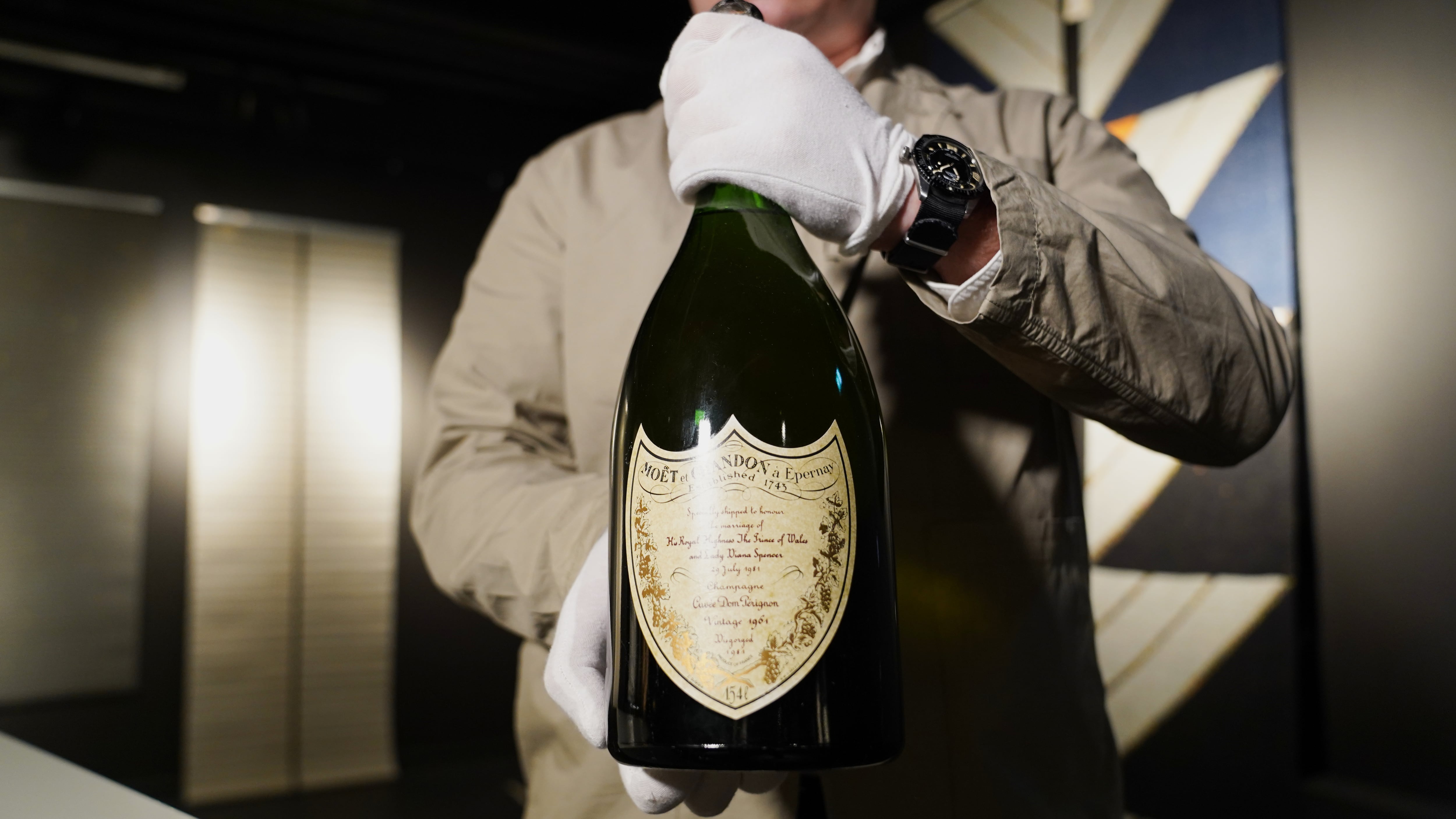
A rare magnum of Dom Pérignon Vintage 1961 champagne that was specially produced for the 1981 wedding of Prince Charles and Lady Diana has failed to sell during an auction. Danish auction house Bruun Rasmussen handled the bidding Thursday. The auction's house website lists the bottle as not sold. It was expected to fetch up to around $93,000. It is one of 12 bottles made to celebrate the royal wedding. Little was revealed about the seller. The auction house says the bids did not receive the desired minimum price.
The New York Times and President Donald Trump are fighting again. The news outlet said Wednesday it won't be deterred by Trump's “false and inflammatory language” from writing about the 79-year-old president's health. The Times has done a handful of stories on that topic recently, including an opinion column that said Trump is “starting to give President Joe Biden vibes.” In a Truth Social post, Trump said it might be treasonous for outlets like the Times to do “FAKE” reports about his health and "we should do something about it.” The Republican president already has a pending lawsuit against the newspaper for its past reports on his finances.
OpenAI has appointed Slack CEO Denise Dresser as its first chief of revenue. Dresser will oversee global revenue strategy and help businesses integrate AI into daily operations. OpenAI CEO Sam Altman recently emphasized improving ChatGPT, which now has over 800 million weekly users. Despite its success, OpenAI faces competition from companies like Google and concerns about profitability. The company earns money from premium ChatGPT subscriptions but hasn't ventured into advertising. Altman had recently announced delays in developing new products like AI agents and a personal assistant.
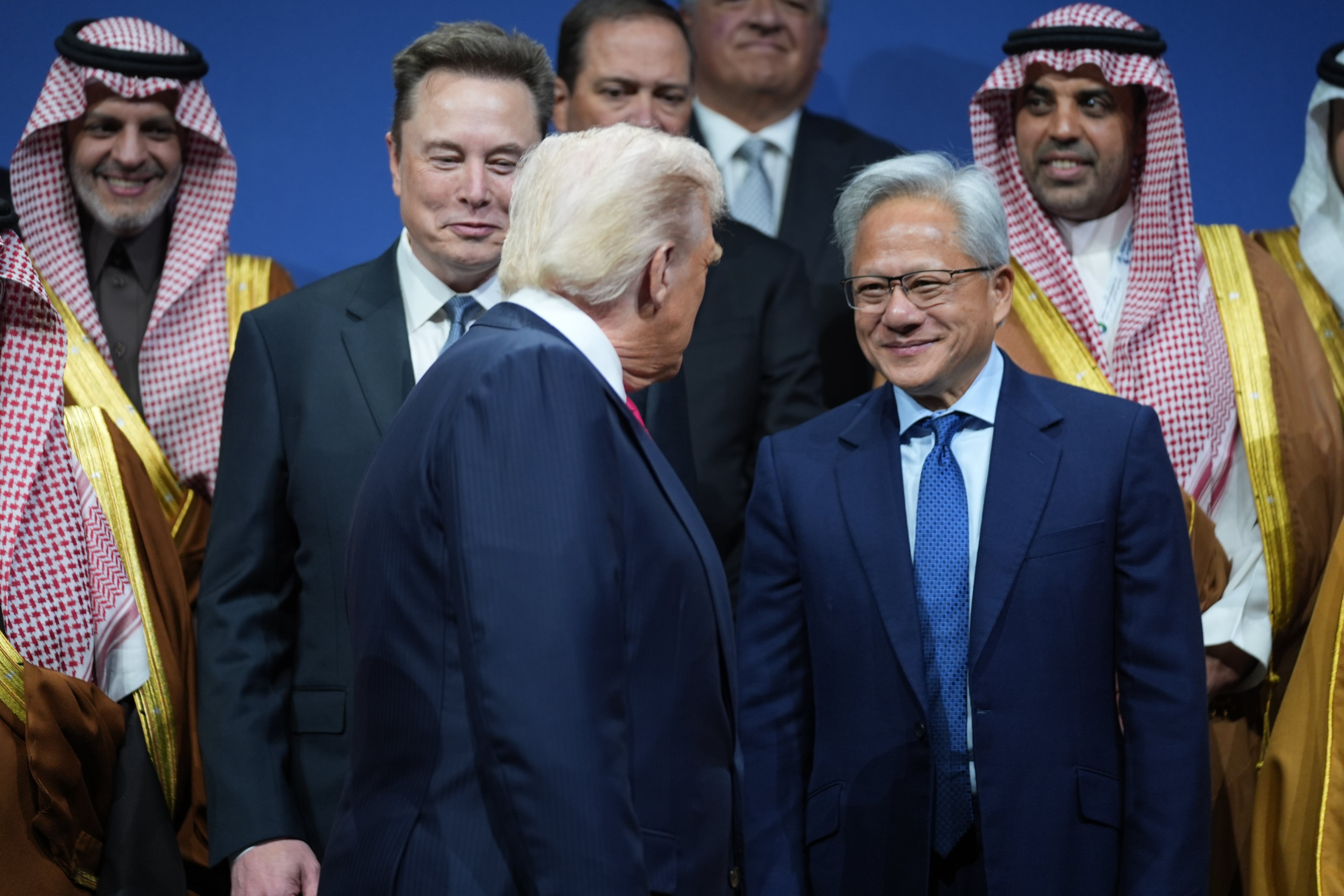
President Donald Trump says he will allow Nvidia to sell its H200 computer chip used in the development of artificial intelligence to “approved customers” in China. Trump said Monday on his social media site that he had informed China’s leader Xi Jinping and “President Xi responded positively!” There had been concerns about allowing advanced computer chips into China as it could help them to compete against the U.S. in building out AI capabilities. But there has also been a desire to develop the AI ecosystem with American companies such as chipmaker Nvidia.