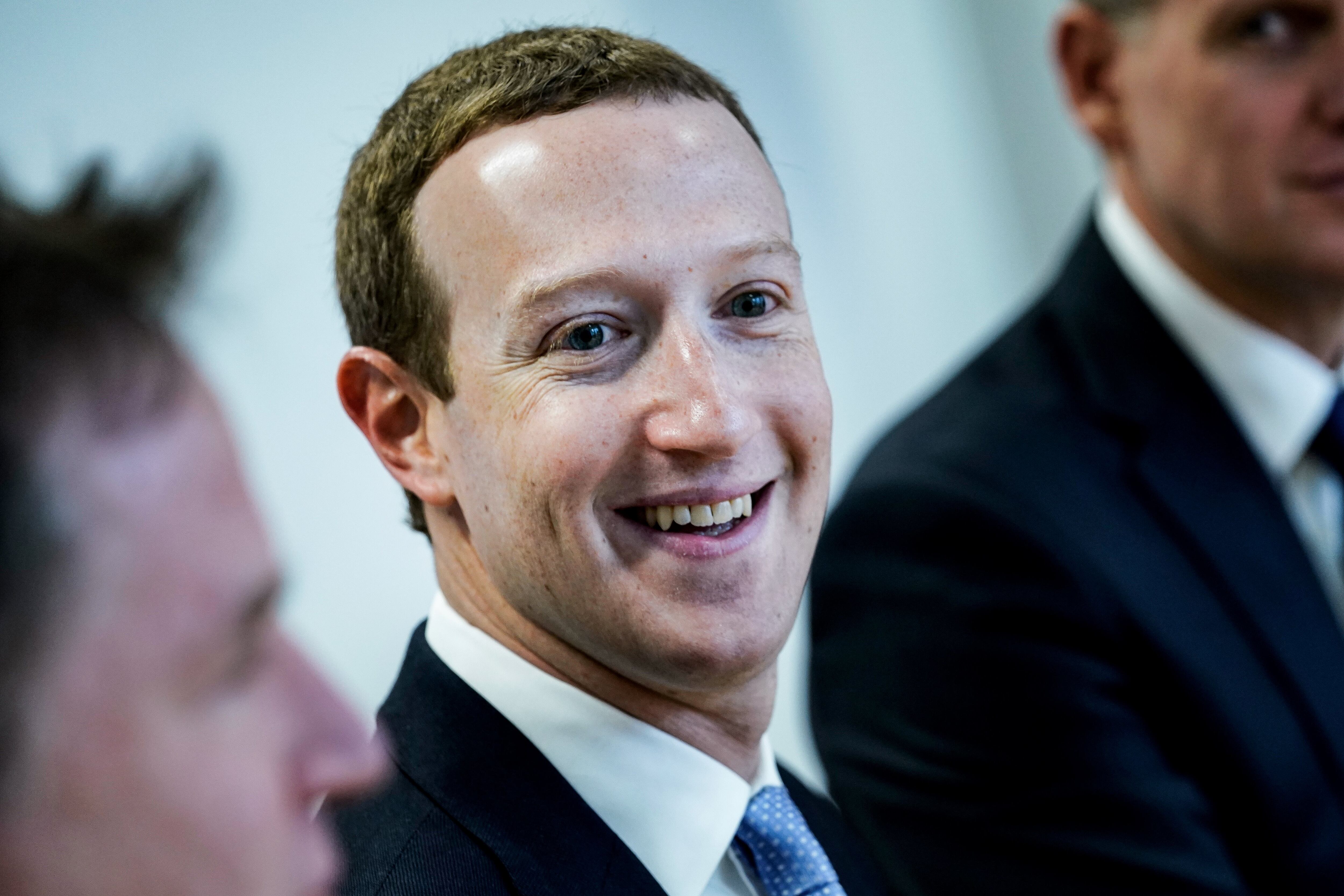
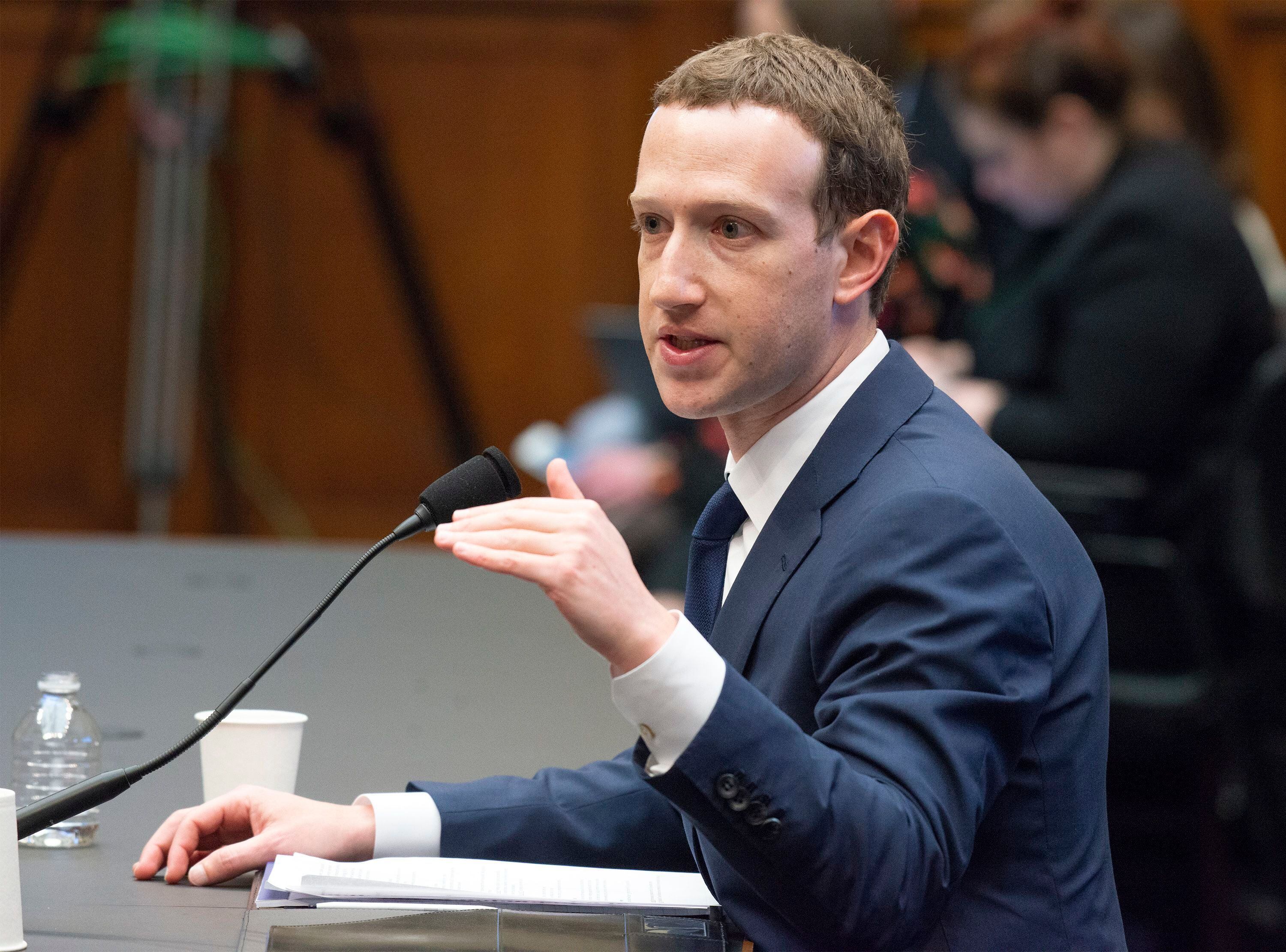
Mark Zuckerberg and his wife Priscilla Chan have donated $25 million through their foundation to a philanthropic effort organized by Bill Gates to explore new coronavirus treatments.
The Gates Foundation donated $50 million last week to what it’s calling the “COVID-19 Therapeutics Accelerator.” The initiative brings together life sciences companies to collaborate on the development of new vaccines, diagnostics, and treatments for COVID-19.
“The Therapeutics Accelerator will enable researchers to quickly determine whether or not existing drugs have a potential benefit against COVID-19,” Chan and Zuckerberg said in a press release. “We hope these coordinated efforts will help stop the spread of COVID-19 as well as provide shared, reusable strategies to respond to future pandemics.”
The two donations are the largest from tech billionaires since the coronavirus outbreak. Wellcome and Mastercard are supporting the effort as well.
The goal of the initiative is to either develop a new drug or adapt an existing treatment that it could help distribute alongside partnering pharmaceutical companies.
The 15 companies participating in the project kicked off the effort by sharing their proprietary libraries of molecular compounds that have some history of being tested with COVID-19.
The lineup includes big names in biotech such as Johnson & Johnson, Merck, Pfizer, Sanofi, and Bristol-Myers Squibb.
A data breach on MyHeritage impacted more than 90 million users. David Nicholson, Co-Founder and Managing Director of Living DNA breaks down what precautions companies take in order to protect your information.
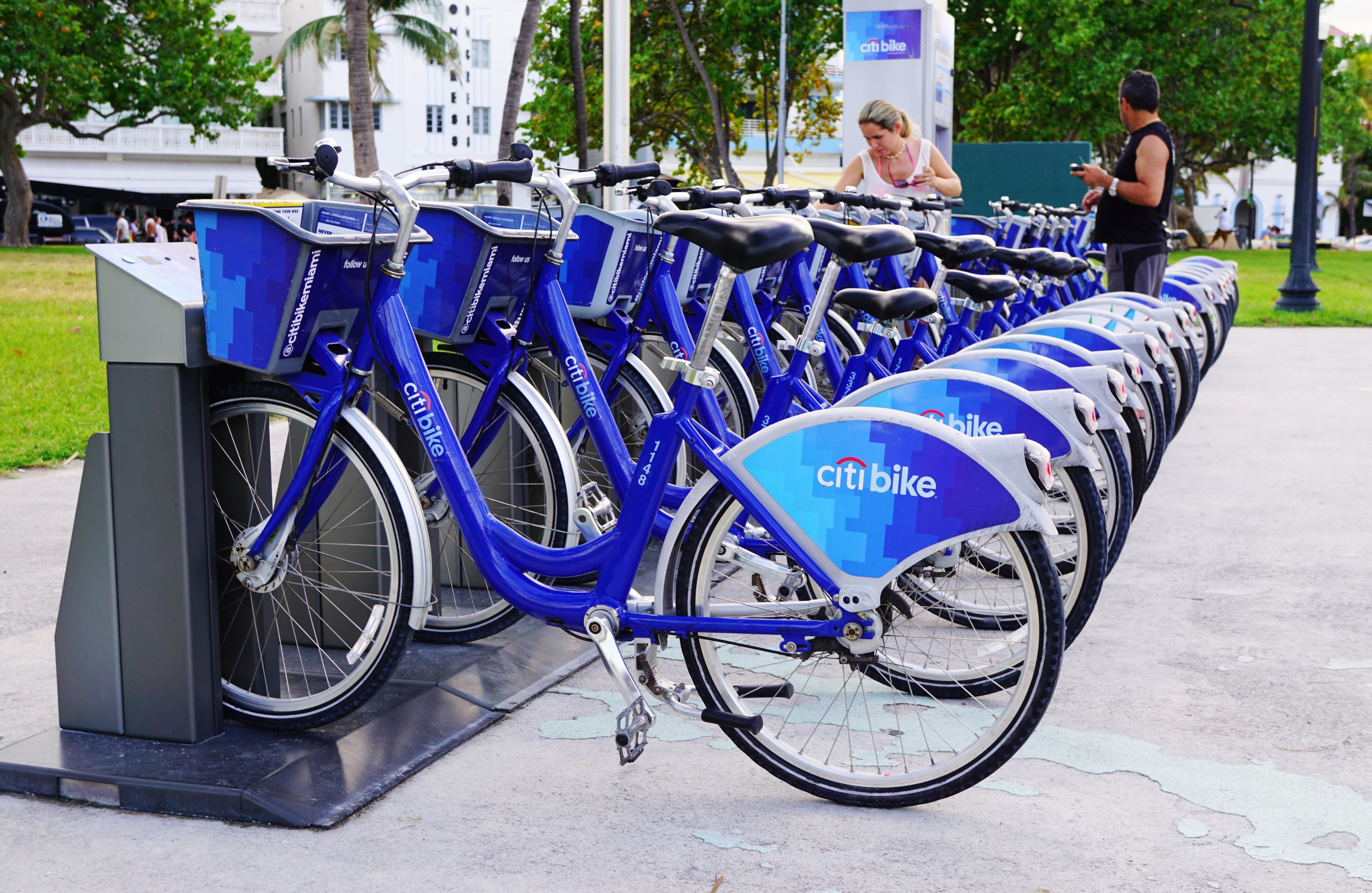
David McCabe, Tech Reporter at Axios, discusses the battle between Uber and Lyft bidding for bikesharing company Motivate, which owns Citi Bike and Ford GoBike.
Daniel Ives, Chief Strategy Officer and Head of Technology Research at GBH Insights, discusses the biggest tech headlines of the week, from Apple's developers' conference to the U.S.'s deal with China's ZTE.
CEO James Quarles says the company wants people to put down their phones and be more active. But Strava has come under fire earlier this year after a report found the tracking data could give clues to the locations of sensitive areas like military bases.
The comedian Julian McCullough talks about how jokes about President Trump aren't as funny to audiences as they once were. McCullough says liberals and conservatives have tired of the material and "no one wants to hear it."
DNA testing service MyHeritage reported a data breach that gave hackers access to email addresses and passwords of over 92 million users. While genetic information wasn't exposed, Rob Verger, Assistant Tech Editor at Popular Science, says the incident serves as a reminder that "almost anything is hackable."
Rob Marvin, associate editor at PCMag.com, discusses Facebook's latest data controversy that may have compromised posts of 14 million users who thought they were posting privately to family and friends. We talk about what this means for the future of the company as it recovers from its last data scandal.
PlayVS is the first esports league for high school students. The company announced $15 million in funding that will go towards preparing for its upcoming inaugural season.
Even though Disney and 21st Century Fox reached an agreement for a sale of many of Fox's assets, Rupert Murdoch is looking elsewhere. Rich Greenfield, media and tech analyst for BTIG, says Murdoch is open to other offers, including one from Comcast. Fox shareholders are set to vote on the $52.4 billion merger next month.
Billionaire investor Warren Buffett and JPMorgan Chase CEO Jamie Dimon want to change the way companies report earnings. They say the common practice of issuing guidance in a quarterly earnings report forces companies to focus on short-term goals rather than long-term ones.
Honolulu leaders approved a measure on Wednesday that would limit how much ride-sharing companies such as Uber and Lyft can charge customers during peak times. Uber pushed back, saying it would impose "outdated taxi-style requirements" on the industry. Honolulu lawyers will review the measure before it goes to the mayor, who then has 10 days to decide what to do.
Facebook admitted this week it shared user data with Chinese phone maker Huawei, which has been flagged as a national security threat. This slow drip of Facebook's data practices will be a difficult PR crisis for the company to overcome, says Former White House Chief Informatoion Officer Theresa Payton.