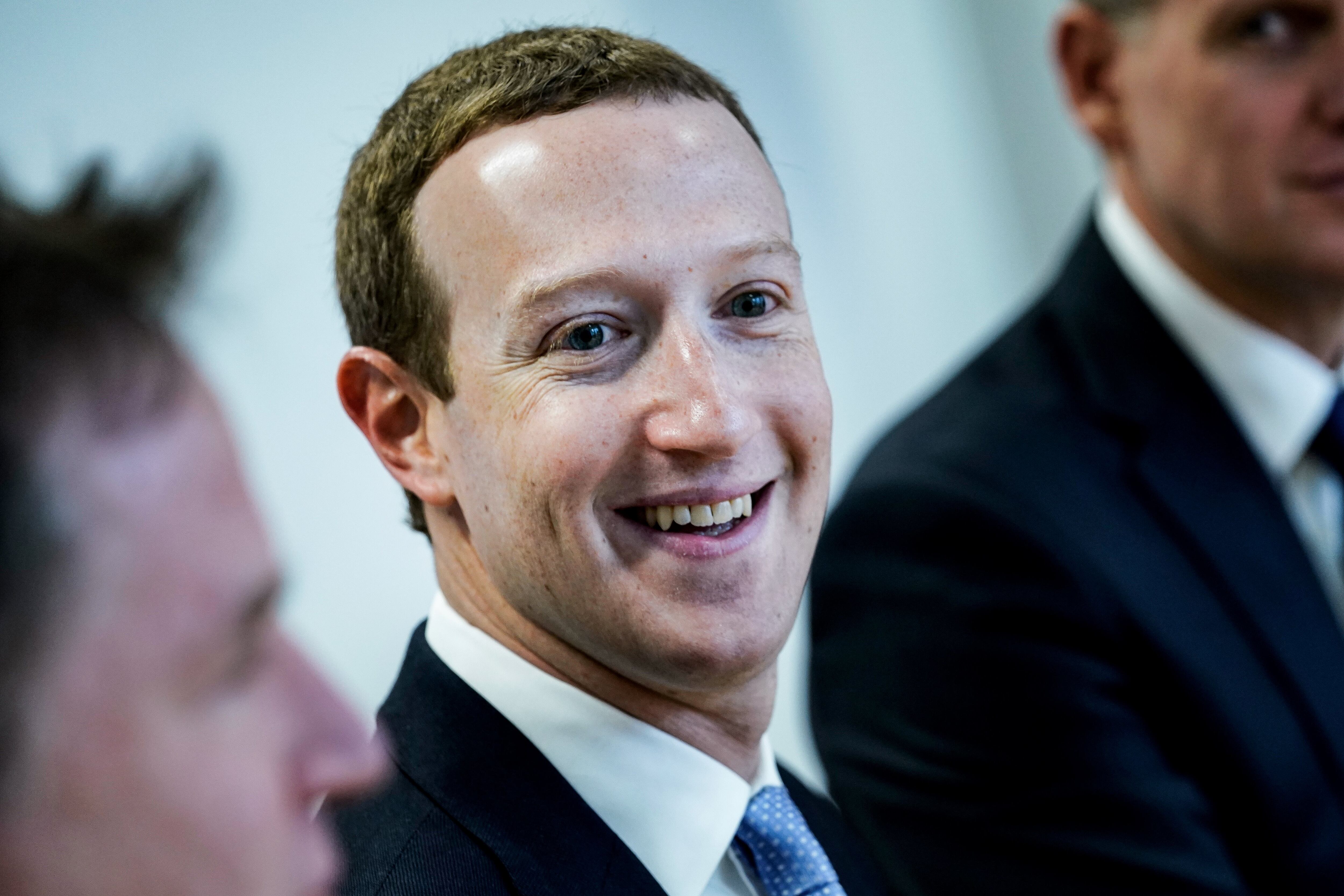
Mark Zuckerberg and his wife Priscilla Chan have donated $25 million through their foundation to a philanthropic effort organized by Bill Gates to explore new coronavirus treatments.
The Gates Foundation donated $50 million last week to what it’s calling the “COVID-19 Therapeutics Accelerator.” The initiative brings together life sciences companies to collaborate on the development of new vaccines, diagnostics, and treatments for COVID-19.
“The Therapeutics Accelerator will enable researchers to quickly determine whether or not existing drugs have a potential benefit against COVID-19,” Chan and Zuckerberg said in a press release. “We hope these coordinated efforts will help stop the spread of COVID-19 as well as provide shared, reusable strategies to respond to future pandemics.”
The two donations are the largest from tech billionaires since the coronavirus outbreak. Wellcome and Mastercard are supporting the effort as well.
The goal of the initiative is to either develop a new drug or adapt an existing treatment that it could help distribute alongside partnering pharmaceutical companies.
The 15 companies participating in the project kicked off the effort by sharing their proprietary libraries of molecular compounds that have some history of being tested with COVID-19.
The lineup includes big names in biotech such as Johnson & Johnson, Merck, Pfizer, Sanofi, and Bristol-Myers Squibb.
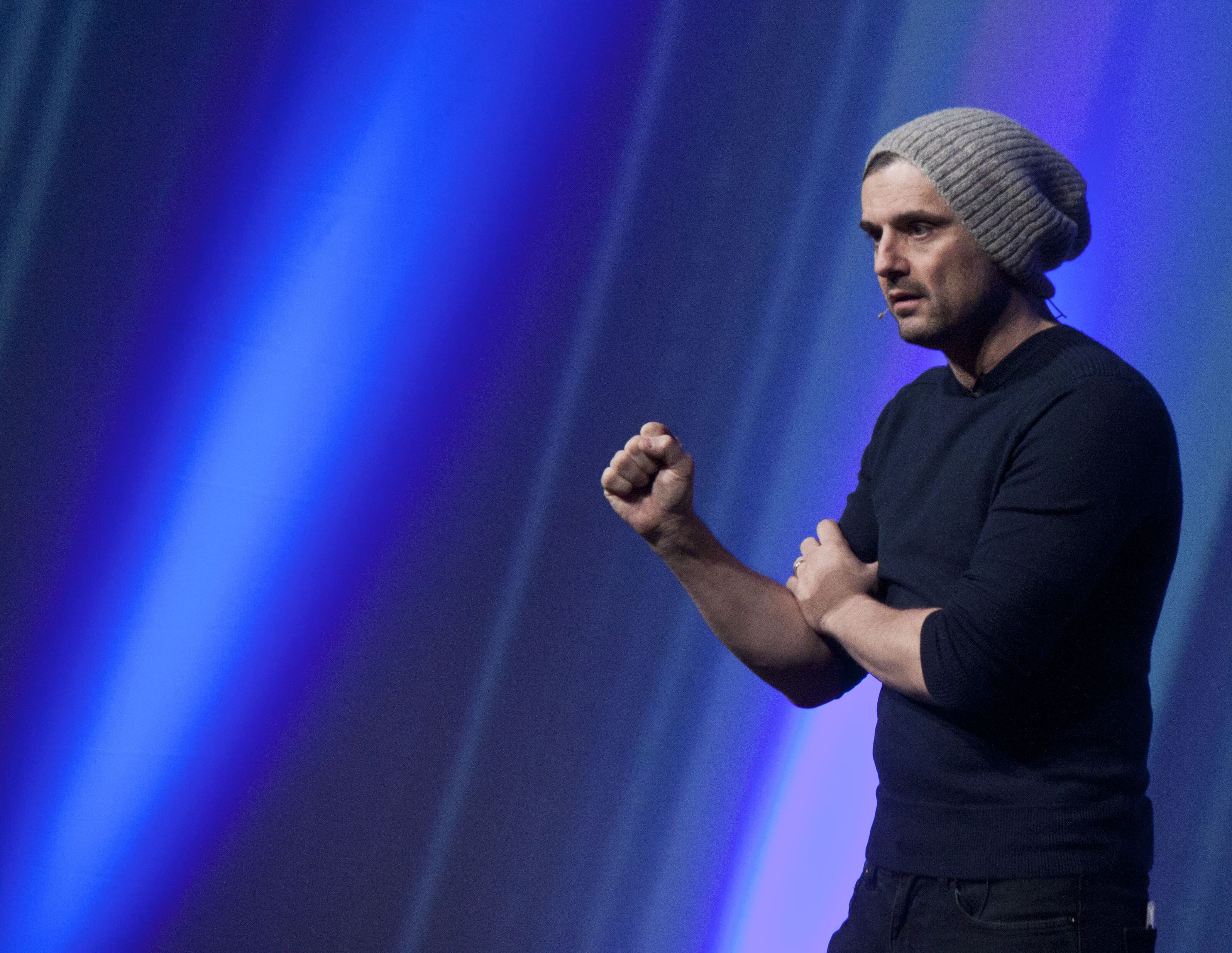
Gary Vaynerchuk, CEO of VaynerMedia, joins Cheddar CEO Jon Steinberg from the Cannes Lions International Festival of Creativity to discuss the future of voice technologies like Amazon's Alexa and the Google Home. He says development for the platform is just getting started.
Video games and esports, which are front and center at the Cannes Lions International Festival of Creativity this week, have caught the attention of the entrepreneur and CEO of VaynerMedia. "I have been lurking in the grass, as they say," he told Cheddar's Jon Steinberg.
Google is investing $550 million in Chinese e-commerce giant JD.com. Now, JD.com products will be featured on Google's shopping service. JD.com is China's second largest e-commerce company, just behind Alibaba.
Audi CEO Rupert Stadler was arrested on Monday in Germany. Authorities detained him for fear that he would interfere with the ongoing investigation into Volkswagen over its emissions testing scandal. Volkswagen is the parent company of Audi.
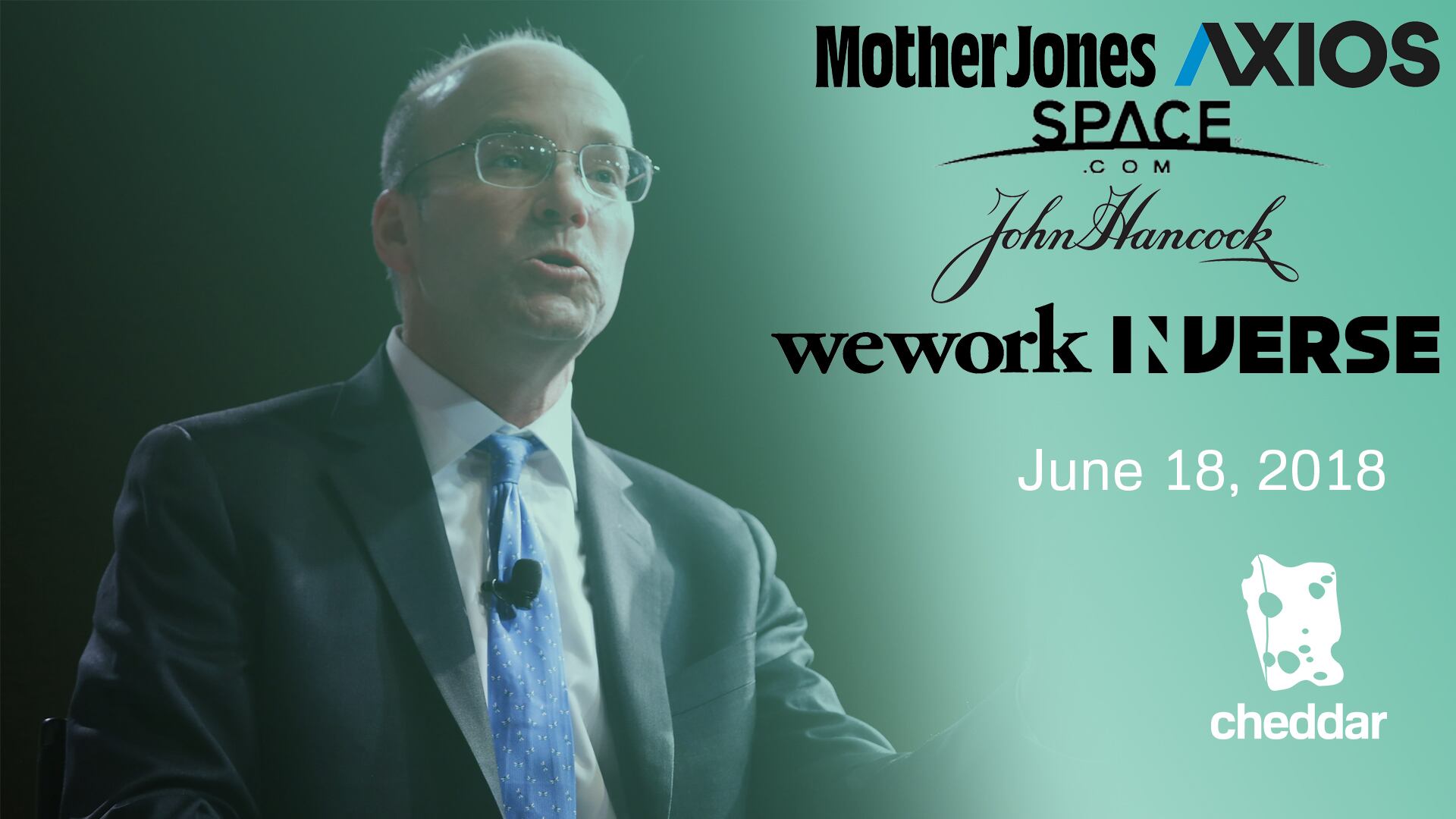
Pressure is mounting on President Trump to end the zero-tolerance immigration policy that's separating children and parents at the border. Mike Allen, executive editor at Axios, weighs in on the controversy.
The game plays "so smoothly" on Nintendo's Switch console, says the eSports commentator and Twitch broadcaster. The Japanese gaming giant made the uber-popular game available on its latest device at E3 this week.
Blockparty wants to stop bots from nabbing all the good seats at your favorite concert and prevent ticket fraud by using blockchain technology to sell tickets, says Shiv Madan, CEO of the ticket-selling start-up.
The technology company has reportedly been developing check-out technology that, much like the Amazon Go store, tracks what shoppers add to their cart and bills them automatically. Microsoft's decision to develop this technology is driven by its ambition to boost its cloud business, says Jeffrey Dastin, the Reuters technology correspondent who first reported the story.
Salesforce has saved a seat at its executive meetings for Einstein, an artificial intelligence-powered robot developed by the cloud computing company.
The cable giant offered $65 billion for the assets of 21st Century Fox and even said it would reimburse more than $1.5 billion of the breakup fee Disney would have to pay if its bid fell through. Daniel Ives of GBH Insights expects Disney to come in with another offer and that a deal will ultimately get done at a price tag even higher than what's currently on the table.
Some child psychologists see young patients struggle with the effects of playing the video game too much. Fortnite's popularity with children lies in its short format and ease of access, says Sara Miller, health editor at Live Science.
Big-time media mergers have renewed a policy debate in Washington over concentrating too much corporate control in a few powerful hands, said Axios tech reporter David McCabe.