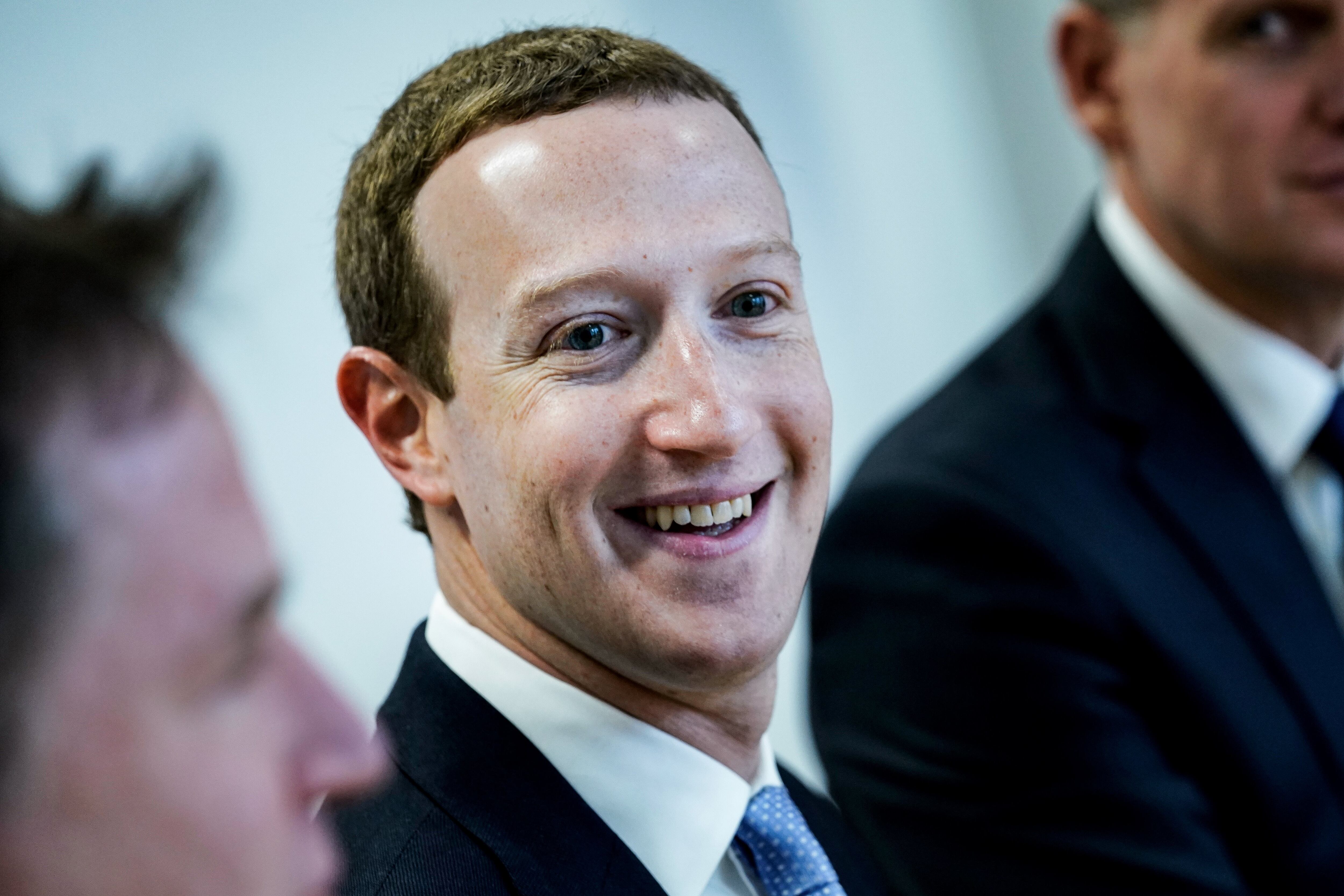
Mark Zuckerberg and his wife Priscilla Chan have donated $25 million through their foundation to a philanthropic effort organized by Bill Gates to explore new coronavirus treatments.
The Gates Foundation donated $50 million last week to what it’s calling the “COVID-19 Therapeutics Accelerator.” The initiative brings together life sciences companies to collaborate on the development of new vaccines, diagnostics, and treatments for COVID-19.
“The Therapeutics Accelerator will enable researchers to quickly determine whether or not existing drugs have a potential benefit against COVID-19,” Chan and Zuckerberg said in a press release. “We hope these coordinated efforts will help stop the spread of COVID-19 as well as provide shared, reusable strategies to respond to future pandemics.”
The two donations are the largest from tech billionaires since the coronavirus outbreak. Wellcome and Mastercard are supporting the effort as well.
The goal of the initiative is to either develop a new drug or adapt an existing treatment that it could help distribute alongside partnering pharmaceutical companies.
The 15 companies participating in the project kicked off the effort by sharing their proprietary libraries of molecular compounds that have some history of being tested with COVID-19.
The lineup includes big names in biotech such as Johnson & Johnson, Merck, Pfizer, Sanofi, and Bristol-Myers Squibb.
Paul Boyer, a.k.a. sOAZ, the former starting top laner for Team FNATIC, was sidelined with a hand injury during the Spring Split season of the esport League of Legends. But now he's back in action and ready for the Summer Split.
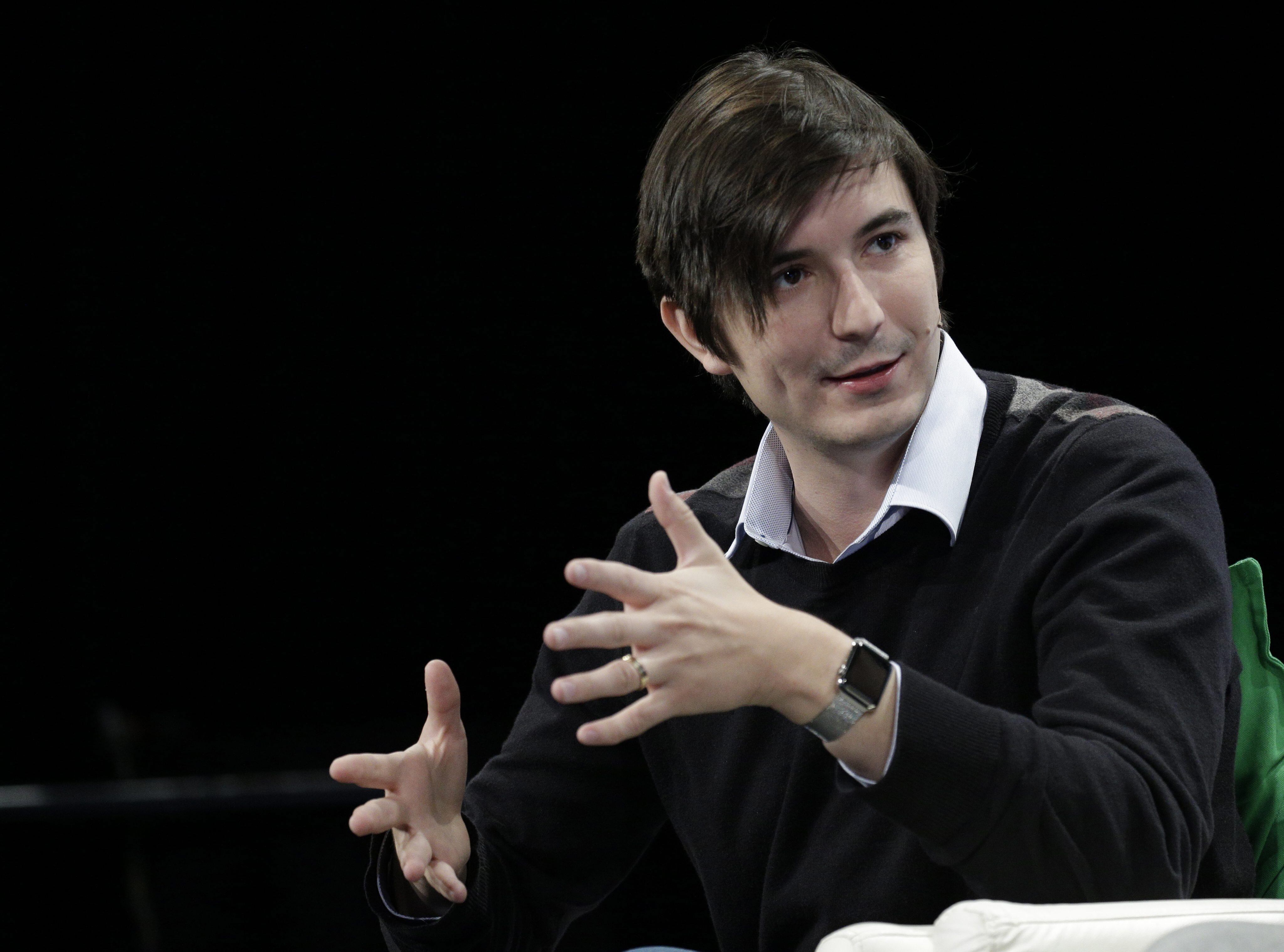
Cryptocurrency is drawing even more interest from retail investors on the Robinhood stock trading app than Snap did in its IPO. The digital coins' popularity is helping users move onto more institutional product offerings, says Robinhood's co-CEO Vlad Tenev.
Tesla's lawsuit against ex-employee Martin Tripp comes at a time when the company is under pressure to meet its production targets for the Model 3. Missing internal goals again "would be awful," says Brian Deagon, senior reporter at Investor's Business Daily.
In this week's episode of The Crypto Craze, Cheddar's Nora Ali and Brad Smith discuss the biggest stories from the crypto world. Payments company Square secured a BitLicense from New York, which will allow New York residents to trade bitcoin through the Cash App.
Vlad Tenev, CEO of stock trading app Robinhood, sits down with Cheddar reporter Tanaya Macheel. He talks about the future plans for the company which currently has around 4 million active users.
Michael Corbat says it makes sense for countries to establish cryptocurrencies for their individual nations.
Michael Corbat, CEO of Citigroup, says that understanding finance and the language that comes with it is key to helping people not be intimidated by money issues.
IBM and Fox Sports have teamed up to bring fans an easy way to create their own highlight reels, drawing footage from archives and current matches. "It is a huge opportunity to tap into that fan passion," says Robert Schwartz, Global Leader of Strategy and Design at IBM iX, the company's digital ad agency.
Brian Krzanich, the CEO of Intel, is resigning after an internal investigation found his relationship with another Intel employee violated the company's code of conduct. Bob Swan will step in as interim CEO while the company looks for a permanent CEO.
AT&T is launching a new streaming service aimed at winning back cord cutters. WatchTV is a skinny bundle which features around 30 basic channels. It will be free for new AT&T wireless subscribers, and will cost $14.99 per month as a standalne product.
Cheddar's Brad Smith sits down with Tristan 'Mack' Wilds and Chaley Rose, stars of the new movie 'Dinner for Two,' at the American Black Film Festival. The actors discuss what it was like filming a movie in just two weeks.
Automation can help humans focus on what we're best at -- creative storytelling and innovation. That's according to Wade Foster, the CEO of Zapier, a company that creates apps to automate routine workplace tasks.
The Facebook-owned company launched its new long-form video content platform on Wednesday, a bid to take on YouTube and Snapchat and introduce a kind of viral element that made the now-defunct Vine so popular.