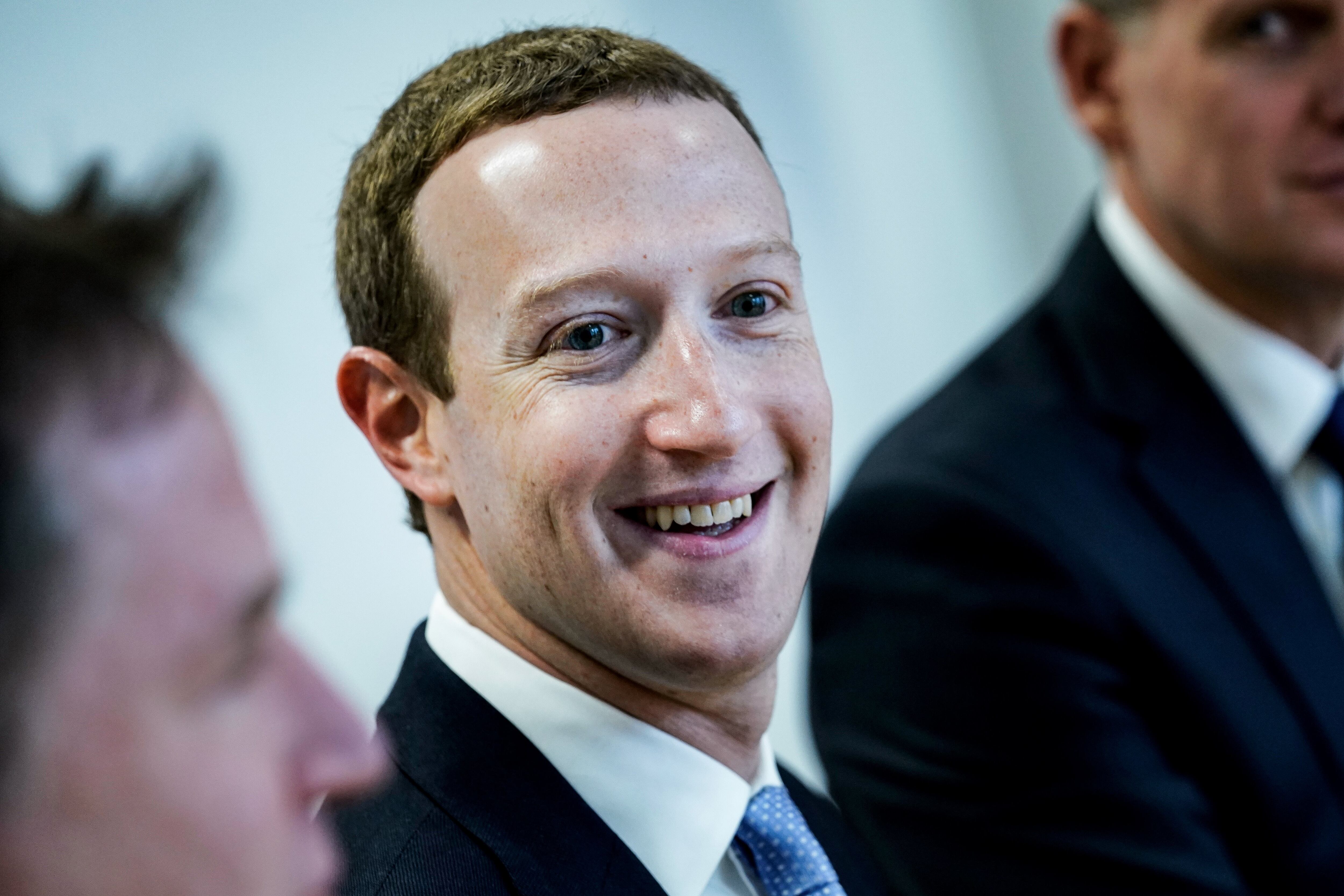
Mark Zuckerberg and his wife Priscilla Chan have donated $25 million through their foundation to a philanthropic effort organized by Bill Gates to explore new coronavirus treatments.
The Gates Foundation donated $50 million last week to what it’s calling the “COVID-19 Therapeutics Accelerator.” The initiative brings together life sciences companies to collaborate on the development of new vaccines, diagnostics, and treatments for COVID-19.
“The Therapeutics Accelerator will enable researchers to quickly determine whether or not existing drugs have a potential benefit against COVID-19,” Chan and Zuckerberg said in a press release. “We hope these coordinated efforts will help stop the spread of COVID-19 as well as provide shared, reusable strategies to respond to future pandemics.”
The two donations are the largest from tech billionaires since the coronavirus outbreak. Wellcome and Mastercard are supporting the effort as well.
The goal of the initiative is to either develop a new drug or adapt an existing treatment that it could help distribute alongside partnering pharmaceutical companies.
The 15 companies participating in the project kicked off the effort by sharing their proprietary libraries of molecular compounds that have some history of being tested with COVID-19.
The lineup includes big names in biotech such as Johnson & Johnson, Merck, Pfizer, Sanofi, and Bristol-Myers Squibb.
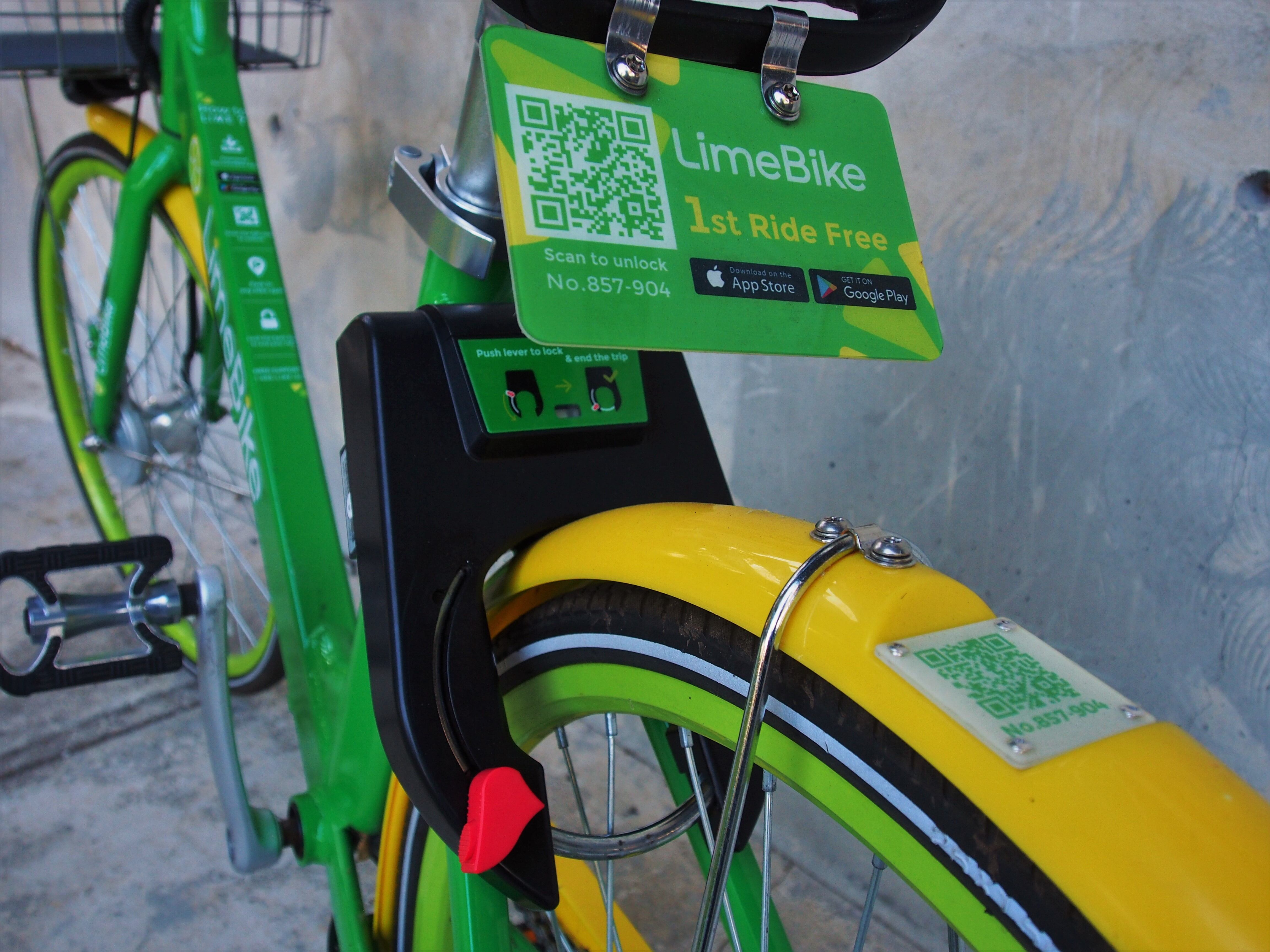
The dockless bike sharing company is partnering with the department of transportation to launch a pilot program in a city that is plagued with bike theft. But Lime's focus on hiring locally and working with communities will help it survive Manhattan, says Caen Contee, vice president of marketing, business development, and expansion.
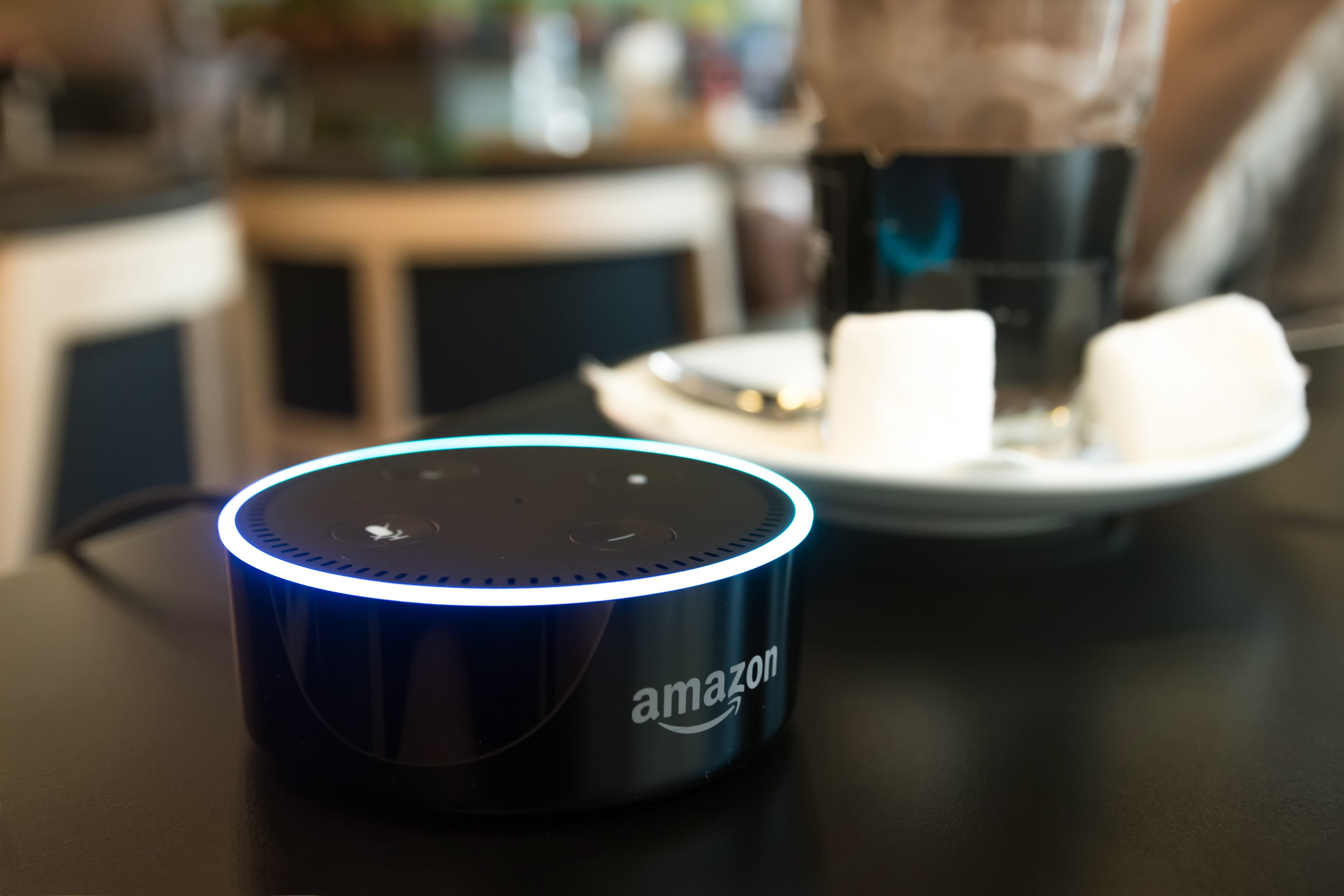
The landscape for IPOs this year has evolved and "it seems like the investors right now are clamoring for anything tech-ish,” says Maureen Farrell, reporter at the Wall Street Journal. The smart speaker company filed for a $100 million IPO on the NASDAQ.
Business, tech and finance headlines exclusively for Hulu subscribers from Cheddar. Today's highlights include Amazon, bitcoin prices and net neutrality.
The U.S. tariffs on Chinese products that kicked in on Friday are specifically targeted at high-tech goods, an attempt to crack down on alleged intellectual property theft. But they could end up raising the cost of products like e-cigarettes, e-bikes, and smart home devices that are overwhelmingly used by millennials, says Axios reporter Erica Pandey.
Qualcomm shares are rising after reports that Apple is dropping chipmaker Intel. By 2020, Apple will stop using Intel's 5G modems in its new iPhones. This comes as Qualcomm is looking to dominate the 5G market.
The smart home speaker company filed for its public offering on Friday. Sonos is looking to list on the NASDAQ under the ticker symbol "SONO." Cheddar's Kristen Scholer and Nora Ali give us the latest.
The retail giant's fourth annual Prime Day begins July 16 and will last 36 hours, making it the longest one to date. But the company may have an ulterior motive for the low prices, says Matt Swider, senior mobile and buying guides editor at Tech Radar. "They're trying to install their products...into your home so they have you for life. It's a really ingenious, supervillian-type idea by Jeff Bezos," he tells Cheddar.
With Instagram offering more ways to shop, experts are comparing the experience to a mall. "You're browsing when you're on Instagram," says Richard Greenfield, media & tech analyst at BTIG. "It's a very different mode than the mode you're in when you're on Amazon."
The cryptocurrency was on the rise Thursday, but experts are skeptical about how long it will last. "We're not going to blast past 10k," said Jonny Dubowsky, cyberneticist and chief technical officer at My Personal Therapeutics.
The company behind XRP, the third highest cryptocurrency by market cap, wants the digital asset to become more than just an investment for consumers and that's been difficult partly because of the confusion around the technology. But Ripple's Chief Market Strategist Cory Johnson says consumers don't need to understand the technology to use it. "Do you actually know what happens when you send a text message and throw some emojis onto it?"