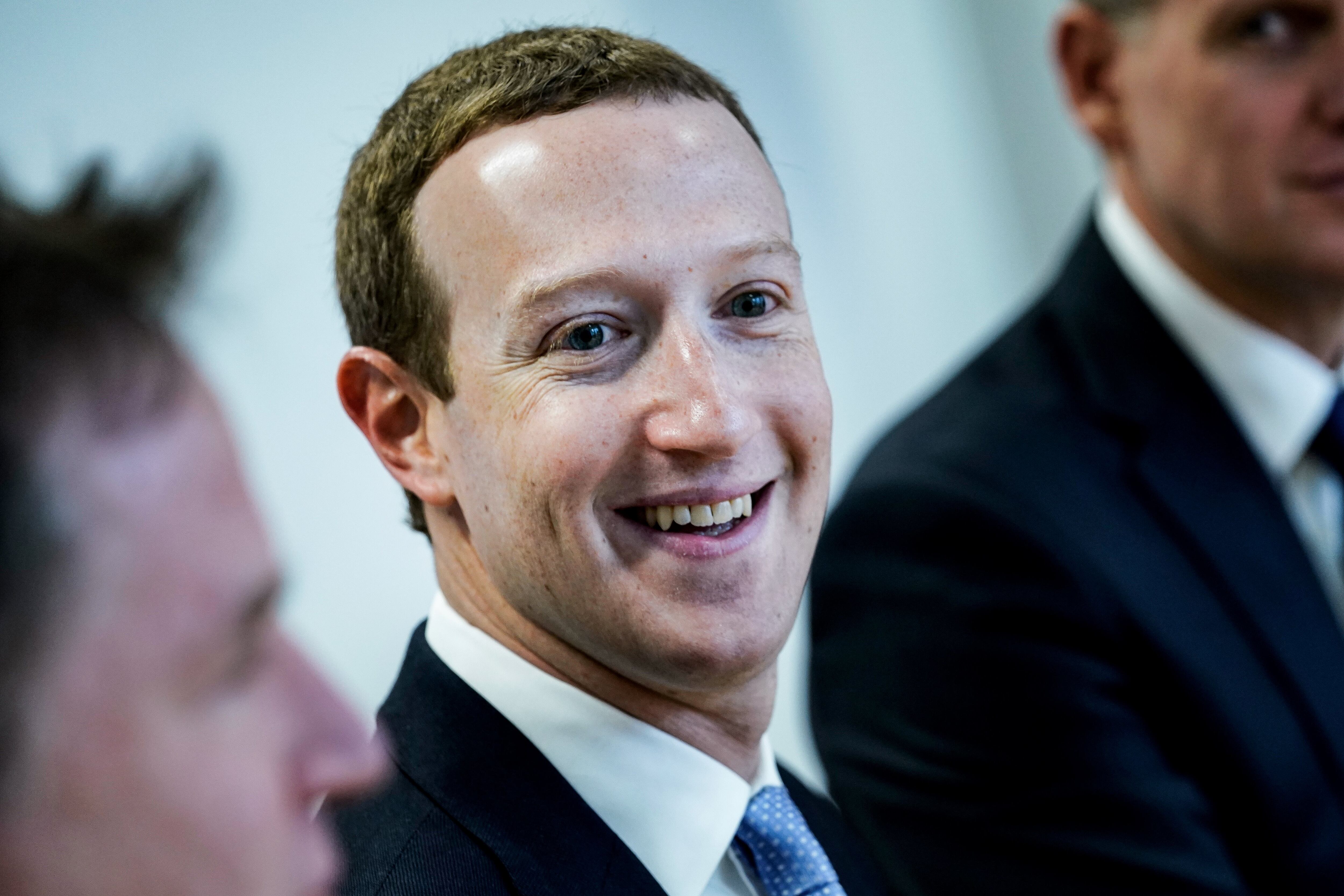
Mark Zuckerberg and his wife Priscilla Chan have donated $25 million through their foundation to a philanthropic effort organized by Bill Gates to explore new coronavirus treatments.
The Gates Foundation donated $50 million last week to what it’s calling the “COVID-19 Therapeutics Accelerator.” The initiative brings together life sciences companies to collaborate on the development of new vaccines, diagnostics, and treatments for COVID-19.
“The Therapeutics Accelerator will enable researchers to quickly determine whether or not existing drugs have a potential benefit against COVID-19,” Chan and Zuckerberg said in a press release. “We hope these coordinated efforts will help stop the spread of COVID-19 as well as provide shared, reusable strategies to respond to future pandemics.”
The two donations are the largest from tech billionaires since the coronavirus outbreak. Wellcome and Mastercard are supporting the effort as well.
The goal of the initiative is to either develop a new drug or adapt an existing treatment that it could help distribute alongside partnering pharmaceutical companies.
The 15 companies participating in the project kicked off the effort by sharing their proprietary libraries of molecular compounds that have some history of being tested with COVID-19.
The lineup includes big names in biotech such as Johnson & Johnson, Merck, Pfizer, Sanofi, and Bristol-Myers Squibb.
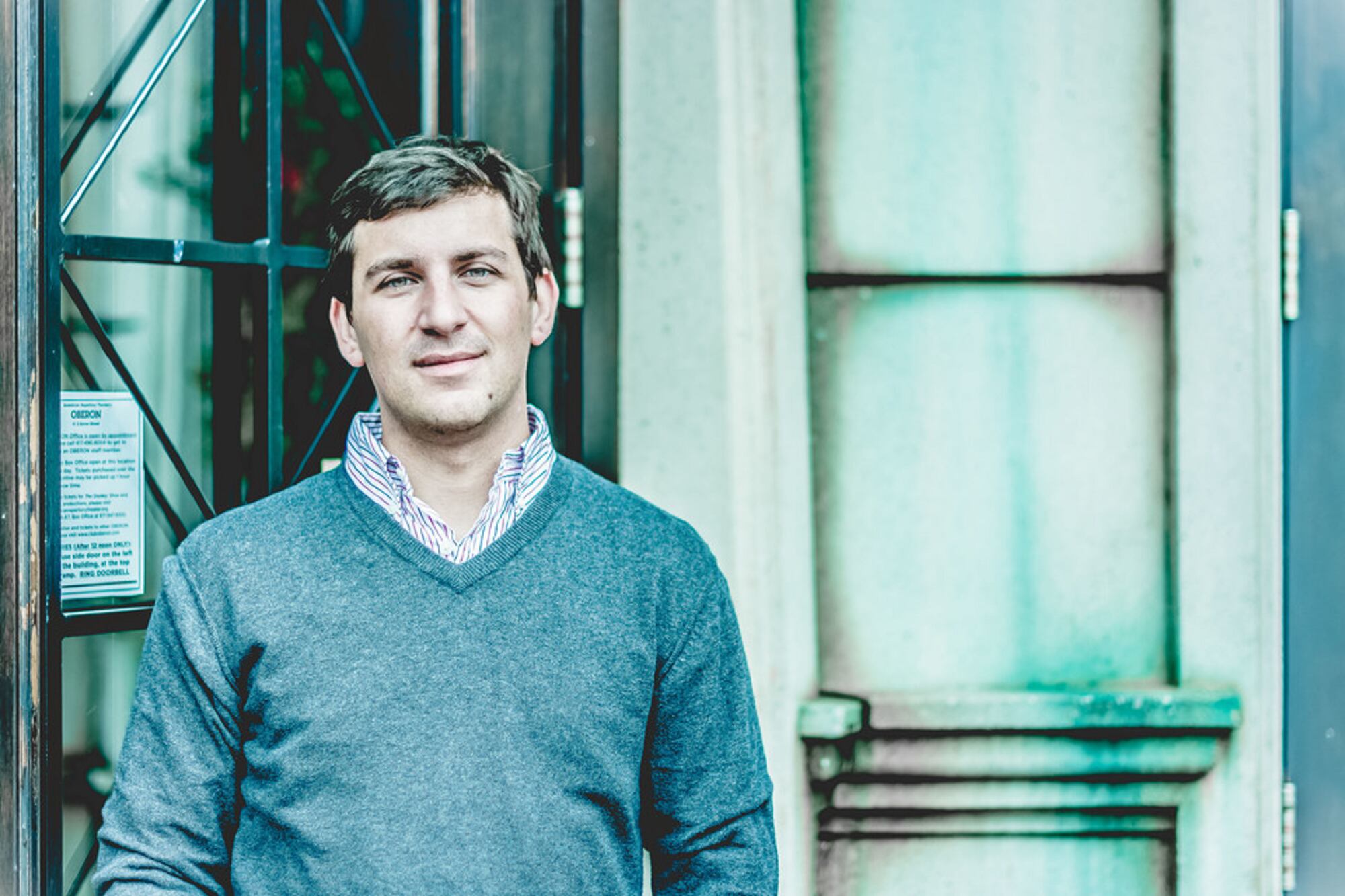
The streaming service will use the fresh capital for "a bigger marketing push," says CEO Andrew McCollum. The company also launched on Apple TV and Amazon Fire TV on Tuesday in an attempt to bring the service in front of more users.
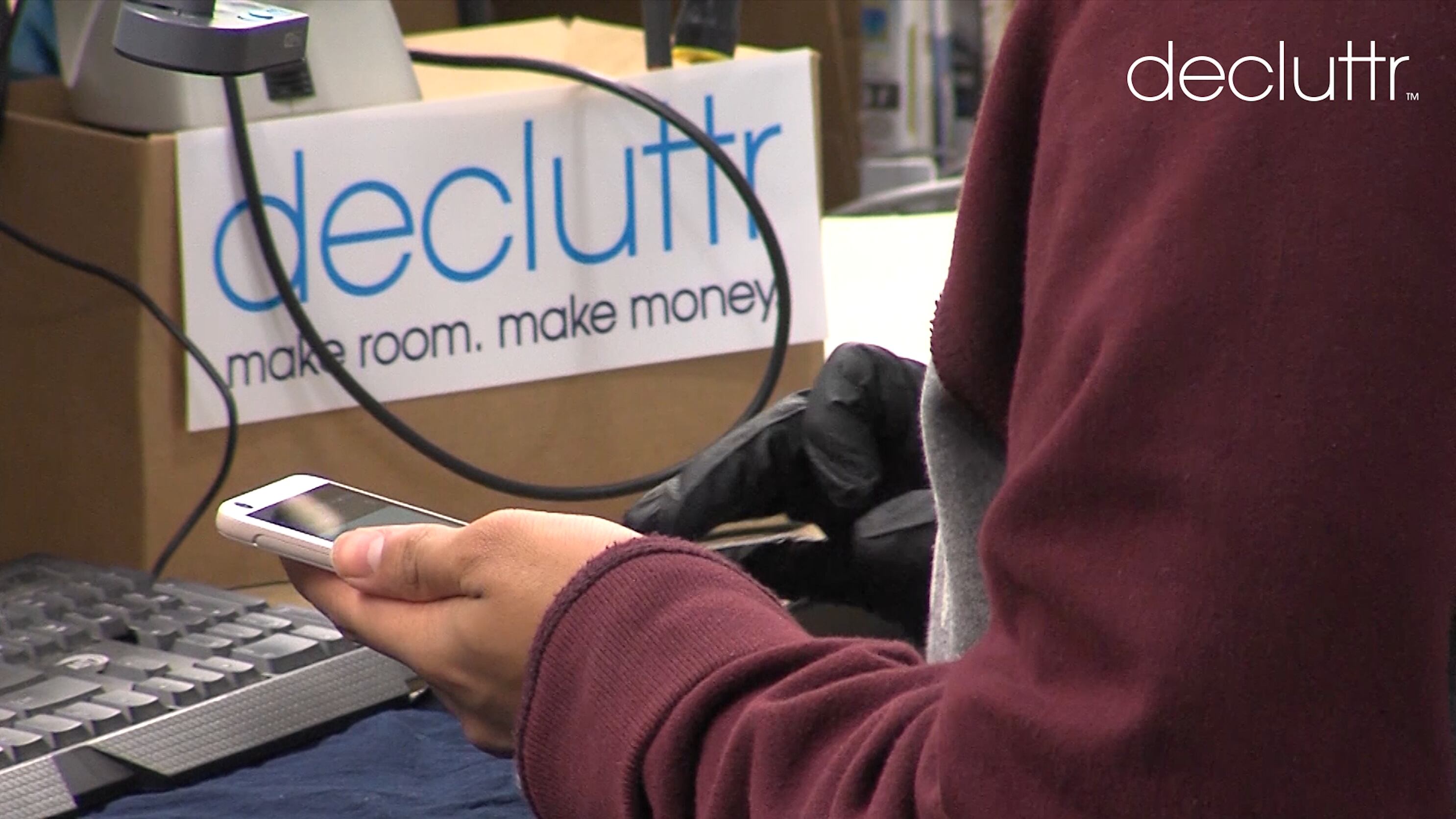
Technology always seems to be changing in this day and age. What's cool and helpful one day is unnecessary and obsolete the next. Decluttr hoping to solve that problem for you.
The partnership benefits both companies as the scooter wars begin to heat up. Lime likely chose Uber over other ride-hailing companies because "Uber's got a much deeper geographic penetration, particularly internationally," says Dan Primack, business editor at Axios.
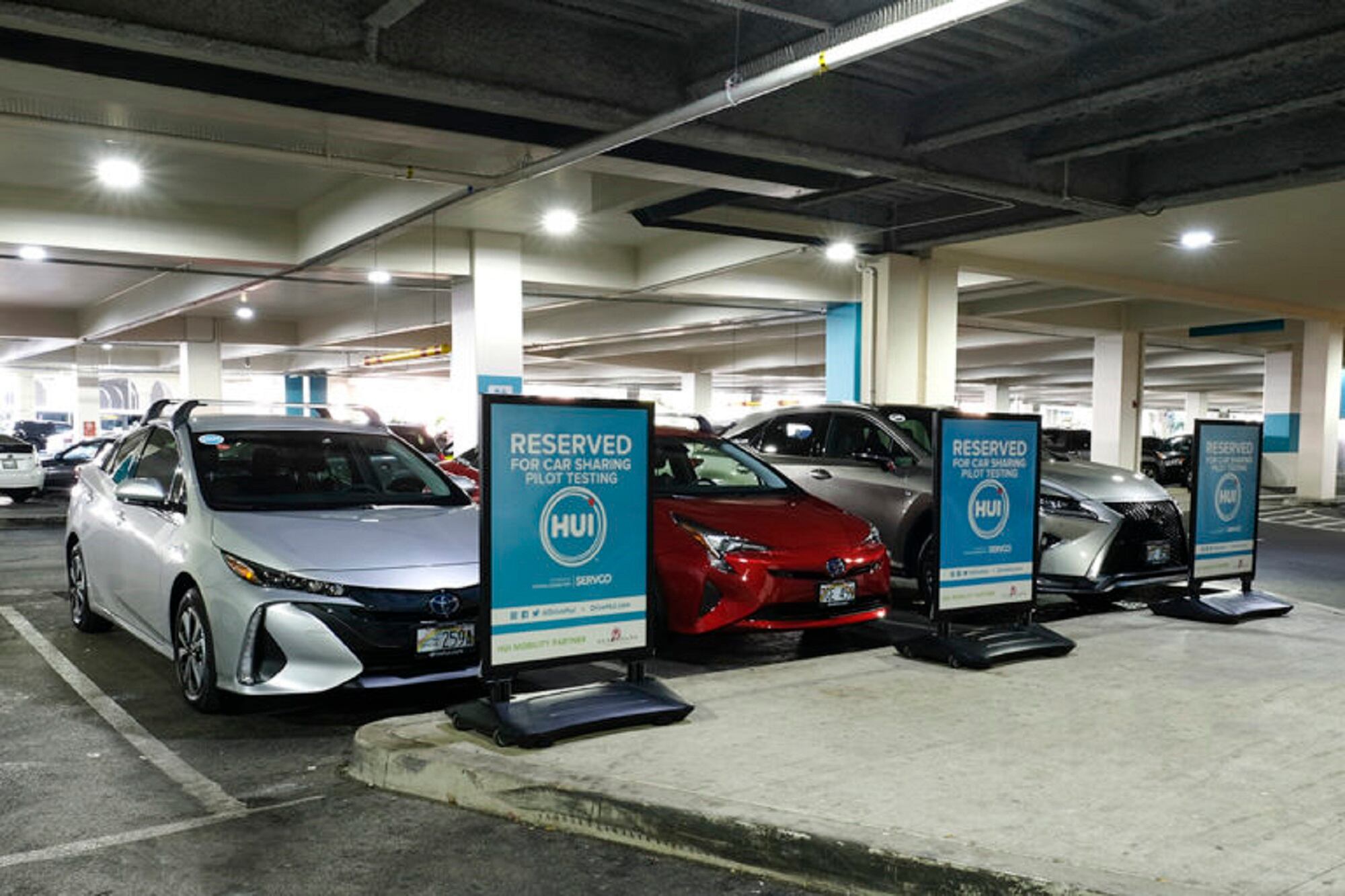
The company, in partnership with Servco Pacific, launched the app Hui on Tuesday in Honolulu, Hawaii, with plans to open in other locations internationally. Hui enables users to choose from a fleet of Toyota and Lexus cars to rent out by the hour or for the day.
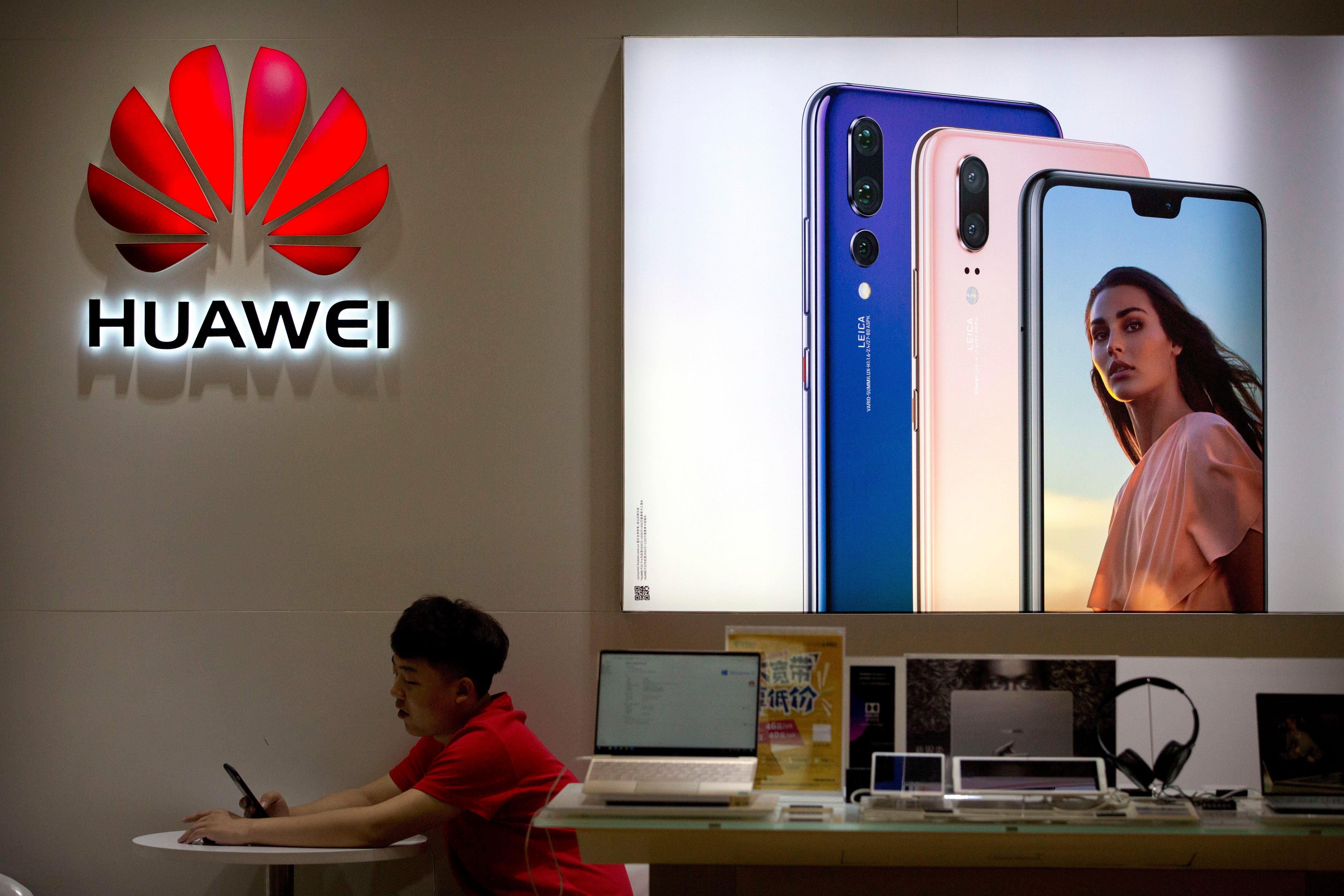
The company's U.S. Chief Security Officer Andy Purdy says there is no evidence to back up the FCC's claims that Huawei is a national security threat. “There is no indication we’ve done any improper things on behalf of the Chinese government."
A study finds male political reporters in Washington, D.C., retweet other men more than women. “Men and women are operating in gender echo chambers in Washington on Twitter,” says Nikki Usher, the lead author of the study.
The Chinese smartphone giant couldn’t live up to the hype in its Hong Kong market debut, with shares down more than a percent. “Investors are really confused about whether to position this company as a hardware company or just a services company,” says Tarun Pathak, a telecom analyst at Counterpoint Research.
The platform aggregates top stories through high-profile curators, which increases the "chance of bringing in the best content that's obviously not fake," says CEO Ian Myers. NewsPicks is owned by a Japanese media company that also acquired Quartz last week.
Twitter suspended 70 million fake accounts in May and June, and some wonder if this will result in a decline in users in Q2. However, this could work in Twitter's favor because many of these accounts aren’t actual users and just end up distorting those numbers, says Matt Binder, tech reporter for Mashable.
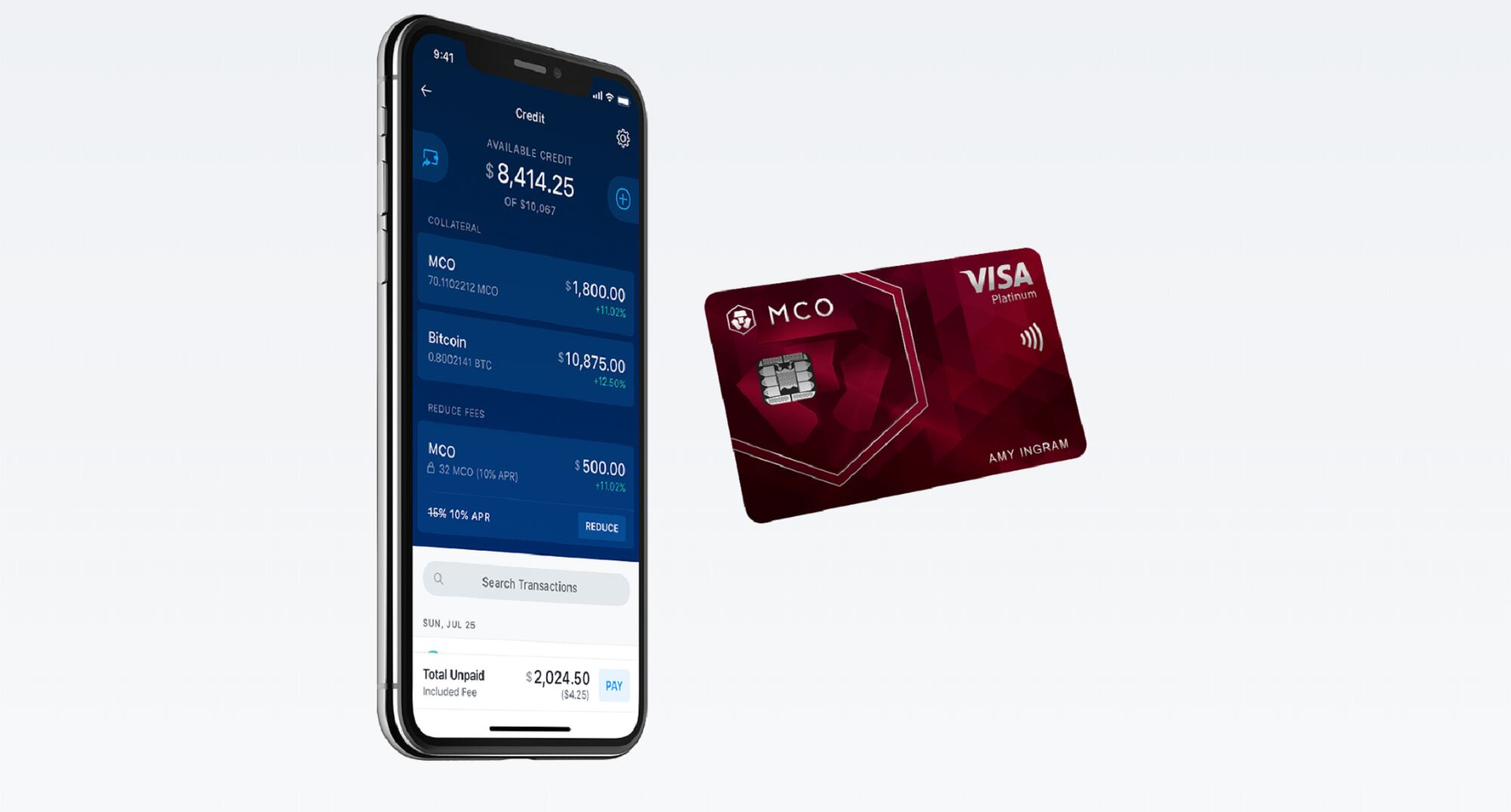
The Swiss start-up paid $12 million to obtain the domain name, Cheddar has learned. Previous owner Matt Blaze, a cryptology researcher and professor at the University of Pennsylvania, originally registered the domain in 1993. Cheddar’s Tanaya Macheel gives us the details.