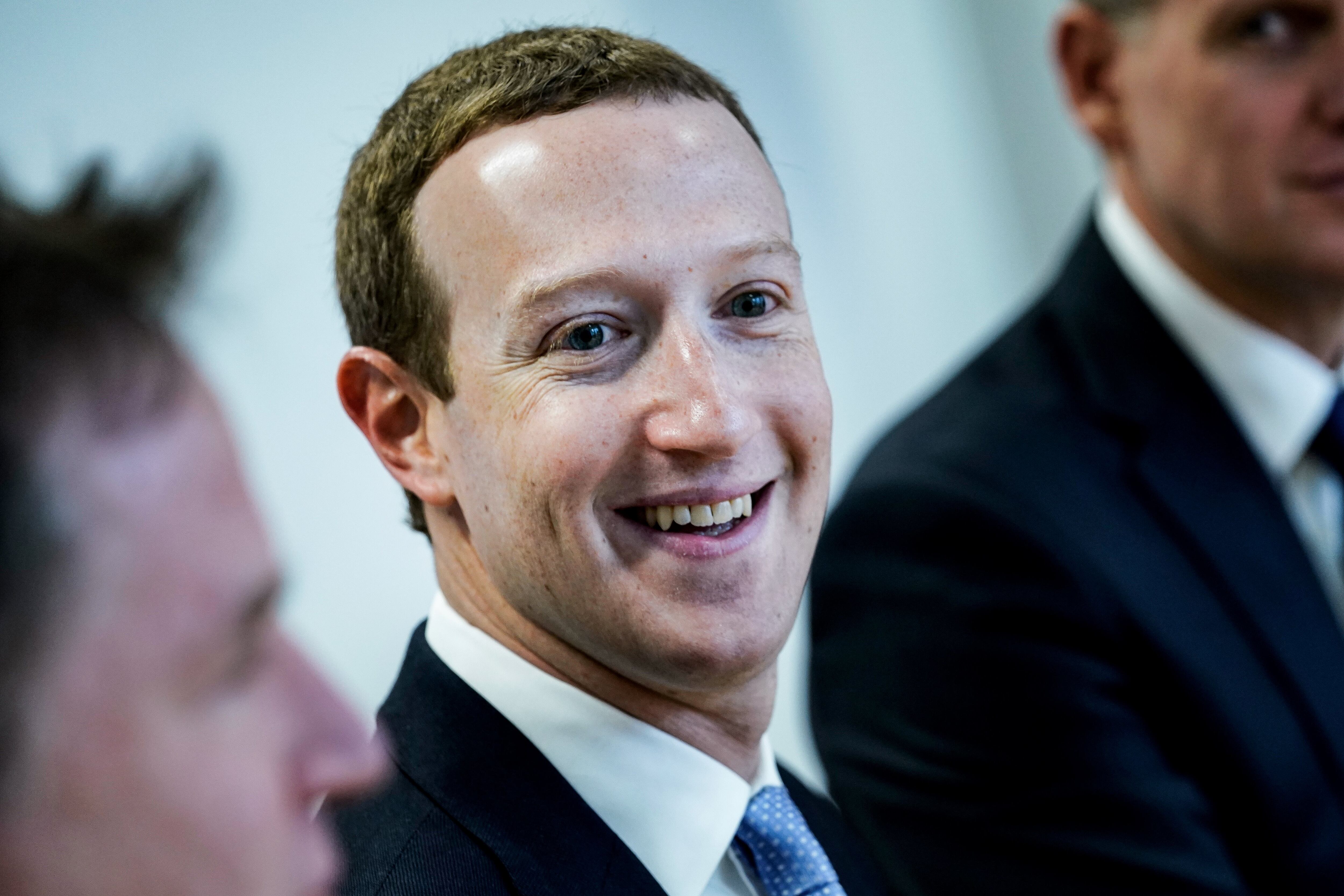
Mark Zuckerberg and his wife Priscilla Chan have donated $25 million through their foundation to a philanthropic effort organized by Bill Gates to explore new coronavirus treatments.
The Gates Foundation donated $50 million last week to what it’s calling the “COVID-19 Therapeutics Accelerator.” The initiative brings together life sciences companies to collaborate on the development of new vaccines, diagnostics, and treatments for COVID-19.
“The Therapeutics Accelerator will enable researchers to quickly determine whether or not existing drugs have a potential benefit against COVID-19,” Chan and Zuckerberg said in a press release. “We hope these coordinated efforts will help stop the spread of COVID-19 as well as provide shared, reusable strategies to respond to future pandemics.”
The two donations are the largest from tech billionaires since the coronavirus outbreak. Wellcome and Mastercard are supporting the effort as well.
The goal of the initiative is to either develop a new drug or adapt an existing treatment that it could help distribute alongside partnering pharmaceutical companies.
The 15 companies participating in the project kicked off the effort by sharing their proprietary libraries of molecular compounds that have some history of being tested with COVID-19.
The lineup includes big names in biotech such as Johnson & Johnson, Merck, Pfizer, Sanofi, and Bristol-Myers Squibb.
Cheddar has learned that the company's VP of Hardware has left the company after disappointing sales of its Spectacles augmented reality glasses. The devices have lost Snap $40 million.
These are the headlines you Need2Know.
Facebook has suspended analytics firm Crimson Hexagon for allegedly mishandling user data. The Boston-based company has also been banned from the site for possible ties to a Kremlin-based nonprofit and the U.S. government. Deputy Tech editor at [Mashable Michael Nuñez explains why users should be concerned.](https://mashable.com/2018/07/20/facebook-suspends-crimson-hexagon/)
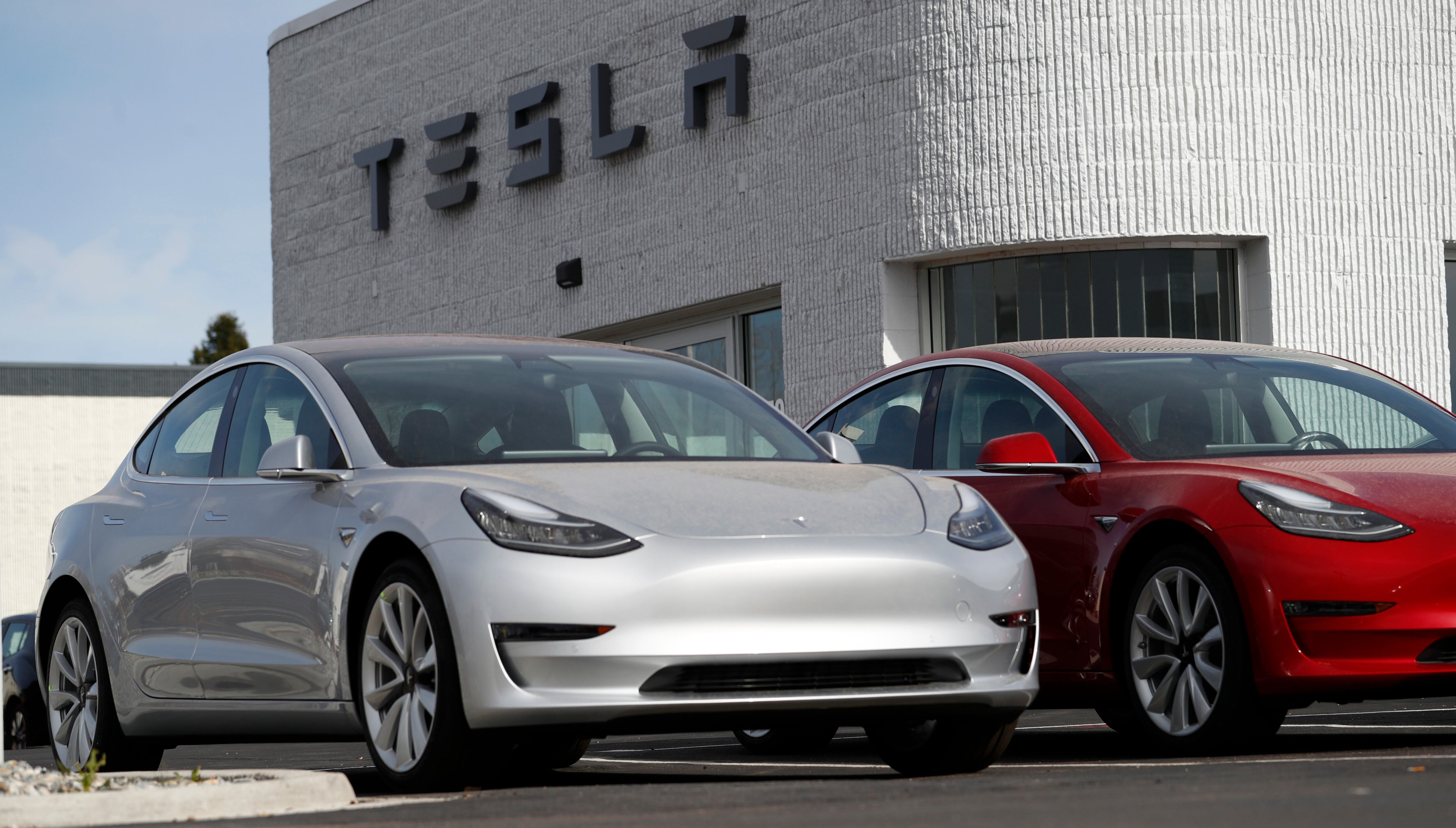
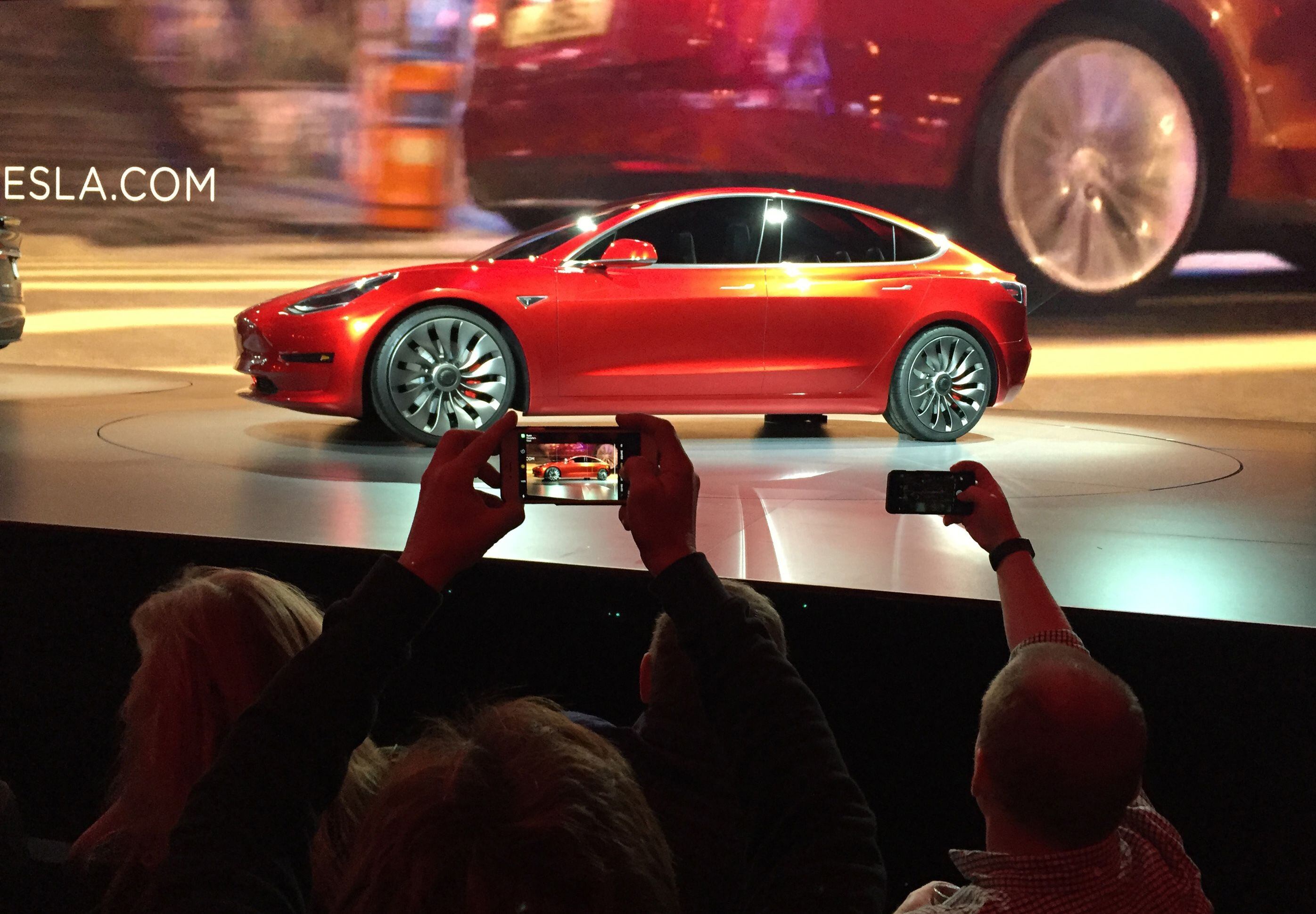
The electric carmaker reportedly wrote to suppliers for refunds for purchases dating back to 2016, an unusual move for the auto industry. Tesla has been struggling to ramp up production of its mass-market Model 3 car, which is crucial to helping the company turn cash flow positive. Cheddar's Tim Stenovec and Kristen Scholer break down the details.
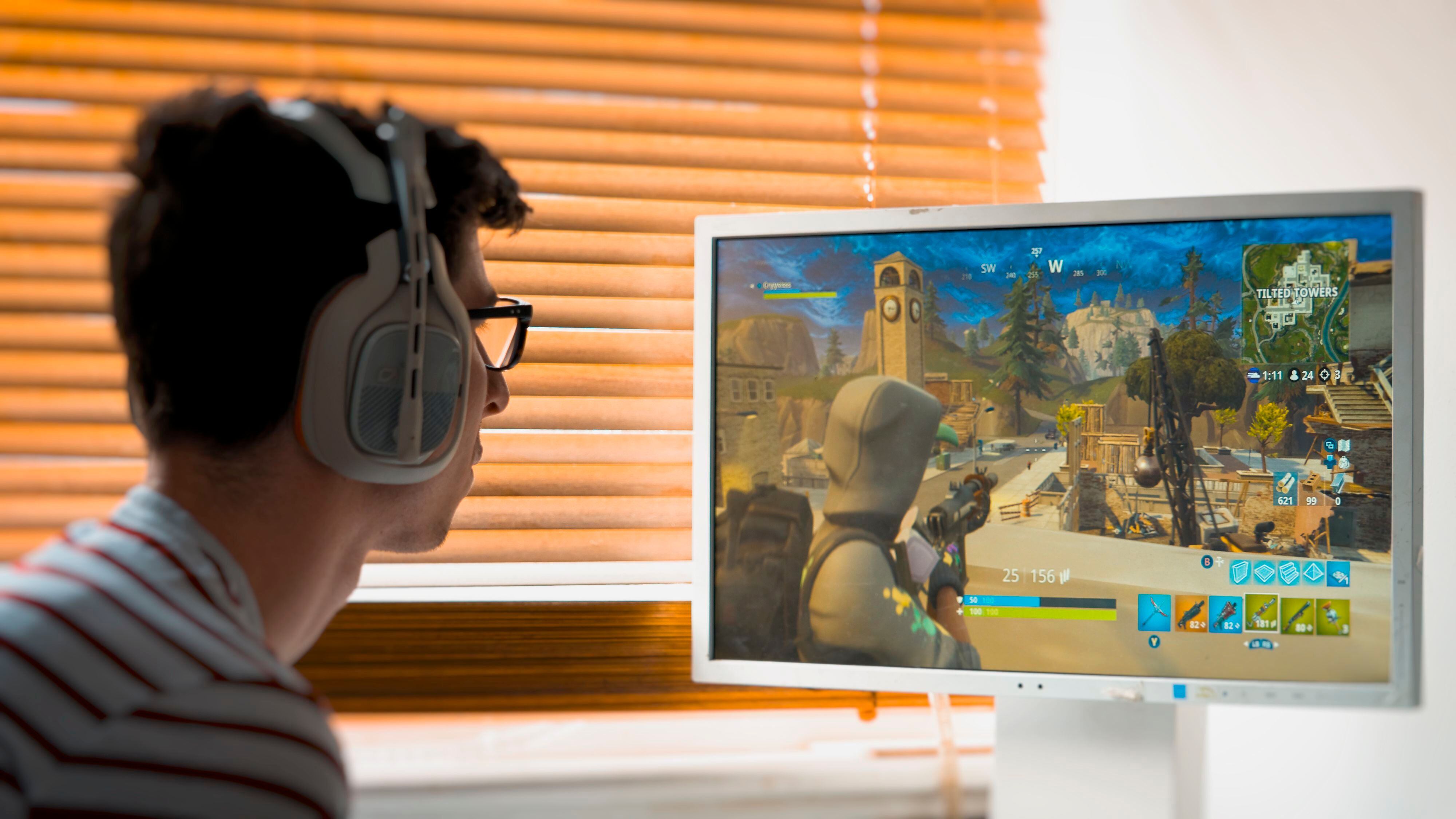
Market research firm SuperData estimates the uber-popular game has brought in $1 billion in revenue from in-app purchases, with gamers buying add-ons purely for cosmetics. "It does not make you have a better gun, it does not give you any advantage in terms of where you land on the map, it doesn't give you any special powers," says Eli Blumenthal, digital editor at USA Today.
The superhero franchise will launch its first virtual reality video game on July 26. The game, says Bill Rosemann, executive creative director at Marvel Games, will be a fully-immersive experience. "It unleashes that fantasy, that ultimate fantasy of being the Marvel character," he tells Cheddar. "You don't just look like Captain Marvel or Captain America. You have their powers."
Dan Neil, Automotive Critic at the Wall Street Journal, got the first test drive of the high-performance version of Tesla's Model 3. He says the company has at least a five-year head start on competitors in metrics like software, batteries, and packaging.
The gaming industry is known to be skewed towards boys and men. Laila Shabir, CEO and founder of Girls Make Games, is trying to change that through three-week summer camps for young girls. "Being represented in a medium like games...is extremely important," says Shabir.
The actor, comedian, and activist created an augmented reality app called "House of Cats," which features an animated, satirical version of the president called "Trump-y Cat." A portion of the proceeds will go to support refugees. "We are going to counter his hostility with support," Takei tells Cheddar.
The San Francisco-based company, which uses artificial intelligence to generate training materials for large companies, just received an investment from JPMorgan Chase. "When you go to work, that's where A.I.'s going to have the greatest impact. It's less artificial intelligence and more augmented intelligence," says Carson Kahn, Volley's CTO.