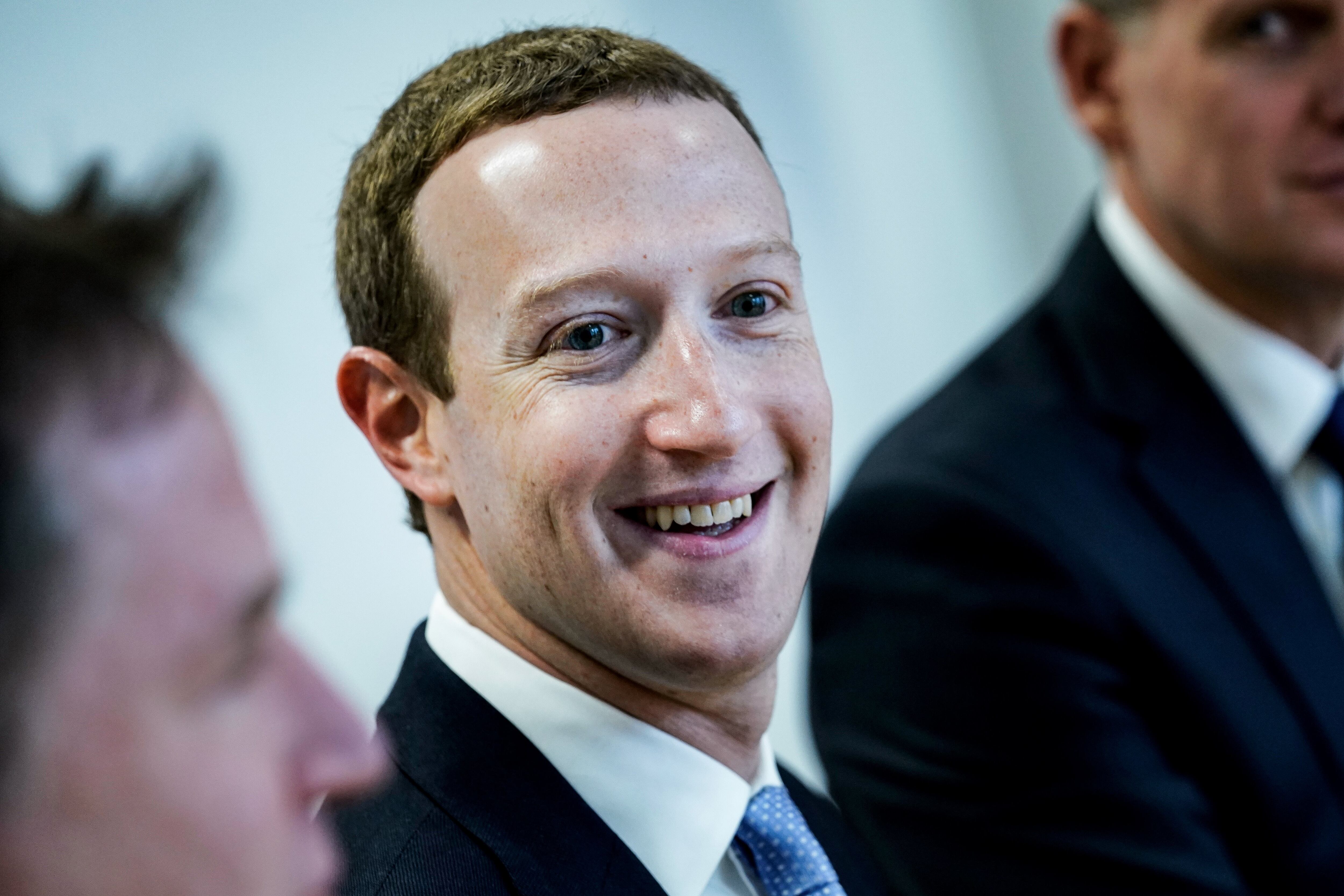
Mark Zuckerberg and his wife Priscilla Chan have donated $25 million through their foundation to a philanthropic effort organized by Bill Gates to explore new coronavirus treatments.
The Gates Foundation donated $50 million last week to what it’s calling the “COVID-19 Therapeutics Accelerator.” The initiative brings together life sciences companies to collaborate on the development of new vaccines, diagnostics, and treatments for COVID-19.
“The Therapeutics Accelerator will enable researchers to quickly determine whether or not existing drugs have a potential benefit against COVID-19,” Chan and Zuckerberg said in a press release. “We hope these coordinated efforts will help stop the spread of COVID-19 as well as provide shared, reusable strategies to respond to future pandemics.”
The two donations are the largest from tech billionaires since the coronavirus outbreak. Wellcome and Mastercard are supporting the effort as well.
The goal of the initiative is to either develop a new drug or adapt an existing treatment that it could help distribute alongside partnering pharmaceutical companies.
The 15 companies participating in the project kicked off the effort by sharing their proprietary libraries of molecular compounds that have some history of being tested with COVID-19.
The lineup includes big names in biotech such as Johnson & Johnson, Merck, Pfizer, Sanofi, and Bristol-Myers Squibb.
These are the headlines you Need2Know for Thursday.
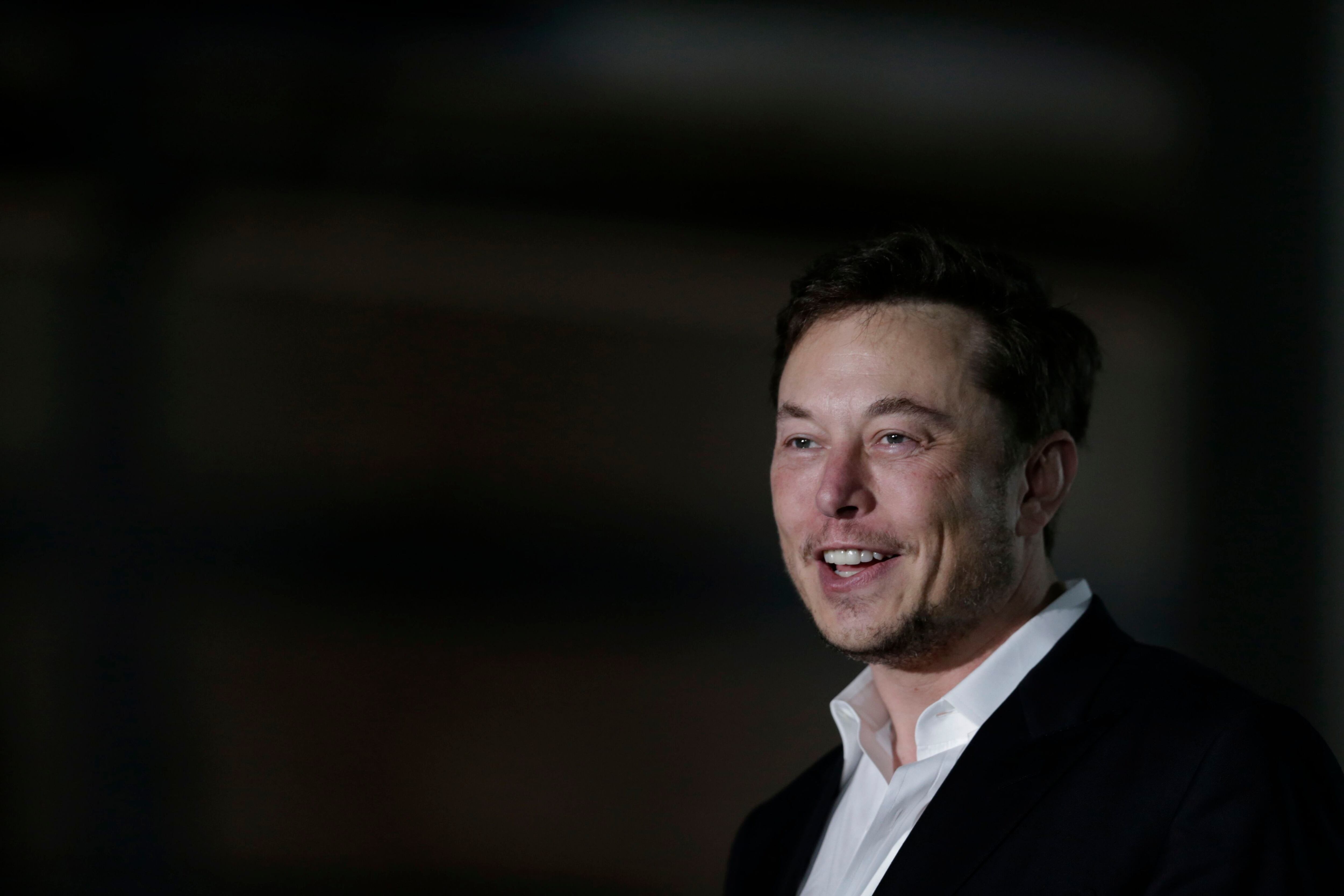
Tesla posted a bigger than expected loss, but CEO Elon Musk promises that by next quarter, the electric carmaker will turn a profit. Musk also apologized for his rude behavior during the first quarter earnings call, and investors seemed to accept his apology, as shared jumped after his comments.
Citibank is exploring various crypto products that it could offer retail customers, Cheddar has learned. Juliana Berger, a senior vice president of product in Citi’s mobile bank division, is overseeing the secretive initiative.
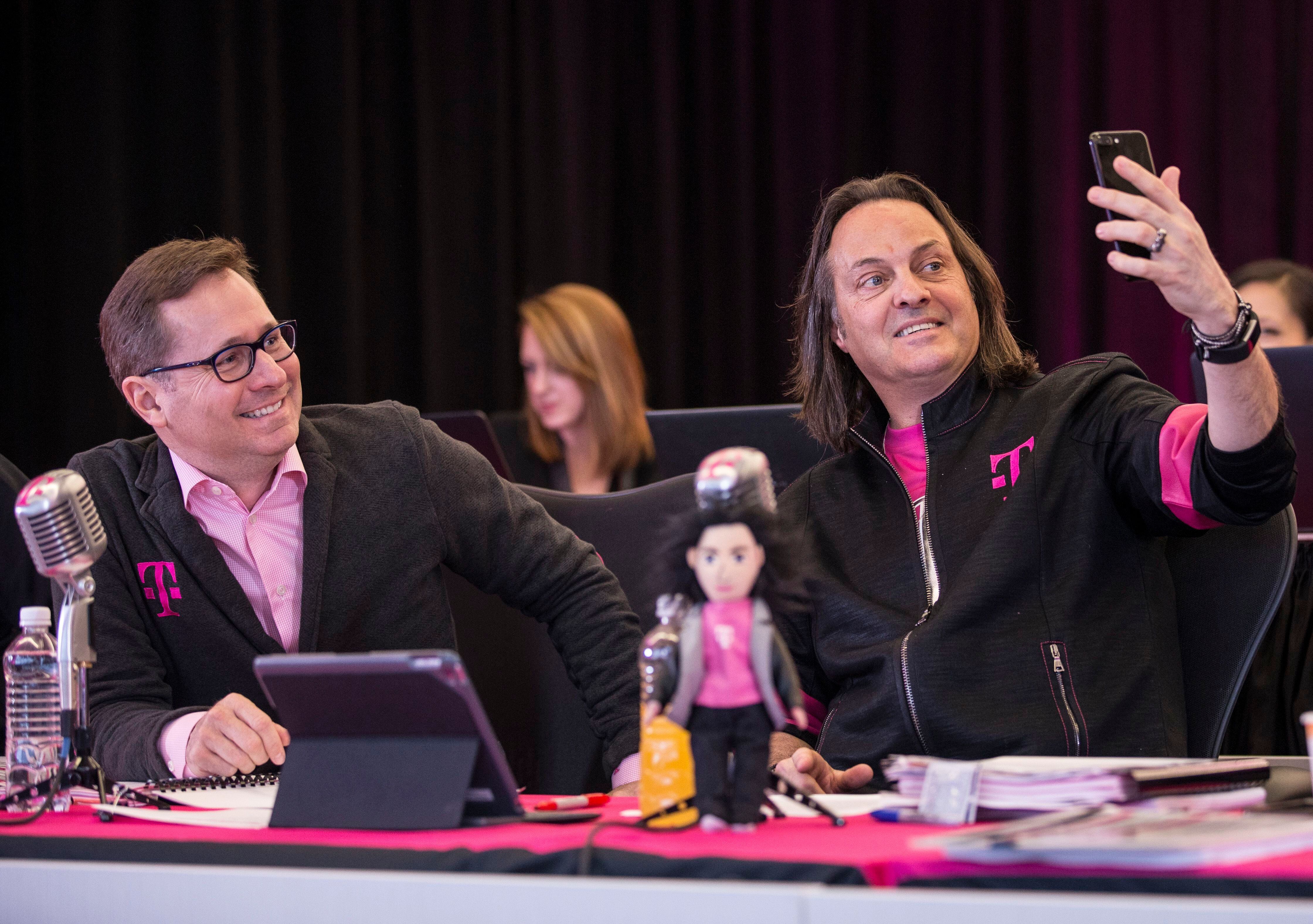
Mike Sievert, President and COO of T-Mobile U.S., joins Cheddar after the company's earnings report. He says that if the proposed merger with Sprint goes through, the combined companies will have seven times the wireless capacity they do individually and could actually increase competition in the field.
The electric automaker said most factories would hit a run rate of 10,000 of the mass-market vehicles a week by the end of the year, suggesting the company could be on the path to achieving profitability. The company did still report a wider loss than expected for the current quarter, but it said it burned through less cash than in the first quarter.
Ed Sclater and Farhad Farahbakhshian, co-founders of Naked Labs, sat down with Cheddar on Wednesday to discuss the company's latest $14 million in Series A funding and the launch of its newest product, the industry's first at-home body scanner.
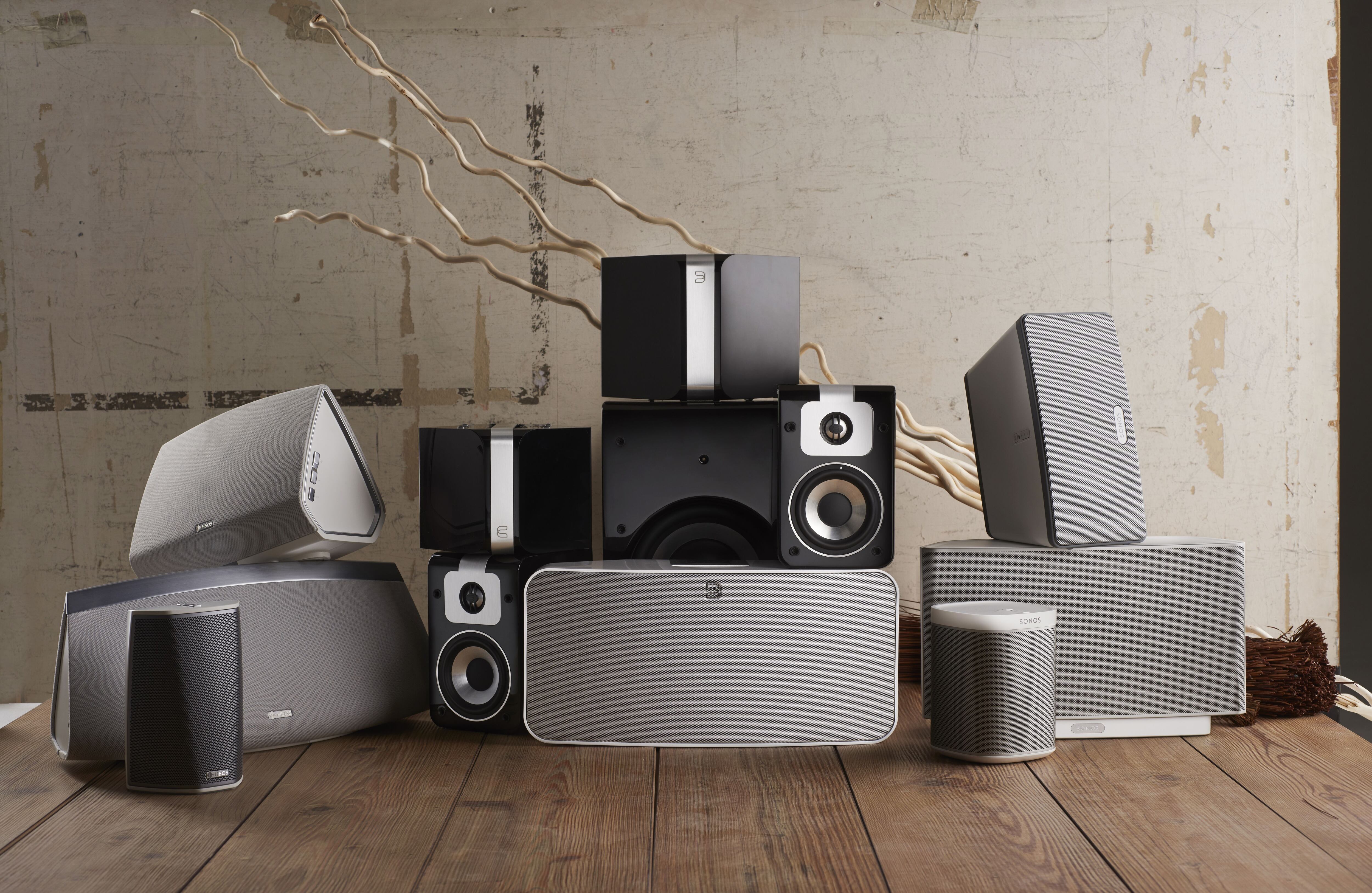
The home speaker company makes its debut on the Nasdaq Thursday, but with plenty of competition and what's largely considered to be just one true productーnot to mention the threat of a trade warーSonos faces plenty of challenges in its IPO.
Facebook announced this week it removed 32 pages and accounts suspected of midterm election tampering. But New York Times reporter Kevin Roose tells Cheddar there's still not a lot of information about who's behind the meddling.
Walmart's tech incubator, Store No. 8, is entering the virtual- reality market. Katie Finnegan, CEO and co-founder of virtual reality start-up Spatialand and founding principal of Store No. 8, discussed the future of VR shopping on Cheddar Wednesday.
Apple seems to have avoided the fate that sent many tech stocks plunging last week, with its earnings report sending shares to all-time highs and bringing the company oh-so-close to the $1 trillion mark. Mike Murphy, Quartz Reporter, tells Cheddar how the company will eliminate lingering fears of a slowdown on iPhone sales.