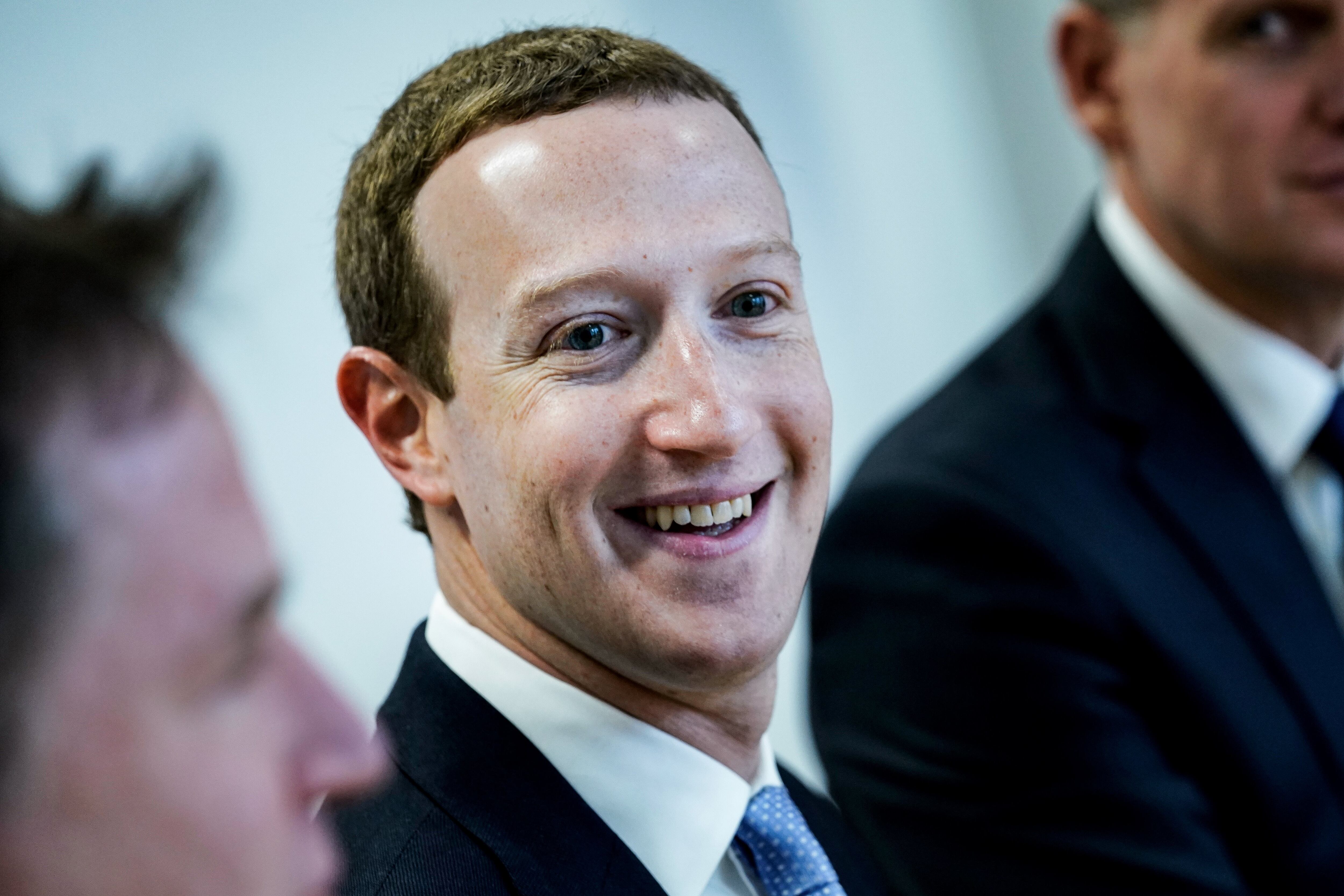
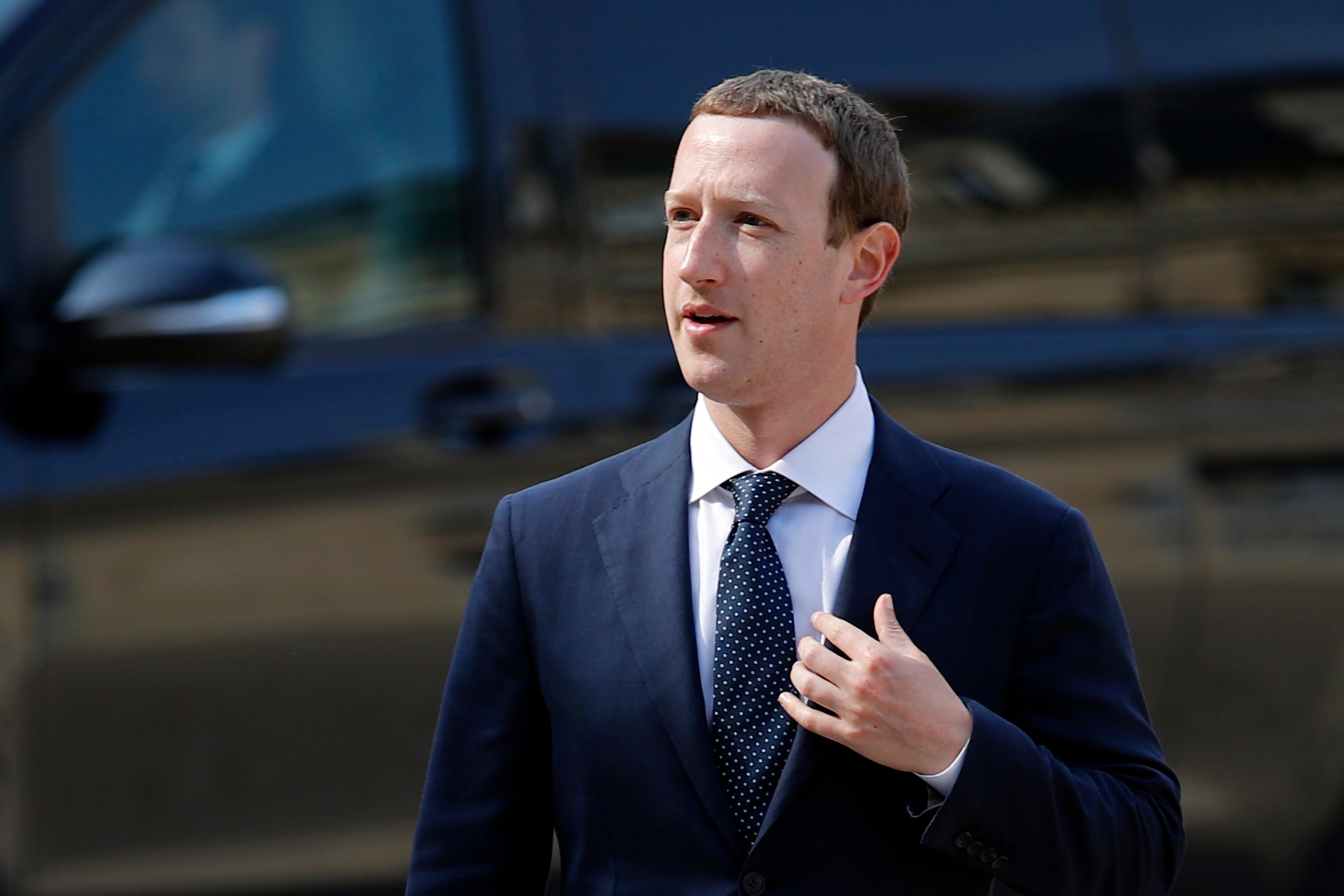
Mark Zuckerberg and his wife Priscilla Chan have donated $25 million through their foundation to a philanthropic effort organized by Bill Gates to explore new coronavirus treatments.
The Gates Foundation donated $50 million last week to what it’s calling the “COVID-19 Therapeutics Accelerator.” The initiative brings together life sciences companies to collaborate on the development of new vaccines, diagnostics, and treatments for COVID-19.
“The Therapeutics Accelerator will enable researchers to quickly determine whether or not existing drugs have a potential benefit against COVID-19,” Chan and Zuckerberg said in a press release. “We hope these coordinated efforts will help stop the spread of COVID-19 as well as provide shared, reusable strategies to respond to future pandemics.”
The two donations are the largest from tech billionaires since the coronavirus outbreak. Wellcome and Mastercard are supporting the effort as well.
The goal of the initiative is to either develop a new drug or adapt an existing treatment that it could help distribute alongside partnering pharmaceutical companies.
The 15 companies participating in the project kicked off the effort by sharing their proprietary libraries of molecular compounds that have some history of being tested with COVID-19.
The lineup includes big names in biotech such as Johnson & Johnson, Merck, Pfizer, Sanofi, and Bristol-Myers Squibb.
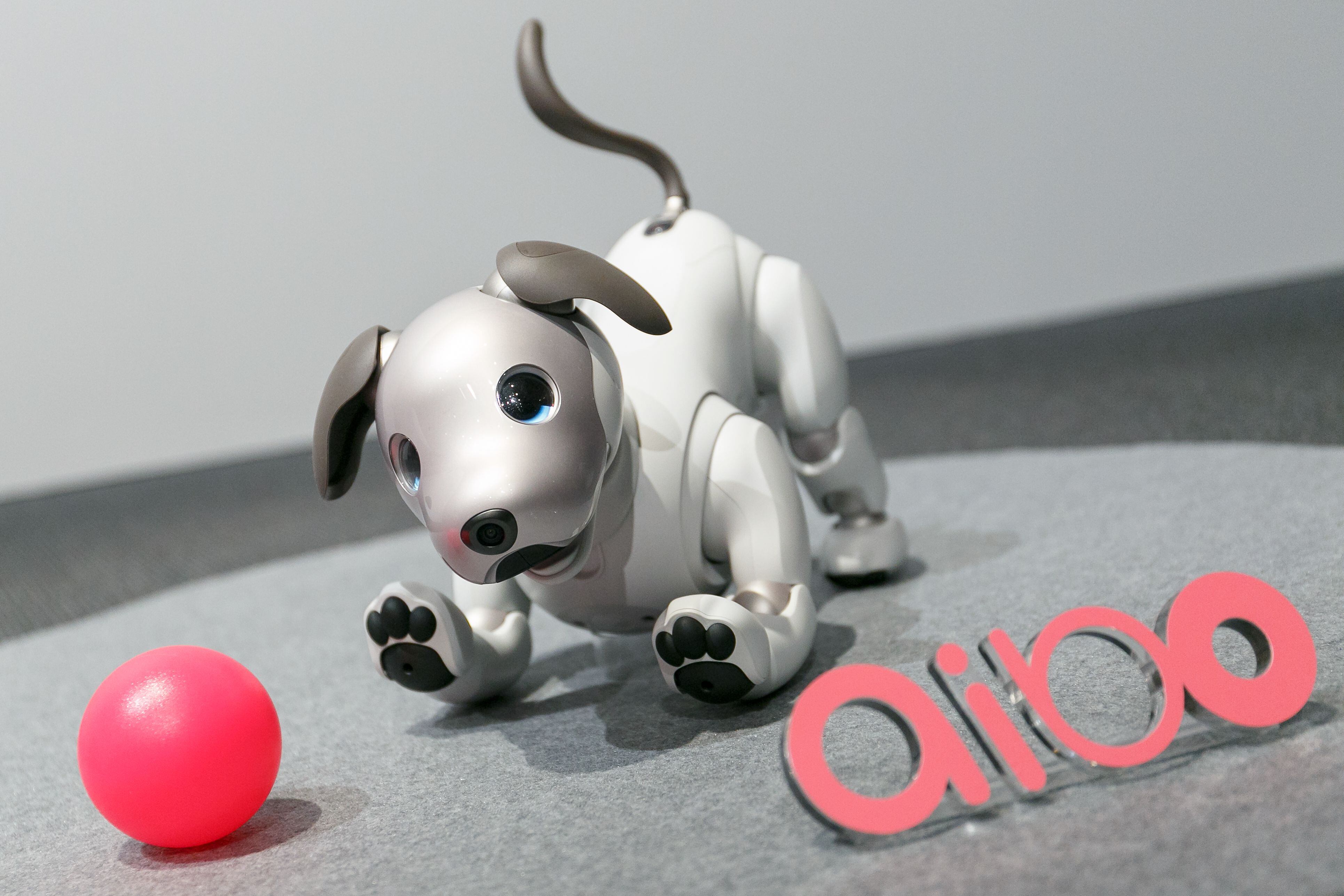
The newest 'Aibo' robot is designed to play with real dogs. Mike Fasulo, president and COO of Sony Electronics, tells Cheddar what else it has up its sleeve for the electronic pet, which rolls out in the U.S. this September for purebred price of nearly $3,000.
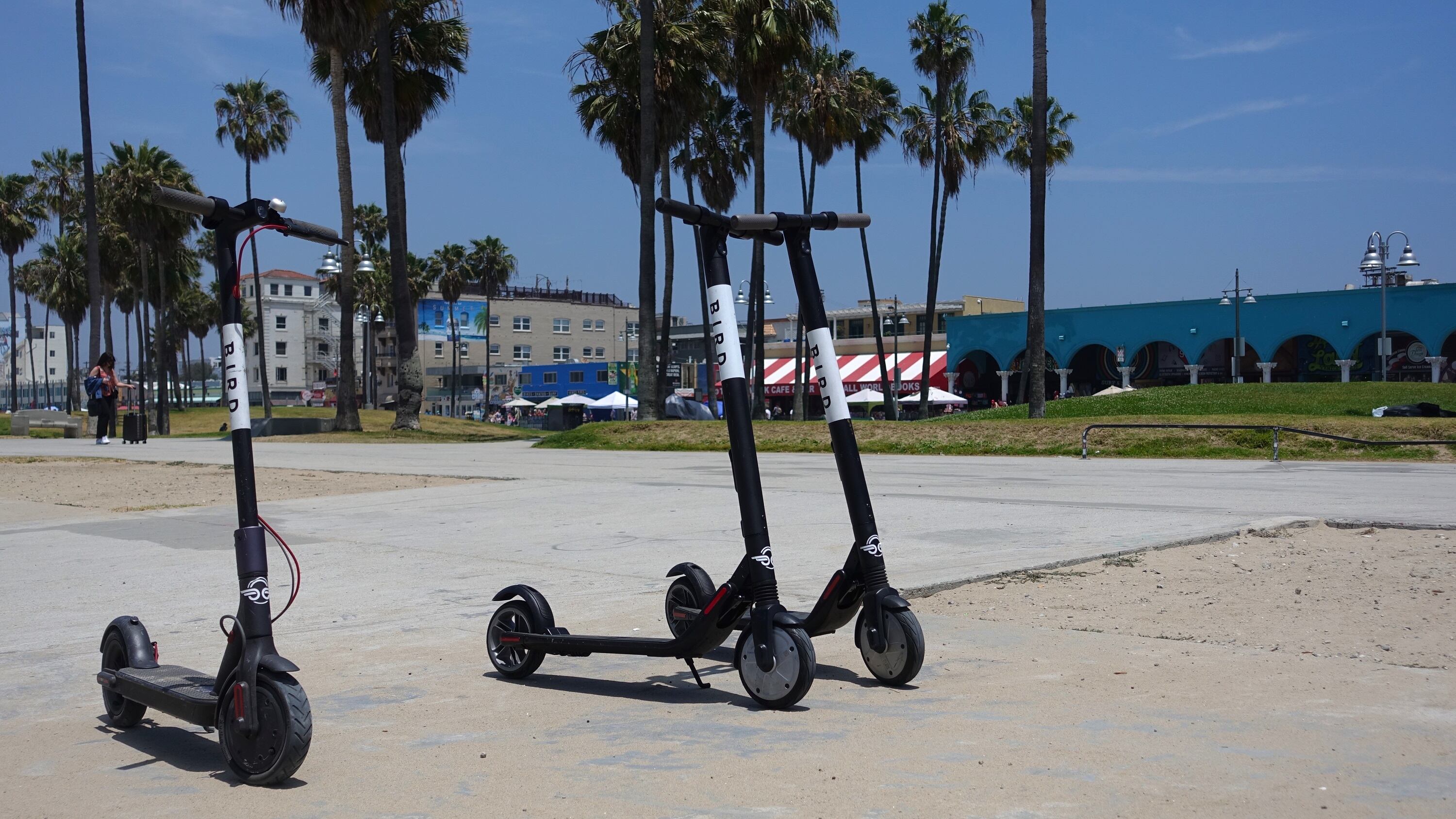
The proliferation of electric scooters from Lime and Bird are polarizing residents and bedeviling officials in the California beach community. Alyssa Julya Smith takes to the boardwalk to hear them out.
Brick-and-mortar stores need to adopt 'experiential' concepts using technology if they want to appeal to the next generation of shoppers, said Rima Reddy of start-up accelerator XRC Labs.
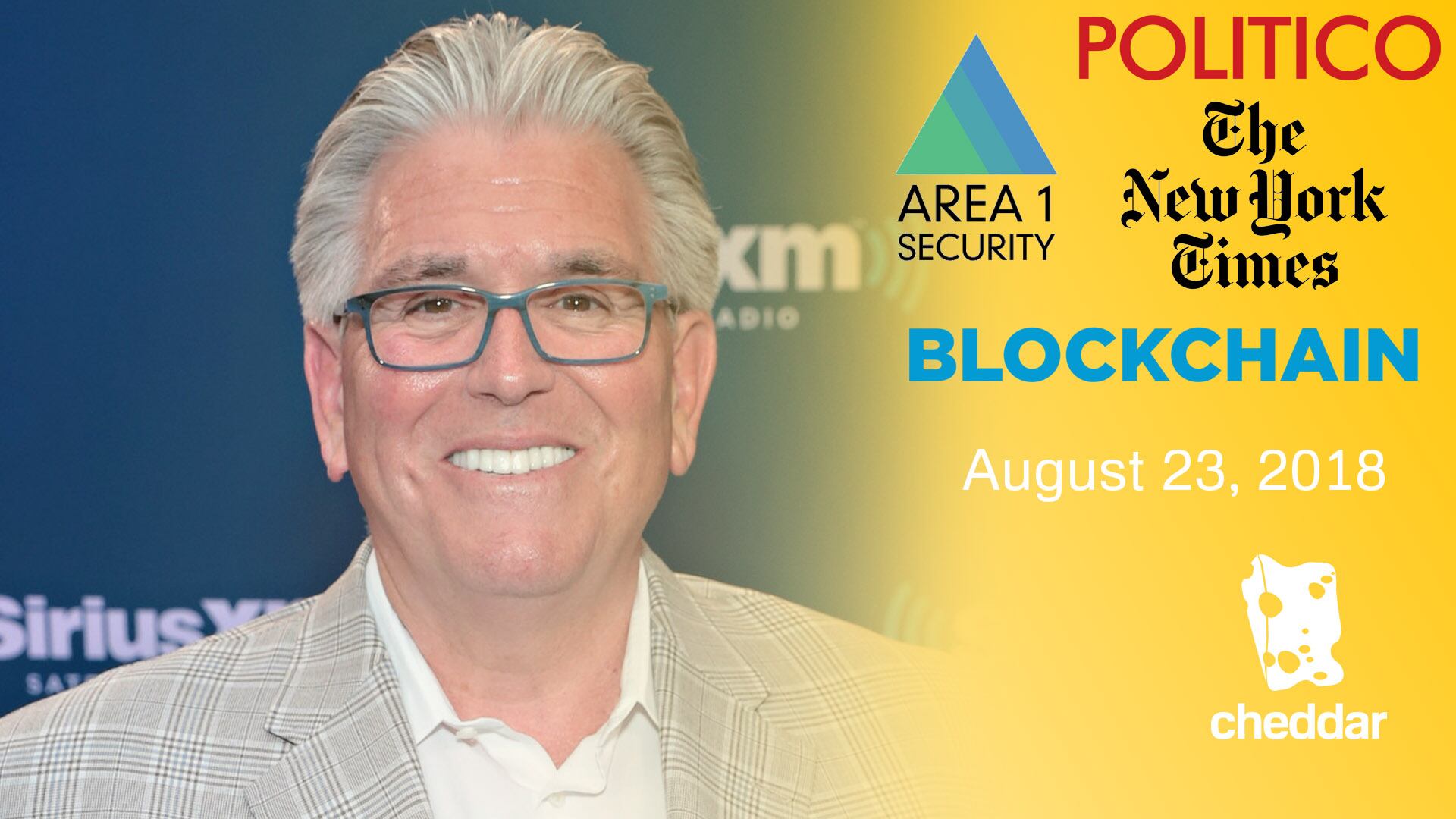
Facebook was forced to remove its data security app, Onavo, from the App Store after Apple updated its data collection guidelines. Meanwhile, the social media giant also voluntarily removed the quiz app, myPersonality, from its platform after the app improperly collected data on more than 4 million users. And we're joined by Mike Francesa, New York sports radio legend, to hear about the launch of his new app, 'Mike's On.'
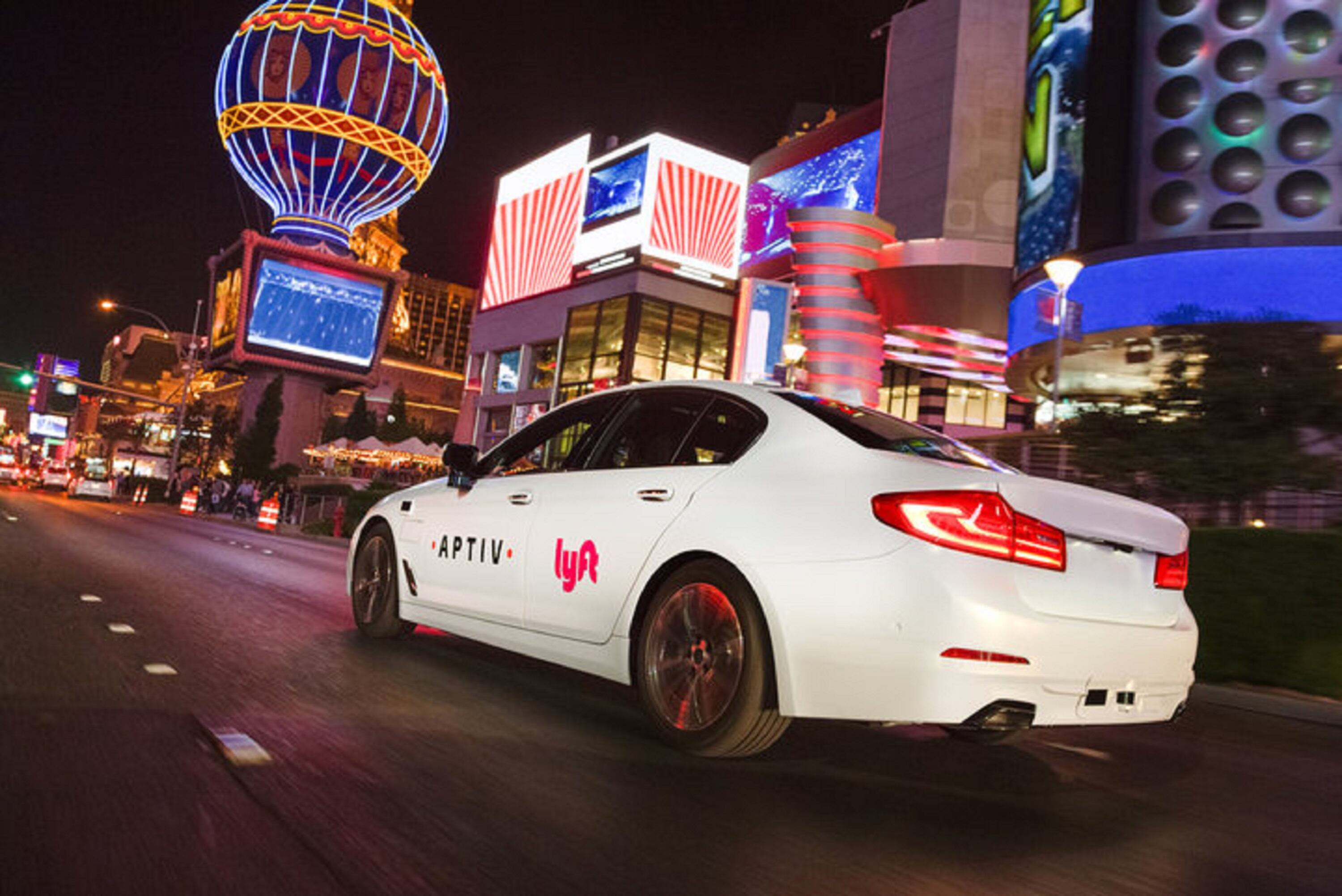
Lyft says it has completed 5,000 rides in its autonomous vehicle pilot program in Las Vegas. Taggart Matthiesen, the company's head of product, told Cheddar that customers are starting to acclimate to the idea of a self-driving ride, but it will be a while before safety drivers are unnecessary.
Onavo Protect, a Facebook app that lets users redirect their mobile data through a VPN managed by Facebook servers, was taken off the Apple App Store after Apple said it violated new rules that limit what data developers' collect. Separately, Facebook also said it would warn users of quiz app myPersonality, which allegedly mishandled data of as many as 4 million people.
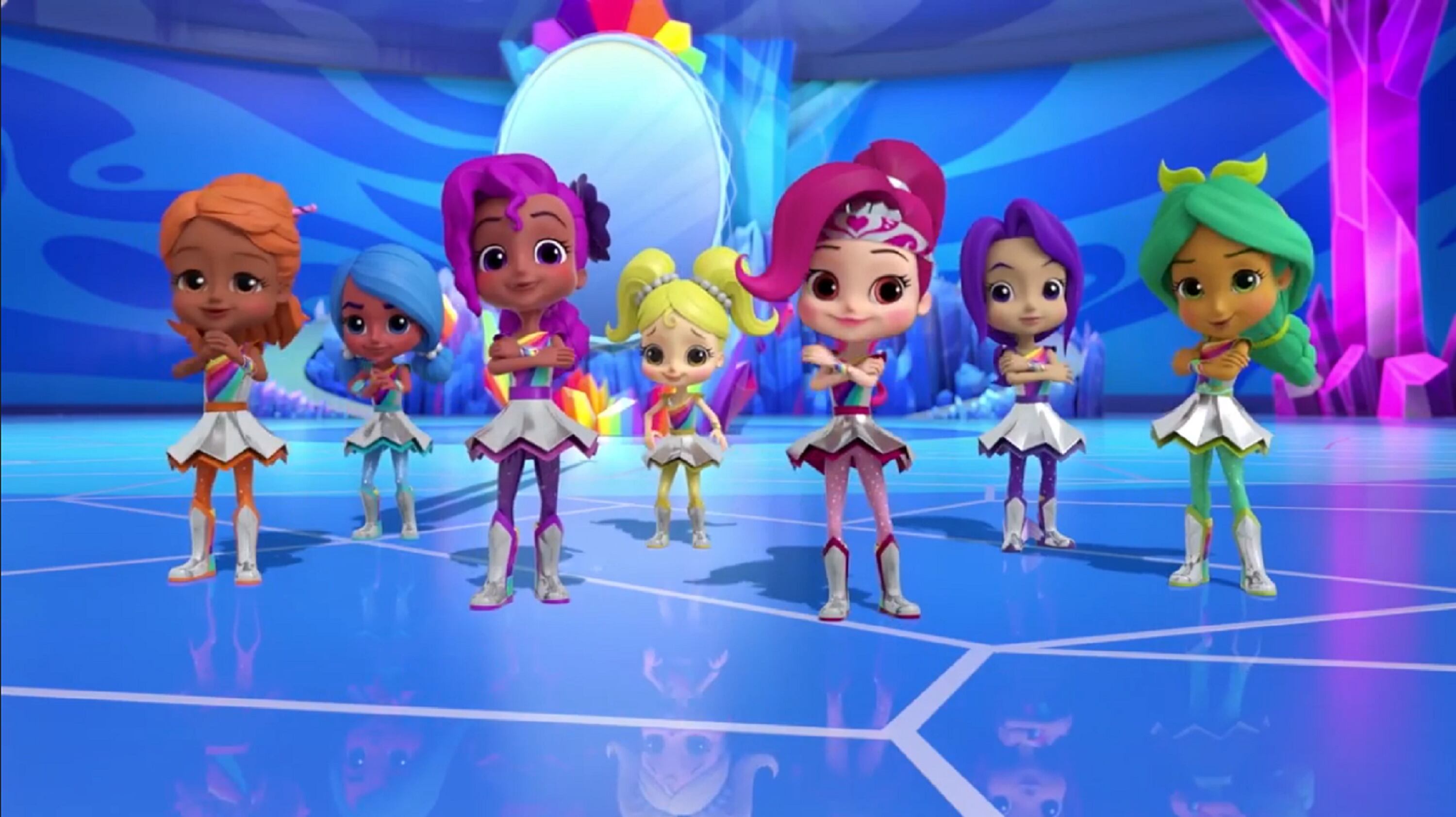
The entertainment company has raised $4.5 million in new funding. CEO Andy Heyward said the first order of business is launching a new brand called "Rainbow Rangers", which debuts on Nickelodeon in November and is meant to empower young girls.
JPMorgan is bringing its Sapphire brand to banking, a bet that it can change affluent millennial customers' perception of the industry the same way it won them over with its credit cards.
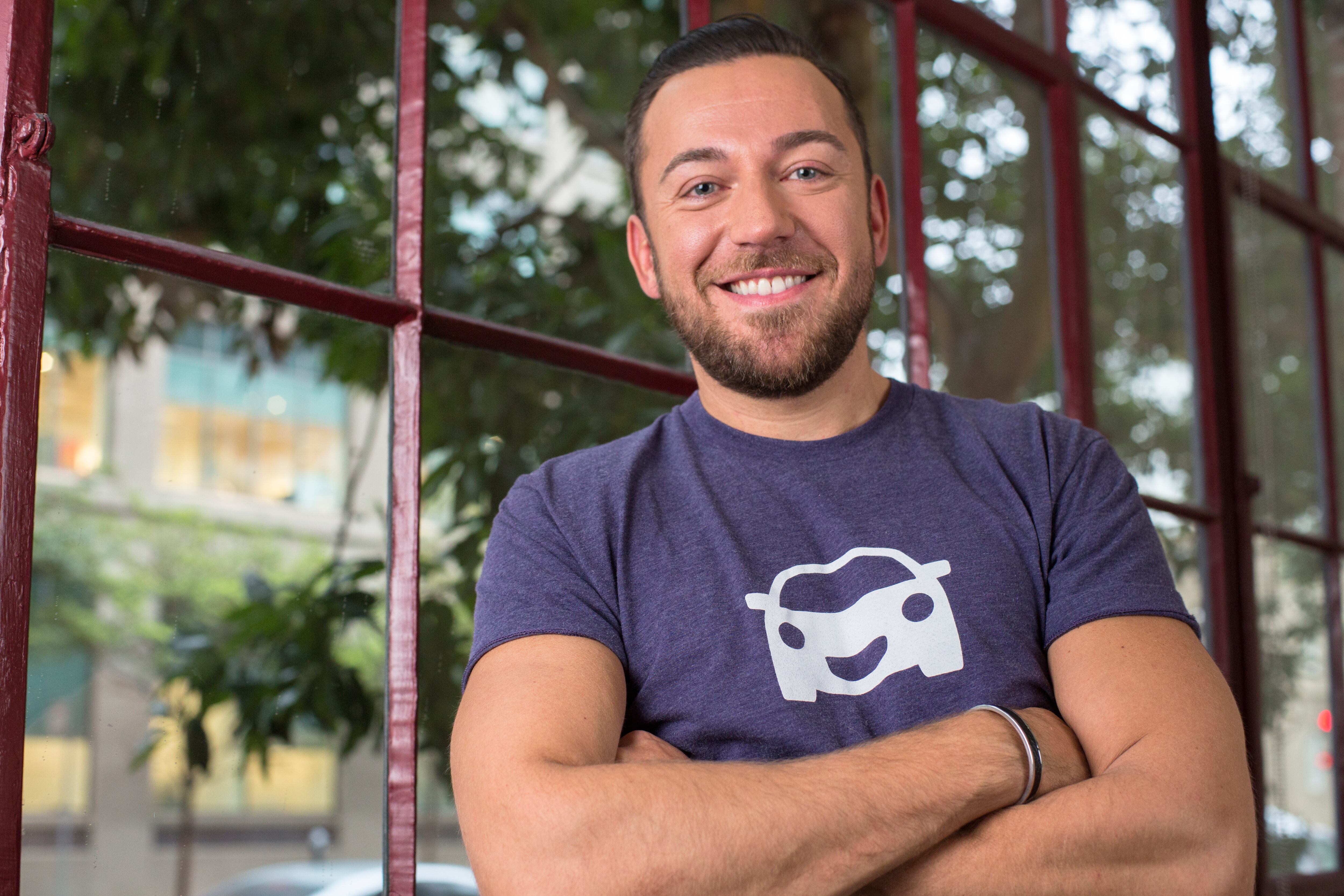
The car-sharing service just that lets drivers rent their vehicles out to strangers just raised $300 million in new financing led by Japan's SoftBank. CEO Sam Zaid tells Cheddar how Getaround stands out in a crowded industry.
Gene Munster of Loup Ventures sees a scenario in which Apple and Tesla's shared love of design might lead to a courtship between the two Silicon Valley titans.