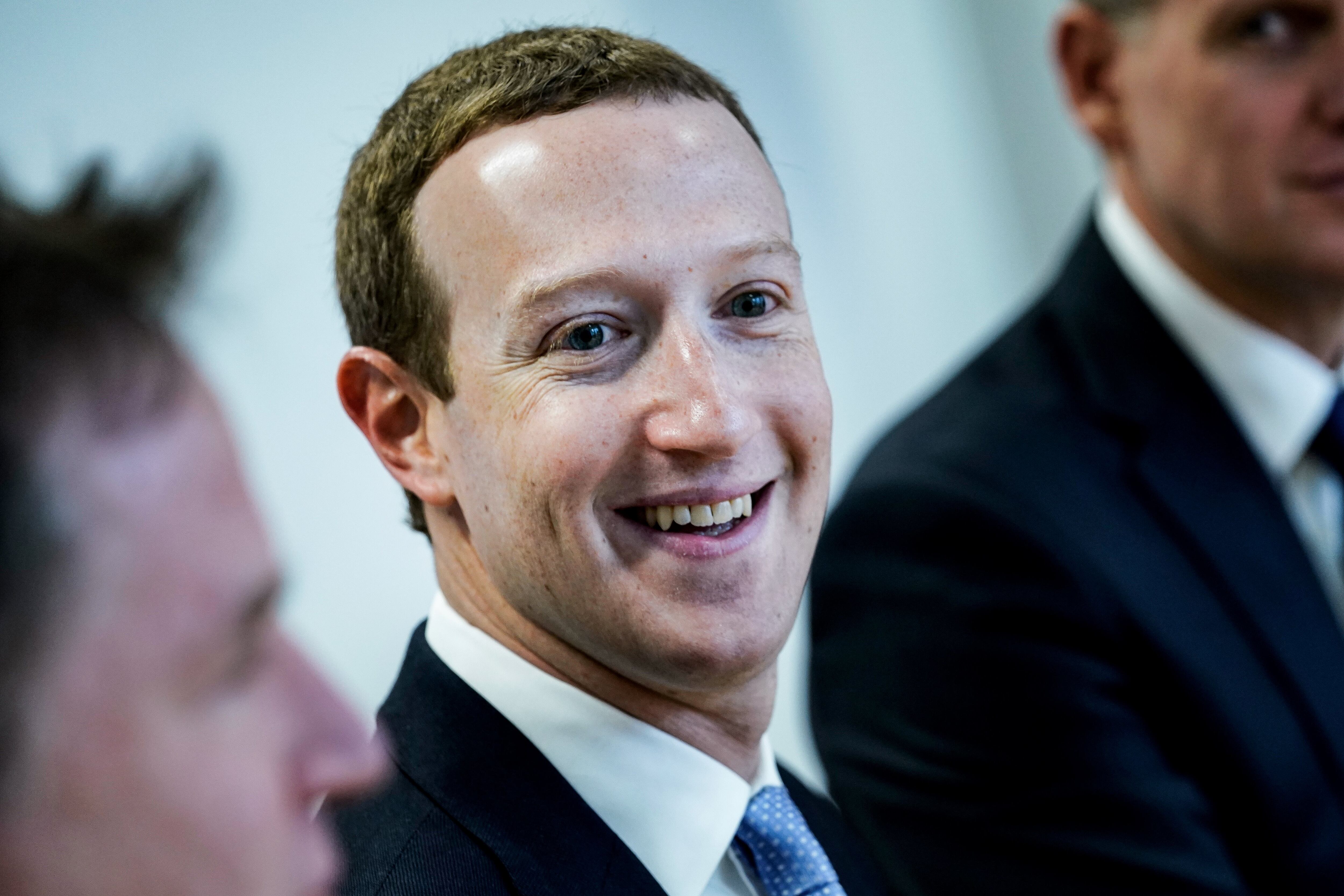
Mark Zuckerberg and his wife Priscilla Chan have donated $25 million through their foundation to a philanthropic effort organized by Bill Gates to explore new coronavirus treatments.
The Gates Foundation donated $50 million last week to what it’s calling the “COVID-19 Therapeutics Accelerator.” The initiative brings together life sciences companies to collaborate on the development of new vaccines, diagnostics, and treatments for COVID-19.
“The Therapeutics Accelerator will enable researchers to quickly determine whether or not existing drugs have a potential benefit against COVID-19,” Chan and Zuckerberg said in a press release. “We hope these coordinated efforts will help stop the spread of COVID-19 as well as provide shared, reusable strategies to respond to future pandemics.”
The two donations are the largest from tech billionaires since the coronavirus outbreak. Wellcome and Mastercard are supporting the effort as well.
The goal of the initiative is to either develop a new drug or adapt an existing treatment that it could help distribute alongside partnering pharmaceutical companies.
The 15 companies participating in the project kicked off the effort by sharing their proprietary libraries of molecular compounds that have some history of being tested with COVID-19.
The lineup includes big names in biotech such as Johnson & Johnson, Merck, Pfizer, Sanofi, and Bristol-Myers Squibb.
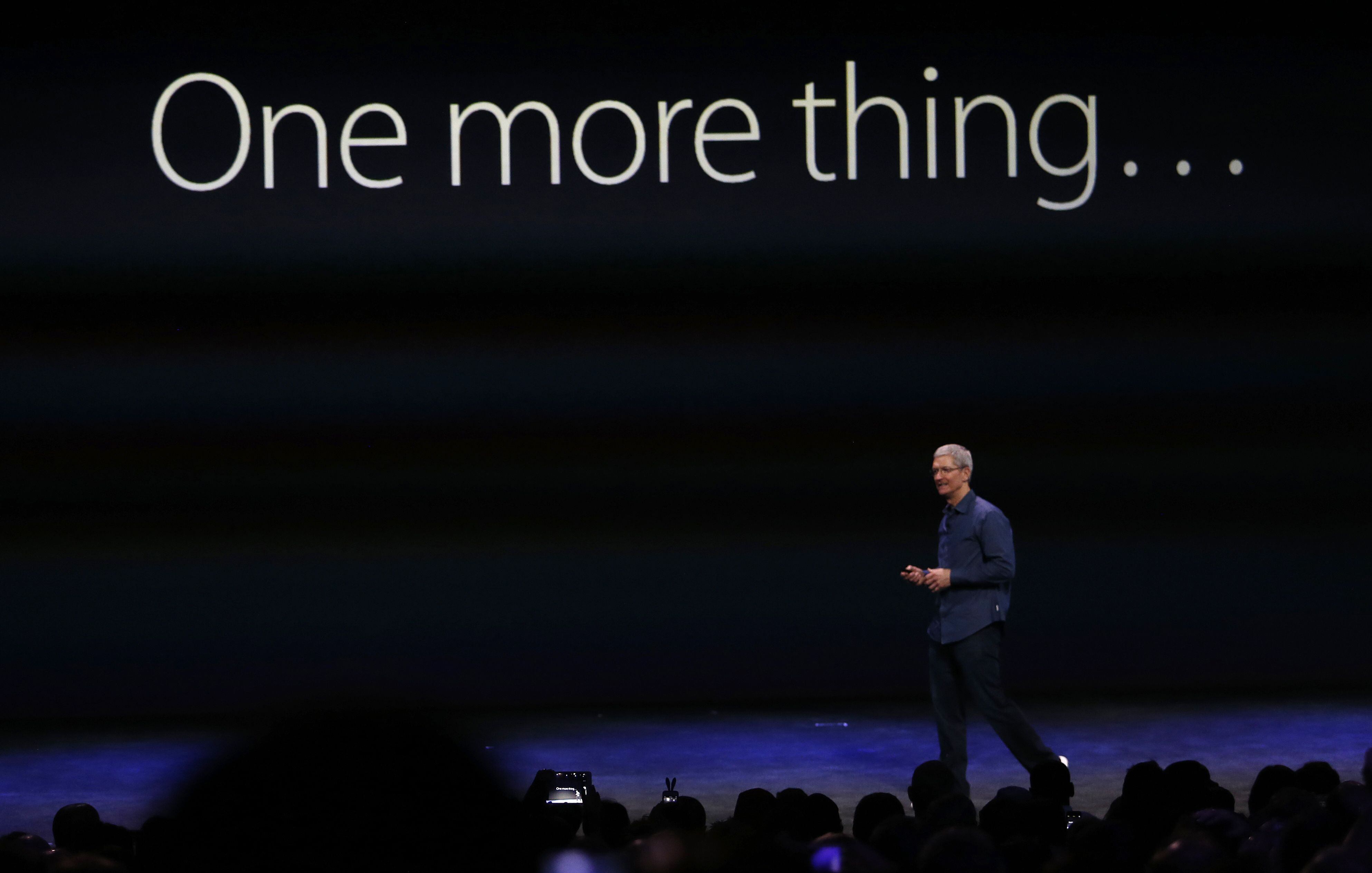
Something different looms over this year's annual Apple keynote: an escalating trade war with China, a country on which the company is so dependent. What will that mean for the consumer? Plus, could there be some surprises in store at Wednesday's event?
Craig Woerz, managing partner at Media Storm, said a certain amount of regulation might be good for an ad industry buffeted by concerns over transparency.
Apple caused more than a few waves last year when it rolled out its first $1,000 iPhone. The company will announce the latest set of products on Wednesday, days after it wrote to the government that it would be forced to raise prices because of the latest tariffs levied against China. Quartz's deputy tech editor Mike Murphy breaks down what to expect.
These are the headlines you Need 2 Know.
StreetCred, launching in New York, crowdsources location data and incentivizes users to submit information with Bitcoin. The location data that Google, Apple, and others own is prohibitively expensive for entrepreneurs to buy, said StreetCred CEO Randy Meech, who hopes his company can change that.
The GM brand is concerned with the long-term effects of tariffs, said president Steve Carlisle. As Caddy launches a new crossover, the XT4, the Chinese market will play a pivotal role in whether the iconic American nameplate can take market share from BMW and Lexus.
These are the headlines you Need 2 Know.
Imran Khan, one of the highest paid executives at Snap, is leaving, reportedly to start a tech investment firm. Khan was deeply involved in bringing the company public last year.
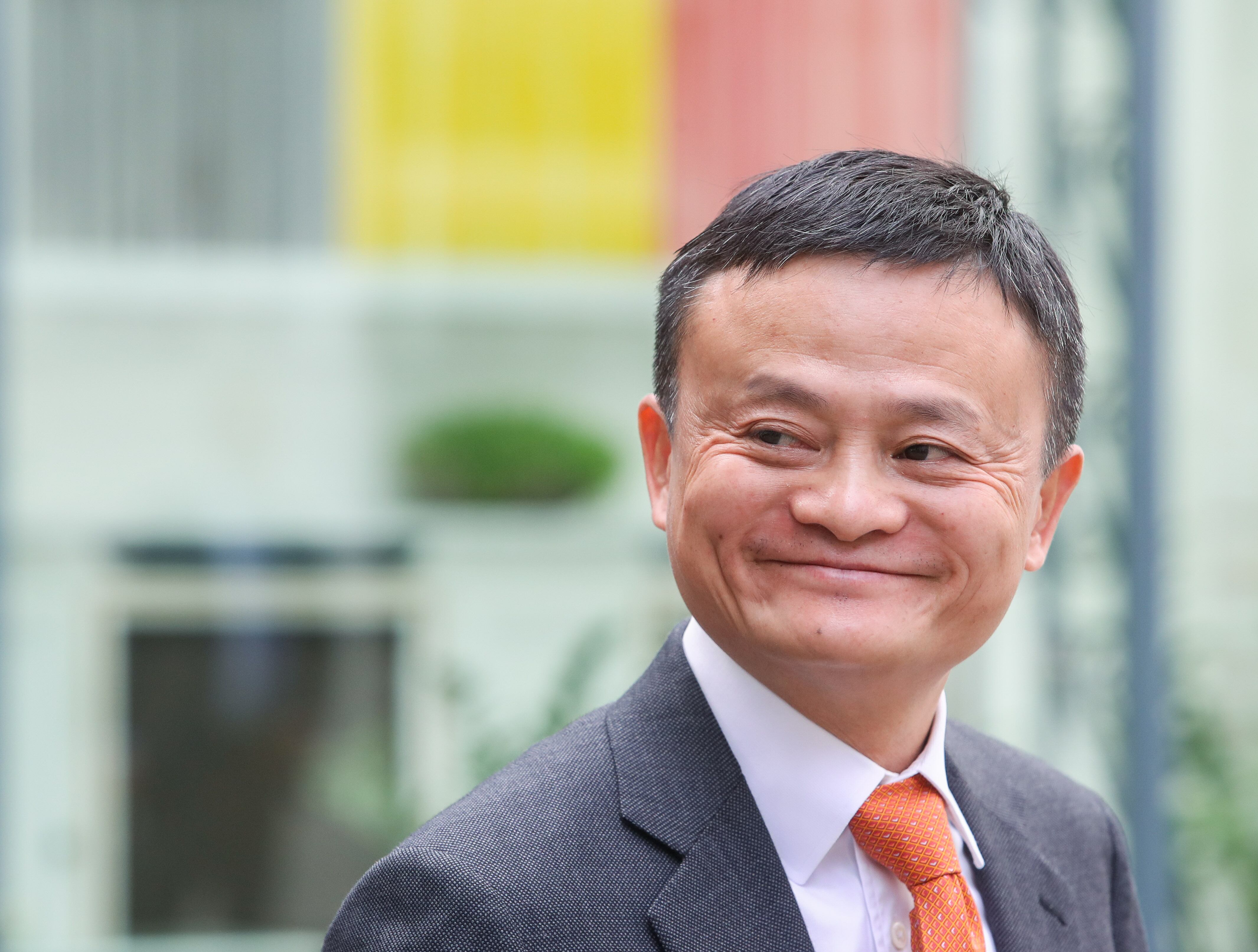
The co-founder of the Chinese e-commerce giant on Monday laid out plans for after his retirement, saying current CEO Daniel Zhang would take over as Executive Chairman. Ma meanwhile will focus on education charities once he steps down.
MasterClass just raised $80 million in funding, which CEO David Rogier said he will use to get more high-profile instructors into its stable. The company already counts offerings from instructors like Judd Apatow, Gordon Ramsey, Steph Curry, among others.