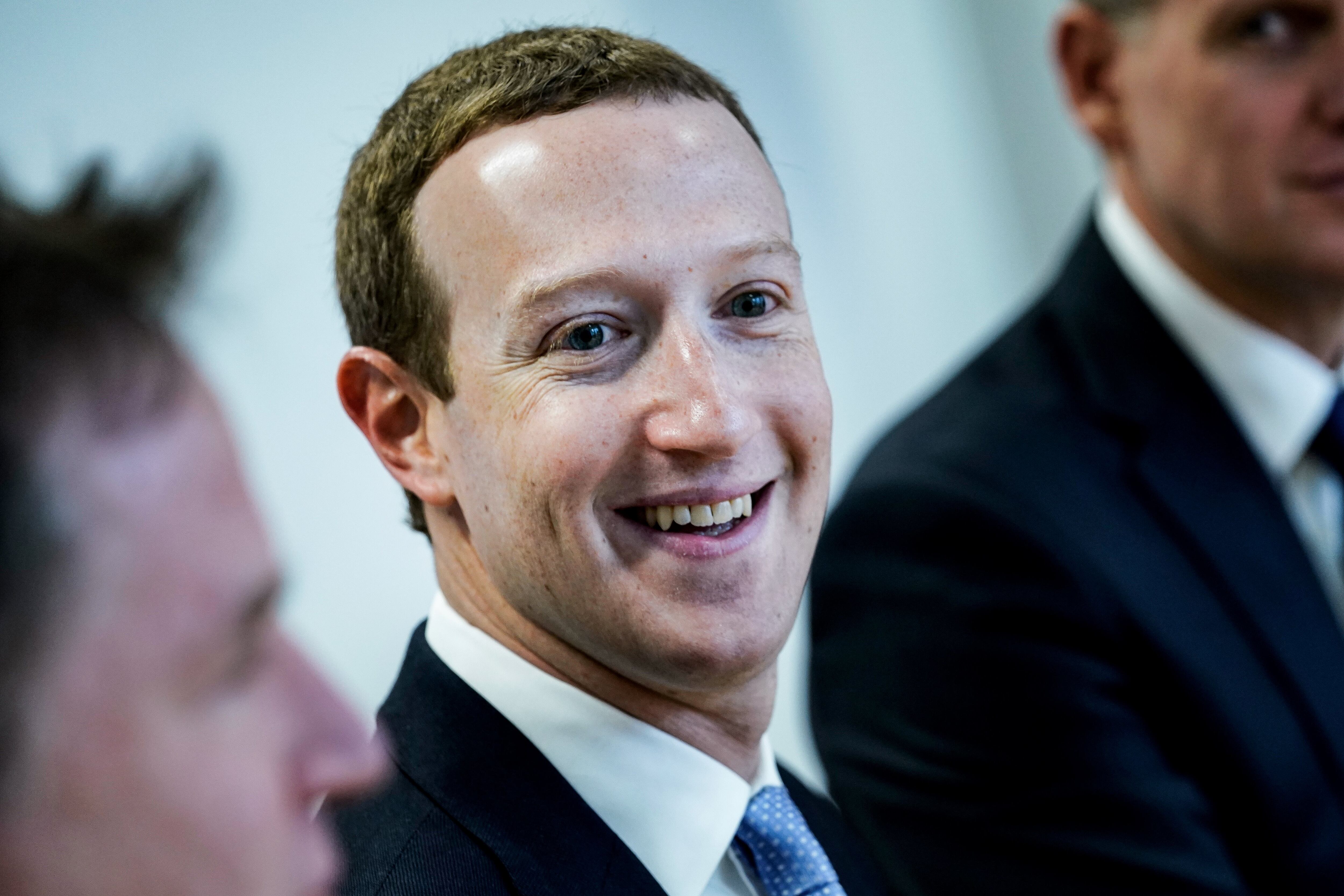
Mark Zuckerberg and his wife Priscilla Chan have donated $25 million through their foundation to a philanthropic effort organized by Bill Gates to explore new coronavirus treatments.
The Gates Foundation donated $50 million last week to what it’s calling the “COVID-19 Therapeutics Accelerator.” The initiative brings together life sciences companies to collaborate on the development of new vaccines, diagnostics, and treatments for COVID-19.
“The Therapeutics Accelerator will enable researchers to quickly determine whether or not existing drugs have a potential benefit against COVID-19,” Chan and Zuckerberg said in a press release. “We hope these coordinated efforts will help stop the spread of COVID-19 as well as provide shared, reusable strategies to respond to future pandemics.”
The two donations are the largest from tech billionaires since the coronavirus outbreak. Wellcome and Mastercard are supporting the effort as well.
The goal of the initiative is to either develop a new drug or adapt an existing treatment that it could help distribute alongside partnering pharmaceutical companies.
The 15 companies participating in the project kicked off the effort by sharing their proprietary libraries of molecular compounds that have some history of being tested with COVID-19.
The lineup includes big names in biotech such as Johnson & Johnson, Merck, Pfizer, Sanofi, and Bristol-Myers Squibb.
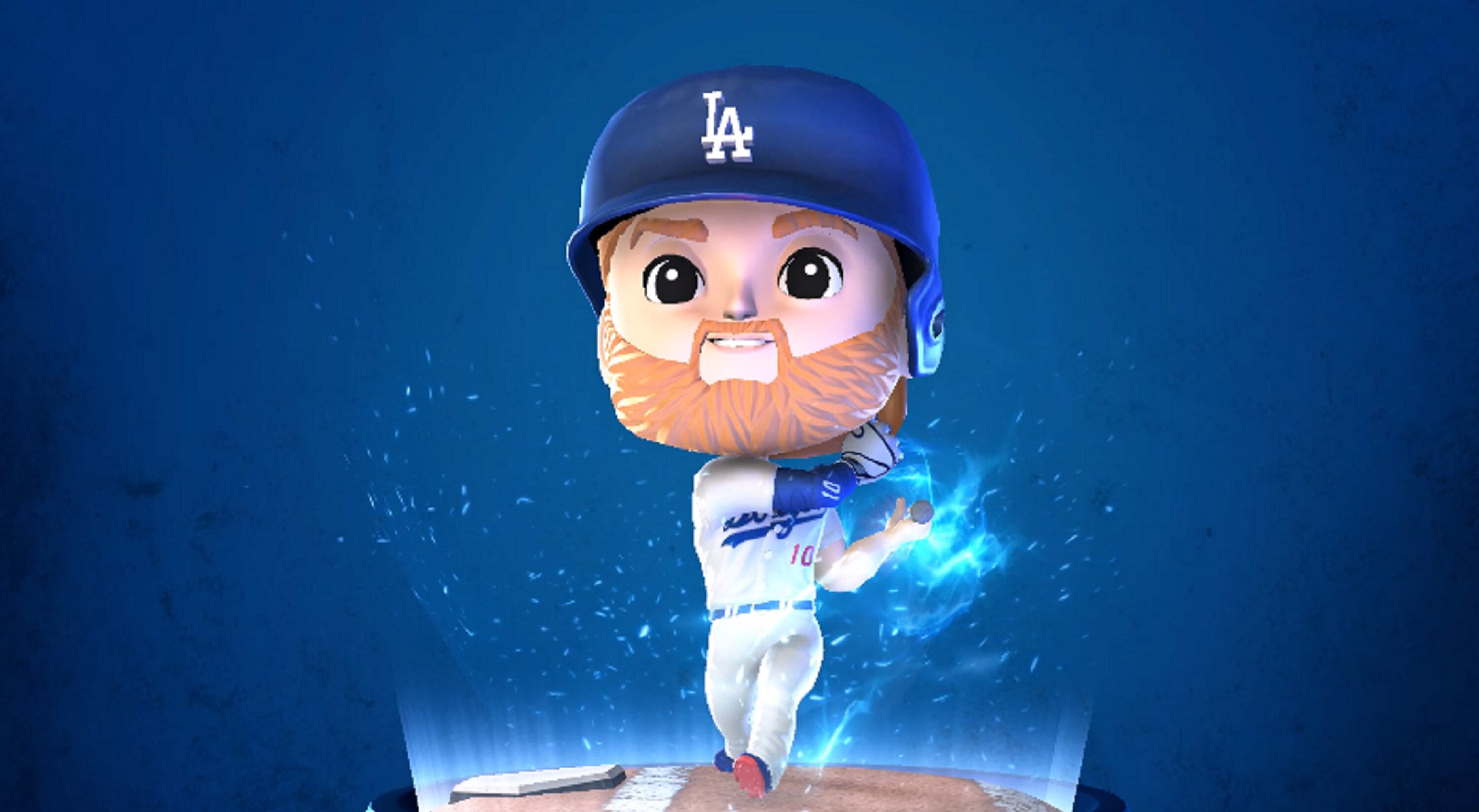
The blockchain has made its way into a slew of industries. Next at bat ー the sports world. The Los Angeles Dodgers are moving away from traditional promotions and have begun using crypto tokens to give away digital bobbleheads to fans. Ralph Esquibel, VP of information technology for the team, said this is the first giveaway of its kind and could lead to more experiments with cryptocurrencies.
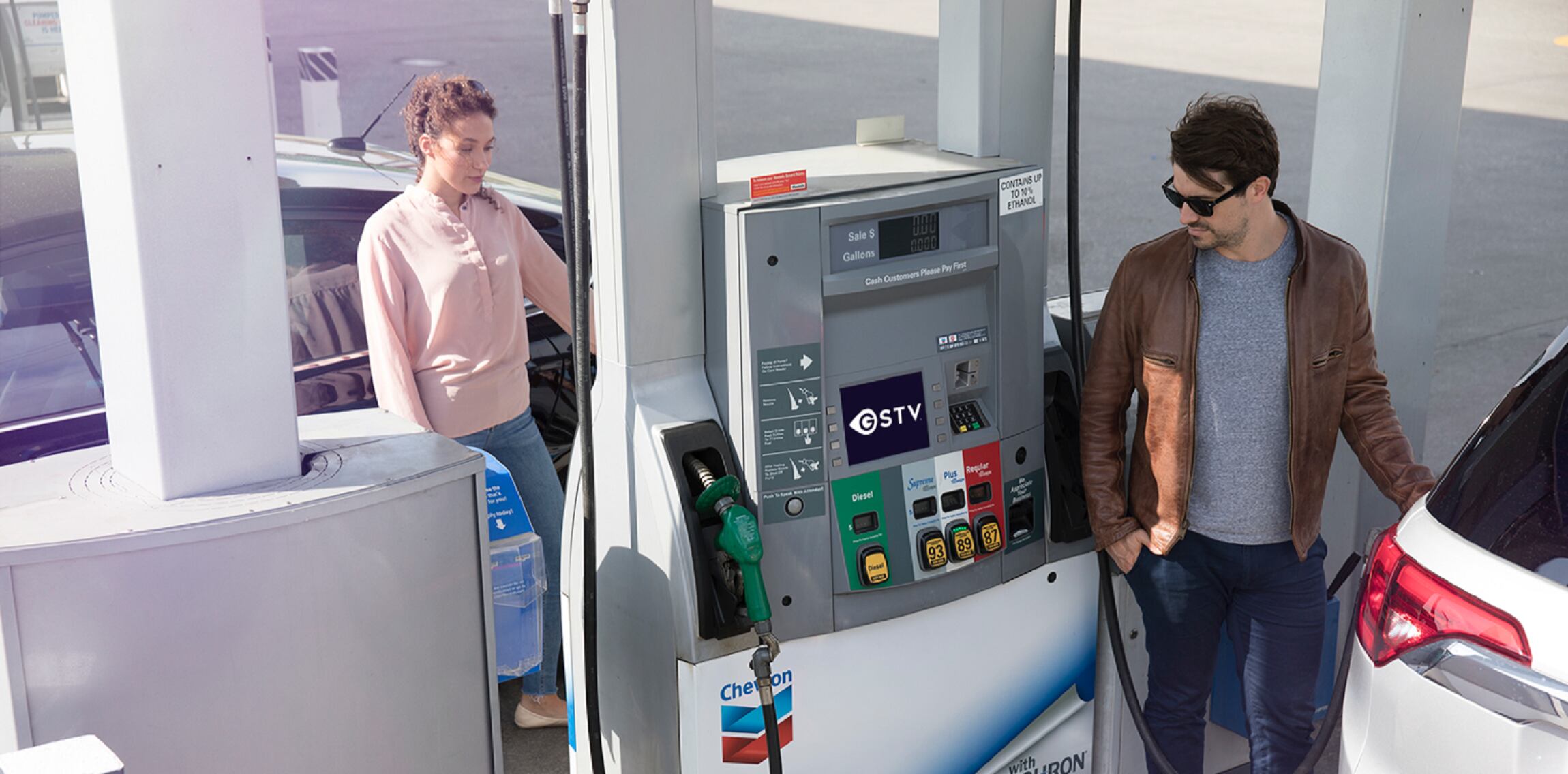
GSTV, which delivers content across thousands of fuel retailers in the U.S., reaches 75 million unique visitors and hopes to reach one in two adults in the next few years. Sean McCaffrey, president and CEO of GSTV, said that the scale of the company is increasing daily.
GSTV recently partner with Cheddar to distribute content through its outlets.
The Canadian cannabis company has seen exponential growth with shares doubling since just mid-August, when Corona-maker Constellation Brands upped its stake with a $4 billion investment. CEO Bruce Linton said interest is now coming from pharma giants, which will rely on companies like Canopy for research, patented technology, and formulas.
Facebook plans to finally unveil its Portal video chat device for the home next week, Cheddar has learned. The device will function similarly to an Amazon Echo Show with social features and come in two screen sizes, according to people familiar the matter. The wide-angle video camera will use artificial intelligence to recognize people in the frame and follow them as they move throughout a room.
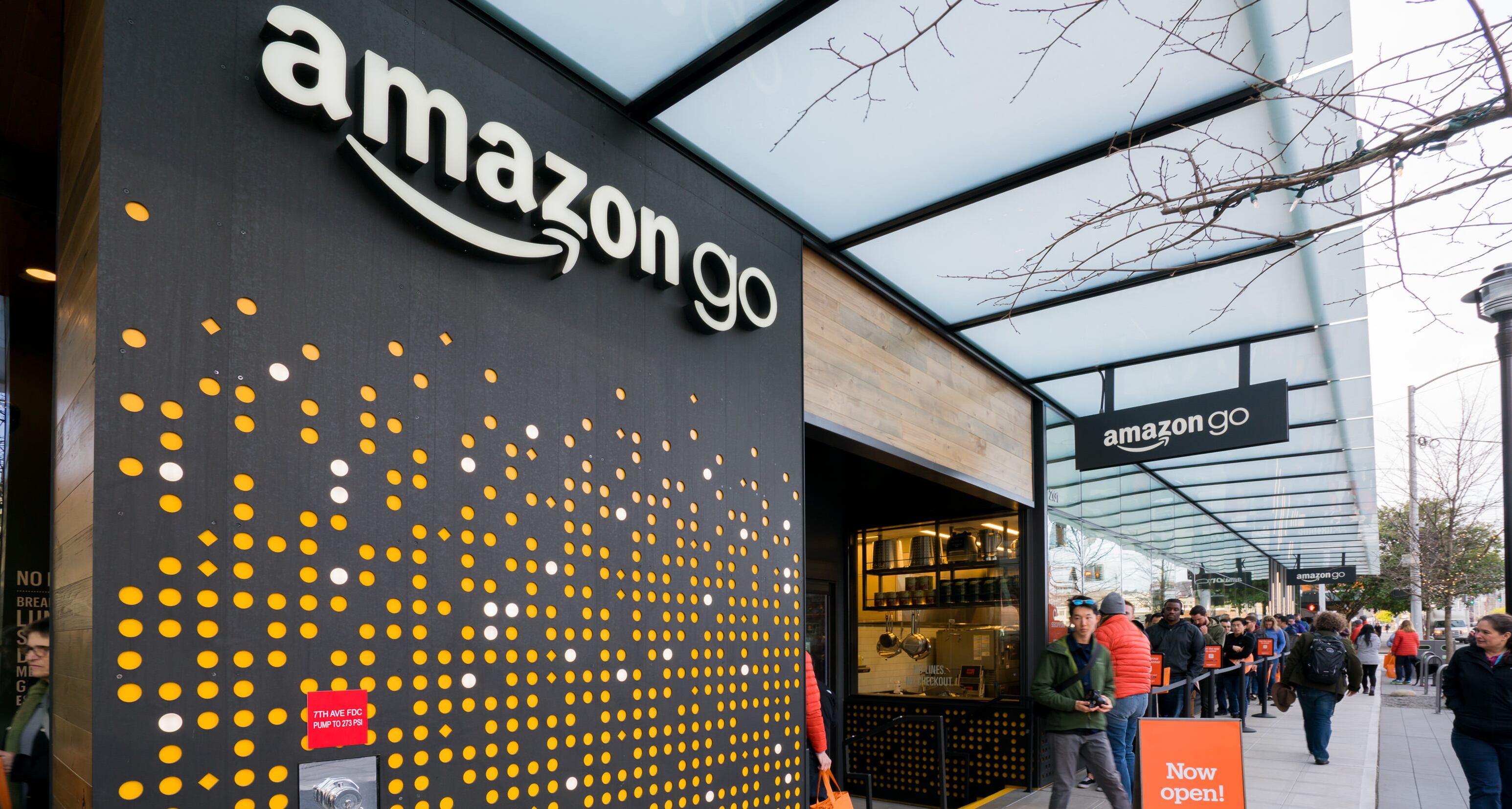
Amazon will get a lot more than 3,000 brick-and-mortar stores when it builds out its cashierless Amazon Go chain.
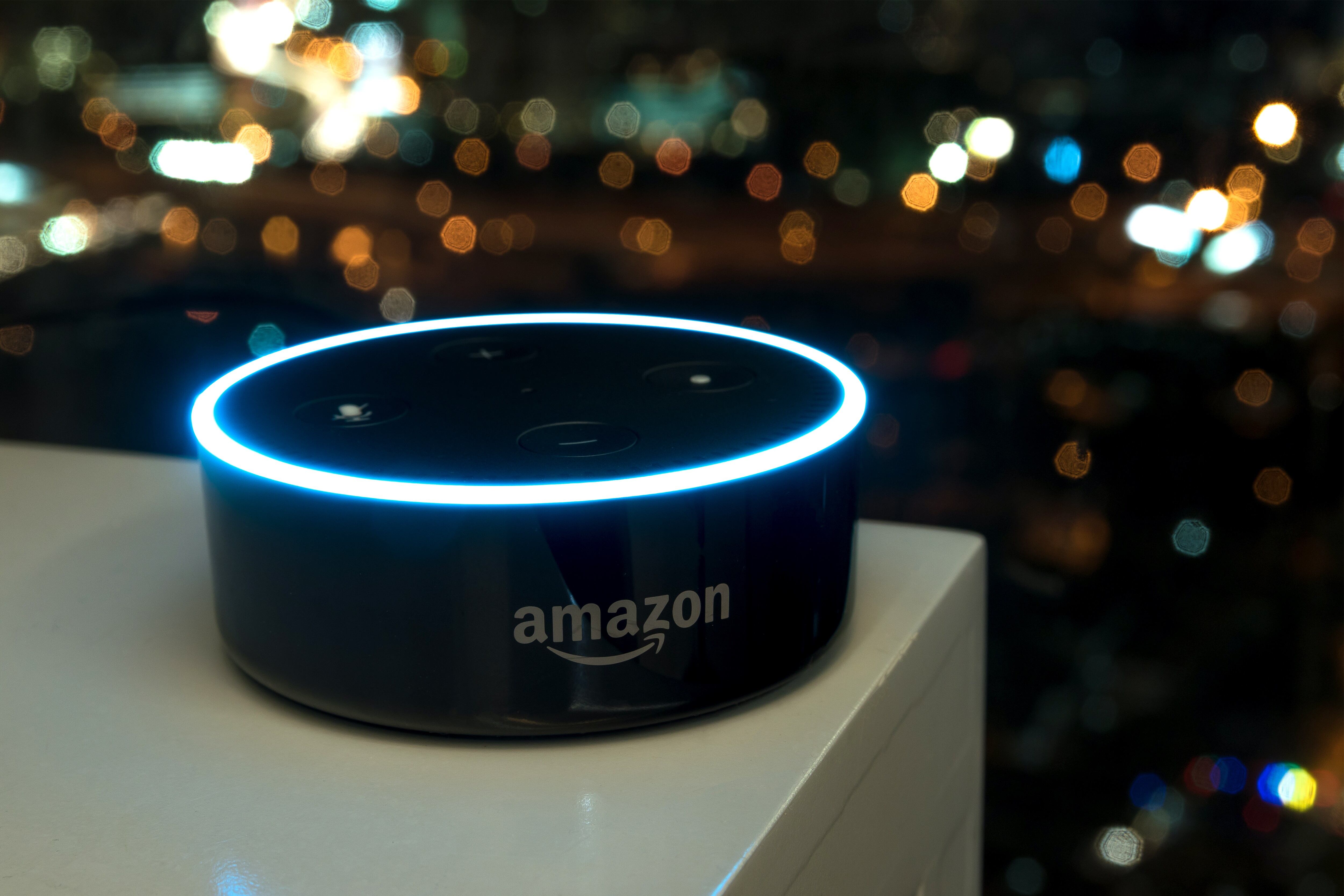
The tech giant announced a slew of new products and software for Alexa-enabled homes, betting that the voice assistant becomes the entryway into the company's ecosystem for many households. Among the new Echo devices: a microwave, a wall clock, and the Echo Auto.
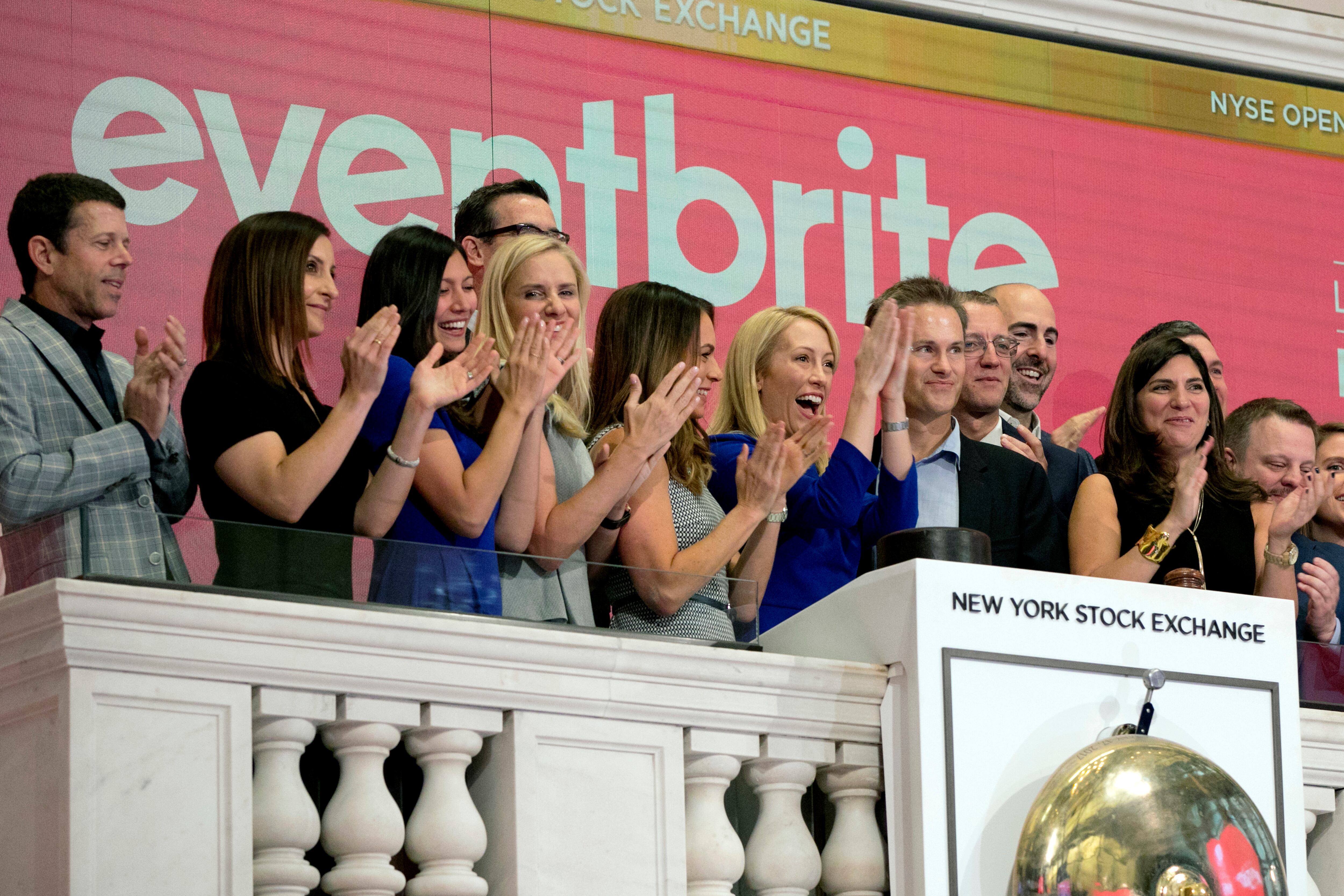
Thursday's IPO, with shares priced at $23 near the high end of its range, implied a valuation of nearly $1.8 billion. By midday, the stock was trading over $37. Julia Hartz, Eventbrite CEO, said the company's relentless focus on the "mid-market" protects it from competition from Ticketmaster or Facebook.
What does crypto have to do with journalism? Civil Media thinks it can be the answer to some of the field's woes, from eroding trust to a collapsing business model. As CEO Matthew Iles explained, the start-up's token sale can help build an infrastructure that will serve as a new economy for newsrooms.
Eventbrite, the online "do-it-yourself" ticketing agency, went public on the NYSE Thursday with shares priced at $23. By midday though, the stock, trading under the ticker EB, was at $37. The company's Chief Brand Officer Brian Irving joined Cheddar to discuss the debut.
The one-time Beatle is back at #1, and he didn't do it solely by selling albums. Austin Powell, managing editor at The Daily Dot, explains how McCartney was able to use the new music economy dominated by Spotify and Apple Music to his advantage.