Mark Zuckerberg and his wife Priscilla Chan have donated $25 million through their foundation to a philanthropic effort organized by Bill Gates to explore new coronavirus treatments.
The Gates Foundation donated $50 million last week to what it’s calling the “COVID-19 Therapeutics Accelerator.” The initiative brings together life sciences companies to collaborate on the development of new vaccines, diagnostics, and treatments for COVID-19.
“The Therapeutics Accelerator will enable researchers to quickly determine whether or not existing drugs have a potential benefit against COVID-19,” Chan and Zuckerberg said in a press release. “We hope these coordinated efforts will help stop the spread of COVID-19 as well as provide shared, reusable strategies to respond to future pandemics.”
The two donations are the largest from tech billionaires since the coronavirus outbreak. Wellcome and Mastercard are supporting the effort as well.
The goal of the initiative is to either develop a new drug or adapt an existing treatment that it could help distribute alongside partnering pharmaceutical companies.
The 15 companies participating in the project kicked off the effort by sharing their proprietary libraries of molecular compounds that have some history of being tested with COVID-19.
The lineup includes big names in biotech such as Johnson & Johnson, Merck, Pfizer, Sanofi, and Bristol-Myers Squibb.
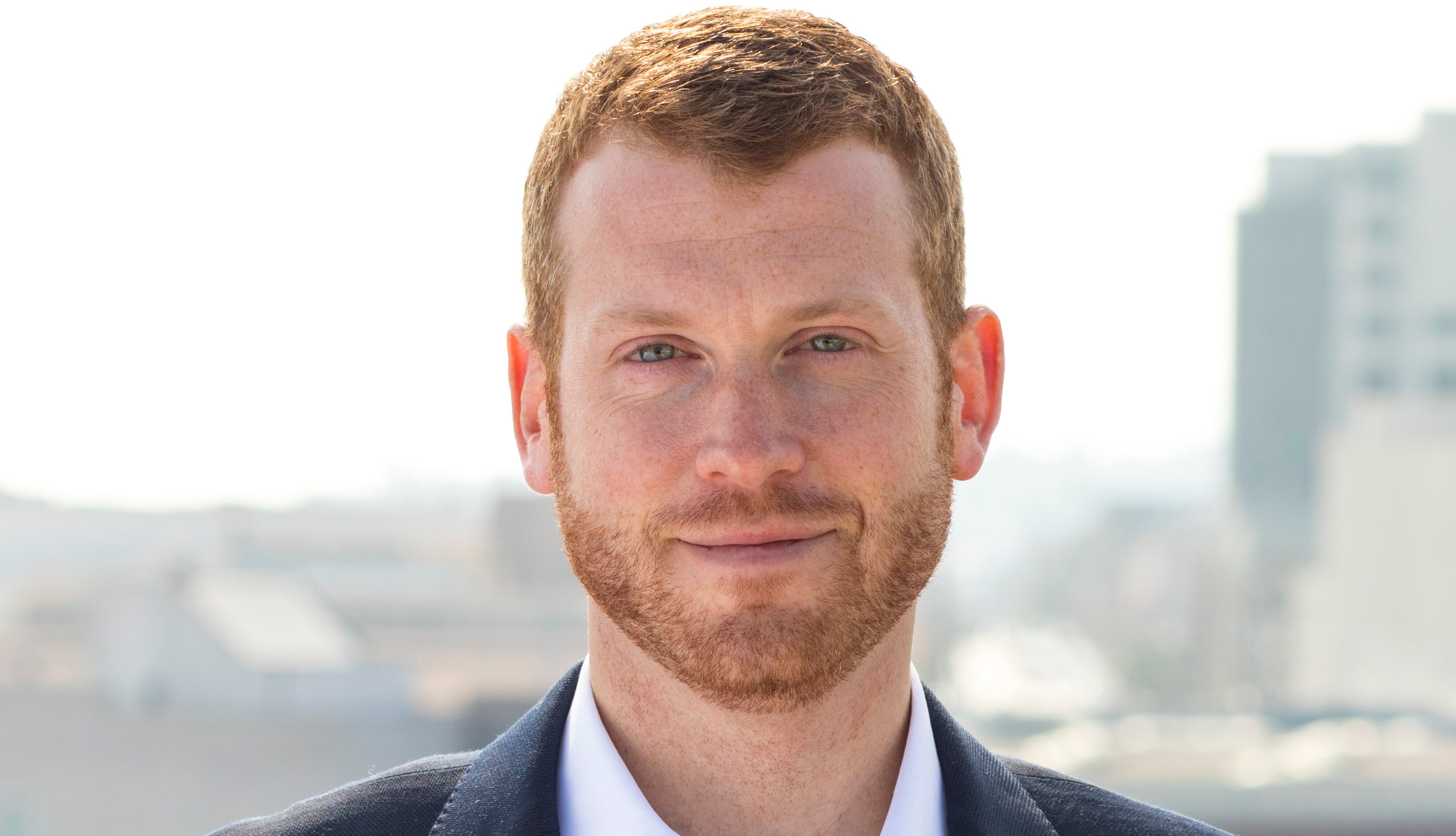
The Twitter Esports Business Summit ran from Oct. 1-3, and it held its focus on the growing market of esports and how Twitter fits into the business. Rishi Chadha, head of gaming content partnerships at Twitter, said the company is focusing on the communities that foster players and fans, as well as publishers and developers of different platforms.
Upwork, whose stock debuted on the Nasdaq Wednesday, helps connect freelancers in smaller markets who might be at a disadvantage to those in New York or San Francisco. CEO Stephane Kasriel said that by 2027, as much as 50 percent of the workforce could be doing some sort of freelance work.
After Facebook said that 50 million accounts were compromised in the latest privacy breach of the social network, users are starting to wise up about what they share with the company, said Mark Scott, chief technology correspondent at Politico.
Microsoft's fall Surface event on Tuesday came with a surprise: headphones. The company's newly announced Surface Headphones represent the first audio device in the Surface lineup. Hope King got a chance to try them out firsthand.
Honda is making a big investment in autonomous cars, with $2.75 billion going to GM's self-driving car company Cruise over the next 12 years. Kyle Vogt, CEO of Cruise, said this investment propels the technology forward and makes autonomous vehicles a possibility much sooner.
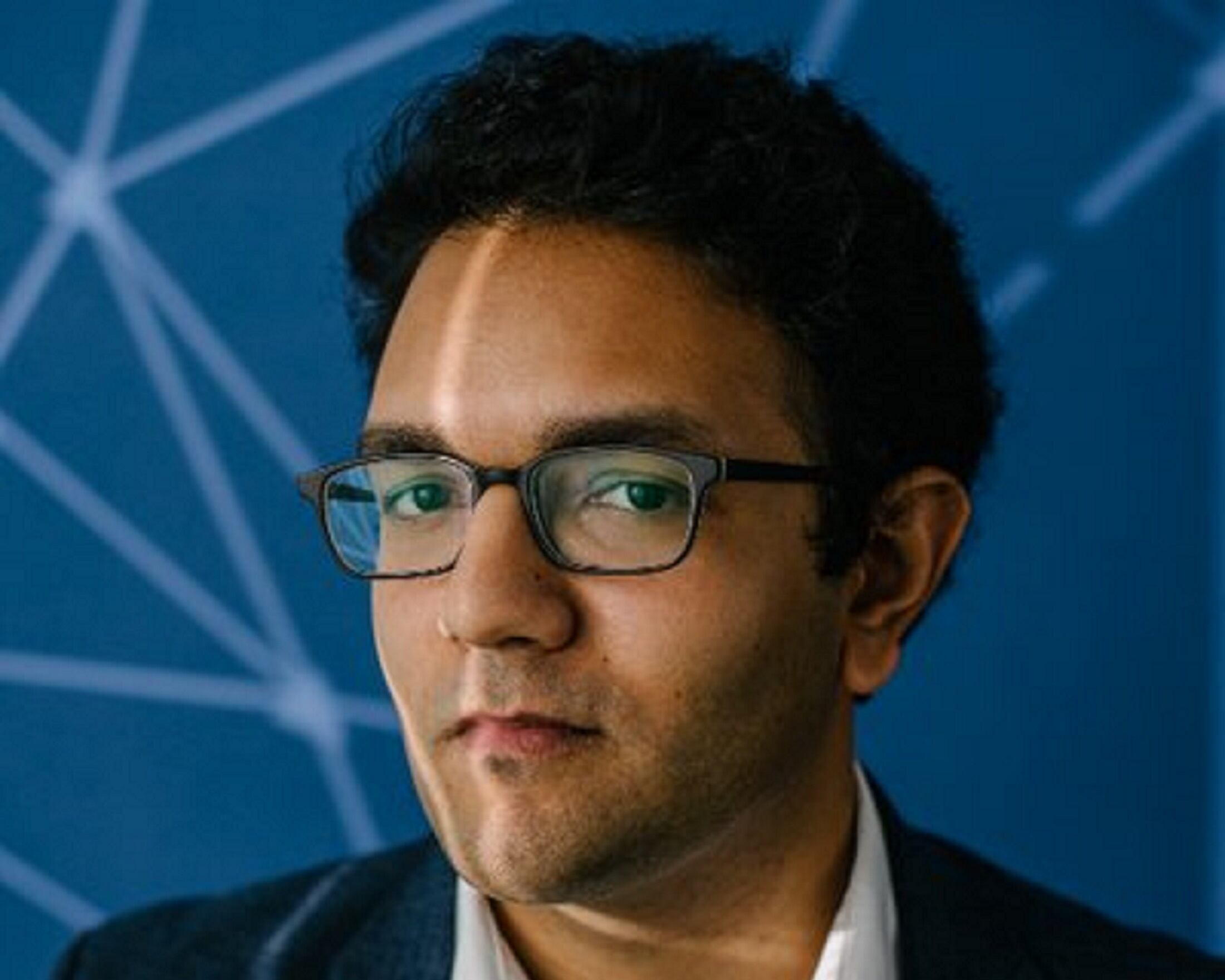
Dipayan Ghosh, fellow at the Shorenstein Center and a former adviser to both Facebook and the Obama White House, said that big tech has been ignoring "the little guy" for a long time and putting tech users and their privacy at risk.
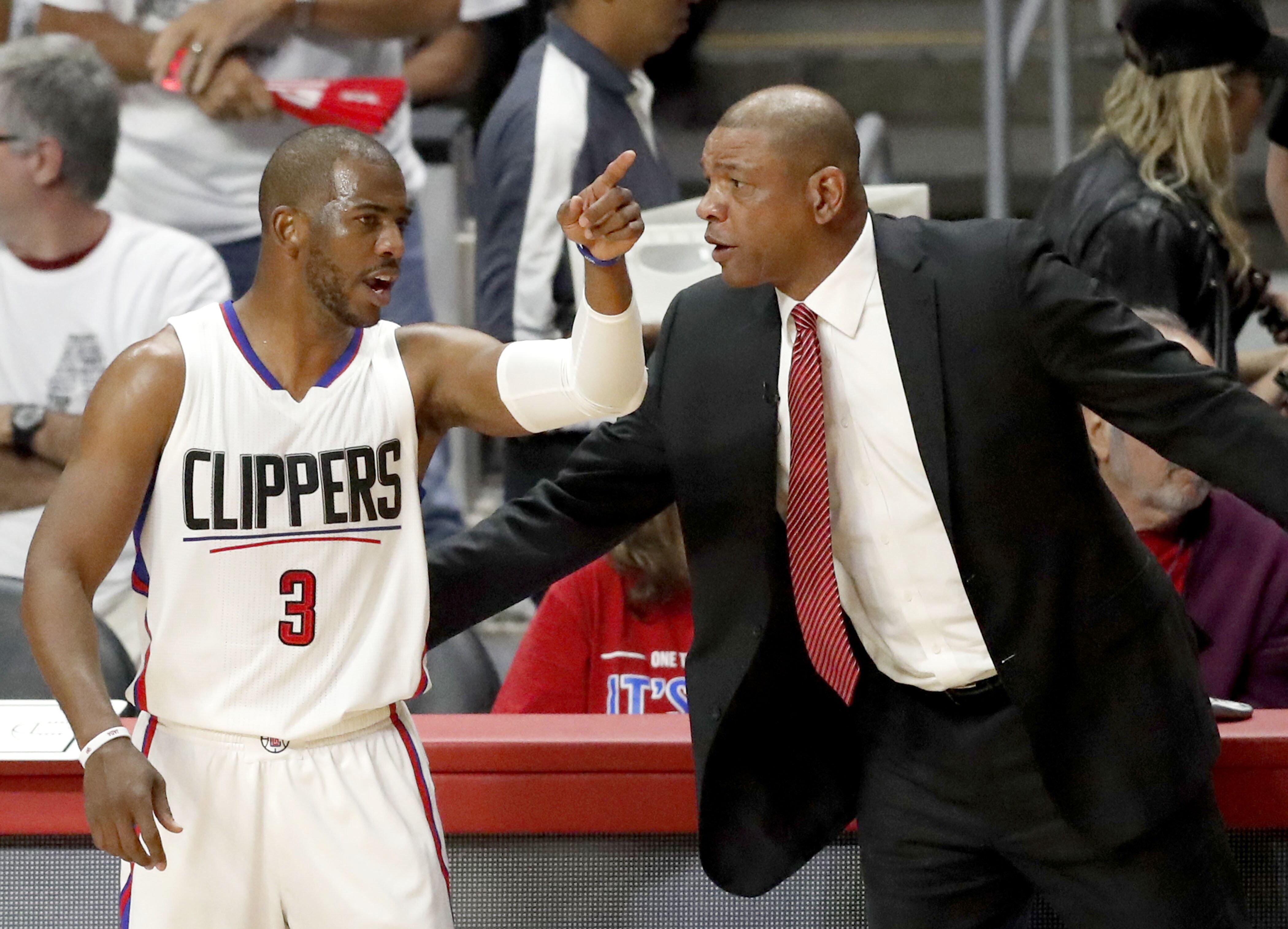
The team became the first in the NBA to introduce GIFs for the Facebook platform. Sandro Gasparro, director of social media for the Los Angeles Clippers, told Cheddar it's not just another way to promote engagement, but can also connect fans to players on a more personal level.
Cargo, a start-up that lets rideshare drivers sell convenience store items to passengers from their vehicles, recently raised $22 million after closing an exclusive partnership with Uber. Jeff Cripe, founder and CEO of Cargo, said the deal with Uber doesn't preclude drivers from using the service if they drive for Lyft, Via, or others.
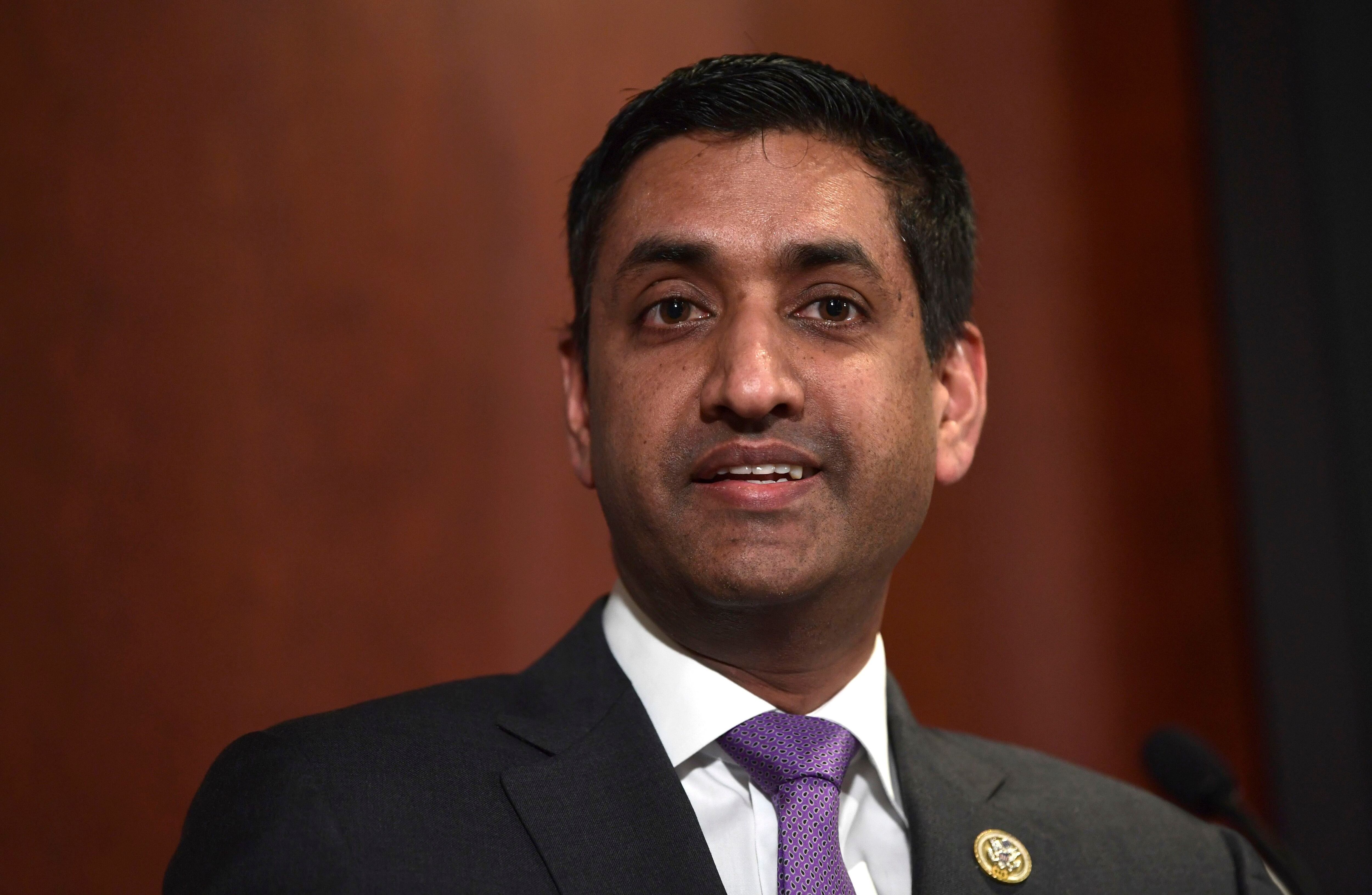
On Tuesday, Amazon announced that it will be raising its minimum wage to $15 an hour. The news comes after months of criticism and even proposed legislation spearheaded by Sen. Bernie Sanders (I-VT) and Rep. Ro Khanna (D-CA). The "Stop BEZOS" Act introduced in the Senate in September would require corporations like Amazon to contribute to the cost of social services for its employees. Khanna was sponsoring a version in the House. He said he commends Amazon CEO Jeff Bezos and believes this move will propel other corporations in the same direction.
Ripple CEO Brad Garlinghouse says he's not focused on the day to day price movements of his crypto. "XRP is the most efficient digital asset to solve a payments problem," he said.