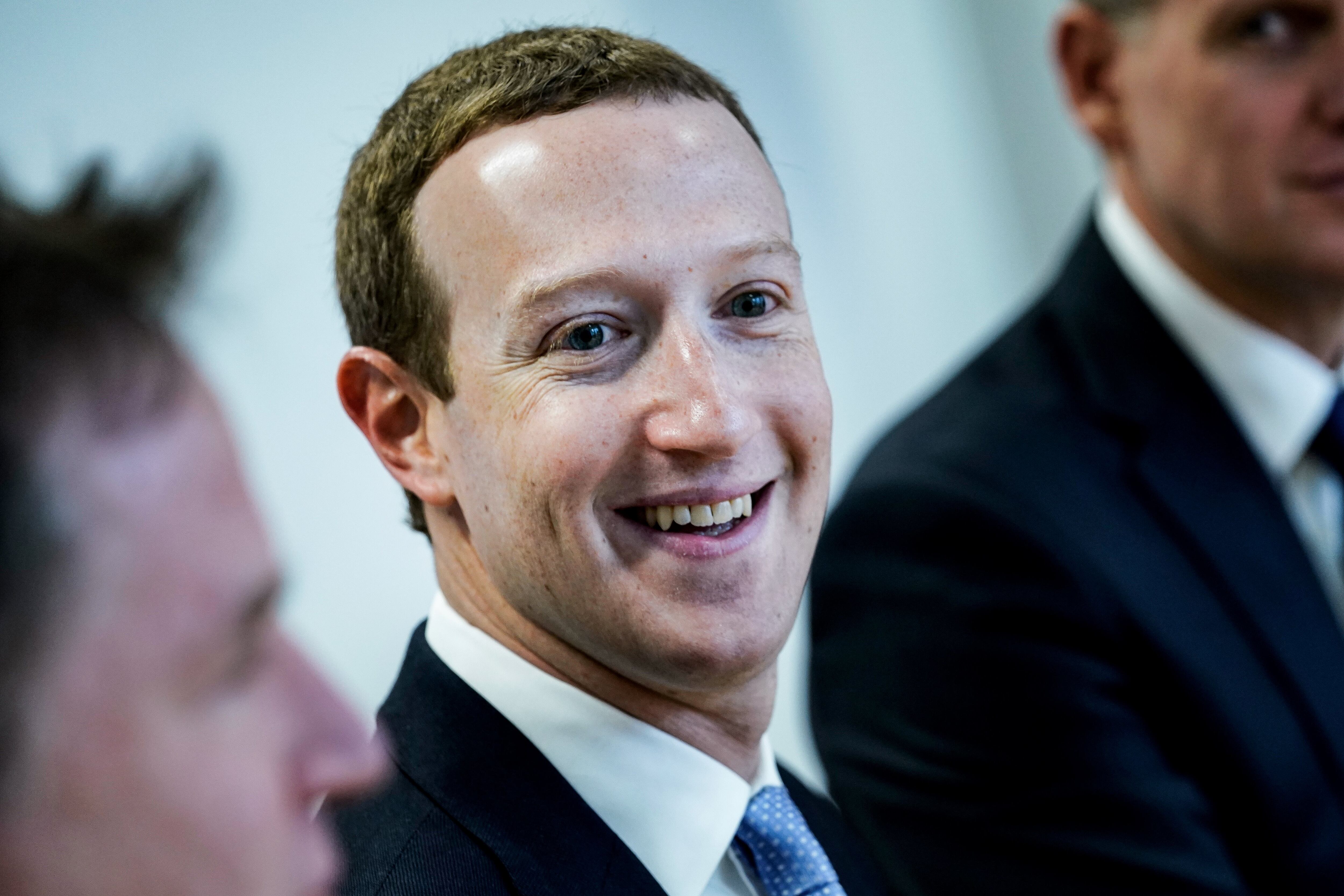
Mark Zuckerberg and his wife Priscilla Chan have donated $25 million through their foundation to a philanthropic effort organized by Bill Gates to explore new coronavirus treatments.
The Gates Foundation donated $50 million last week to what it’s calling the “COVID-19 Therapeutics Accelerator.” The initiative brings together life sciences companies to collaborate on the development of new vaccines, diagnostics, and treatments for COVID-19.
“The Therapeutics Accelerator will enable researchers to quickly determine whether or not existing drugs have a potential benefit against COVID-19,” Chan and Zuckerberg said in a press release. “We hope these coordinated efforts will help stop the spread of COVID-19 as well as provide shared, reusable strategies to respond to future pandemics.”
The two donations are the largest from tech billionaires since the coronavirus outbreak. Wellcome and Mastercard are supporting the effort as well.
The goal of the initiative is to either develop a new drug or adapt an existing treatment that it could help distribute alongside partnering pharmaceutical companies.
The 15 companies participating in the project kicked off the effort by sharing their proprietary libraries of molecular compounds that have some history of being tested with COVID-19.
The lineup includes big names in biotech such as Johnson & Johnson, Merck, Pfizer, Sanofi, and Bristol-Myers Squibb.
The tech giant made its decision after reports that the data of about a half million users of Google+ had been exposed. The company reportedly chose not to disclose the bug for fear of repercussions. Google said there was no evidence the information was misused.
Acclaimed music producer, DJ, and entrepreneur Steve Aoki is dipping his toe into comic books. At New York Comic Con Aoki debuted 'Neon Future,' his comic debut.
With sites like Priceline, Kayak, and Travelocity helping consumers find cheaper flights in-the-moment, Hopper is going one step further, letting customers know when to wait to buy an airline ticket by predicting when prices will go down. With a new round of funding, Hopper is going all in on artificial intelligence technology, helping consumers find the cheapest flights possible, said Dakota Smith, the company's head of growth and business.
These are the headlines you Need 2 Know.
Facebook has announced Portal and Portal+, two video chat devices for the home that are geared towards video calling. Priced at $199 and $349, they feature A.I. technology that can automatically follow a person as they move throughout a room.
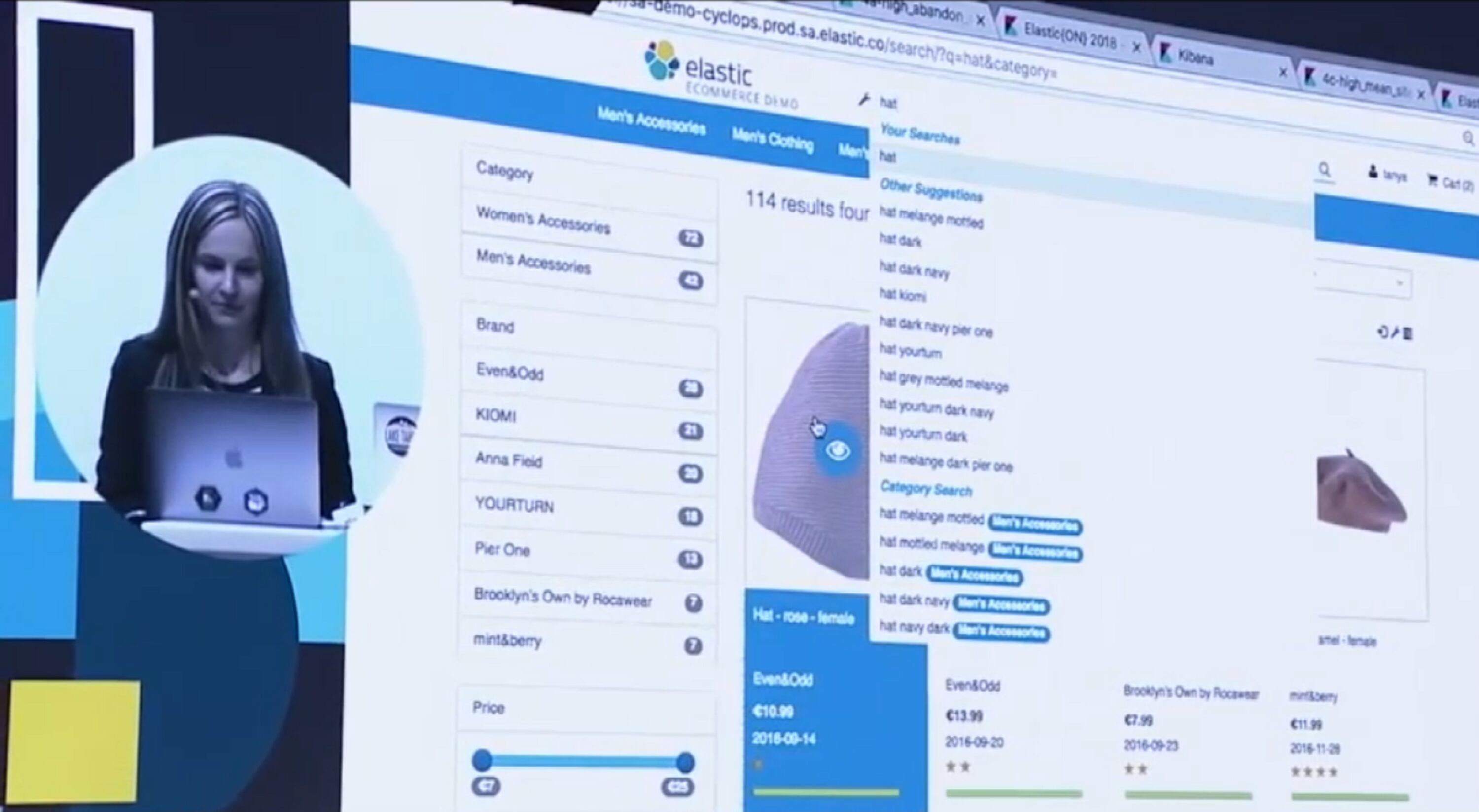
Elastic, a company that provides data services for Uber and Tinder, went public on the NYSE on Friday. The stock rose as much as 104 percent before settling at $70. CEO Shay Banon said he didn't take the company public in order to raise money but to mark the maturity of the company.
Elon Musk's infamous "funding secured" tweet spawned a now-settled SEC lawsuit, but will his latest "Shortseller Enrichment Commission" one open it back up? Elizabeth Lopatto, deputy editor at The Verge, said the Tesla CEO doesn't seem to want to give up his Twitter fingers just yet, but that could hurt the company in the long run.
If Nike's Colin Kaepernick ad taught us anything, it might have been that ads are getting more political. And Stacy Minero, Twitter's head of content strategy, said one of the reasons the ads get such traction on the platform is that "Twitter has the most valuable audience when they're most receptive."
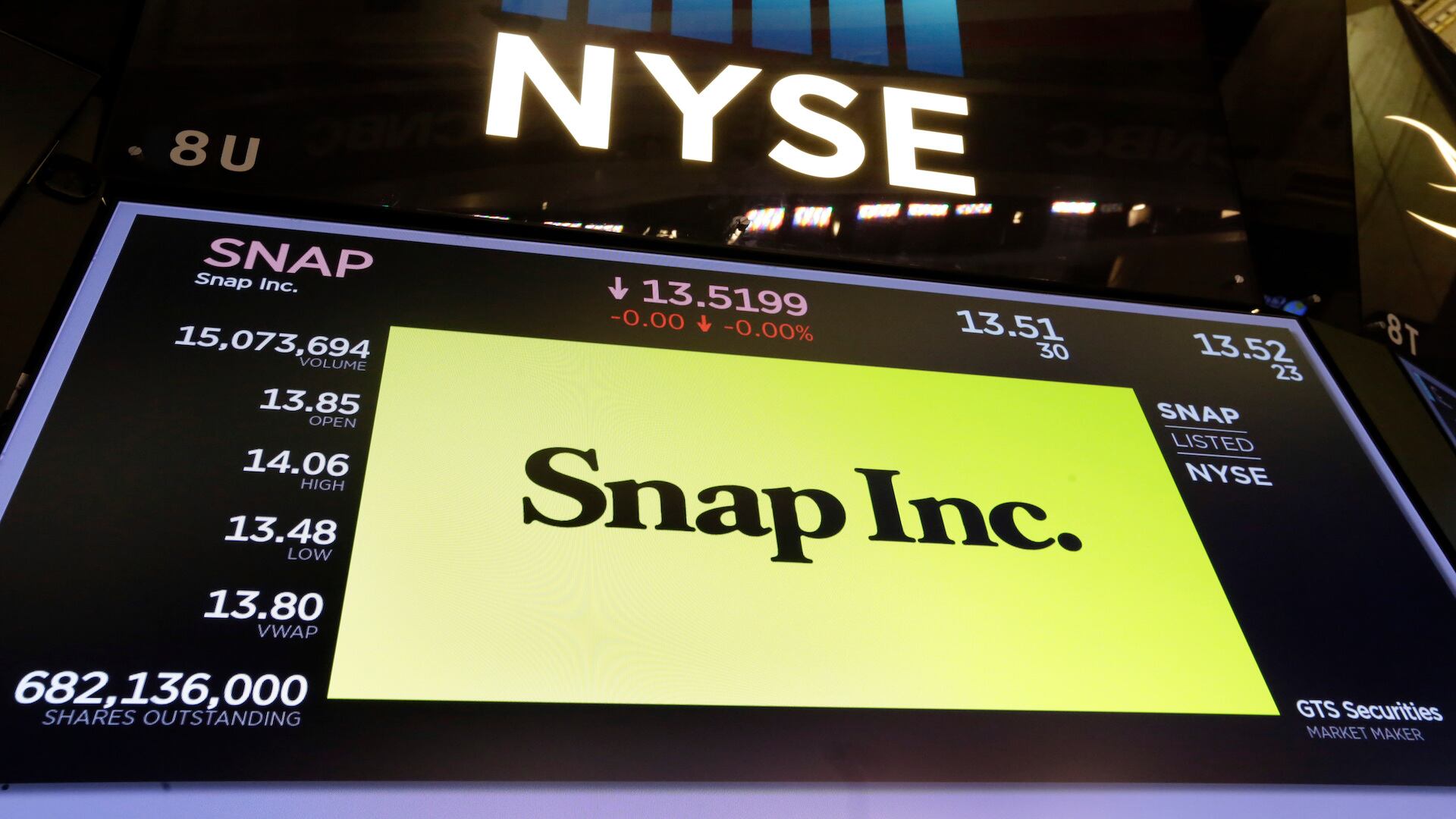
Snap’s Vice President of Marketing, Steve LaBella, is leaving the company, Cheddar has learned. His departure comes as CEO Evan Spiegel has tasked the company with developing a new marketing and communications strategy to help reignite growth.
The newly-launched game uses AR to help fans immerse in the worlds of the hit AMC show even when new episodes aren't airing. Clayton Neuman, VP of games and entertainment at AMC Networks, told Cheddar, "Gaming is an ever-evolving field, and there is always going to be a place for more."