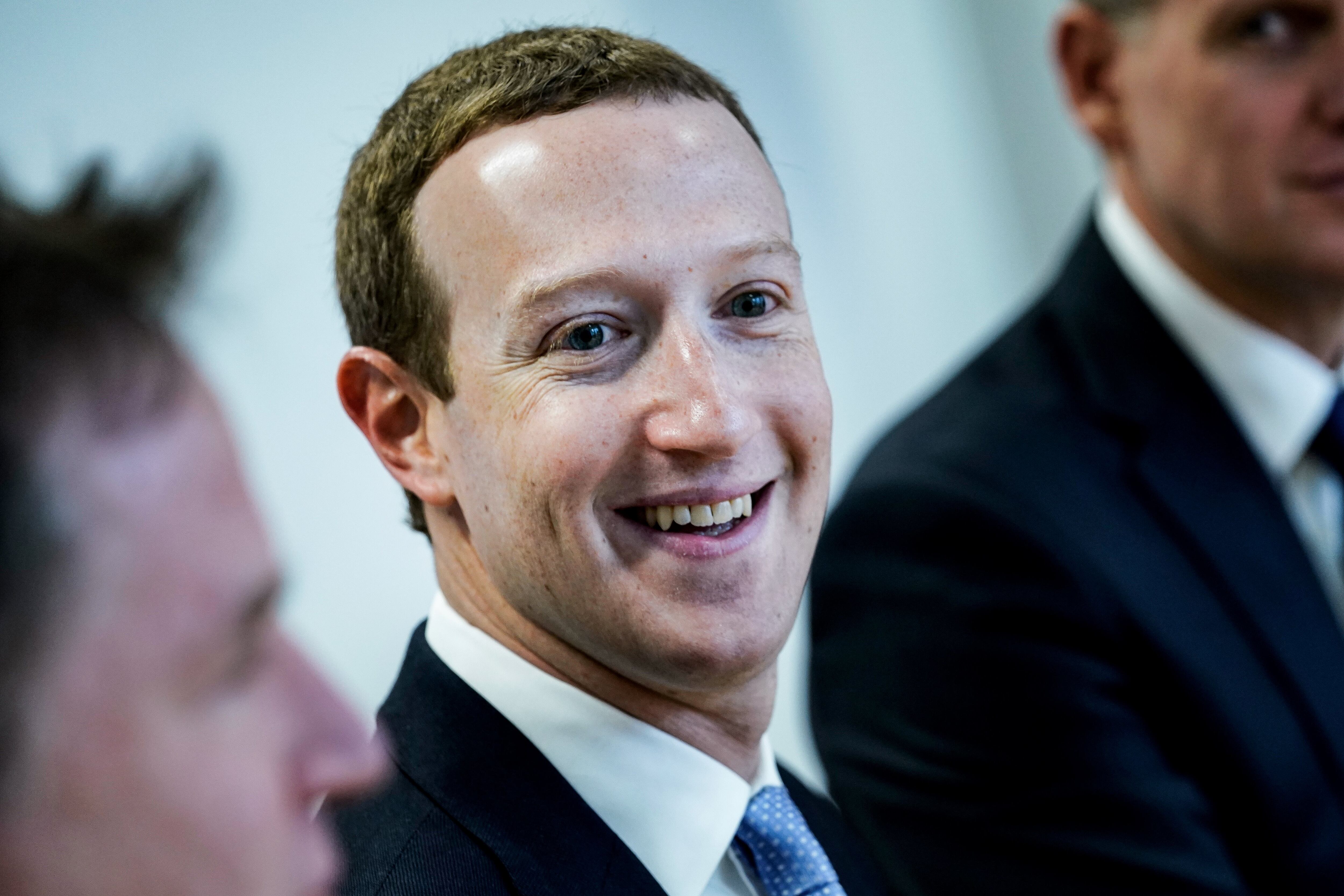
Mark Zuckerberg and his wife Priscilla Chan have donated $25 million through their foundation to a philanthropic effort organized by Bill Gates to explore new coronavirus treatments.
The Gates Foundation donated $50 million last week to what it’s calling the “COVID-19 Therapeutics Accelerator.” The initiative brings together life sciences companies to collaborate on the development of new vaccines, diagnostics, and treatments for COVID-19.
“The Therapeutics Accelerator will enable researchers to quickly determine whether or not existing drugs have a potential benefit against COVID-19,” Chan and Zuckerberg said in a press release. “We hope these coordinated efforts will help stop the spread of COVID-19 as well as provide shared, reusable strategies to respond to future pandemics.”
The two donations are the largest from tech billionaires since the coronavirus outbreak. Wellcome and Mastercard are supporting the effort as well.
The goal of the initiative is to either develop a new drug or adapt an existing treatment that it could help distribute alongside partnering pharmaceutical companies.
The 15 companies participating in the project kicked off the effort by sharing their proprietary libraries of molecular compounds that have some history of being tested with COVID-19.
The lineup includes big names in biotech such as Johnson & Johnson, Merck, Pfizer, Sanofi, and Bristol-Myers Squibb.
Michael Simon, staff writer at PC World, ticked through all the rumors about what will be unveiled at the Apple product event on Oct. 30.
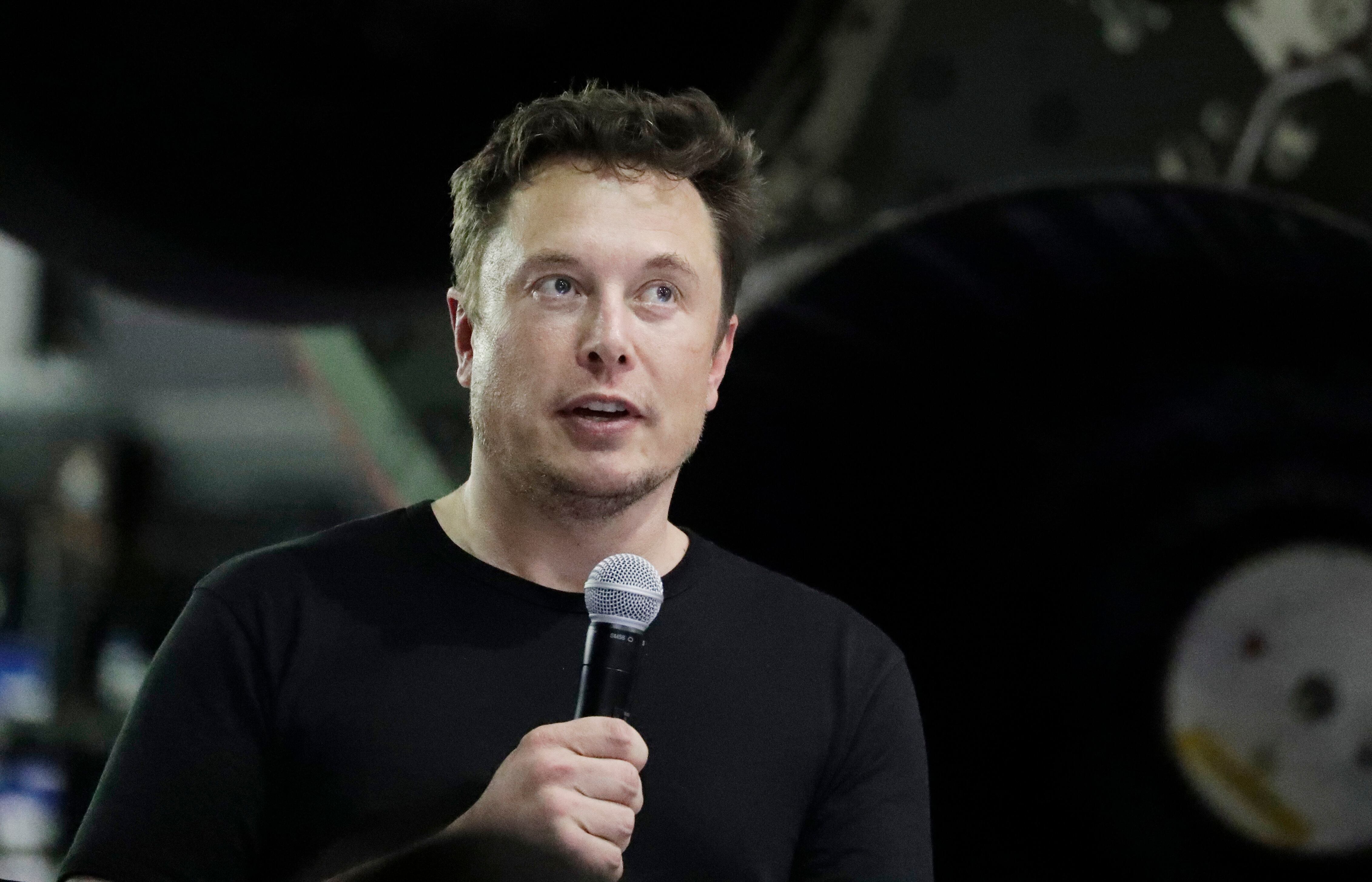
The new version costs $45,000 but is closer to $31,000 when factoring in incentives and gas savings, Musk said.
Hero CEO Kal Vepuri came up with the idea for his company when he began taking care of his ill mother. The company now counts among its investors former NBA Commissioner David Stern, private equity investor Alan Patricof, and ClassPass CEO Fritz Lanman.
Deepa Seetharaman, tech reporter for the Wall Street Journal, said the company is still unsure of who's responsible for the most recent hack, in which 30 million user accounts were compromised. And perhaps more importantly, it still doesn't know where all the data went.
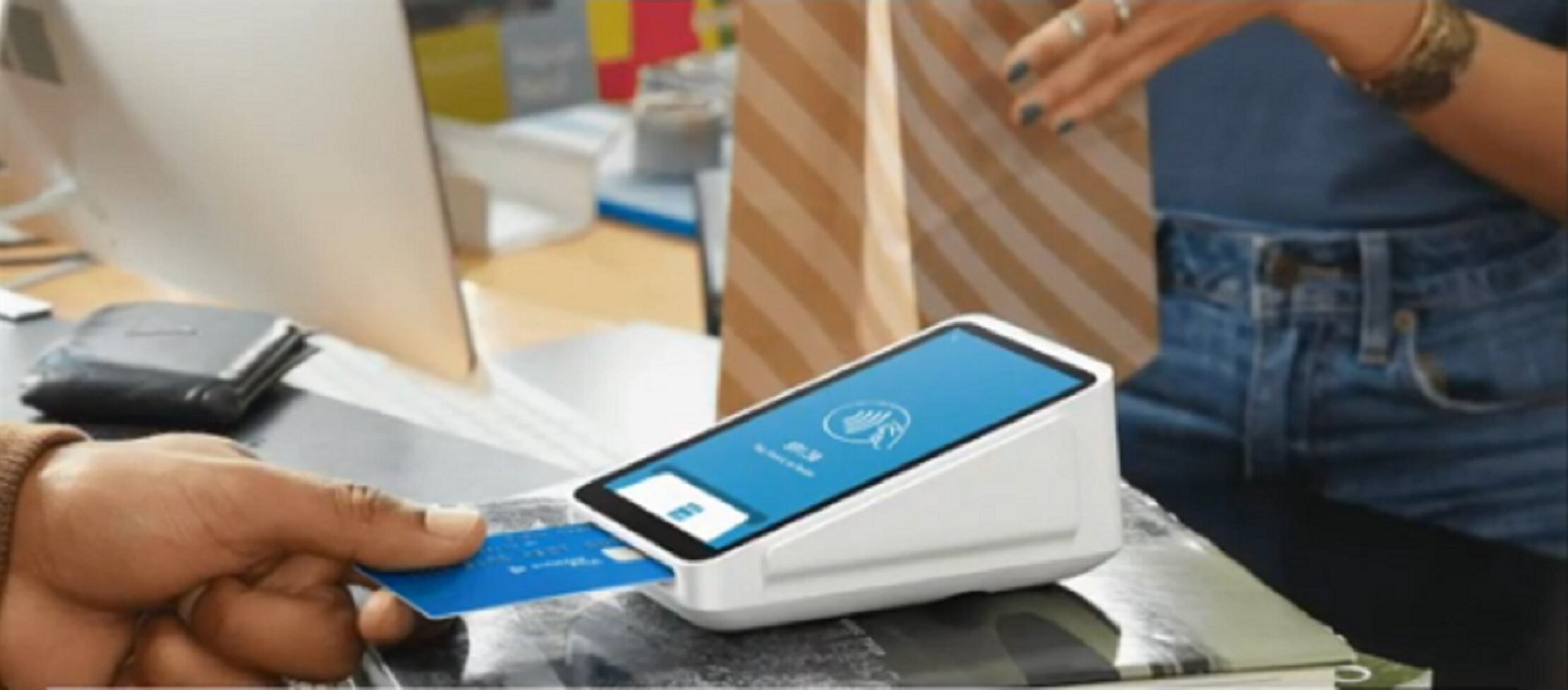
Jesse Dorogusker, the company's Hardware Lead, said the new device fits the mission to meet the needs of a broader array of vendors. The launch comes about a week after CFO Sarah Friar said she was leaving the company to become CEO of social networking site Nextdoor.
JT Genter, senior points and miles writer at The Points Guy, strapped in for the newly-revived, 18-hour direct flight between Singapore and Newark, NJ, on Singapore Airlines. He told us how he coped with what is now the longest flight in the world.
The economic opportunity for bitcoin has breathed new life into a previously retired aluminum plant in Massena, New York. Cheddar visited Coinmint to get a look inside one of the world's largest bitcoin mining operations.
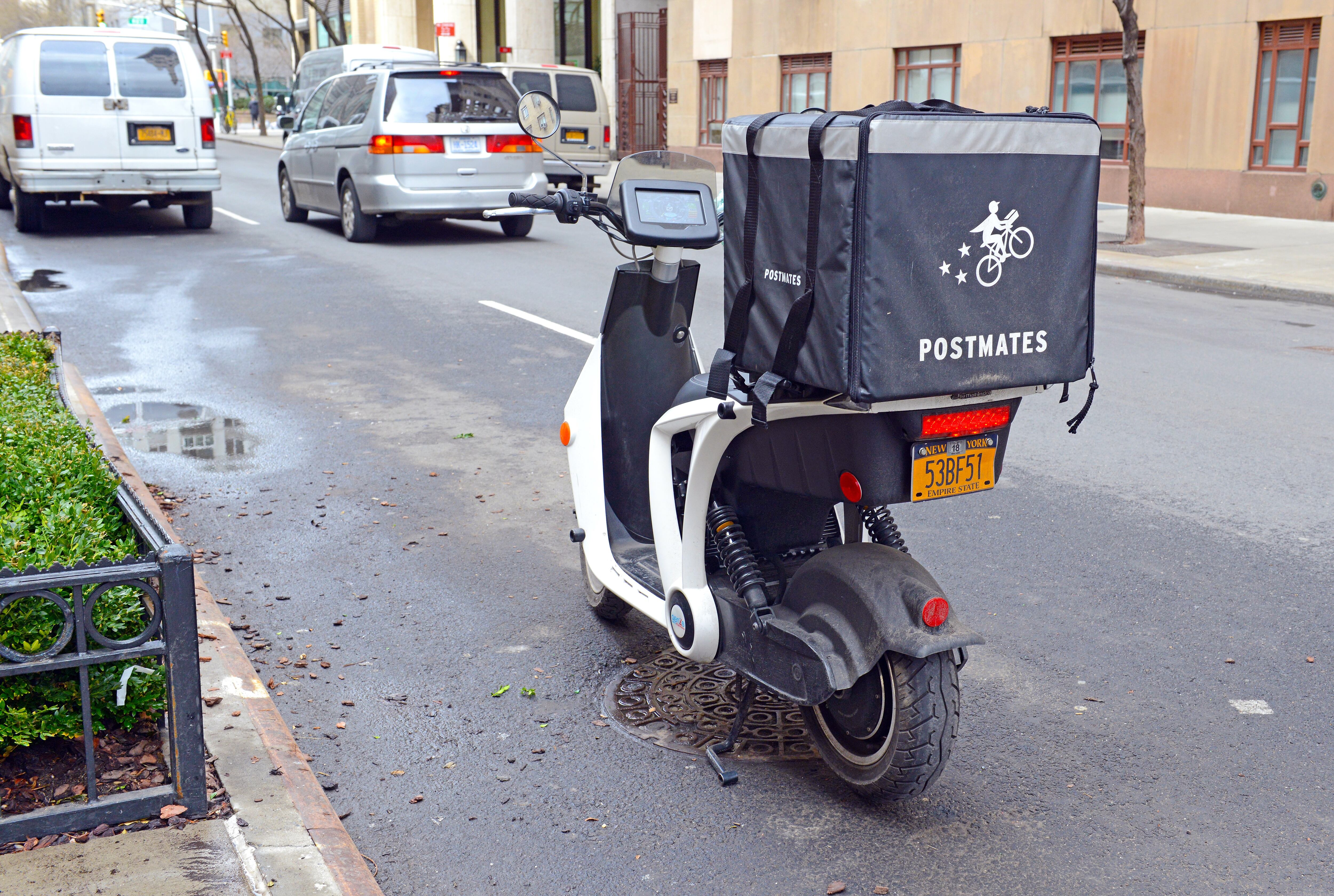
Popular courier service Postmates is interviewing banks with the intention of going public in early 2019, according to the Wall Street Journal's Maureen Farrell. It's part of a changing dynamic, where red-hot tech companies are now racing to market, rather than waiting.
The worst data breach in Facebook's history was likely done by spammers, not a foreign state, according to a report. Whether that's any comfort to the tens of millions of people whose personal information ー including names, emails, religious affiliations, and locations ー was accessed in the wide-ranging attack remains to be seen.
Michael Pachter, managing director of equity research at Wedbush Securities, isn't buying into the Netflix hype even after the good Q3 earnings.