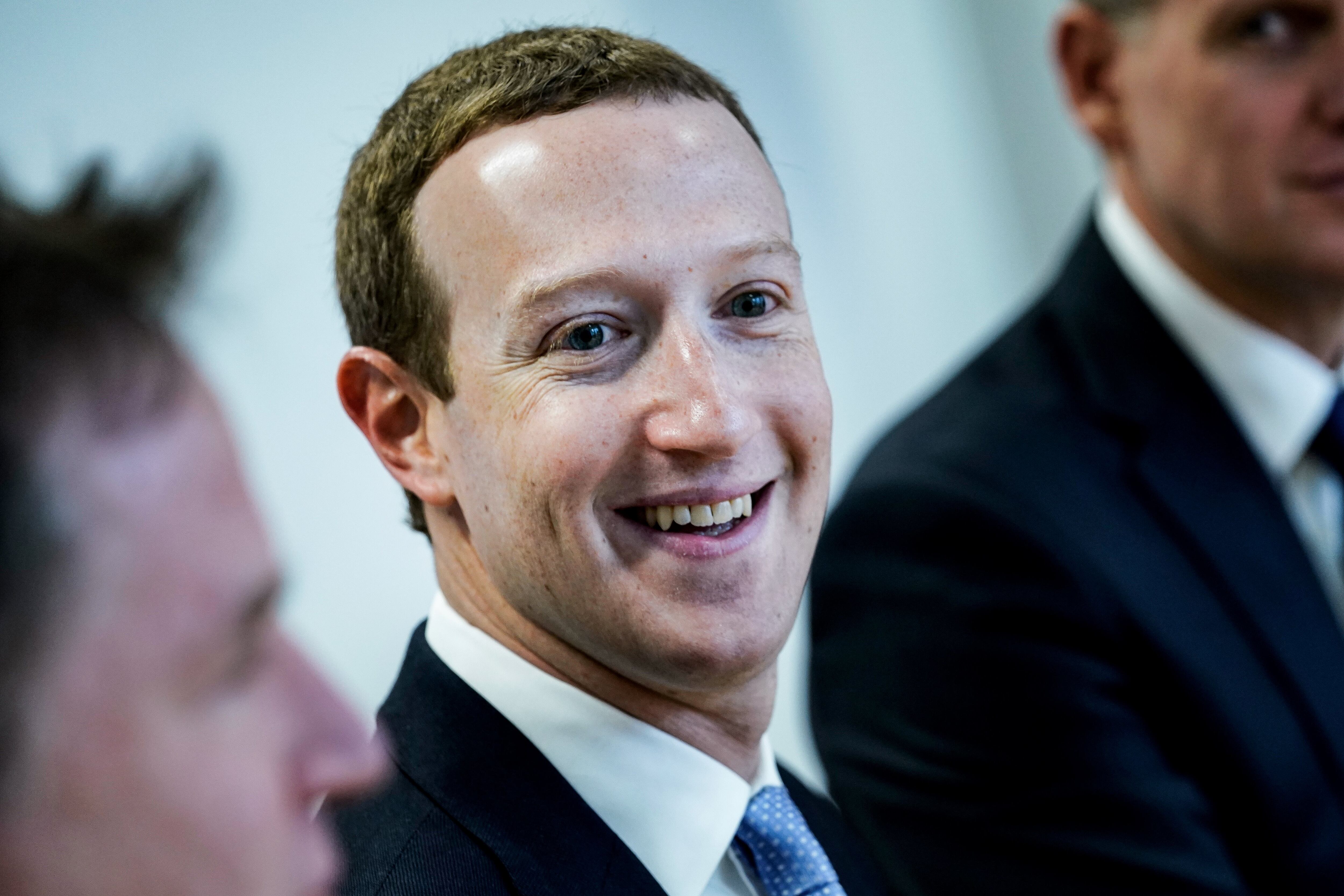
Mark Zuckerberg and his wife Priscilla Chan have donated $25 million through their foundation to a philanthropic effort organized by Bill Gates to explore new coronavirus treatments.
The Gates Foundation donated $50 million last week to what it’s calling the “COVID-19 Therapeutics Accelerator.” The initiative brings together life sciences companies to collaborate on the development of new vaccines, diagnostics, and treatments for COVID-19.
“The Therapeutics Accelerator will enable researchers to quickly determine whether or not existing drugs have a potential benefit against COVID-19,” Chan and Zuckerberg said in a press release. “We hope these coordinated efforts will help stop the spread of COVID-19 as well as provide shared, reusable strategies to respond to future pandemics.”
The two donations are the largest from tech billionaires since the coronavirus outbreak. Wellcome and Mastercard are supporting the effort as well.
The goal of the initiative is to either develop a new drug or adapt an existing treatment that it could help distribute alongside partnering pharmaceutical companies.
The 15 companies participating in the project kicked off the effort by sharing their proprietary libraries of molecular compounds that have some history of being tested with COVID-19.
The lineup includes big names in biotech such as Johnson & Johnson, Merck, Pfizer, Sanofi, and Bristol-Myers Squibb.
Uber released financial statements on Wednesday showing slowed growth and greater losses while the company continues to invest in food delivery, freight, and electric bikes.
Ford and Walmart envision a world in which products are delivered straight to customers' doors ー no driver required. The two titans of industry are teaming up along with Postmates to explore delivery via self-driving cars in Miami-Dade County, Fla.
The former president of Pinterest has a new mission to curb tech addiction. Tim Kendall left his perch as the top business chief of the $12 billion company one year ago and is now the CEO of Moment, a mobile app that aims to teach people how to reduce their phone use.
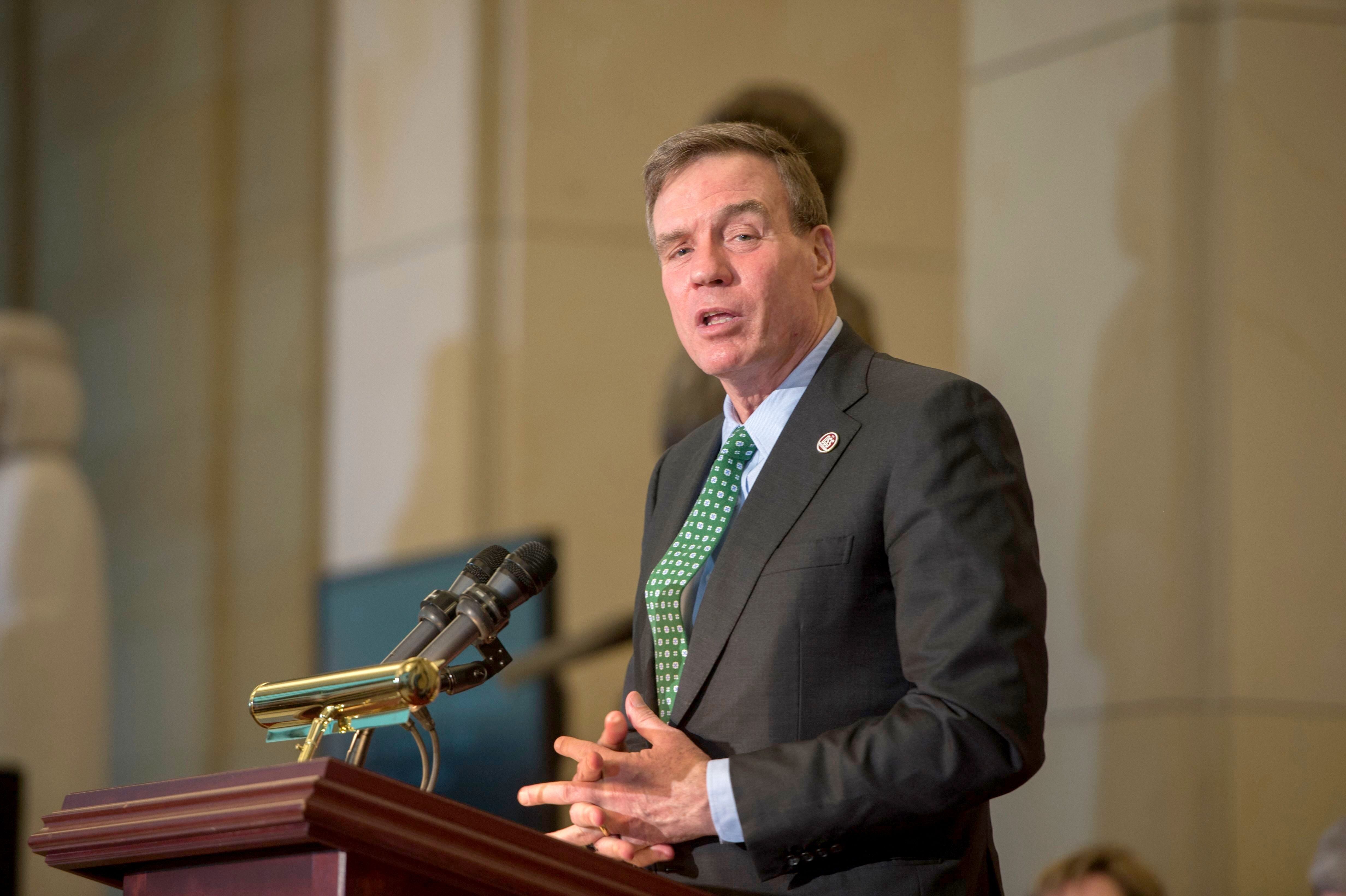
Sen. Mark Warner (D-Va.) spoke with Cheddar's J.D. Durkin about Amazon's move to Crystal City and what it means for the people of Virginia. "This is both going to be an economic driver and, frankly, put this region more on the map as a tech headquarters," Warner told Cheddar.
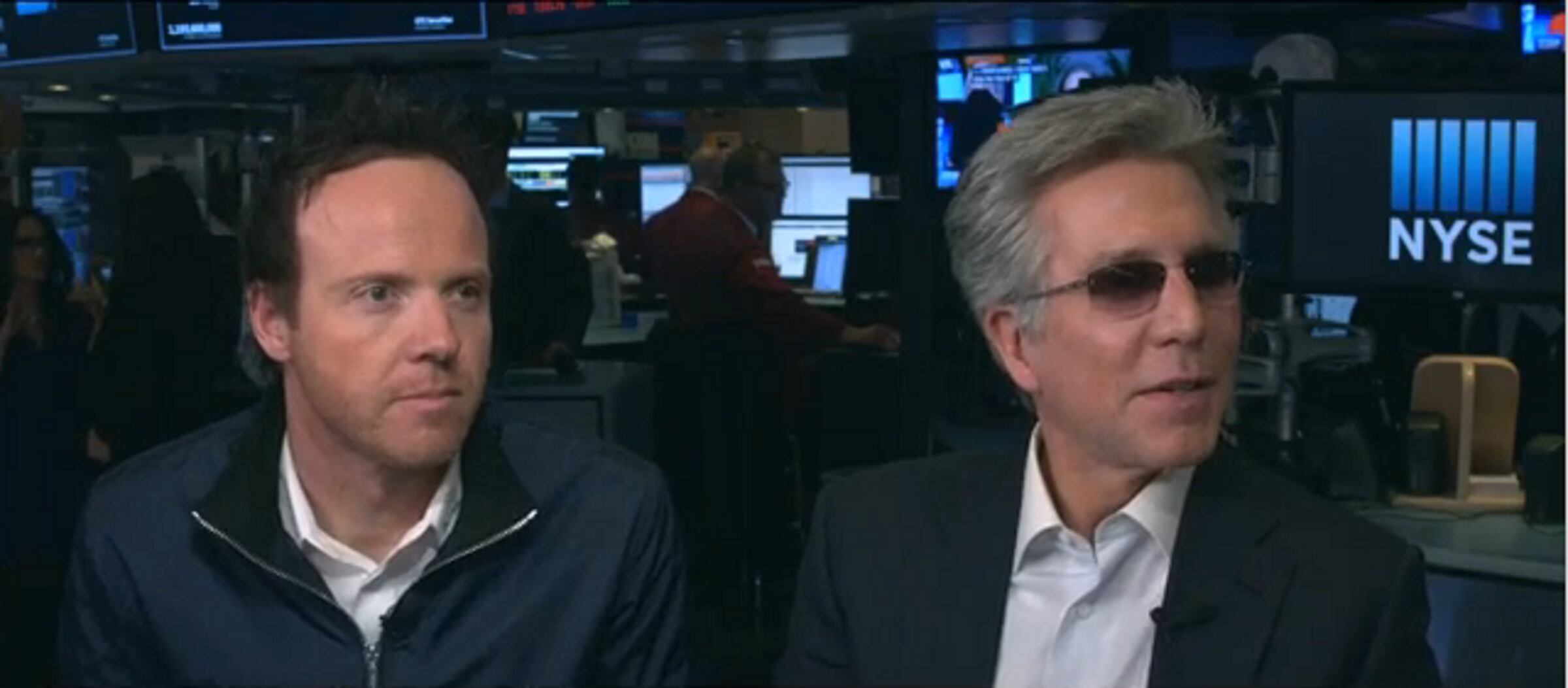
Qualtrics CEO Ryan Smith rang the closing bell alongside SAP CEO Bill McDermott to celebrate his company's last minute buyout by SAP. Smith and McDermott talk to Cheddar about Qualtrics' planned expansion, their goals for enterprise technology and why they think the $8 billion acquisition makes so much sense. "Our mission is bigger than everything. We want XM, or experience management, all over the world, and this is by far the best way to do it," Smith told Cheddar.
NASA is partnering with an unlikely organization for one of its newest experiments ー The Michael J. Fox Foundation. NASA is planning on growing crystals out of the proteins that are likely connected to Parkinson's disease. Sarah Lewin, associate editor at Space.com, told Cheddar that growing the crystals in space will give scientists more information on the proteins and hopefully lead to a breakthrough in curing Parkinson's.
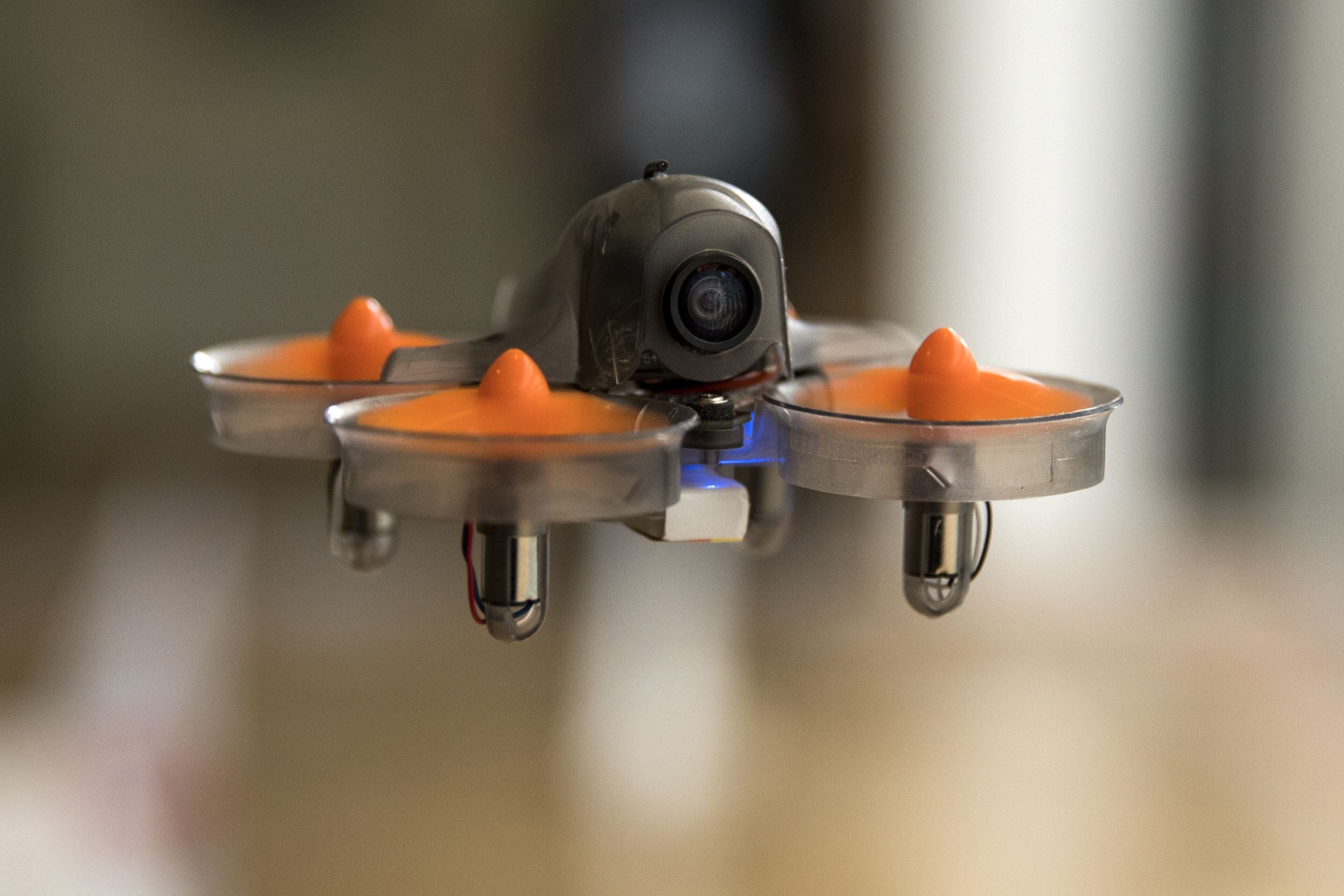
The burgeoning sport of drone racing is about to go autonomous. The professional Drone Racing League is preparing to launch a circuit for A.I. drones to compete against one another ー and, eventually, against human-controlled drones. Nicholas Horbaczewski, the founder and CEO of the DRL, previewed the new circuit in an interview on Cheddar Wednesday.
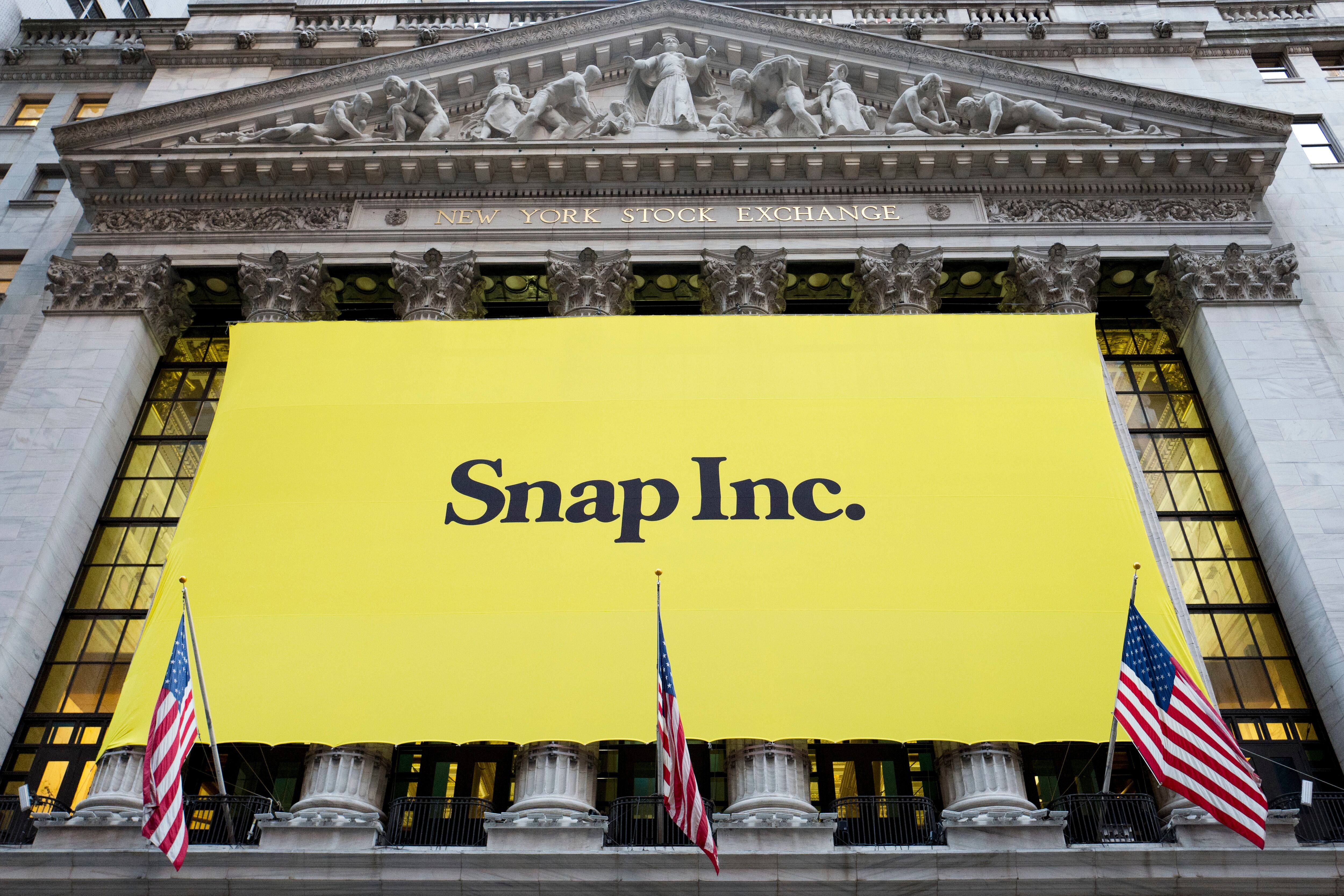
Federal regulators have subpoenaed Snap as part of a probe into its 2017 initial public offering, the company confirmed in a statement to Cheddar.
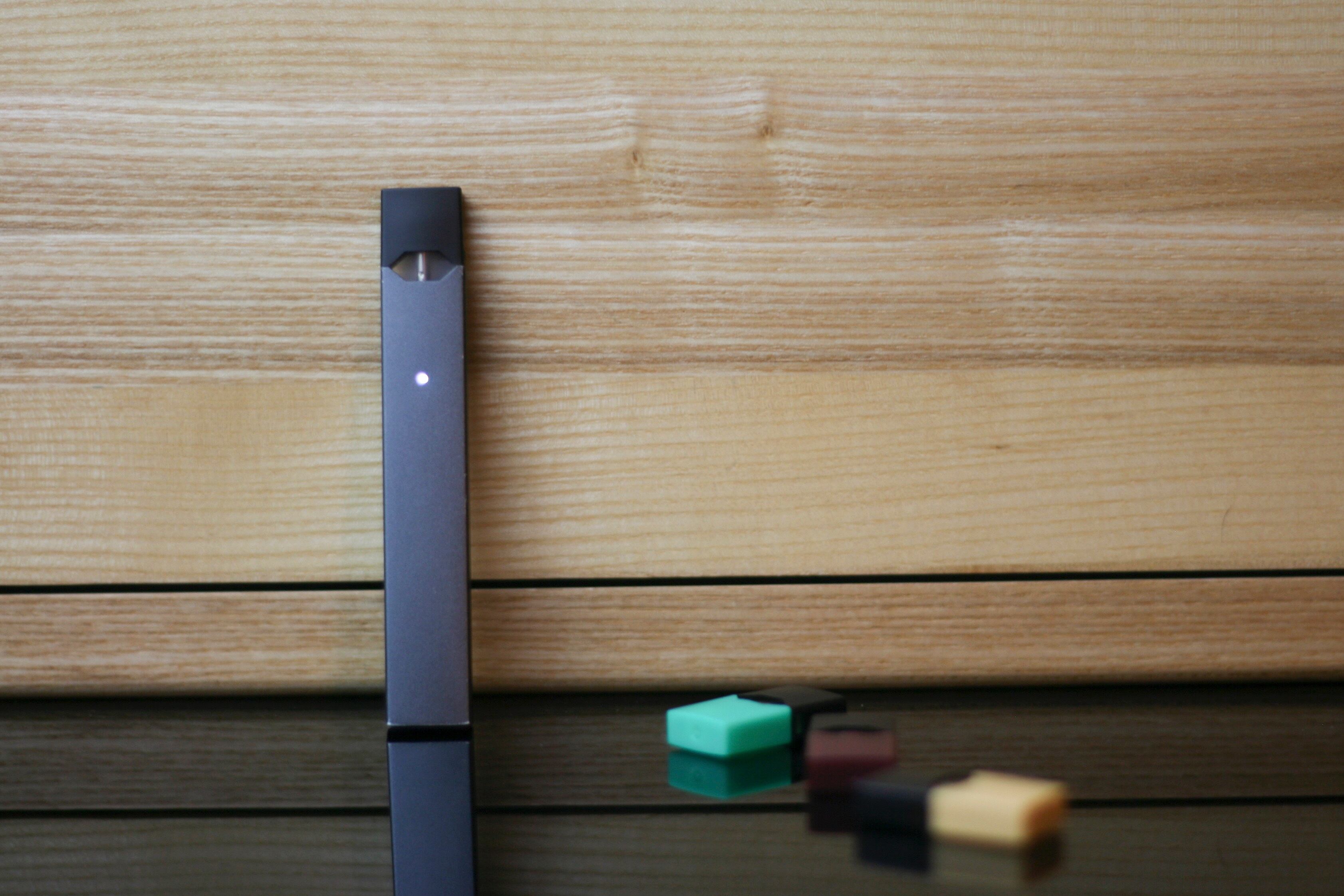
E-cigarette maker Juul announced new concessions to limit rampant teen vaping on Tuesday ー including pulling certain products from stores and abandoning social media feeds ー in the face of increasing pressure from the FDA and anti-smoking groups.
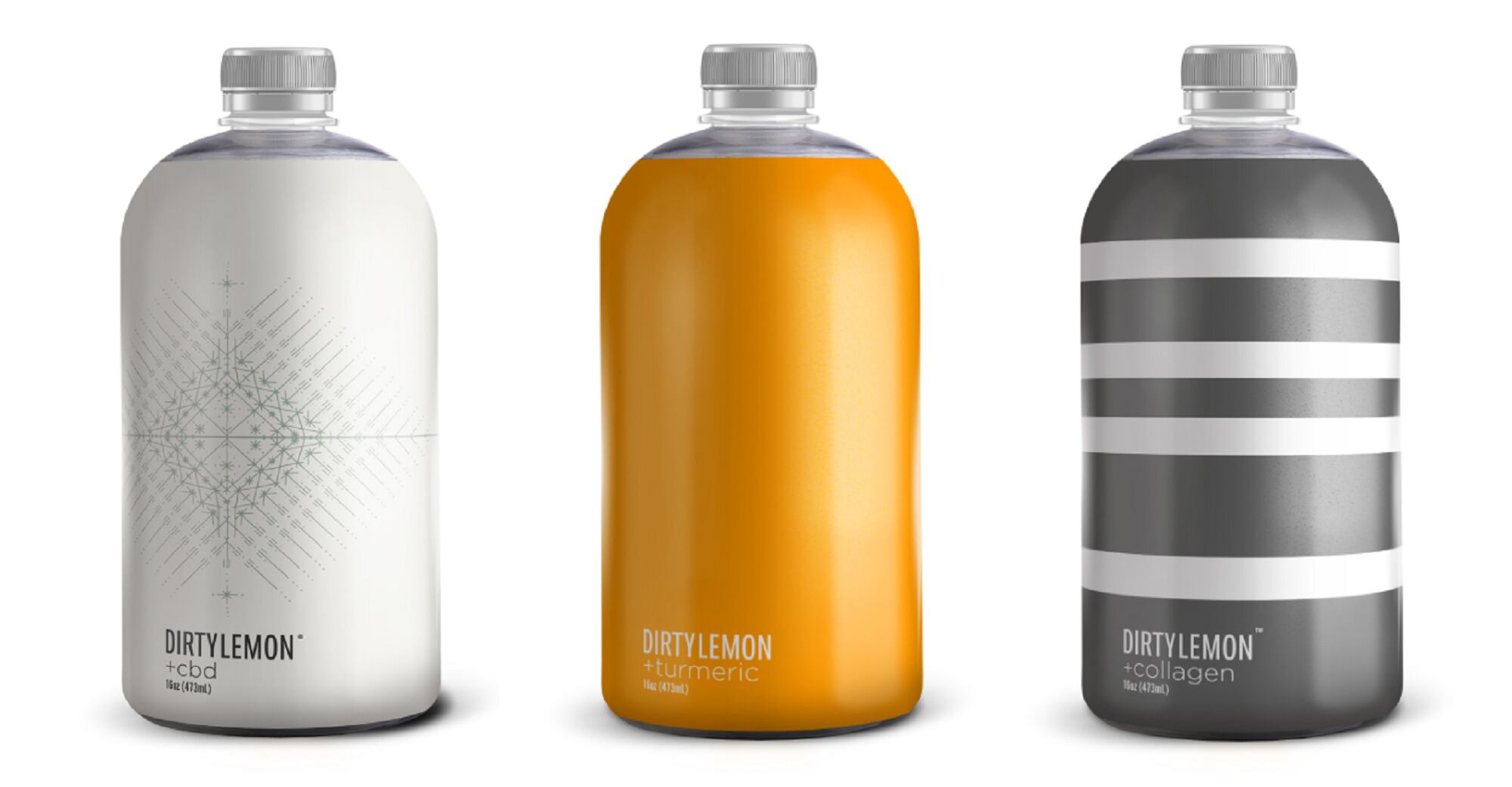
Trendy beverage maker Dirty Lemon may have halted production of its CBD-infused drink due to legal concerns, but CEO Zak Normandin insisted the company isn't otherwise slowing down or playing it safe. Rather, it is working to expand the brand's physical presence and develop new products.